Genesis 14
Rote Dela Alkitab · Tap a verse to see its cross-references.
Abram neu haꞌi baliꞌ Lot mia netatis
1Leleꞌ naa, hambu maneꞌ haa raꞌabꞌue. Naeni: Amrafel, mane nusa Sinear. Ariok, mane nusa Elasar. Kedarlaomer, mane nusa Elam. Ma Tideal, mane nusa Goyim. 2Ma mane feaꞌ lima o raꞌabꞌue boe. Naeni: Bera, mane kota Sodꞌom. Birsa, mane kota Gomora. Sinab, mane nusa Adema. Semeber, mane nusa Seboim. Ma Bela, mane nusa Soar. Mane ka haaꞌ ra ratati labꞌan mane ka limaꞌ ra. 3Mane ka limaꞌ ra raꞌabꞌue ro soldꞌadꞌu nara sia babafaꞌ sa naran Sidim (fo aleꞌ ia ara rae Tasi Mates).
4Netatiꞌ naa, huu na taꞌo ia: Maꞌahulu na, mane ka limaꞌ ra taꞌalok mane Kedarlaomer losa too sanahulu rua. Te too ka sanahulu telu na ma, ara labꞌan e.
5Masoꞌ too ka sanahulu haa na ma, mane Kedarlaomer no nonoo mane ka teluꞌ nara rema ro soldꞌadꞌu nara. Ara ratati rakalaꞌ nusaꞌ hira. Naeni: atahori Refaim sia nusa Asterot-Karnaim, atahori Susim sia nusa Ham, atahori Emim sia nusa Sawe-Kiryataim, 6ma atahori Hori mana leo sia lete Seir losa nembe saraꞌaeꞌ El Paran suu na. 7Basa ma, ara baliꞌ risiꞌ En Mispat (fo aleꞌ ia naran Kades). Ara tao ralutu atahori Amalek nusa na, ro atahori Amori mana leo nusa Haseson-Tamar.
8Basa naa ma, mane ka limaꞌ ra ator soldꞌadꞌu nara sia babafaꞌ Sidim, de ratati labꞌan mane ka haaꞌ ra. 10Sia babafaꞌ naa, hambu lifu ter romaꞌ naeꞌ. Leleꞌ ara ratati ma, mane Sodꞌom no mane Gomora ma soldꞌadꞌu nara rela. Ruma tudꞌa risiꞌ lifu ter rala, ma ruma rela risiꞌ leteꞌ. 11Mane ka haaꞌ ra rasenggiꞌ mane ka limaꞌ ra, de rambas rala basa sudꞌiꞌ a saa ma nanaat mia Sodꞌom no Gomora. Basa de, ara baliꞌ.
12Leleꞌ naa, Abram ana na Lot leo sia Sodꞌom. De mane ka haaꞌ ra toꞌu rendi Lot se, ma rambas rendi basa sudꞌiꞌ a saa nara.
13Te atahori esa sai, de neu nafadꞌe Abram, atahori Ibrani a. Hambu atahori Amori esa, naran Mamre. Abram leo deka sia Mamre hau-hau huu ine na. Mamre odꞌi na, Eskol no Aner. Sira, mana dadꞌi Abram partei na. 14Abram rena oi atahori toꞌu rendi ana na ma, ana naꞌabꞌue nala atahori mana ratati rahine mia mana tao ues nara. Basa se atahori natun telu sanahulu falu. Ara reu oi mane ka haaꞌ ra losa kambo Dan fo naꞌadooꞌ sia seriꞌ dii.
15Sia naa, Abram banggi atahori nara reu babanggiꞌ hira. Tetemba na ma, reu sambu atahori naa ra. Te ruma rela, ma Abram se oi rakandoo se, losa kambo Hoba, sia kota Damsik seriꞌ dii. 16Basa naa ma, Abram haꞌi nala baliꞌ Lot, no atahori nara, ro basa sudꞌiꞌ a saa nara, ma atahori feaꞌ ra boe.
Melkisedek nandaa no Abram. Ana dadꞌi maneꞌ ma malangga agama mia Lamatualain
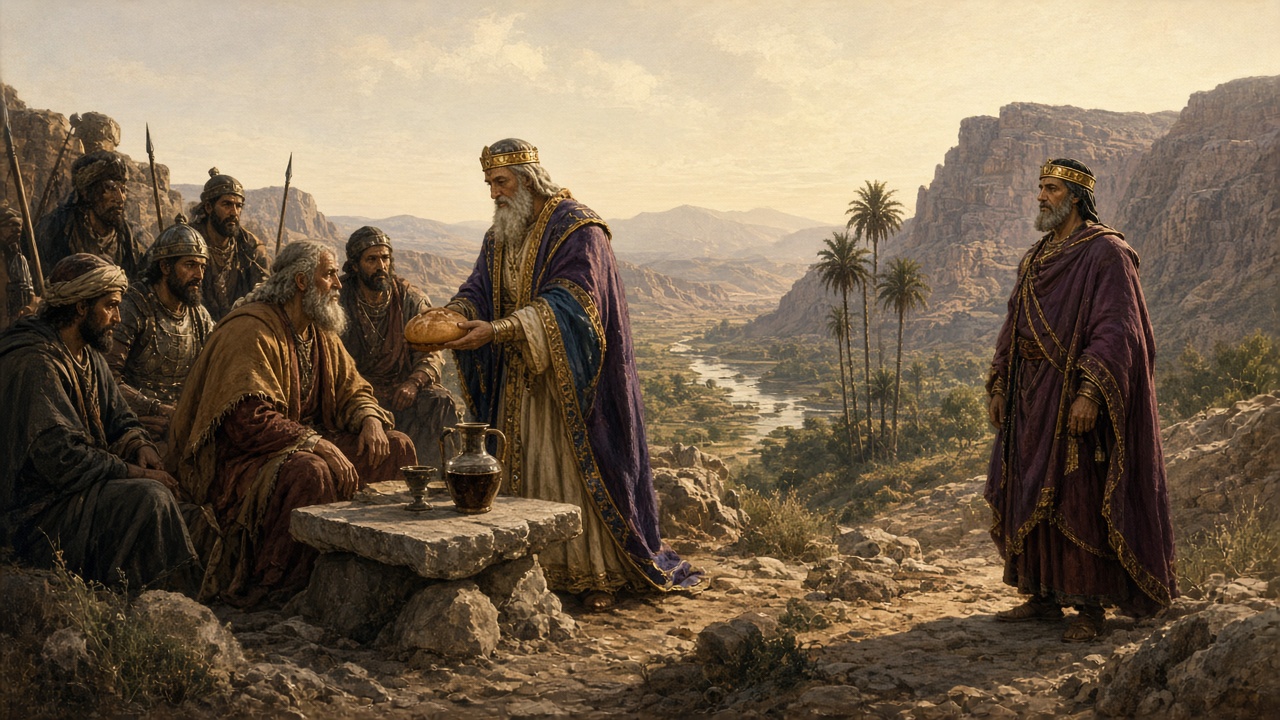
17Abram baliꞌ mia nakalaꞌ mane ka haaꞌ ra ma, mane Sodꞌom nema soru e mia babafaꞌ sa naran Sawe (fo atahori rae, Babafa Maneꞌ). 18Leleꞌ naa, mane Salem a, naran Melkisedek. Ana o malangga agama mia Lamatualain mana sia Ataꞌ a. Ana nendi fee Abram, roti no oe anggor. 19Basa ma ana olaꞌ fee Abram papala-babꞌanggiꞌ nae, “Hela fo Lamatualain mana sia Ataꞌ a, ma mana tao lalai no raefafoꞌ a, fee nggo papala-babꞌanggiꞌ. Koa-kio Lamatualain, mana fee nggo musenggiꞌ musu mara.”
Basa boe ma Abram fee Melkisedek babanggiꞌ esa mia sanahulu, mia basa saa fo ana rambas nala baliꞌ ra.
21Boe ma, mane Sodꞌom sendeꞌ fee hadat neu Abram nae, “Ama Abram. Sudꞌiꞌ a saa fo amaꞌ rambas mia musu nggara, amaꞌ hambu basa se. Te au oꞌe baliꞌ akaꞌ a atahori nggara.”
22Abram nataa nae, “Au sumba endiꞌ Lamatualain mana sia Ataꞌ a, ma mana tao lalai no raefafoꞌ a, 23ae, au nda haꞌi ala saa saꞌ boe mia ho sudꞌiꞌ a saa mara. Mae abꞌas ndooꞌ esa o, au nda haꞌi sa. No taꞌo naa, ho nda hambu olaꞌ mae, ‘Abram namasuꞌi, huu au.’ 24Au nda parlu saa saꞌ boe. Akaꞌ a bee fo au atahori nggara pakeꞌ ra, naa mana basaꞌ ena. Ma fee au nonoo ka telu ngga ia ra, Aner, Eskol no Mamre, haꞌi rendi babanggi nara.”
Did you know?
The Campaign of the Four Kings
- Easton's Bible Dictionary (1897) identifies the four invading kings with names on ancient inscriptions: Chedorlaomer with Khudur-Lagamar of Elam, Amraphel with Khammu-rabi of Shinar (southern Chaldea), Arioch, king of Ellasar, with Eri-Aku of Larsa, and Tidal with Tudkhula. It explains Eri-Aku as an Elamite name meaning “servant of the moon-god,” later changed to Rimsin, and takes Goiim—“nations”—as Gutium, east of the Tigris and north of Elam.Sources: Chedorlaomer · Amraphel · Arioch (king of Ellasar) · Tidal
- The five local kings drew up for battle in the Valley of Siddim, which this chapter equates with the Salt Sea, and the valley was full of tar pits into which some of the fleeing men fell. Easton's Bible Dictionary places that valley at the south end of the Dead Sea, between Engedi and the cities of the plain, and calls the pits bitumen pits.Sources: the Bible text itself · Vale of Siddim
- Abram lived near the oaks of Mamre the Amorite, a brother of Eshcol and Aner, and the three were bound by treaty to him. Easton's Bible Dictionary calls Mamre and Eshcol Amorite chiefs and Aner a Canaanite chief, and notes that they joined Abram in pursuing Chedorlaomer and recovering Lot.Sources: the Bible text itself · Mamre · Eshcol · Aner
Notes written with AI assistance from open sources (Theographic Bible Metadata, CC BY-SA 4.0; Easton’s Bible Dictionary, public domain) and reviewed before publishing.
Places in this chapter
- Elam · 32.189, 48.258 · verses 1, 9
- Shinar · Today: Babylonia · 32.543, 44.422 · verses 1, 9
- Salt Sea · Today: Dead Sea · 31.500, 35.500 · verse 3
- Shaveh-kiriathaim · Today: within 1 km of Al Qurayyat · 31.541, 35.686 · verse 5
- Dan · Today: Tel Dan · 33.249, 35.652 · verse 14
- Damascus · 33.511, 36.306 · verse 15
- Valley of Shaveh · Today: intersection of Kidron Valley and Valley of Hinnom · 31.767, 35.236 · verse 17
- Salem · Today: Jerusalem · 31.777, 35.234 · verse 18
Only places identified with high confidence are shown (90% or more according to the scholarly sources compiled by OpenBible). Period map: DARE (Digital Atlas of the Roman Empire), CC BY 4.0; modern map: © OpenStreetMap contributors; places: OpenBible.info (CC BY 4.0).
Credits and license for this translation
Rote Dela Alkitab
Genesis and the New Testament in the Rote Dela language of Indonesia
Kejadian dan Perjanjian Baru dalam bahasa Rote Dela
copyright © 2016 Unit Bahasa dan Budaya
Language: Rote Dela (Dela-Oenale)
Translation by: Wycliffe Bible Translators
This translation is made available to you under the terms of the
Creative Commons Attribution Share-Alike license 4.0.
You have permission to share and redistribute this Bible translation in any format and to make reasonable revisions and adaptations of this translation, provided that:
You include the above copyright and source information.
If you make any changes to the text, you must indicate that you did so in a way that makes it clear that the original licensor is not necessarily endorsing your changes.
If you redistribute this text, you must distribute your contributions under the same license as the original.
Pictures included with Scriptures and other documents on this site are licensed just for use with those Scriptures and documents.
For other uses, please contact the respective copyright owners.
Note that in addition to the rules above, revising and adapting God's Word involves a great responsibility to be true to God's Word. See Revelation 22:18-19.
2022-03-11
Source: http://ebible.org/row/ · eBible.org