Matthew 2
Yesu Kerisoné So Whi̧ Tao Sere Kisi Fo Wisi · Tap a verse to see its cross-references.
Suka hoterepaae betere whi̧rapené Yesu deóló betere kelale fo
1Judia hae kwiamó tȩne Betelehem be huluamó, Yesu deyale ki̧lipaae etéyalepó. Jerusalem bemó Herot a̧ doasi topo whi̧ betale sukamó, kale ho̧rené dere ala bete kisipare whi̧rape atima suka hotereró wóló, ai be huluamó betó mole so whi̧paae woseturaalu, “Kale Juda fake so whi̧ tȩteróló kaae tawaaire topo whi̧-a, momó deyóló betere? Ti noatepae, da̧ suka hotereró bitu, a̧ deyóló beteretei kisipa yó̧póló, ó sa̧mó daale ho̧re dȩ yó tapa kolóló, a̧ ao̧mó bitu ama doi hale sóró horaai da̧ i wale ape,” yalepó.
3Tétepa, doasi topo whi̧ Herot-né ai fo woseturaalu, ama kisipa feléni, a̧ doasi whaaliatu betalepó. Atétepa, kale Jerusalem be huluamó betó mole so whi̧kélé ama mutere kisipa kaaetóró mutu betalepó. 4Kale doasi topo whi̧ Herot-né so whi̧mó Talepaae momaratere topo whi̧raperó Moses-né yóló muló betere fo yó matere whi̧rapetamopaae ape yóló woseturaalu, “Kótóné so whi̧ fea tȩteróló kaae tanó̧póló, sóró beteró betere doasi topo whi̧ Keriso-a, mé bemó deyaalopóló asȩmó yóló muló betere?” yalepó. 5Ti fo depa, atimané tokó̧ mótu duraalu, Judia hae kwiamó tȩne Betelehem be huluamó deyaalopóló, mo taketi Kótóné ama ko̧ló whi̧né asȩyóló muló betere fo i ape.
6“Juda haemó tȩne Betelehem be huluamó betó mole so whi̧ diaao̧ kisipané-a, Juda fake so whi̧ tȩteróló kaae tare topo whi̧rape kuamó, da̧kó doi munipó fo du bitu de? Meipó.
Kótóné so whi̧ tȩteróló kaae tawaaire topo whi̧ beta̧ dia̧ tua̧mótei, sókó waalo ai ape.
Ai sekȩ́né amata, sipsip hupurape tȩteróló kaae taru dere kaae, ya̧lo Israel fake so whi̧ tȩteróló kaae tawaalopó erapó,” yalepó.
7Téró, Herot-né kale ho̧rené dere ala bete kolóló kisipare whi̧rapepaae ape, fo kikiti yó faralepó. Atéró kale whi̧rape wapa, atimasisi bitu duraalu, “Diaao̧ kelalepó dere ho̧re-a, noa sukamó kelaleé?” yóló wosetepa, atimané a̧paae mo i be dȩmótóróti kelalepóló, yalepó. 8Ama atima Betelehem be huluapaae dotonaai duraalu, “Kale naale momó sóró beteréró kelaasepóló, mo wisiyóló keka̧e. Atéró kekenalemó, sóró betere tiki keletepa, ti mo hapale tétitóró ȩpaae ene ape. Ti ȩkélé a̧ ao̧mó sinóló bitu, ama doi hale sóró horaairaalu, fenérapó,” yalepó.
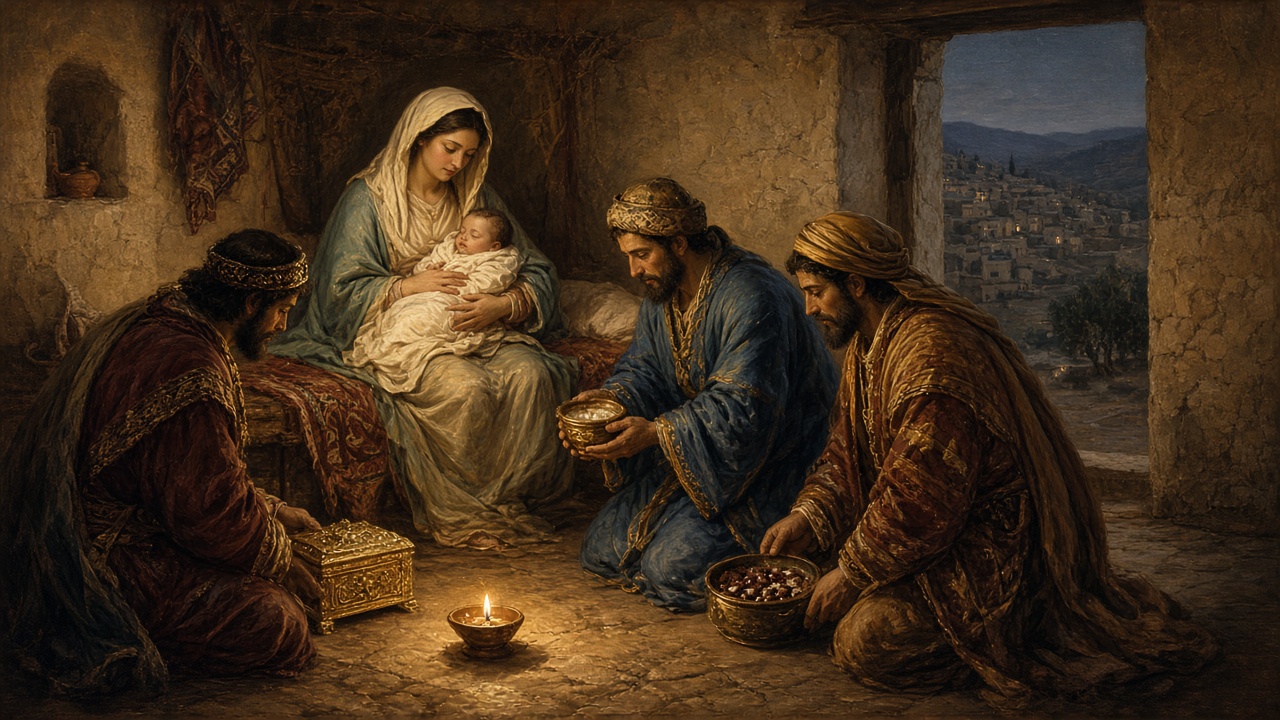
9Atéró, kale doasi topo whi̧ Herot-né atimapaae yae yale fotóró wosóló, atima faai wale tikipaae furaalu, atima take suka hotereró bitu kelale ho̧retóró ó sa̧mó ha̧le fu betepa kelalepó. Atétepa, atimakélé ai ho̧re foletei kelené kaae sóró felemó, kale naale deyóló betere tikimótóró kei̧yóló daane felepó. 10Ai ho̧rené dere ala kilituraalu, atimakélé mo doasi hȩkesené sinalepó. 11Atima ai bemó sókó felemó, kale naaleró hama Mariatamo betepa kólóló, atima bukutiri teya̧ró bitu, Doa Tale-ó yóló, a̧ hale sóró horalepó. Atéró, atimané kale naalemó ha̧le melaairaalu sóró wale wisi wisi o̧larape kold kapakélé, si keletómó bilitepa, felé kȩlaa wale o̧lakélé, mur wel wȩikélé, tȩyóló melalepó. 12Tale Kótóné kale whi̧rapepaae nokenaró atimané hae kwiapaae momó fesaae furaalu, Herot betereró fao̧se yale fo kisiparu, Herot betere tu̧ró feni kae tu̧mó felepó.
Josep-ró Mariatamoné Yesu Isip hae kwiapaae dapesó fele fo
13Atéró, atima fi sisópaae Talené ensel Josep noke firepaae wóló, nokenarótei duraalu, “Herot-né ai naale daairaalu keka̧alo ai ape. Térapa, ya̧lo ya̧paae ape dere alimó waasepóló, ya̧ turukó holóló ai naaleró hamatamo dape sóró u Isip hae kwiapaae botokó fae,” yalepó.
14Ai fo woseturaalu, kale whi̧ a̧ mo dikitamotei turukó holóló, kale naaleró hamatamo dapesó u Isip hae kwiapaae faairaalu, felepó. 15Atéró, kale whi̧ Herot suki̧ tikimó waairaalu, atimaamo u Isip hae kwiamó bitiré felepó. Mo take Talené ama ko̧ló whi̧né asȩyóló muló betere foné duraalu,
“Ya̧lo naale u Isip hae kwiamó betepa, ai hae kwia taaróló ape,” yalepó.
Ai fo dokonóturaalu, motóró yalepó.
16Kale topo whi̧ Herot-né ama yaaire ala kikiti hiróló kale ho̧rené dere ala kisipare whi̧rape dilika̧letei, atimané kilirapóló a̧ mo doakale fopaae bualepó. Tétu, ama diki tare whi̧rapepaae yóló mulótu duraalu, Betelehem be huluaró ai hae kwiamó tȩ mole ipu betamomó mióti teó sóró betó mole naalerapemó kaae sóró dilé fóló, ba fo tamo kemeyóló betó mole naalerapekélé mo fea dóló kemerae yóló dotȩyalepó. Ti aita ha̧le meipó. Kale ho̧rené dere ala bete kisipare whi̧rapepaae wosetepa, atimané a̧paae yó melale be dȩ tuȩ́ muluraalu, atéró dóló kemerae yóló dotȩyalepó. 17Ti aita ha̧le tua̧mó kaayóló inipó. Kótóné ama ko̧ló whi̧ Jeremaiané i fo asȩyóló muló beterapó.
18“Rama bemó betere so Resel-né dekȩné suki̧ moló doasi du betepa,
mepaae so whi̧né a̧ kisipa felératere fo yalemó, mo wosenipó.
Ti noatepae, ama naale senaale fea sisiraae feleteinépó.”
Ti ai naalerape dele alata, kale yóló muló betere fo mo dokonóturaalu yalepó.
Nasaret be huluapaae momó fesaae fele fo
19Téró etéyalepó. Kale doasi topo whi̧ Herot suki̧tikimó, kale whi̧ Josep Isip hae kwiamó betepa, nokenaró Talené ensel-né duraalu, “Josep-ó, ai kale naale daairaalu du betale whi̧rapeta, ai suka̧le ape. 20Térapa, ya̧ turukó horóló, ai naaleró hamatamo dape sóró u Israel hae kwiapaae tokó̧ fae,” yalepó.
21Tétepa, Josep a̧ turukó horóló, kale naaleró hamatamo dapesó Israel hae kwiapaae felepó. 22Atéró Josep a̧ Judia hae kwiapaae biti̧ faai yaletei, ai hae kwia kale doasi topo whi̧ Herot betale sirimó, naalema Akelausiné tȩteróló kaae tarapó dere fo wosóló, witepa taaralepó. Talené a̧paae nokenaró Judia hae kwiapaae biti̧ fao̧se yale fo kisipa iruraalu, Kaleli hae kwiamó tȩne Nasaret be huluapaae tokó̧ felepó. 23Atéró feleteita, mo taketi Kótóné ama ko̧ló whi̧rapené asȩmó duraalu,
“So whi̧ feané a̧ Nasaret be hulua whi̧kópó yaalo ai ape,”
ere fo mo dokonóturaalu, atima Nasaret be huluapaae tokó̧ felepó.
Did you know?
Magi, Herod, and Nazareth
- The King Herod of this chapter is Herod the Great. His son Archelaus, by Malthace, a Samaritan woman, inherited a third of the kingdom: Idumea, Judea, and Samaria. Until a few days before Herod's death another son, Antipas, had been named successor, but in his last moments Herod named Archelaus; for fear of him, Joseph turned aside from Judea and withdrew to Galilee.Sources: Archelaus · the Bible text itself
- Matthew links the deaths of the boys in Bethlehem to words spoken through the prophet Jeremiah: a voice in Ramah, Rachel weeping for her children. Rachel, one of Jacob's wives, died giving birth to Benjamin and was buried by the wayside on the road to Ephrath, that is Bethlehem, directly north of the town. Her sepulchre is regarded with great veneration by the Jews.Sources: the Bible text itself · Rachel · Bethlehem
- Bethlehem, in the hill country of Judah, was earlier called Ephrath and was also known as the city of David; under the Romans it lay in Judea, the southernmost of the three divisions of Palestine. Joseph and Mary went instead to Nazareth in Galilee, their home, a town not mentioned in the Old Testament. The name Nazareth is generally supposed to come from the Hebrew netser, a shoot or sprout, though some connect it with a word for guarding or watching.Sources: Bethlehem · Judea · Nazareth · the Bible text itself
Notes written with AI assistance from open sources (Theographic Bible Metadata, CC BY-SA 4.0; Easton’s Bible Dictionary, public domain) and reviewed before publishing.
Places in this chapter
- Bethlehem · 31.704, 35.208 · verses 1, 5, 6, 8, 9, 16
- East · Today: region around Amman · 31.955, 35.934 · verses 1, 2, 9
- Jerusalem · 31.777, 35.234 · verses 1, 3
- Judea · Today: Judea 1 · 31.777, 35.234 · verses 1, 5, 22
- Egypt · 30.129, 31.308 · verses 13, 14, 15, 19
- Galilee · 32.760, 35.527 · verse 22
- Nazareth · 32.702, 35.298 · verse 23
Only places identified with high confidence are shown (90% or more according to the scholarly sources compiled by OpenBible). Period map: DARE (Digital Atlas of the Roman Empire), CC BY 4.0; modern map: © OpenStreetMap contributors; places: OpenBible.info (CC BY 4.0).
Credits and license for this translation
Yesu Kerisoné So Whi̧ Tao Sere Kisi Fo Wisi
The New Testament in the Falopa Language of Papua New Guinea
copyright © 2005 Wycliffe Bible Translators, Inc.
Language: (Folopa)
This translation is made available to you under the terms of the
Creative Commons Attribution-No Derivatives license 4.0.
You may share and redistribute this Bible translation or extracts from it in any format, provided that:
You include the above copyright and source information.
You do not make any derivative works that change any of the actual words or punctuation of the Scriptures.
Pictures included with Scriptures and other documents on this site are licensed just for use with those Scriptures and documents.
For other uses, please contact the respective copyright owners.
2009-10-31
Source: http://png.bible/ppo/ · eBible.org