Ephesians 6
Yesu Kerisoné So Whi̧ Tao Sere Kisi Fo Wisi · Tap a verse to see its cross-references.
Hae ayaró naale senaaletamopaae dere ma fo
1Naale senaale-ó, dia̧ Talené ere fo sya fóló diaao̧ hae ayané dere fo mo beta̧ wosóló erótu betae. Ti aita mo dono ala dapó. 2Diaao̧ hae aya wisi doi muló̧póló, dia̧né wisi alatóró du betae. Ai tukóló muló betere forape kaae sóró dosa̧até wapa, Talené dia̧paae wisi ala eraalopó ere foró tukóló muló betere fotamo su̧ru folosóró mulapó. 3Dia̧né hae aya ao̧mó betae yóló muló betere fotamo sya fóló erótu betepa,
“Ti dia̧ i haemó fo̧lo sukamó bitiré fóló, mo wisi alatóró deté fu betaalopó,” erapó.
4Dia̧ naale senaale ali-ó, diaao̧ naale senaale atima fopaae buó̧póló haseka̧ai ala erao̧se. Aténi, atima Talené fo tua̧mó doayóló naale senaale wisi beteró̧póló, ama fo etéró eraalopóló, ma fotamo dua yó maté fu betae.
Tȩteróló kaae tare whi̧raperó wae sóró kutó diratere whi̧rapetamopaae ere fo
5Dia̧ wae sóró kutó diratere whi̧rape-ó, dia̧ Yesu Kerisoné dere fo wosóló, a̧ ao̧mó biture kaae, i haemó dia̧ tȩteróló kaae tare whi̧rape kilitu wiyóló ao̧mó betae. Atétu, atimané yae dere fo wosóló wisi kisipatamo erótu betae. 6Atétu, dia̧ wae sóró kaae tare whi̧rapené dia̧ whi̧ wisipóló dukiró̧póló, atimané keletómó maaté kutó hatepaa yóló dini, atima alupakélé ó betepakélé, beta̧ alatóró yae. Ti Yesu Kerisoné wae sóró kutó diratere whi̧ kaae bitu, Kótóné ama kisipa mole ala eróturaalu, diaao̧ hosaa tua̧mó ketekȩ buóló dirótu betae. 7Atéturaalu, ita mo whi̧né kutópóló tuȩ́ muni, Talené kutópóló tuȩ́ mutu, diaao̧ hosaa turóné ketekȩtamo dirótu betae. 8Ti noatepae, wae sóró kutó diratere whi̧ ó ha̧le mo betere whi̧ noa kaae wisi ala ó wisi kutó dirélimó, ti alamó Talené dupu melaalopó ere fo diaao̧ wosóló ai kisipare ape.
9Tȩteróló kaae tare whi̧rape dia̧kélé, atimapaae i yae dere ala kaaetóró duraalu, diaao̧ kutó diratere whi̧rapepaae mo wisi ala erae. Atimapaae dia̧ i kutó wisiyóló dirénitepa, dia̧paae i kaae sekȩi ala eraalopó wiréli fo yao̧se. Atimakélé dia̧kélé, fea tȩteróló kaae tare Tale ó hepen bemó beteretei, diaao̧ ai kisipare ape. Ti ai sekȩ́ta, mepaae so whi̧paae wisi ala eróo, mepaae so whi̧paaemo ho̧ko ala eróo dere Tale bitini, mo beta̧ kaae alatóró eratere Talepó.
Kótóné da̧mó matere boé dele o̧la waseró sepaketamo tawae
10Ya̧lo mo kemeróturaalu dere fo i ape. Dia̧ Tale tua̧mó bitu, ama bole fotoko̧ sóró betae. 11Satan-né ama yaai kisipa mole dowi ala erao̧sóró seséturaalu, bóe dó̧póló Kótóné matere o̧la o̧la taaréni, mo fea deróló siki siki yóló daayae. 12Ti ai bóe dele alata, mo wutiró dikitamo sóró mo so whi̧tamo bóe dae yóló dumipó. Da̧né bóe dele alata, i haemó diliki tua̧mó dere ala tȩteróló kaae tare topo keperapetamokélé, atima doasiné i ala yae yóló, sóró beteró betere keperapetamokélé, kae kae fotoko̧ bole keperapetamokélé bóe dóo, tó sa̧ tua̧mó hepen kaae ere tikimó betó mulu, dowi ala eraai doasi fotoko̧ butu betere keperapetamokélé, bóe dóo du beterapóló dapó. 13Térapa, bóe whi̧né dowi ala eraaire be dȩ wapa, dia̧ daale tiki taaróló botokó feni, bóe whi̧né ya̧le dia̧ tikimó sene wao̧sóró sesé yaaire o̧la o̧la fea, Kótóné dia̧mó melaletei deróló betae. Atéru, bóe whi̧ wó̧póló siki siki yóló, kaae tawóló daayae. 14Atéró fotoko̧ buóló daalu, mo fo ti to kaae sóo, bóe whi̧né ya̧le bopémó sao̧sóró, bóe wase dakerótu dere kaae, Kótóné da̧ melale donoi ala bopémó dakeróo, Talené ala era̧le faairaalu, kale kisi fo wisi ho̧leke be kaae horóo, mo so whi̧ró Kótótamo bóe firóló, hosaa muni deyóló mo dua beteratere fo wisi da̧né hosaa tua̧mó mulóo epa, dia̧ siki siki yóló betenérapó. 15Ai alarapetamo touróturaalu i alakélé yae. Dowi kepené da̧ siritu betere si dokole ya̧lené da̧ tikimó sao̧sóró sesé dere bóe waseta, tuȩ́ tiki tiratere alapa, ai ala wase kaae fosókó tawóló daayae. 17Kótóné da̧ aluyao̧sóró tao sere alata, bóe daai derótua dere topo tao kaae deróo, kale Dȩi Kepe Wisiné fosóratere sepake tawóló daayóo yae. Ai sepaketa, ti Kótóné ama fo wisipó. 18Atéruraalu, kale Dȩi Kepe Wisiné dia̧ fotoko̧ratepa, betere doko̧ fea kae kae dere alapaaekélé, kae kae wale sekȩi alamókélé, Kótópaae i ala erae yóló momakélé yó tawae. Atei kaae dere moma kutirimó mulóló tuȩ́ yó taru, dia̧ noke kȩle ini, kele diriyóló bituraalu, Kótóné kae beteró betere so whi̧kélé fea tao só̧póló momaratere ala ha̧le yó tawae. 19Atétu, kale fo wisi ya̧lo yó melaaire sukamó Talené ama fo bete ȩpaae yó meló̧póló ȩmókélé momarae. Atétepa, ti ȩ halaainé daalu, kale fo wisi yó matereteiné Kótóné ama hiróló mole ala ha̧kearaalopó. 20Ai fo wisi yó meló̧póló sóró beteró betere whi̧tei, atima ȩ sein képiné dokóló dipula beteró beterapó. Ti aita, ȩpaae dirae yóló melale kutó ereteiné ȩ wikélé ini, halaainé daalu yó melaai dapa, ȩmó momarótu betae.
Kemeróturaalu ko̧leó dere fo
21Ya̧lo mo hosaa mole no Tikikas-ta, Talené ala erótu betere whi̧ wisipó. Amata, ya̧lo du betere alaró ȩ betere alatamo etérapóló, dia̧paae depa wosóló tuȩ́ yaasepóló, a̧ dia̧ beterepaae ai dotonatere ape. 22Ti a̧ dotȩyaai dere beteta, da̧ betere ala dia̧né kisipa yóo, dia̧ ketekȩ buó̧póló, ama fotoko̧ratere fo yóo, yó̧póló dotonaai dapó.
23Dia̧ ai be huluamó betó mole no nerape-ó, da̧ tȩteróló kaae tare whi̧ Yesu Kerisoró Alima Kótótamo tua̧mó kaayóló wale hosaa muni deyóló mo dua betere alakélé, tuȩ́ tiki tiratere tua̧mó kaayóló wale yaala sókó fole alakélé, dia̧ feapaae eró̧póló yae. 24Da̧ tȩteróló kaae tare whi̧ Yesu Kerisopaae yaala sókó fole ala yó tare so whi̧ feapaae Kótóné ha̧le hamokoróló tao sere ala eró̧póló yae.
Did you know?
Household duties, God's armor, and Tychicus
- This chapter presents the command to honor one's father and mother as the first commandment with a promise: that it may go well with you and that you may have a long life on the earth. It also tells fathers not to provoke their children to wrath, but to bring them up in the discipline and instruction of the Lord.Sources: the Bible text itself
- The chapter says the struggle is not against flesh and blood, but against rulers, authorities, the powers of this world's darkness, and spiritual forces of evil in the heavenly realms. Readers are urged to take up the full armor of God—a belt of truth, a breastplate of righteousness, feet fitted with the readiness of the gospel of peace, a shield of faith, a helmet of salvation, and the sword of the Spirit, which is the word of God—so they can stand when the day of evil comes.Sources: the Bible text itself
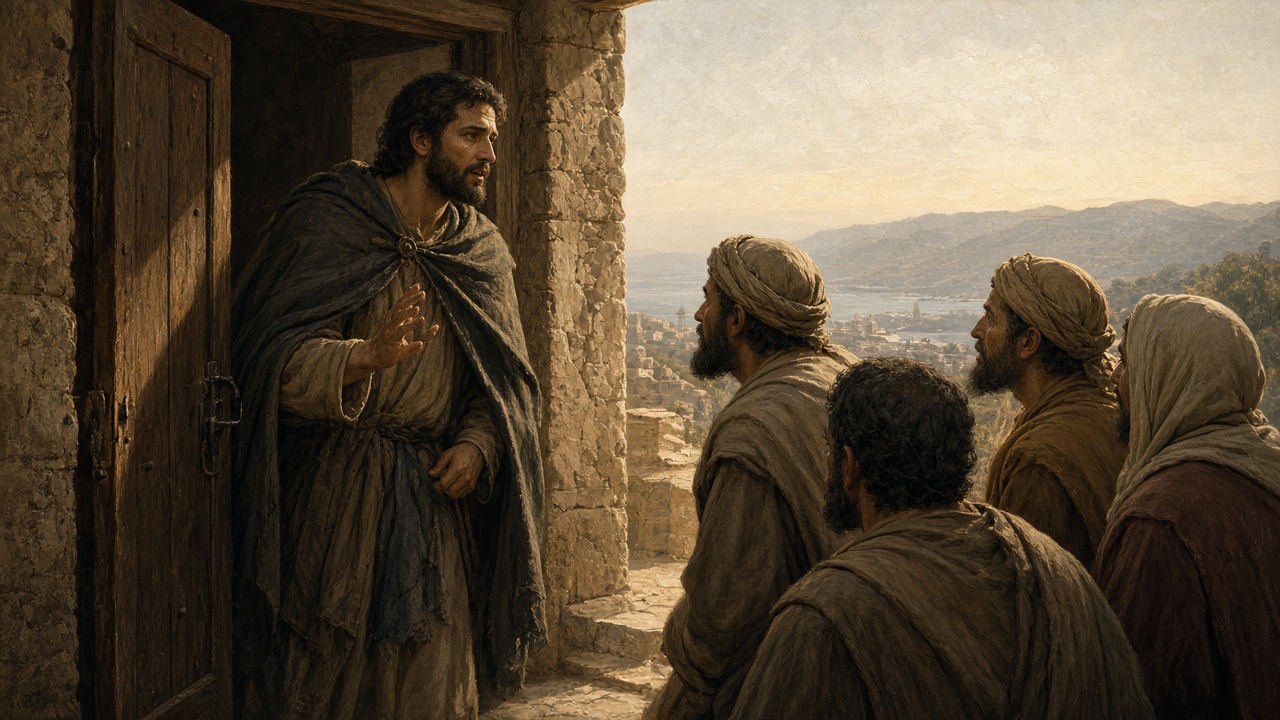
- The writer asks for prayer to proclaim the gospel fearlessly as an ambassador in chains, and sends Tychicus, the beloved brother and faithful servant in the Lord, to tell the readers how he is and to encourage them. Tychicus is described as an Asiatic Christian who, with Trophimus, accompanied Paul on part of the journey from Macedonia to Jerusalem and was with Paul at Rome, from where he was sent to Ephesus, probably to build up and encourage the church.Sources: the Bible text itself · Tychicus
Notes written with AI assistance from open sources (Theographic Bible Metadata, CC BY-SA 4.0; Easton’s Bible Dictionary, public domain) and reviewed before publishing.
Credits and license for this translation
Yesu Kerisoné So Whi̧ Tao Sere Kisi Fo Wisi
The New Testament in the Falopa Language of Papua New Guinea
copyright © 2005 Wycliffe Bible Translators, Inc.
Language: (Folopa)
This translation is made available to you under the terms of the
Creative Commons Attribution-No Derivatives license 4.0.
You may share and redistribute this Bible translation or extracts from it in any format, provided that:
You include the above copyright and source information.
You do not make any derivative works that change any of the actual words or punctuation of the Scriptures.
Pictures included with Scriptures and other documents on this site are licensed just for use with those Scriptures and documents.
For other uses, please contact the respective copyright owners.
2009-10-31
Source: http://png.bible/ppo/ · eBible.org