Acts 27
Yesu Kerisoné So Whi̧ Tao Sere Kisi Fo Wisi · Tap a verse to see its cross-references.
Pol wȩi nukumó Rom bepaae fele fo
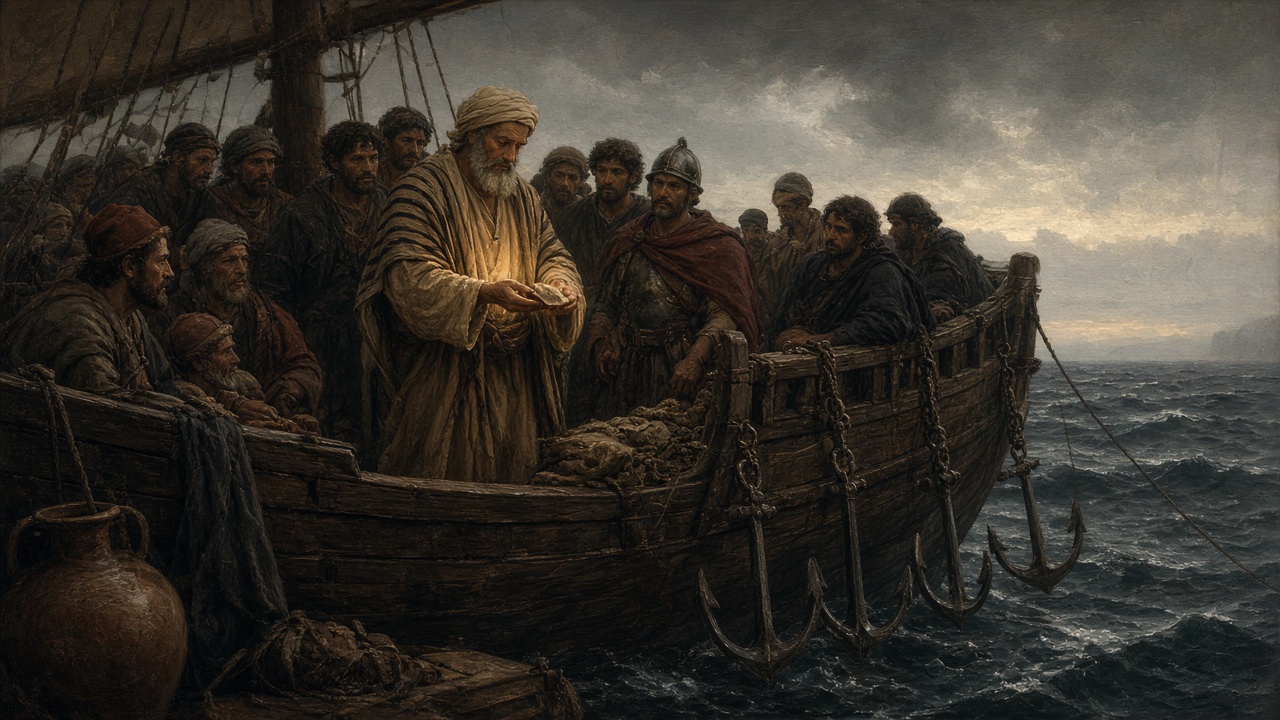
1Atimané da̧ Itali hae kwiapaae wȩi nukumó fó̧póló, taleyóló tukóló muló betepa, Pol-tamo mepaae dipula whi̧rapekélé, diki tare whi̧rape kaae tare whi̧né naase tua̧mó mulóló dotȩyaai yalepó. Ai kaae tare whi̧ Julias-ta, Sisané ama kae beteró betere diki tare whi̧ doi mole fakekópó. 2Téró, da̧ fóló Adramitium be whi̧né nukutei Esia hae kwiamó wȩi fóku sesekȩ kotere nuku duló betepa, da̧ sóró felepó. Ai nukumó Masedonia hae kwiamó tȩne be Tesalonaika be hulua whi̧kó Aristarkus-kélé, da̧tamo felepó.
3Da̧ atéró fóló wȩi tómó fiyóló hi̧ka Saidon bemó sókó felepó. Ai bemó nuku daaróló Julias tuȩ́ wisi muturaalu, Pol ama fulumu whi̧rape betere tikipaae a̧ ya̧ya̧re o̧lakó meló̧póló kwȩyae yóló dotonalepó. 4Téró, da̧ ai Saidon be hulua taaróló felemó, da̧ faaire tikiró doakale besȩ́ tiki wouraalu faai dere su̧nipa, Saiprus hae kwia fakeró wȩi fanoko sesekȩ besȩ́ wale tiki kinaté felepó. 5Téró, da̧ Silisia beró Pampilia betamomó mole wȩi kȩla tua̧mó tukóló fóló, Lisia hae kwiamó tȩne be Maira bemó sókó walepó. 6Téró da̧ ai bemó sókó fóló, kale diki tare whi̧rape kaae tare whi̧né Aleksandria be huluamó Itali be huluapaae faaire nuku duló betepa kelalepó. Atépa, da̧ ai nukumó beteró felepó. 7Téró, da̧ besȩ́né dere alamó dua wóputé fu betepatei, be dȩrape dekéró kemeyalepó. Até deté furaalu, Nidus be kese faté felemó doasi besȩ́ tikiné fenénipa, dȩpaae bolokó felepó. Atéró, wȩiné bopéró daaló betere hae kwia Krit tua̧mó wȩi fókumó tȩne Salmone bemó sókó felepó. 8Téró da̧ mo doasi besȩ́ tikiné fenénipa, hae duné kinaté mo dua wóputé wȩi fanoko sesekȩ fu betalepó. Téró Lasea be felekemó beta̧ wȩi sukó̧ló mulale fale tiki wisinaale doi mole nuku dulótua dere tikimó sókó felepó.
9Atéró, wóputé fu betepatei, be dȩrape dekéró ha̧le kemeyalepó. Téró, kale Juda whi̧rapené o̧la weyóló betere be dȩ kemene folepaae, besȩ́ró sosóli alitamo felekemó waai yalepó. Atei kaae be dȩmó wȩi tómó nukutamo kotere ala mo wisinipóló kisipa mutu, Pol-né nuku só kotere whi̧rapepaae i fo yalepó. 10“Ti be whi̧-ó, da̧ mió doai sosóliró besȩ́ alitamo tua̧mó fupata, ti da̧kélé, i nukukélé o̧la o̧lakélé, mo fea tua̧ tikimó aluyaalopó,” yalepó. 11Ti fo yaletei, kale diki tare whi̧rape kaae tare whi̧né nuku taleró nuku só kotere whi̧tamoné dere fo woseturaalu, Pol-né dere fo sisópaae eralepó. 12Kale ai wȩi sukó̧ló mulale fale tikimó da̧ sosóli ali kemeyó̧póló kaae tawóló betaai yaletei sosóliné betenénipa, fo tiki kȩlaaróló tale yalepó. Atéró mo turó whi̧rapené duraalu, ai hae tikimótei me be hulua Finiks-mó betaai faalopó depa felepó. Ti ai wȩi nuku dura̧leta dere tiki Krit haeta, saot-ró west-tamo upaae ene fóo, norti-ró west-tamo ipaae ene wóo epa tua̧mó erapó.
Doasi besȩ́ tikiró hali tikitamo wale fo
13Atima atéró uté saot-ró fakeró maaté sawa béi besȩ́ wapa, kale nuku duló betere halika teraayóló atima Krit wȩi fóku sesekȩ faairaalu felepó. 14Téró atima mo tupaae fenipatei, hasi bosenóló wȩi tómópaae dorowale doakale fotoko̧i besȩ́ tikiné doi norti-ist besȩ́ sókó wouraalu kale nuku tao sóró feteraai yalepó. 15Ai besȩ́ tikiné nuku tao sóró wȩi kulu tua̧paae taae fatepa, besȩ́ walepaaetei, i̧alesumó hó̧né suka̧lepó. Atétepa, ama ko̧leaané sóró fó̧pólópó nuku bisiki tao diliki yóló ha̧le betó mupa, besȩ́né amatei sóró fu betalepó. 16Téró, besȩ́nétei sóró fóló wȩiné bopéróló daaló betere hae kwia Kaoda-mó sókó felepó. Atéró ai hae tikiné kale besȩ́ kinóló fanokomó sesekȩ furaalu, kale beleka̧amale nuku doasi nukumó dulaairaalu wolopeté felepó. 17Téyale tikimó besȩ́ró hali tikitamo wouraalu, fotoko̧né fenénipa kale nuku sóró doasi nuku tómó beleralepó. Atéró halika tikiné atima betere doasi nuku tekée fao̧sóró, ó kwiaró a kwiatamomó si̧yóló dokóo, tua̧mókélé si̧yóló dokóo, yalepó. Aita nuku hapale ho̧ko furaalu, atika̧mó dée tane fóló atima dorao̧sóró wituraalu yalepó. Kale wȩi tómó ama ko̧leaané fó̧póló nuku kei̧raté fole kuti kwia wȩipaae deróló duralepó. Ai wȩi kulu tua̧mó tukure halepané doita, Sirtis-pó. 18Téró, fiyóló hi̧kakélé doakale besȩ́ tikiró wȩi asyatamoné da̧ felekemó sóró deratepa, nuku fé yó̧póló ai muó mole o̧la o̧la sóró wȩipaae kaae sóró teraayalepó. 19Sore eratere be dȩmó da̧ mo felekemó alunépa, kale nuku kotere o̧la o̧latei tao suyóló wȩipaae teraayalepó. 20Atéru, sukakekélé ho̧rekélé mo sawa keleni, besȩ́ tiki beta̧ ha̧le wómaaté tapatei be dȩrape dekéró kemeyalepó. Atétepa, da̧ betaaire kisipa mei, mo suka̧aire kisipa beta̧ muóló betó molepó. 21Atére alamó kale be whi̧rape atima bitiré wale doko̧ o̧lakélé néni, wote siri betó molepó. Atéru, Pol turukó holóló duraalu “Ti be whi̧-ó, take ya̧lo Krit hae kwia taaróló faalo meipó yale fo diaao̧ wosua̧sóró, ti da̧ etei kaae sekȩ sóo, diaao̧ o̧la o̧lakélé wȩipaae teraa yóo, wua̧ meipó. 22Téretei mió ya̧lo dia̧paae mo dapó. Da̧ i betó mole whi̧kó wȩimó aluyaalo meipa, beta̧ kisipa muóló faalopa sae. I nuku beta̧ wȩi tua̧mó doyaalopa da̧ wi dere ala ini, hosaa diriyóló betae. 23Ȩ Tale Kótóné ama kutó diró̧póló sóró beteró betere whi̧reteiné, take dilikitamo hepen bemó kutó diratere ensel ȩ felekemó daane walepó. 24Atéró, ȩpaae i fo yalepó. ‘Pol-ó, ya̧ wi yao̧se. Kótóné ko̧lené sukutere ala ya̧tamo mulu, Sisané keletómó daalu fo tokó̧ló tale inipatei, ya̧ró ai nukumó betere whi̧rapetamo alu yaalo meipó,’ yalepó. 25Térapa, ti be whi̧-ó, dia̧ i wȩiné dere alamó wiyóló diri furu furu yao̧se. Tale Kótóné ama kutó diratere ensel-né ȩpaae yale fo motóró eraalopóló kisipa mutu, ya̧lo hosaa muni deyóló hai̧né sukó̧ló i betere ape. 26Téyaalotei, i nuku beta̧ ti wȩiné bopéróló daaló betere hae kwia felekemó tukure halepamó dene fóló doyaalo ai ape,” yalepó.
Wȩi nuku doyale fo
27Téró, da̧ Adriatik doasi wȩi kȩla tua̧mó fu betepatei, 14 be dȩrape kemeyalepó. Ai 14 be dȩ dilikitamo 12 kilok kale nuku só kotere whi̧rapené tuȩ́né mió kale wȩiné bopéróló daaló betere hae kwiapaae felekemó sókó faai dapó kisipa mualepó. 28Atei kisipa mutu, halepa feleke déró kelaai sawa sekȩi o̧la deralepó. Téyalemó, wȩi dolopaae doropóló hae olaane derepele da̧le doko̧ salemó 37 mita epa kelalepó. Atéró sawa fóló tumó kale dere kaae momó deróló salemó 27 mita epa kelalepó. 29Atéteremó, kale nuku hapale furaalu, wȩi dolomó daae mole kapomó dene folo da̧ felekemó doranépa witu, sekȩi o̧larape nuku salemó dou̧ró duwóló deralepó. Atéró, furaalu, be hapale dȩyó̧póló moma deté fu betalepó. 30Kale nuku só kotere whi̧rapené wȩiné atima sóró alurao̧sóró botokó faaire tu̧ keketu i ala yalepó. Atimané mepaae whi̧rape dilikó̧ló atima faai kale sekȩi o̧larape nuku topomó duróló deratapóló, beleka̧amale nukuné halika teraatu betalepó. 31Téyaletei, Pol-né kale diki tare whi̧rapené topo whi̧ró ama diki tare whi̧rapetamopaae duraalu, “Ai whi̧rape atimatamo i nuku tua̧mó bitini depata, ti da̧ fea wȩiné dóló aluraalopó,” yalepó. 32Atétepa, kale diki tare whi̧rapené nuku beleka̧a tiki duló betere képi wȩi dolopaae turukóló taae deralepó.
33Téró be dȩteretamo Pol-né ai whi̧rapepaae duraalu, “Dia̧ fula tamo tua̧ wȩiné dere alamó aso sókó fóló bitu, o̧la sawakélé olaa yóló bitinipó. 34Atéyaleteiné mió ya̧lo dia̧paae o̧la nae yóló sȩ dere fo i dere ape. Dia̧ wotené sukao̧sóró fotoko̧ buó̧póló o̧la dekéró nae. Dia̧ta, wȩiné mo beta̧ whi̧kókélé aluréni, wisiyóló dua sókó fóló betaalo ai ape,” yalepó. 35Ai fo yóló ki̧lipaae bred o bula sóró taru atimané keletómó Tale Kótópaae mo kée yóló kolokó daalu yóló, a̧ kaae sóró nalepó. 36Atétere ala kilitu, whi̧rape fea hosaa muni deyóló hai̧tamo atimakélé sóró nalepó. 37Da̧ ai nukumó betale whi̧rape doko̧ suraalu, 276 whi̧rapepó. 38Atima o̧la nóló kemeróló kelalemó, kale nuku sekȩ epa fé yó̧póló whit o yorape wȩipaae sóró teraayalepó.
39Atéró folo, hi̧ka be dȩtepa, beta̧ hae kwia epa kelaletei ai hae tiki atima wisiyóló kisipa inipó. Atéró ai hae kwia ere tikipaae kese faralemó, wȩi sukó̧ló mulale fale atika̧ wisinaale keletepa aimó nuku dakera̧le faalopó yalepó. 40Atéyaairaalu, kale sekȩi o̧larape duló betere halika tikirape turukóló wȩi dolopaae taae deralepó. Téró kale nuku só kotere ni fake dokore halika tikikélé teraayalepó. Kale nuku besȩ́né sóró fó̧póló duló betere kuti kwiarapekélé, teraayóló mulaletei, momó ó nuku kwia fói̧ró woloralepó. Atéró, atima wȩi fóku atika̧ tópaae sókó faai felepó. 41Téyalemó, kale nuku furaalu, wȩi tua̧mó sokore halepamó deyóló ka̧ae saletikimó tokó̧ló faaitere mo su̧nipó. Atépa doasi wȩi asyané, kale nuku sale mo terekeyóló taae falepó.
42Atétepa, kale diki tare whi̧rapené dipula whi̧rape botokó wȩi a̧laae fao̧sóró mo fea dóló aluraai tuȩ́ mualepó. 43Té yaai yaletei, atima kaae tare whi̧né Pol sinao̧sóró kisipa mutu, diki tare whi̧rapené yaai yale ala sesé yóló taalalepó. Atéró, kaae tare whi̧né duraalu, dia̧ mepaae wȩi a̧laae fole kisipare whi̧rapeta, ti wȩi a̧laae fae yalepó. 44Mepaae wȩi a̧laae fole ketere whi̧rapeta, ti ai nuku terekée fele ni fake halake dolomó bulóló a̧laae fua yae depa, atima fea ai fotóró sya fóló, wisiyóló sókó felepó.
Did you know?
Storm and Shipwreck on the Way to Rome
- Paul and the other prisoners did not sail straight to Italy. At Caesarea they boarded a ship of Adramyttium, a city on the coast of Mysia in Asia Minor, bound for ports along the coast of Asia, a name Easton's Bible Dictionary takes in this verse as probably Asia Minor, and that ship carried them only as far as Myra in Lycia. There the centurion put them aboard an Alexandrian ship sailing for Italy; the dictionary notes that it was rare for a ship to sail from any port of Palestine direct to Italy.Sources: Adramyttium · Asia · the Bible text itself
- The prisoners were handed over to Julius, a centurion of the Imperial Regiment. Easton's Bible Dictionary identifies him as centurion of the Augustan cohort, or the emperor's body-guard, and describes his courteous regard for Paul. At Sidon, about twenty-five miles north of Tyre, he let Paul visit friends and receive care; later he blocked the soldiers' plan to kill the prisoners so that Paul's life would be spared.Sources: Julius · Sidon · the Bible text itself
- After Cnidus the ship worked along Crete, one of the largest islands in the Mediterranean, about 140 miles long and 35 broad, which Paul visited on this voyage to Rome. The account says the voyage had already become dangerous because it was after the Fast, and Fair Havens was unsuitable for wintering. One chronology dates the start of the journey to Rome to AD 56 and the shipwreck in the storm to AD 57.Sources: Crete · Journey to Rome begins · Paul is shipwrecked by a storm · the Bible text itself
Notes written with AI assistance from open sources (Theographic Bible Metadata, CC BY-SA 4.0; Easton’s Bible Dictionary, public domain) and reviewed before publishing.
Places in this chapter
- Italy · 41.892, 12.485 · verses 1, 6
- Adramyttium · Today: Oren · 39.501, 26.933 · verse 2
- Asia · 38.400, 28.300 · verse 2
- Thessalonica · Today: Thessaloniki · 40.638, 22.946 · verse 2
- Sidon · Today: Sandikli archaeological site in Sidon · 33.561, 35.372 · verse 3
- Cyprus · 35.000, 33.000 · verse 4
- Cilicia · 36.913, 34.892 · verse 5
- Lycia · 36.733, 29.900 · verse 5
- Myra · 36.259, 29.985 · verse 5
- Pamphylia · 37.000, 31.000 · verse 5
- Alexandria · 31.183, 29.896 · verse 6
- Cnidus · 36.686, 27.375 · verse 7
- Crete · 35.310, 24.893 · verses 7, 8, 12, 13, 14, 21
- Salmone · Today: Cape Sideros · 35.316, 26.312 · verse 7
- Fair Havens · Today: Kaloi Limenes · 34.930, 24.800 · verses 8, 12
- Lasea · Today: Lasaea · 34.941, 24.811 · verse 8
- Cauda · Today: Gavdos · 34.833, 24.083 · verse 16
- Syrtis · Today: Sidra · 31.500, 18.000 · verse 17
- Adriatic Sea · Today: Adriatic and Ionian Seas · 38.000, 19.000 · verse 27
Only places identified with high confidence are shown (90% or more according to the scholarly sources compiled by OpenBible). Period map: DARE (Digital Atlas of the Roman Empire), CC BY 4.0; modern map: © OpenStreetMap contributors; places: OpenBible.info (CC BY 4.0).
Credits and license for this translation
Yesu Kerisoné So Whi̧ Tao Sere Kisi Fo Wisi
The New Testament in the Falopa Language of Papua New Guinea
copyright © 2005 Wycliffe Bible Translators, Inc.
Language: (Folopa)
This translation is made available to you under the terms of the
Creative Commons Attribution-No Derivatives license 4.0.
You may share and redistribute this Bible translation or extracts from it in any format, provided that:
You include the above copyright and source information.
You do not make any derivative works that change any of the actual words or punctuation of the Scriptures.
Pictures included with Scriptures and other documents on this site are licensed just for use with those Scriptures and documents.
For other uses, please contact the respective copyright owners.
2009-10-31
Source: http://png.bible/ppo/ · eBible.org