2 Corinthians 10
Yesu Kerisoné So Whi̧ Tao Sere Kisi Fo Wisi · Tap a verse to see its cross-references.
Pol Talené kutó dirateremó kae kae eratere fo yaletei
1Ȩ dia̧tamo beta̧mó betale sukamó, ȩ fo ko̧ló ko̧ló yóló wire whi̧ ao̧retei, kae tikimó bitu ti wini, halaainé asȩtu beterapóló ȩ eratere fo ai du betere ape. Tépatei, Talené fo ao̧mó sukó̧ló betere alaró witamo naameiné dua betere alatamo Kerisoné ȩpaae eratepa, ȩ ai ala tua̧mó bitu, ȩ Pol-né dia̧paae i yae dere fo wosóló, mo yaasepóló dapó. 2Ti ȩ dia̧ beterepaae wale sukamó, mepaae so whi̧né kisipané da̧ i haemó mole ala sya furaalu, Talené ala eratere nisiyóló, da̧ eratere so whi̧ ȩ halaainé foné sao̧sóró, dia̧ miótitei donoróló betae yóló i dere ape. 3Ti noatepae, da̧ i haemó ha̧le bituraalu dele bóeta, i haemó mo whi̧né dele bóe kaae meipó. 4Da̧né bóe dele o̧la o̧lakélé, mo bóe dele o̧la o̧la kaae meipó. Da̧né bóe dele o̧la o̧lata, Kótóné doasi fotoko̧ fa̧aneteiné Kótótamo bóe duraalu, ere dirii sa fisikóló doranérapó. 5Mepaae so whi̧né Kótó a̧ etei kaae Tale beterapóló kisipa yao̧sóró sesé duraalu, kae kae fosó fosói foró, bete mole o̧la ao̧ratere alatamoné sa kaae depa, da̧né fisikóló dorótu beterapó. Téturaalu, da̧ tȩteróló kaae tare whi̧ Kerisoné ala eraai mole kisipa kó̧paae fao̧sóró, da̧né tuȩ́ tiki turó Yesuné tȩteróló kaae tare ao̧mó muló̧póló, mo hotowaró kaae tarapó. 6Dia̧ Talené fo wosóló, ao̧mó sukó̧ló bitu sya fóló erótu betepa, ti mepaae ai fo wosetere hó̧yóló dowa̧ae fu betere so whi̧ fea da̧né só deróló kwia melaai da̧ siki siki yóló betenérapó.
7Dia̧ta, mo tómó ere ala maaté kilitu beterapó. Mepaae whi̧né a̧ta, Kerisoné whi̧ beterapó depa, ti da̧kélé a̧re kaae Kerisoné whi̧tóró beteretei ama kisipa yó̧póló yae. 8Ita, dia̧ só deróló doraai dumitei, Keriso tua̧mó diriyóló beteratere ala da̧né tȩteróló kaae tanó̧póló, Talené da̧paae melalepó. Atérené ȩ haleni, halaainé dia̧paae ha̧keamó i du betere ape. 9Ya̧lo dia̧paae asȩmó i dere fota, dia̧ wiratere nisi yao̧se. 10Ti noatepae, mepaae whi̧rapené duraalu, “Ama asȩmó deteraai fo du betepatei, a̧ woló beta̧mó bitu dere fota, ti kisipa inire whi̧né fo kaae ho̧ko du beterapóló,” erótua dapó. 11Atei kaae eratere fo dere so whi̧né, da̧ kae tikimó bitu asȩmó dere fo kolósu, da̧ aipaae wóló mo dere ala kolósu depa, me ala kae mei, mo beta̧ alatóró epa kelaalopó.
12Mepaae whi̧rape atimané ditere kutómó atimatei doi sóró horótu dere kaae da̧né dumipó. Ti atimané du betere ala atimatei taleyóló atimata, etei kaae whi̧rape beterapó du beterapó. Tétu, atimané dere ala ka̧ae kolóló u kolósu, i kolósu du betere alata, wisi tuȩ́ muluraalu dumipó. 13Atima atépatei, da̧ta mo da̧né diale kutómótóró bopé faketu beterapó. Ti da̧né i ditu betere kutóta, Kótóné da̧paae diyae yale da̧lemótóró dituraalu, da̧ bopé faketu beterapó. Ai da̧le muló betere kutó tua̧mó dia̧kélé ai bole ape. 14Da̧ fo wisi yó maté kuturaalu, dia̧ beterepaae ua̧meisóró, ti etei kaae bopé fake dere ala ua̧meipó. Tépatei, Kerisoné fo wisi dia̧paaekélé yó male waleteiné da̧ mo donomó bopé fake dapó. 15Da̧né diyale kutó mupatei, kae whi̧né diyale kutómó da̧ bopé fake dumi, mo da̧né ditere kutómótóró bopé faketu beterapó. Ti dia̧né kisipa tiró betere ala faketé fupa, da̧ dia̧ tua̧mó bitu ditere kutókélé mo ti fakeraai kisipa mutu, Talepaae tuȩ́ tiróló hai̧tamo i betere ape. 16Talené mió i wosetere fo wisi da̧né erateretei dia̧ tua̧mó faketepa, ti dia̧ betere tiki mo utéró betó mole so whi̧paaekélé yó maaté kwȩyaai kisipa mutapó. Mené diyale kutómótei, da̧né yalepóló ha̧le bopé fake yao̧sóró, mepaae whi̧rapené yó menire tikipaae yó maté kwȩyaai dapó. 17Tépatei,
“Mepaae whi̧ bopé fakeyaai depa, ti Talené fotoko̧ a̧ tua̧paae su̧raleteiné diyalepóló,” enérapó.
18Ti me whi̧né ama diale kutó amatei fopeyóló, a̧tei dukiratepa, bete munipó. Tépatei, Talené me whi̧né diyale kutó taleyóló wisirapó depa, ti ai whi̧né kutó wisi diremó dapó.
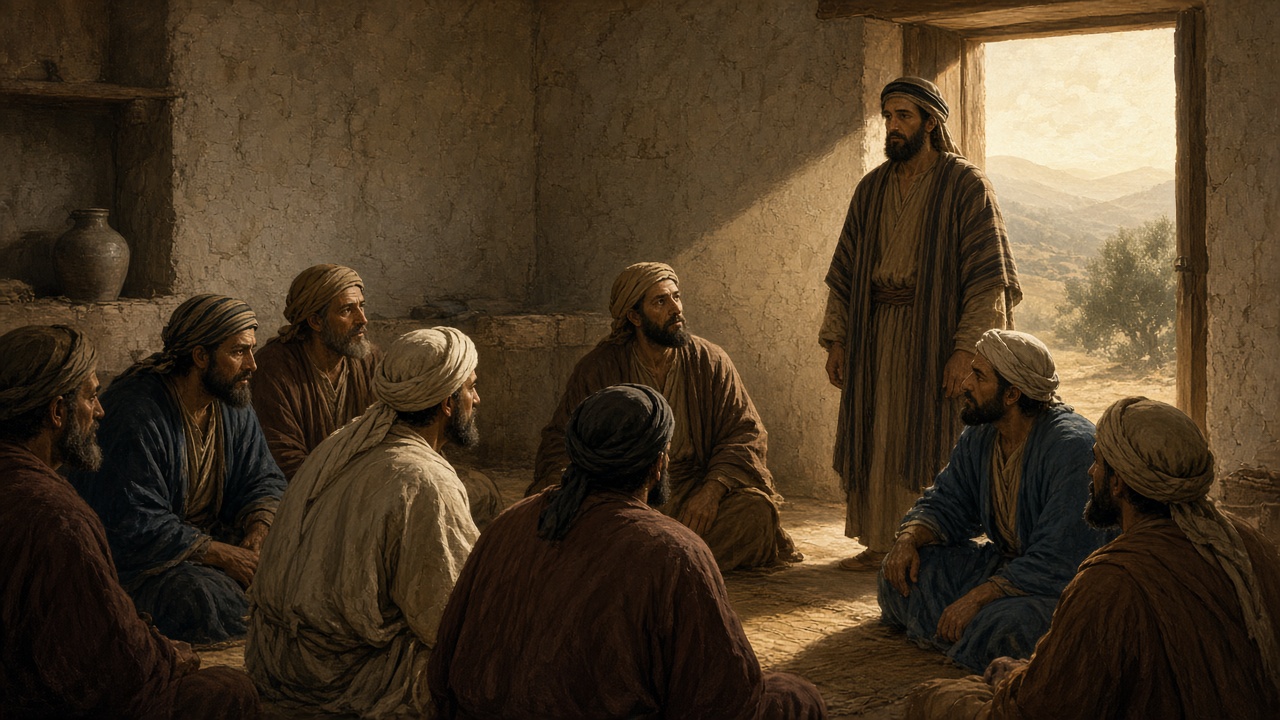
Did you know?
Letters, Presence, and Warfare Not of This World
- Some people measured Paul by appearances and by his speech. They granted that his letters were weighty and forceful, yet called his physical presence unimpressive and his speaking of no account. He replies that what he is in his letters when away, he will be in his actions when he is present.Sources: the Bible text itself
- He casts the conflict in military terms, but not as an ordinary fight. Living in the flesh, he says, does not mean waging war according to the flesh. The weapons he claims are not the world's; they have divine power to pull down strongholds, to dismantle arguments and every presumption set against the knowledge of God, and to bring every thought into obedience to Christ.Sources: the Bible text itself
- Paul will not boast beyond the field of influence God has assigned him, a field that already includes his readers, since he was the first to reach them with the gospel of Christ. Anyone who boasts, he says, should boast in the Lord; approval belongs not to the one who commends himself, but to the one whom the Lord commends.Sources: the Bible text itself
Notes written with AI assistance from open sources (Theographic Bible Metadata, CC BY-SA 4.0; Easton’s Bible Dictionary, public domain) and reviewed before publishing.
Places in this chapter
- Corinth · 37.906, 22.879 · verse 14
Only places identified with high confidence are shown (90% or more according to the scholarly sources compiled by OpenBible). Period map: DARE (Digital Atlas of the Roman Empire), CC BY 4.0; modern map: © OpenStreetMap contributors; places: OpenBible.info (CC BY 4.0).
Credits and license for this translation
Yesu Kerisoné So Whi̧ Tao Sere Kisi Fo Wisi
The New Testament in the Falopa Language of Papua New Guinea
copyright © 2005 Wycliffe Bible Translators, Inc.
Language: (Folopa)
This translation is made available to you under the terms of the
Creative Commons Attribution-No Derivatives license 4.0.
You may share and redistribute this Bible translation or extracts from it in any format, provided that:
You include the above copyright and source information.
You do not make any derivative works that change any of the actual words or punctuation of the Scriptures.
Pictures included with Scriptures and other documents on this site are licensed just for use with those Scriptures and documents.
For other uses, please contact the respective copyright owners.
2009-10-31
Source: http://png.bible/ppo/ · eBible.org