1 Thessalonians 4
Yesu Kerisoné So Whi̧ Tao Sere Kisi Fo Wisi · Tap a verse to see its cross-references.
Kótóné da̧ betere ala kilitu, a̧ hȩkeseyó̧póló etéró betae yóló dere ma fo
1Norape-ó, da̧né dia̧paae kemeróturaalu dere fo i ape. Kótóné keletómó wisirapó yó̧póló, etéró betae yóló take da̧né dia̧paae yó mótu betalepó. Ai yale fo mo dapóló diaao̧ wosóló eraté ai wou betere ape. Da̧ fea Tale Yesu tua̧mó bitu, ai du betere alatóró fakerae yóló, mió da̧né dia̧ ketekȩ bulatere fo i dere ape. 2Ti noa betené meipó. Tale Yesuné fea ala amatóró su̧mó tȩteróló kaae taru, da̧paae erae depa, da̧némo dia̧paae i ala yae yóló, yó mótu betale forape diaao̧ ai tuȩ́re ape.
3Atéreteiné, dia̧ fea dowi ala mo beta̧kélé muni, mo kae so whi̧ beteró̧póló Kótóné ama kisipa mutu beterapó. Térené, whi̧né so o̧lémi nokole alakélé, soné whi̧ o̧lémi nokole alakélé, dia̧paae yao̧se yóló dapó. 4Térapa, dia̧né kisipa tiki séle séle wisiyóló tȩteróló kaae tare ala mo so whi̧nékélé, Kótónékélé kilituraalu, mo kae beteró betere so whi̧ beterapóló dukiró̧póló dia̧né tó tiki diaao̧tei wisiyóló kaae tawae. 5Kótó tuȩ́ni, mo ha̧le betere so whi̧né, au nóló o̧lémi naairaalu ekȩle dere ala kaae yao̧se. 6Ti atéró o̧lémi nuku betere alata, me whi̧né kelaalomeipóló kinóló naao no o̧lémi nó matere ala mo yao̧se. Atei dowi ala deremó, Talené doasi kwia melaalopó. Téyao̧sóró, atei kaae ala momókó yao̧se yóló, take da̧né dia̧ kisipa mulóló ma fo ai yale ape. 7Ti noatepae, wisi alaró dowi alatamo hosekéyóló beteró̧póló Kótóné da̧ a̧ beterepaae ape fo ini, mo ama kae so whi̧ beteró̧póló ape yalepó. 8Térapa, whi̧ me denétamo i du betere ma fo woseni nisiyóló hó̧rótu betepa, ti mo whi̧né dere fo hó̧rótumitei, dia̧ Dȩi Kepe Wisi mótu betere Kótóné fotei hó̧rótu beterapó.
9Téró, diaao̧ mo notamo dere kaae hȩkesené sinóló yaala sókó fu betere ala yó̧póló, Kótónétei yó male ala dia̧né kisiparapó. Atérené da̧né dia̧paae me noa fo kae asȩ yaalomeipó. 10Ti aita, mo dapó. Masedonia hae kwiamó betó mole Keriso norapepaae diaao̧ yaala sókó fu beterapó. Tépatei, ai ala mo ti fakerae yóló da̧né dia̧ ketekȩ bulatere fo i dere ape.
11Diaao̧ betere doko̧ du betere ala fea mo ha̧le betere whi̧rapené kilituraalu, atimané i du betere alata, mo wisirapó fo yó̧póló yae. Diaao̧ ya̧ya̧tu betere o̧la me whi̧né meló̧pólópó yóló dekayóló ha̧le bitini, dia̧ mo dua bitu kae depe tukó wei ala du betae. Da̧né dia̧paae yae yóló, yó male alatóróti sya fóló mené yaaire alamó kisipa muni, diaao̧ yaaire ala beta̧ kisipa muóló du betae.
Tale wouraalu yaaire alamó ere fo
13Norape-ó, suka̧le so whi̧ atima neté yaalorópó yóló, ko̧ló ko̧ló du betao̧sóró, dia̧paae i dapa wosae. Take waaire alimó mo wisi ala kelaalopó yóló kisipa muóló, hai̧né sukutu betae. Mo so whi̧ ai ala kisipa muniru, doa dekȩné sini molótu dere kaae, diaao̧kélé yao̧sóró kisipa mutu dapó. Ti atimané wole dere alata, ama kaepó. 14Yesu mo ti suka̧letei, momó kepaayóló beterapó dere fo da̧né woseturaalu, tuȩ́ tiki tiró beterapó. Atéreteiné, mepaae Yesuné ala tua̧mó betepa, sukutere so whi̧kélé, Yesutamo beta̧mó Kótóné dapesó waalopó ere fomó da̧ kisipa tiki tiró beterapó. 15Talené da̧paae i ala eraalopóló ere fo da̧némo dia̧paae i dapa wosae. Tale waaire be dȩ teópatei, sinale so whi̧ taaróló, da̧ sukuni ha̧le betó mole so whi̧rapepi folosóró faalomeipó. 16Ti noatepae, Tale a̧tóróti ó hepen be taaróló dorowouraalu, i ala yae yóló fo fakeyóló yóo, doasi topo ensel-né fo yóo, Kótóné ukulumó wuti haletere ala yóo, yaalopó. Ai ala deremó, Keriso beteró sinale so whi̧pi turukó holaalo ai ape. 17Atéyale sisópaae ti da̧ sukuni ha̧le betó mole so whi̧ tokó̧ sóró, sa̧ko tua̧mó atima sinale so whi̧tamo hokolaayóló, fea touyóló huturaalu, ha̧le tó tua̧mómo Taletamo hokolaa yaalopó. Atéró holóló, suka fea da̧ Taletamo beta̧mó mo titóró betó tawaalopó. 18Atéyaalopa, i dere foné, dia̧ fotoko̧ butere ala yó̧póló dia̧sisitei u yó mótu i yó mótu du betae.
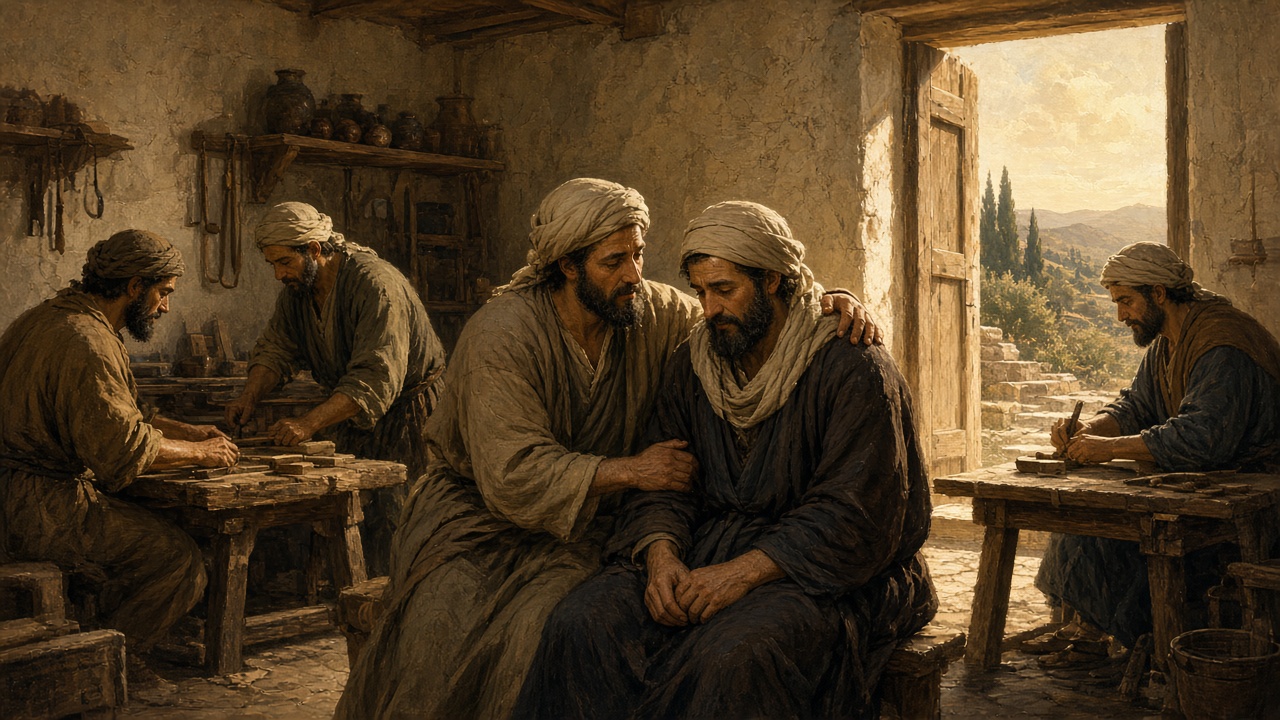
Did you know?
Holiness, Love, and Hope for the Dead
- This chapter notes that its readers were already showing love to all the brothers throughout Macedonia. In New Testament times Macedonia was a Roman province lying north of Greece, governed by a propraetor with the title of proconsul. Paul was summoned by a vision of the "man of Macedonia" to preach the gospel there.Sources: the Bible text itself · Macedonia
- The chapter speaks of the dead as people who sleep or have fallen asleep, and it asks the readers not to grieve like the rest, who have no hope. Because Jesus died and rose again, it says, God will bring with Jesus those who have fallen asleep in him; the dead in Christ will rise first, and then those still alive will be caught up with them in the clouds to meet the Lord in the air.Sources: the Bible text itself
- The readers are urged to aspire to a quiet life, to attend to their own matters, and to work with their own hands, as they had already been instructed. The chapter presents this as the way to behave properly toward outsiders and to avoid being dependent on anyone.Sources: the Bible text itself
Notes written with AI assistance from open sources (Theographic Bible Metadata, CC BY-SA 4.0; Easton’s Bible Dictionary, public domain) and reviewed before publishing.
Places in this chapter
- Macedonia · 41.600, 22.540 · verse 10
Only places identified with high confidence are shown (90% or more according to the scholarly sources compiled by OpenBible). Period map: DARE (Digital Atlas of the Roman Empire), CC BY 4.0; modern map: © OpenStreetMap contributors; places: OpenBible.info (CC BY 4.0).
Credits and license for this translation
Yesu Kerisoné So Whi̧ Tao Sere Kisi Fo Wisi
The New Testament in the Falopa Language of Papua New Guinea
copyright © 2005 Wycliffe Bible Translators, Inc.
Language: (Folopa)
This translation is made available to you under the terms of the
Creative Commons Attribution-No Derivatives license 4.0.
You may share and redistribute this Bible translation or extracts from it in any format, provided that:
You include the above copyright and source information.
You do not make any derivative works that change any of the actual words or punctuation of the Scriptures.
Pictures included with Scriptures and other documents on this site are licensed just for use with those Scriptures and documents.
For other uses, please contact the respective copyright owners.
2009-10-31
Source: http://png.bible/ppo/ · eBible.org