1 Corinthians 2
Yesu Kerisoné So Whi̧ Tao Sere Kisi Fo Wisi · Tap a verse to see its cross-references.
1Norape-ó, ȩ dia̧ beterepaae wóló, Kótó a̧ etei kaae Tale beterapóló dia̧paae yó móturaalu, whi̧né wosóló feléyó̧póló ya̧lo fosó fosói foné ó fosó fosóre kisipané inipó. 2Ti noatepae, ȩ dia̧tamo betale sukamó mepaae ala ya̧lo kisipané enépatei, me ala kisipa inire whi̧ ao̧yóló beterepó. Atéru, Yesu Keriso beta̧ etei kaae whi̧póló ere foró a̧ filipaa ni tómó suka̧le fotamo beta̧tóró, yó melaai kisipa mualepó. 3Ȩ dia̧tamo wóló betale sukamó, béyóló ota̧alere alakélé, witere alakélé iruraalu, diri furu furutamo Talené fo yó mótu betalepó. 4Talené fo wisi yó móturaalu, so whi̧né wosóló felérapó yó̧póló, ya̧lo fosó fosói kisiparó fotamoné yó menipó. Téni, Dȩi Kepe Wisiné fotoko̧né erótu betere ala diaao̧ ha̧keamó koló̧póló, ya̧lo ha̧le yó beta̧ mótu betalepó. 5Ti aita, dia̧ mo whi̧né fosó fosóre alapaae tuȩ́ tiki tiréni, Kótóné fotoko̧né erótu betere alapaae beta̧ kisipa tiró̧póló yalepó.
Dȩi Kepe Wisiné matere fosó fosói kisipa
6Tépatei, Kótóné ama bete mole mo fo wisi da̧ dirii kisipa mole so whi̧paae yó matepa woseturaalu, ita mo fosó fosói fo wisipó du beterapó. Da̧né ai yó mótu betere fota, mió i alimó betere whi̧ ó atima tȩteróló kaae tare topo whi̧rapené dere fosó fosói fo kaae meipó. Ti ai whi̧raperó atimané du betere alatamota, mo ha̧le o̧la kaae alée fu beterapó. 7Da̧né atei kaae fo mo yó meni, Kótóné kinóló mole fosó fosói fo beta̧ yó mótu beterapó. Ti ai fota, da̧ Kótóné ama kae ere dȩ tua̧mó beteró̧póló, mo take sa̧ró haetamo kaaraaipatei, mo so whi̧né kelao̧sóró kinóló munélipakalepó. Tépatei ai ala da̧paae mo eraalopó. 8Mió i alimó betó mole so whi̧ tȩteróló kaae tare topo whi̧rapené, ai kinóló mole fosó fosói ala mo kisipanipó. Ai alatamo atimané tuȩ́ ua̧sóró, ti Kótóné ama kae ere dȩ wisinaale fa̧ane Tale a̧ filipaa ni tómó olerólua̧meipó. 9Tépatei, i fo asȩyóló muló beterapó.
“Kótóné a̧paae yaala sókó fu betere so whi̧paae eraaire ala ama ta leróló muló beteretei, beta̧ whi̧né kelenékélé kolóo, wosȩ́linékélé wosóo, hosaa tua̧mókélé mulóo mo inipó,” erapó.
10Atépatei, ai kinóló mole alarape da̧né koló̧póló, Kótóné da̧ tua̧mó beteró betere Dȩi Kepe Wisiné ha̧kearalepó.
Téturaalu, so whi̧né hosaa tua̧mó mole ala taleyóló, Kótóné ama mo apaae derepale fo bete mo whi̧né fosó fosóre alané tuȩ́ enénipa, Dȩi Kepe Wisinétei ai kinó betere alarape bete tokó̧ló ha̧kearótua dapó. 11Ti noatepae, me whi̧né mole tuȩ́ tiki né kelere? Ai whi̧né ama kepené beta̧ tuȩ́rapó. Atére kaaetóró, Kótóné mole kisipakélé me whi̧né tuȩ́ni, ama Kepené beta̧ kisiparapó. 12Talené da̧ matepa sale Kepeta, i haemó betere kepe mei, Kótóné hamokoróló ha̧le matere ala wisi da̧né kisipa yó̧póló, ama dotȩyale Kepetóró da̧né salepó. 13Ti da̧né i du betere fota, mo whi̧né yó male fosó fosóre kisipané dumitei, Kótóné Dȩi Kepe Wisiné da̧paae yó matepa, da̧némo dia̧paae i dere ape. Dȩi Kepe Wisiné erótu betere ala yó móturaalu, ama da̧paae etéró yó melae dere fotóró sya fóló, i du betere ape. 14Kale Dȩi Kepe Wisi bitinire whi̧né, ti Kótóné Kepené yó matere fo mo dapóló wosetumipó. Ti noatepae, ai fo bete Dȩi Kepe Wisiné yó matepa, ti su̧mó kisipanérapó. Kepe Wisi bitinire whi̧né ai fo wisi ha̧le ho̧ko fo nisiyóló, bete wisiyóló kisipanénipó. 15Kale Dȩi Kepe Wisi betere whi̧né ti fea ala ama su̧mó taleyóló kisipanérapó. Tépatei, ai Kepe Wisi betere whi̧né ama dere ala me whi̧né a̧ taleyóló só deranénipó. 16Etei kaae fo erapó.
“Mé whi̧ Talené ama kisipa kaae muluraalu, a̧paae naao kisipa mole alarape i ape yóló, a̧ yó manéré?” erapó.
Tépatei, Talené sóró beteró betere whi̧ Kerisoné mole kisipa da̧ tua̧mókélé mulapó.
Did you know?
Christ crucified and the Spirit's wisdom
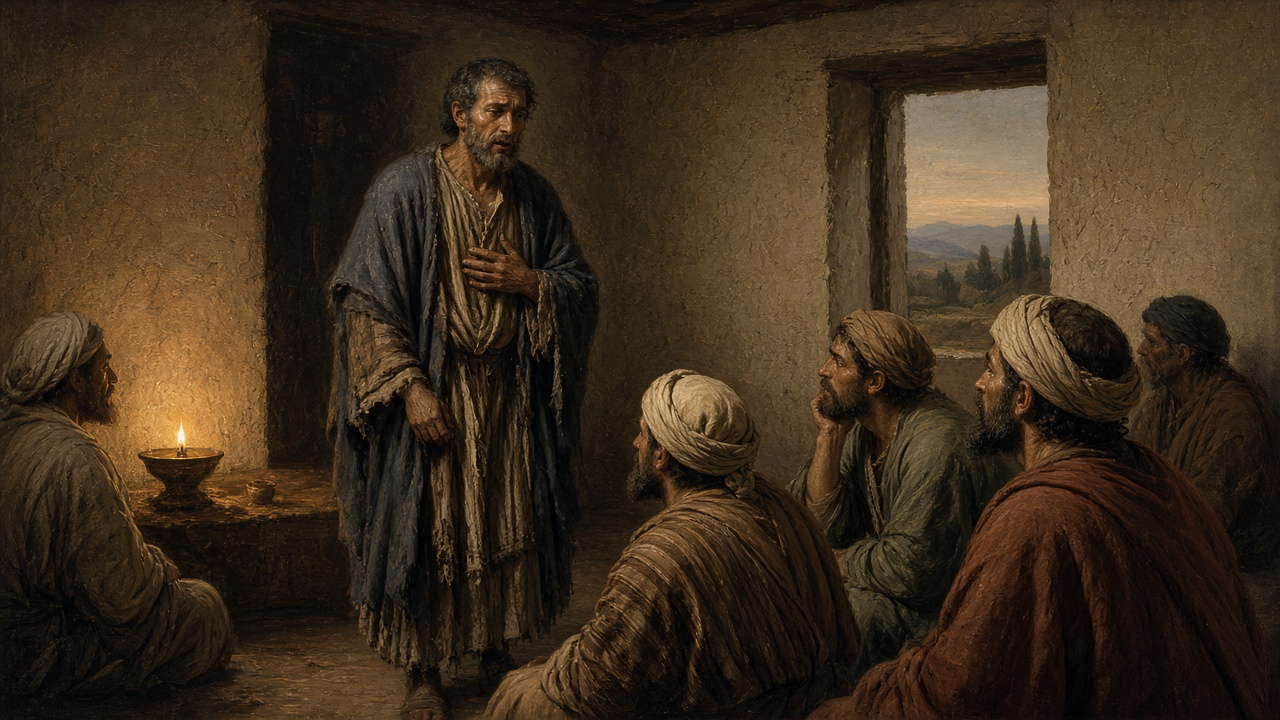
- The writer says he did not come with eloquence or wisdom when he proclaimed the testimony about God. He had resolved to know nothing while he was with them except Jesus Christ and him crucified, and he came in weakness, fear, and much trembling, so their faith would rest on God's power rather than on human wisdom.Sources: the Bible text itself
- The wisdom spoken among the mature is not the wisdom of this age or of its rulers, who are coming to nothing. It is called God's mysterious, hidden wisdom, destined for glory before time began; those rulers did not understand it, or they would not have crucified the Lord of glory.Sources: the Bible text itself
- The chapter says God has revealed by the Spirit what lies beyond human sight, hearing, and imagination. Only a person's own spirit knows that person's thoughts, and only the Spirit of God knows God's thoughts. The natural person does not accept what comes from the Spirit, treats it as foolishness, and cannot understand it, because it is spiritually discerned.Sources: the Bible text itself
Notes written with AI assistance from open sources (Theographic Bible Metadata, CC BY-SA 4.0; Easton’s Bible Dictionary, public domain) and reviewed before publishing.
Credits and license for this translation
Yesu Kerisoné So Whi̧ Tao Sere Kisi Fo Wisi
The New Testament in the Falopa Language of Papua New Guinea
copyright © 2005 Wycliffe Bible Translators, Inc.
Language: (Folopa)
This translation is made available to you under the terms of the
Creative Commons Attribution-No Derivatives license 4.0.
You may share and redistribute this Bible translation or extracts from it in any format, provided that:
You include the above copyright and source information.
You do not make any derivative works that change any of the actual words or punctuation of the Scriptures.
Pictures included with Scriptures and other documents on this site are licensed just for use with those Scriptures and documents.
For other uses, please contact the respective copyright owners.
2009-10-31
Source: http://png.bible/ppo/ · eBible.org