Proverbs 1
Biblica® Open Nova Bíblia Viva 2007 · Tap a verse to see its cross-references.
About this book
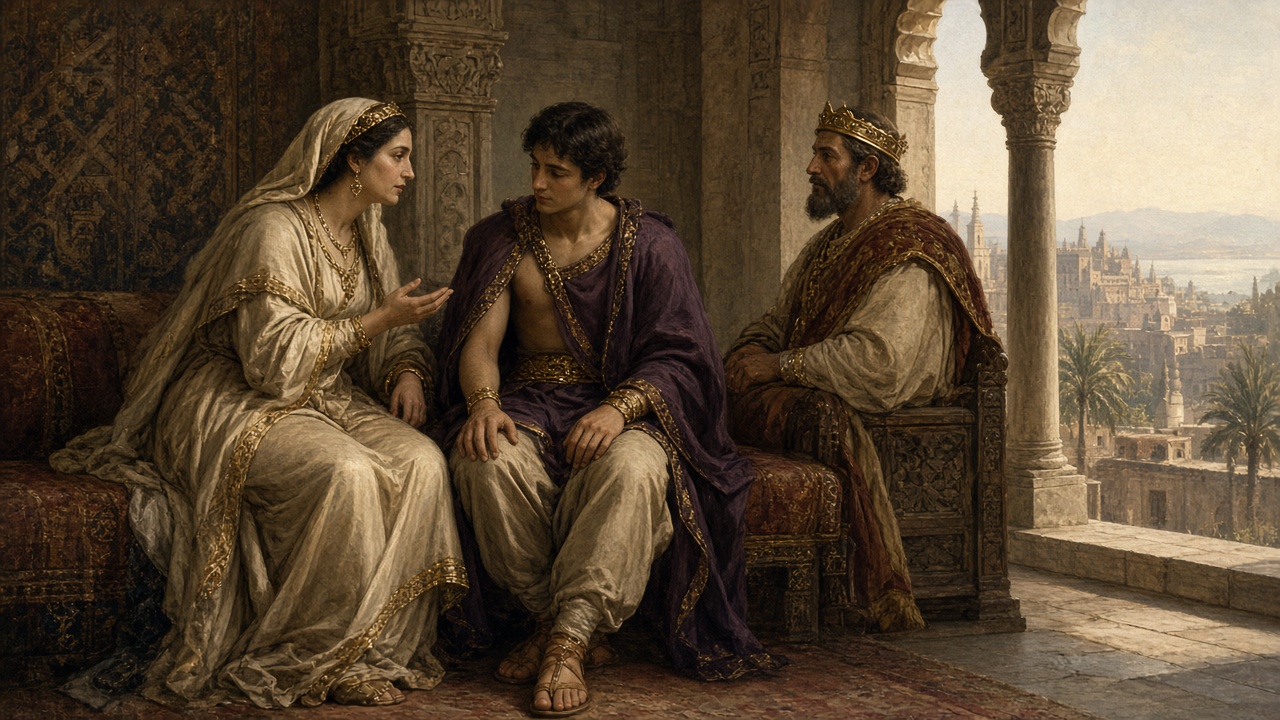
About Proverbs
- Easton's Bible Dictionary (1897) describes Proverbs as a collection of moral and philosophical maxims on a wide range of subjects, presented in poetic form. It considers it probable that Solomon gathered and recast many proverbs from human experience in earlier ages and also formed new ones from his own experience, and that some of his later sayings were gathered by other hands toward the end of the book. Solomon is said to have written three thousand proverbs, and those in this book may be a selection from them.Sources: Easton: Proverbs, Book of
- The entry on Solomon calls him Shelomoh, “peaceful,” David’s son by Bathsheba, who succeeded his father as king; his history is recorded in 1 Kings 1–11 and 2 Chronicles 1–9. A later setting also appears in the book: chapters 25–29 are proverbs of Solomon which the men of Hezekiah, king of Judah, collected, and the entry on Hezekiah gives his reign as twenty-nine years, 726–697 B.C.Sources: Solomon · Easton: Proverbs, Book of · Hezekiah
- Easton's Bible Dictionary (1897) usually divides the book into three parts: chapters 1–9, an exhibition of wisdom as the highest good; chapters 10–24; and chapters 25–29. Two supplements follow: “The words of Agur” (chapter 30) and “The words of king Lemuel” (chapter 31). The dictionary describes the work as a “philosophy of practical life” and stresses the value of intelligence, prudence, a good education, and a careful view of the finer shades of human character.Sources: Easton: Proverbs, Book of
- Agur, explained as “gatherer” or “the collector,” is named as the author of the sayings in chapter 30; nothing further is known of him, and Jakeh is named as his father. Lemuel, “dedicated to God,” is a king whom his mother instructed in Proverbs 31:1–9; nothing is certainly known of him, though the rabbis identified him with Solomon. Ucal is named as a person to whom Agur’s words are addressed.Sources: Agur · Jakeh · Lemuel · Ucal
- Easton's Bible Dictionary (1897) notes that the New Testament contains thirty-five direct quotations from this book or allusions to it.Sources: Easton: Proverbs, Book of
Notes written with AI assistance from open sources (Theographic Bible Metadata, CC BY-SA 4.0; Easton’s Bible Dictionary, public domain) and reviewed before publishing.
O princípio do conhecimento
1Estes são os provérbios de Salomão, rei de Israel, filho de Davi, 2escritos para se conhecer a sabedoria e a instrução; para compreender as palavras que dão entendimento; 3que nos ensinam a viver de maneira inteligente e disciplinada, fazendo o que é justo, correto e honesto.
4Esses provérbios ajudarão uma pessoa inexperiente a alcançar prudência e os jovens a enfrentar com bom senso os problemas da vida.
5Ouça o sábio e crescerá em prudência; o homem experiente obterá orientação 6para compreender os provérbios e as parábolas, os ditados e enigmas dos sábios.
7Mas como um homem se torna sábio? Em primeiro lugar, temendo o Senhor. Somente os tolos desprezam a sabedoria e a instrução.
A sedução dos pecadores
8Por isso, meu filho, ouça a instrução de seu pai e nunca deixe de lado o ensino de sua mãe.
9Eles serão como um enfeite na sua cabeça e um adorno no seu pescoço.
10Meu filho, quando os maus quiserem enganá-lo com mentiras, não permita que isso aconteça.
11Se fizerem este convite: “Venha fazer parte de nosso bando! Vamos nos divertir atacando de surpresa alguém que de nada suspeita e vamos matá-lo! 12Vamos acabar com a vida do inocente; vamos engoli-lo vivo, como a sepultura que engole os mortos de uma vez para sempre; 13conseguiremos riquezas de toda espécie e encheremos as nossas casas com o que roubarmos; 14venha fazer parte de nosso bando; tudo que ganharmos será dividido em partes iguais!”
15Não siga o caminho dessa gente, meu filho! Fique longe deles, 16pois a inclinação natural deles é para a maldade; pensam somente em derramar sangue.
17Quando o pássaro vê o caçador montar a armadilha, é inútil montá-la.
18Esses homens não percebem que montam armadilhas contra suas próprias vidas; eles planejam a sua própria destruição!
19Esse é o destino de todos os que são dominados pelo desejo de possuir riquezas. Essa ambição acaba destruindo quem assim procede.
O clamor da sabedoria
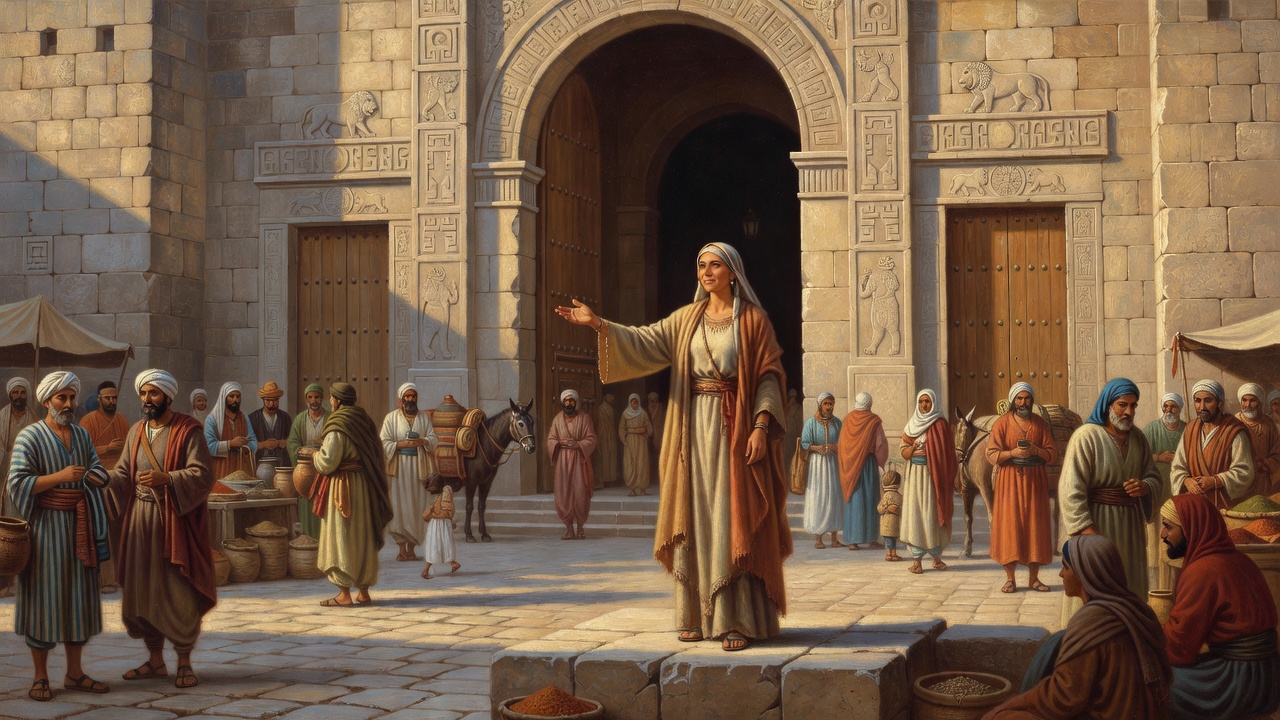
20A sabedoria anda pelas ruas e praças, gritando em alta voz e querendo ser ouvida; 21fala para o povo nas ruas, para nas portas da cidade:
22“Até quando vocês vão viver como tolos? E vocês, que zombam e fazem pouco caso de mim, até quando terão prazer na zombaria? Tolos, até quando desprezarão o conhecimento? 23Ouçam: Se aceitarem a minha correção, eu derramarei o meu espírito de sabedoria sobre vocês e lhes mostrarei o meu plano para suas vidas. 24Eu já chamei tantas vezes, e vocês recusaram! Estendi a mão, convidando, mas ninguém me deu importância. 25Vocês não deram valor aos meus conselhos e não aceitaram a minha repreensão. 26Por isso, quando chegarem os dias do seu sofrimento, os dias do medo e da tristeza, eu vou rir e zombar de vocês. 27Quando aquilo que temem ocorrer com vocês como uma tempestade, quando a desgraça cair sobre vocês como um furacão, quando vocês estiverem sufocados pela angústia e dor, 28então vocês me chamarão, mas não responderei. Tentarão me achar, mas não me encontrarão.
29“Sabem por que isso vai acontecer? Porque vocês desprezaram o conhecimento e se recusaram a temer o Senhor. 30Vocês não deram valor aos meus conselhos e acharam que a minha repreensão era inútil. 31Por isso, vocês comerão os frutos amargos de sua desobediência e se fartarão dos seus próprios conselhos. 32Vocês morrerão porque se afastaram de mim. Tolos! Vocês pensavam que tudo estava bem enquanto caminhavam passo a passo para a destruição. 33Quem me ouvir e obedecer viverá em paz e segurança, sem ter medo do mal”.
Did you know?
The Beginning of Wisdom
- The opening of Proverbs attributes the collection to Solomon, son of David and king of Israel, establishing that the fear of the LORD is the beginning of knowledge.Sources: the Bible text itself · Solomon
- The chapter emphasizes the joint role of parental instruction, describing the teaching of both father and mother as an ornamental garland and pendant for a youth.Sources: the Bible text itself
- Wisdom is personified as a woman crying aloud in prominent public spaces—the streets, broad squares, and city gates—calling the simple and scoffers to turn from destructive paths.Sources: the Bible text itself
Notes written with AI assistance from open sources (Theographic Bible Metadata, CC BY-SA 4.0; Easton’s Bible Dictionary, public domain) and reviewed before publishing.
Credits and license for this translation
Biblica® Open Nova Bíblia Viva 2007
Portuguese: Biblica® Open Nova Bíblia Viva 2007 (Bible)
copyright © 2007, 2010 Biblica, Inc.
Language: Português
Dialect: Brazil
Contributor: Biblica, Inc.
Biblica® Open Nova Bíblia Viva™
Copyright © 2007, 2010 by Biblica, Inc.
“Biblica” é uma marca registrada na Oficina de Patentes e Marcas dos Estados Unidos por Biblica, Inc. Usado com permissão.
“Biblica” is a trademark registered in the United States Patent and Trademark Office by Biblica, Inc. Used with permission.
――――――
Creative Commons license
This work is made available under the Creative Commons Attribution-ShareAlike 4.0 International License (CC BY-SA). To view a copy of this license, visit https://creativecommons.org/licenses/by-sa/4.0 or send a letter to Creative Commons, PO Box 1866, Mountain View, CA 94042, USA.
You have permission to copy and distribute this Work, as long as you do not change it and you keep the title as it is. Changing or translating this Work will create a derivative work. When you publish this derivative work, you must list what changes you have made where people can see them, such as on a website. You must also show where the original Work is from: “The original Work by its copyright holders is available for free at www.biblica.com and open.bible .”
Notice of copyright must appear on the title or copyright page of the work as follows:
Biblica® Open Nova Bíblia Viva™
Copyright © 2007, 2010 by Biblica, Inc.
“Biblica” é uma marca registrada na Oficina de Patentes e Marcas dos Estados Unidos por Biblica, Inc. Usado com permissão.
“Biblica” is a trademark registered in the United States Patent and Trademark Office by Biblica, Inc. Used with permission.
You must also make your derivative work available under the same license (CC BY-SA).
If you would like to notify Biblica, Inc. regarding your translation of this work, please contact us at https://open.bible/#feedback .
This translation is made available to you under the terms of the
Creative Commons Attribution Share-Alike license 4.0.
You have permission to share and redistribute this Bible translation in any format and to make reasonable revisions and adaptations of this translation, provided that:
You include the above copyright and source information.
If you make any changes to the text, you must indicate that you did so in a way that makes it clear that the original licensor is not necessarily endorsing your changes.
If you redistribute this text, you must distribute your contributions under the same license as the original.
Pictures included with Scriptures and other documents on this site are licensed just for use with those Scriptures and documents.
For other uses, please contact the respective copyright owners.
Note that in addition to the rules above, revising and adapting God's Word involves a great responsibility to be true to God's Word. See Revelation 22:18-19.
2025-05-20
Section headings adapted from the Berean Standard Bible (public domain); they are not part of this translation’s text.
Source: http://ebible.org/poronbv/ · eBible.org