Psalms 32
Na Rongorongo Uto nina Jesus Christ · Tap a verse to see its cross-references.
1Ke togotogo gaia te talu kehai nina vaghivaghiliu
na paluna tara talu kehai me ke mua righighi
2Eo, ma Lord God te vautora,
te mua idumi olighi didira na hahi,
me kabu maemane tana volana.
3Tana bona tu mua liona ge ku tughunitatei na palugu;
u labe me dikahaghiniu ge u mua laga tana dani udolu.
4Tana dani mana bongi na mavana na limamu
te neu ga tughu na volagu,
na lagagu te vogha na beti te obo keha
tana bona te paraa na papara ni hiua.
5Mana sosoko ke, ku lughuni tatei vanigho
na lei palugu mu ku bei poloi gea,
mu bosa vaniu heghegu,
“Ku tughunitatei nigua na vaghivaghiliu vania Lord.”
Mo ko talu kehai vaniu. Nigua hahi ke tara tona keha tua.
6Keri ke, rana maemane kara tughunitatei didira na vaghivaghiliu te ghana mua na bona ni aho ge kara bei lulumu gea tana tave ni dete kasila.
7Ighoe nigua na bona ni polo,
mo righi taoniu tana bona ni gunaguna.
me talu koluu nia na linge ni lagavule.
8Inau ku huligho tana halautu te uto nia na volamu,
e ghaghua Lord,
Ku kokoe hahanga mu ku righitaonigho
9Ko bei vagha gea na horse pana polo pule
te liona na alo tara tongoa nia na mangana
ge ke taghaoa ta nina sakutua.
10Nigua na dikalio tadira tara labe, mana dolo
te talighutira tara varava tatana Lord.
11Kau rivurivu ma kau togotogo talana Lord
Ighau tau taonia, ma kau nia ghaeghahe dato
nia na toba te marabu.
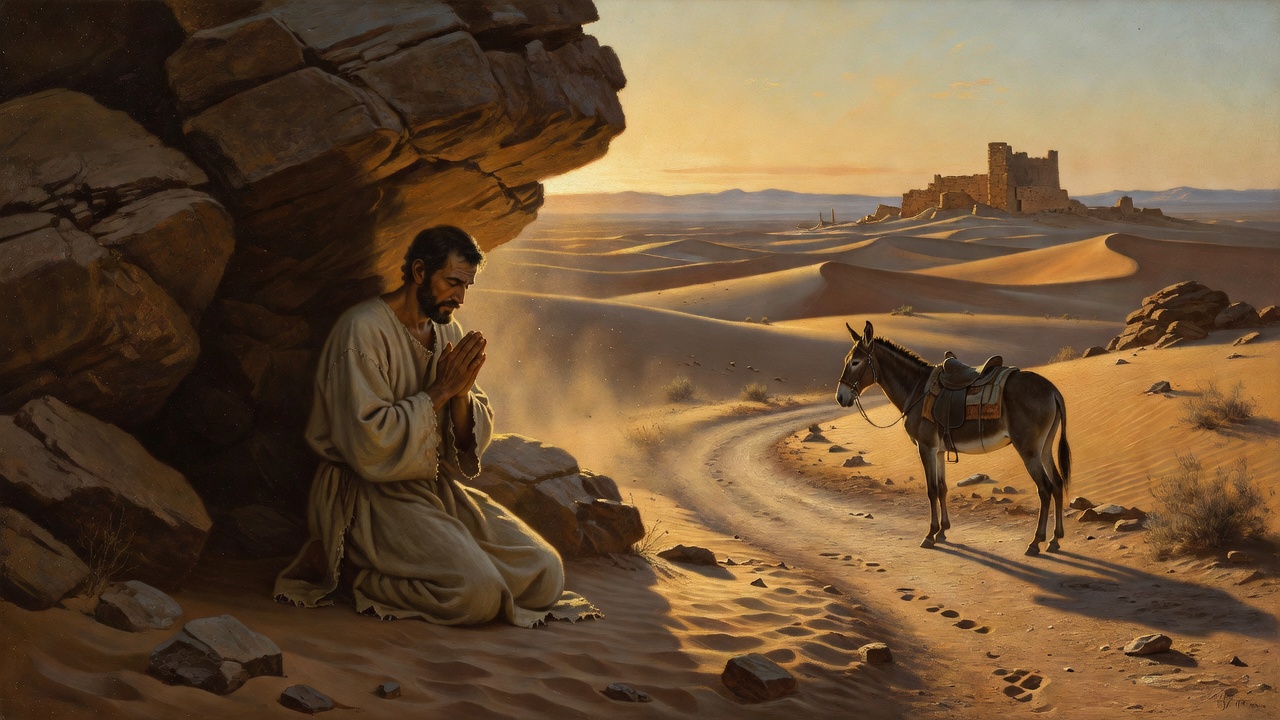
Did you know?
The Joy of Forgiveness and Guidance
- The psalm opens with the title designating it as a Maskil of David, a term traditionally associated with an instructional or contemplative song, reflecting on the contrast between the distress of hidden sin and the blessing of forgiveness.Sources: the Bible text itself
- The Hebrew term Selah appears three times in this psalm (verses 4, 5, and 7), commonly interpreted as a musical pause or a moment for reflection during the recitation of the text.Sources: the Bible text itself
- The psalm uses the imagery of working animals, contrasting the willing follower of divine counsel with stubborn horses and mules that require a bit and bridle to be guided.Sources: the Bible text itself
Notes written with AI assistance from open sources (Theographic Bible Metadata, CC BY-SA 4.0; Easton’s Bible Dictionary, public domain) and reviewed before publishing.
Credits and license for this translation
Na Rongorongo Uto nina Jesus Christ
Portions of the Holy Bible in the Gela language of the Solomon Islands
Baebol long langguis Gela
copyright © 2015 Wycliffe Bible Translators, Inc.
Language: Gela
This translation is made available to you under the terms of the
Creative Commons Attribution-Noncommercial-No Derivatives license 4.0.
You may share and redistribute this Bible translation or extracts from it in any format, provided that:
You include the above copyright and source information.
You do not sell this work for a profit.
You do not change any of the words or punctuation of the Scriptures.
Pictures included with Scriptures and other documents on this site are licensed just for use with those Scriptures and documents.
For other uses, please contact the respective copyright owners.
2021-11-30
Source: http://ebible.org/nlg/ · eBible.org