Malachi 4
Na Rongorongo Uto nina Jesus Christ · Tap a verse to see its cross-references.
Na bongi ni dete te sara mai
1Ma Yahweh puku ni maana te ghaghua, “Na bongi ni dete te sara mai, ma gaira udolu rana tinoni talunagho mana vure dika kara kerera tana lake vaghara na buburu mamaha. Mi tana dani vaghana tua keri, [kara] ghani taghalaghinira, me taho siki totobo itadira ke ghanaolia. 2Hauva, ma vanighau ighau tau taoniu mau talumavaa na ahagu, [ahei ke hola na maemane/nigua na vavola] ke dato mai itamiu vagha na aho, ge ke va mavoghau me ke pilupungisigahu. Mi ghau kau tatavahale makau togotogo vaghara na lei dale buluka tara sonihorura tana piludira. 3Mi tana bona keri, ighau kau lagavulera rana hahi. Ma gaira kara vaghara na pugupugu ni pari i sarana na marevomiu.
4“Kau ghanaghana olia nina na tarai nigua na tinoni lutu Moses, na lei vetena mana bosa papara tu vahea tana ghotu i Sinai vanira rana vure ni Israel ge kara taonighi.
5“Mi nagona na bongina Yahweh te mavaa me mamataghugha ke sara mai, inau ku diki nia vetena vanighau gatu a Elijah na prophet. 6Gaia ke liliu olighi mai na tobadira rana tamadira va tana lei daledira, maia ghua na tobadira rana gari pile itadira rana tamadira. Taho ke, muku ghoi mai gea muku hurakea na butonikomumiu.”
Did you know?
The Day of the Lord and the Promise of Elijah
- Malachi calls on Israel to remember the law given to Moses at Mount Horeb. Horeb is a biblical name for the mountainous range where Mount Sinai stands, the site where the Israelites encamped and received divine statutes and ordinances.Sources: the Bible text itself · Horeb · Moses
- The passage concludes with the promise that Elijah the prophet will be sent before the great Day of the Lord to reconcile parents and children. In the biblical narrative, Elijah was a prophet from Tishbe who delivered messages during the reign of King Ahab.Sources: the Bible text itself · Elijah
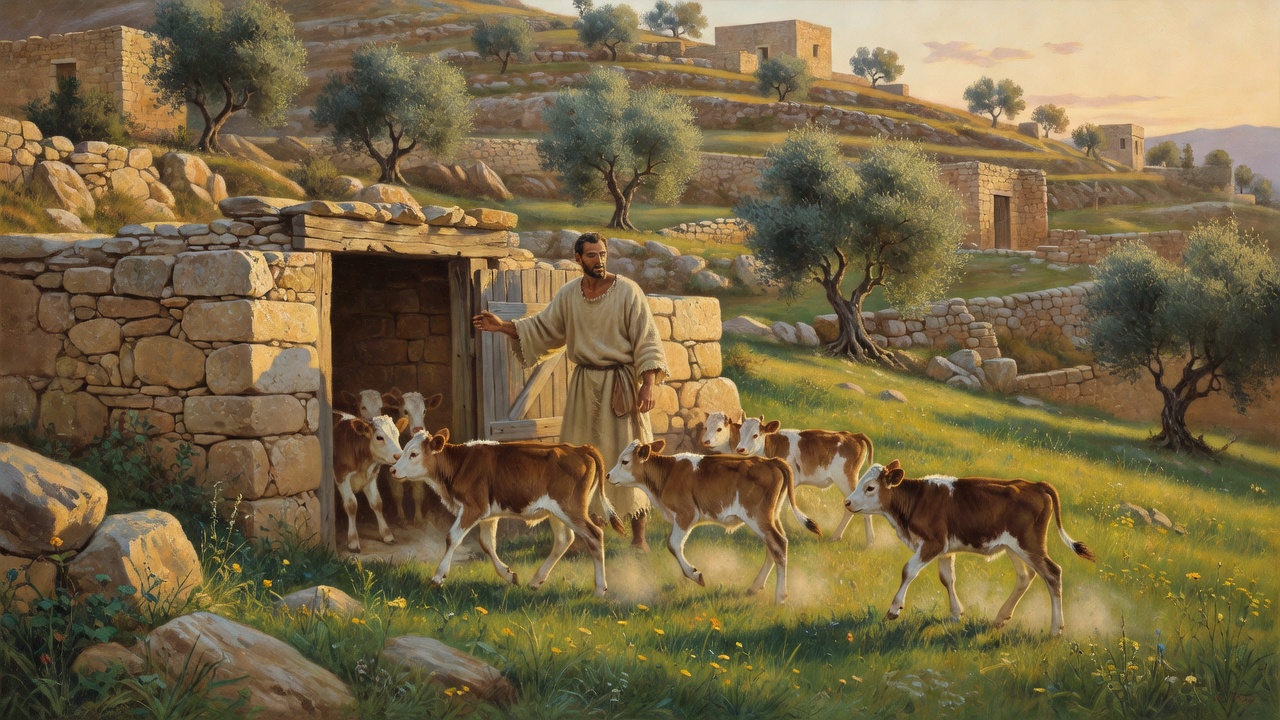
- Malachi uses vivid agricultural imagery to describe the coming judgment and restoration, contrasting evildoers reduced to dry stubble in a fire with the faithful, who are pictured leaping with joy like calves let out of a stall.Sources: the Bible text itself
Notes written with AI assistance from open sources (Theographic Bible Metadata, CC BY-SA 4.0; Easton’s Bible Dictionary, public domain) and reviewed before publishing.
Places in this chapter
- Mount Horeb · Today: Jebel Musa · 28.540, 33.973 · verse 4
Only places identified with high confidence are shown (90% or more according to the scholarly sources compiled by OpenBible). Period map: DARE (Digital Atlas of the Roman Empire), CC BY 4.0; modern map: © OpenStreetMap contributors; places: OpenBible.info (CC BY 4.0).
Credits and license for this translation
Na Rongorongo Uto nina Jesus Christ
Portions of the Holy Bible in the Gela language of the Solomon Islands
Baebol long langguis Gela
copyright © 2015 Wycliffe Bible Translators, Inc.
Language: Gela
This translation is made available to you under the terms of the
Creative Commons Attribution-Noncommercial-No Derivatives license 4.0.
You may share and redistribute this Bible translation or extracts from it in any format, provided that:
You include the above copyright and source information.
You do not sell this work for a profit.
You do not change any of the words or punctuation of the Scriptures.
Pictures included with Scriptures and other documents on this site are licensed just for use with those Scriptures and documents.
For other uses, please contact the respective copyright owners.
2021-11-30
Source: http://ebible.org/nlg/ · eBible.org