Exodus 9
Na Rongorongo Uto nina Jesus Christ · Tap a verse to see its cross-references.
Na maemate vanira na lei maumanu te kale
1Keri ge a Yahweh te bosa vania Moses, “Pulohi ta Pharaoh, mo ko bosa vania, ‘Aeni na hava te bosa a Yahweh na God didira rana Israel/Jew, “Lubatira nigua na vure ge kara tona ma kara tangomana na va holohabaagu. 2Ge toko nia tona haliu na hove pungisiadira tana lubatiadira, 3ku nia vetena mai na maemate te dika, ge ke dikalara lei nimiu na horse, donkey, camel, cattle, sheep, mana lei goat. 4Mu ku gonia na vilivoka ighobudira na lologho ni Israel/Jew, mana lologho ni Egypt. Taho siki sakai ta didira na maumanu na Israel/Jew ke mate! 5Mi nau, A Yahweh, tu bosa lada te vagha ku nia vetena mai na maemate tana roropoghana.” ’”
6Mi tana roropoghana, a Yahweh te goni kalea na hava te bosaa. Na lei maumanu soko ni Egypt tara mate tua, hauvaa taho siki sakai ta didira na maumanu na Israel/Jew te mate. 7Pharaoh te nira vetena nina tinoni ni lutu ge kara vaa righia, e utuni sughua te mua mate siki sakai didira na maumanu na vure ni Israel/Jew. Ma sakai vamua te vaa topoa na utuni iga, na tobana te sopou ni kutuvatu so, ma gaia te mua lubatira na vure ge kara tona.
Na maemate ni tubu te kale
8Keri ke, a Yahweh te bosa vanira Moses ma Aaron, “Ko lavia na ravu ni biti, mo ko vahea Moses ge ke sonidatoa tana oka, tana bona te bubu/righia a Pharaoh. 9Igeva ke kavulaha te vagha na pughu ni pari, me ke saopoa na komu/butonikomu udolu Egypt, ke nea na tubu ge ke kalera na vure mana maumanu ghua.”
10Ma gaira toro vahikolui na ravu ni biti, ge ro vaa righia Pharaoh. Tana bona Pharaoh te bubu, Moses te sonidatoi na ravu tana oka, mana na tuba dika te vuivuni ni kaleadira na vure mana maumanu tana komu/butonikomu udolu Egypt. 11Sughua na vure goni butuli sorisori tara mua tangomana ge kara tughuru inaghona Moses, na pukuna na tubu te kalera ghua te vaghara na vure ni Egypt udolu. 12Hauvaa, a Yahweh te nea Pharaoh geke tobangasi vaa ghua, me mua liona ge ke vaovarongora, te vagha na hava a Yahweh te ghanaghana.
Na maemate ni uhabololo mana kebungasi te kale
13Keri ke a Yahweh te bosa vania Moses, “Ko tughuru puipungi tana roropo. Tona ta Pharaoh mo ko bosa vania, ‘A Yahweh na God didira rana Israel te ghaghua, “Lubatira nigua na vure ge kara tona, ge kara vaa holohabau. 14Ge toko mua lubatira ke, inau ku nighi vetena na lei maemate ke dika vulea vaa te padi vaniamu ighoe heghemu, ma nimua na mane nagho, kolura nia na vure ni Egypt. Mi nau ku talutatea vanigho te taho siki God keha ke vaghau inau ilokana na maramana talighu. 15Ku tangomana ge ku mate udolughau itaeni. Ku lubatia vanighau na maemate, ke lavikehaghau tana maramana. 16Hauvaa mu lubatighau ge kau ghahaghau so, na pukuna eni, ge ko righia nigua na maana mana ladagu ke rongoragha tana maramana talighu. 17Mi ghoe to hove pungisira so a nigua na vure, mo mua lubatira ge kara tona. 18Mi ropo te vagha itaeni ke, vaho ge inau ku nia vetena mai na uhabololo mana kebungasi ke dika vulei vaa na lei dika ilokana na tutuguna na komu/butonikomu i Egypt. 19Keri ge ko bosa vanira nimiu na tinoni ni lutu mana lei maumanu ge kara rughuhoru mai tana leghai. Na lei tinoni pana maumanu ke ghaha so i paribebete ke mate isarana na uhabololo mana kebungasi.” ’”
20Balu nina mane nagho a Pharaoh tara taluutunia na hava te bosa Yahweh, mara mina lavihaghera mai didira na lei tinoni ni lutu mana lei maumanu tana leghai. 21Ma rahei tara mua ghanaghana mavaa na bosana Yahweh ke, mare sanira na lei tinoni ni lutu mana lei maumanu tana leghai tana bona oka.
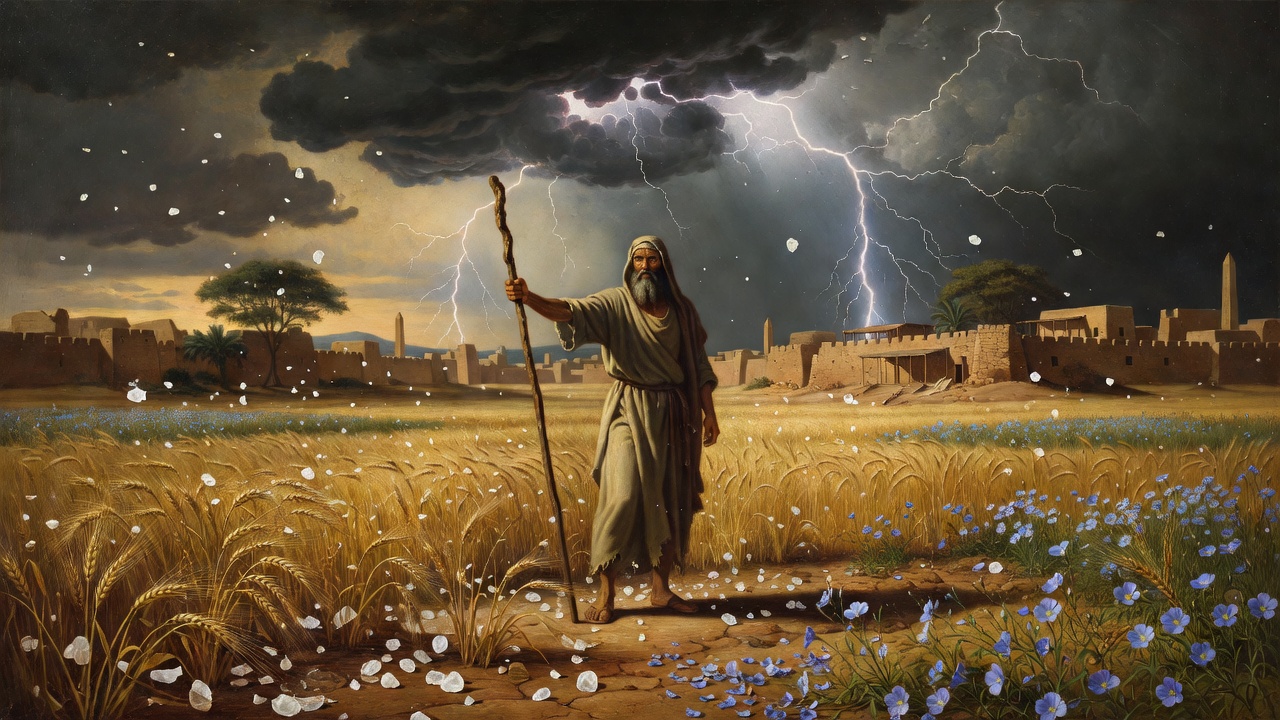
22Ma Yahweh te bosa vania Moses, “Hau ghalagha na limamu tana parako, mo ko nea na uhabololo mana kebungasi ge ke horuvia na butonikomu udolu i Egypt, ivuvungadira na vure, na maumanu mana lei ghai ghania.” 23Keri ke, Moses te hau ghalagha na totoghonana va tana parako, ma Yahweh te nia vetena mai na viviha mana uhabololo mana kebungasi, mana viti te vitilia na maramana. [Eo,] A Yahweh te nia vetena mai 24na uhabololo mana kebungasi te sule, kolura na viti te tona haliu na vitiliana. Te taho mua tana tutuguna mai na komu/butonikomu Egypt ke vagha na uhabololo mana kebungasi keri. 25Mi tana Egypt talighu na uhabololo mana kebungasi te haurakera na lei totobo soko tana leghai, kolura na lei tinoni, na lei maumanu, mana lei totobo subasuba. Sughua na lei ghai tara dika. 26Tana Egypt talighu, na bubulo i Goshen vamua, tara ghahara iga na vure ni Israel/Jew, te mua kalea na uhabololo mana kebungasi.
27Ma Pharaoh te mina me nia vetena na bosa vanira Moses ma Aaron, me ghaghua, “Inau tu ghilala tu hahi sughua. A Yahweh te utuni, ma nigua na vure mi nau tai hahi. 28Koro kurutia Yahweh ge ke sokolaghinia na uhabololo mana kebungasi! Ighai tai vadangitai ngangata! Mi nau ku lubatighau ge kau tona itaeni.”
29Moses te bosa tughu, “E uto so. Tana bona ku sania na komu sule eni ke, inau ku taludatoa na limagu mu ku kokoeliulivuti vania Yahweh. Mana viviha mana uhabololo mana kebungasi ke beto. Aeni gaia na vaughilala vanigho te vagha na maramana ke, a nina Yahweh. 30Mete vaghagho ighoe ma nimiu na mane nagho, u ghilalaghau tau mua nia kikinimaa mua Yahweh [nimiu] God.
31[Tana bona na uhabololo mana kebungasi,] na lei totobo tara subai tara holoa nia flax mana barley tara haurake/dika, na pukuna na barley tara mada, mana flax teara vuivuni ni sia. 32Na wheat mana spelt tara mua dika na pukuna tara mua totolo dato mai mua tana pari.
33Keri ke Moses te sania Pharaoh me rughuhoru tana komu sule. Tana bona te hau ghalagha na limana me kokoeliulivuti vania Yahweh ke, na viviha mana kebungasi mana uhabololo te beto. 34Tana bona Pharaoh ma nina mane nagho tara righia eni, gaia ma nina mane nagho tara ghoi palugha oli, na pukuna tara ghoi kutuvatu mara mua liona ge kara taonia na hava tara nia baubahu. 35Ma Pharaoh te mua lubatira na vure ni Israel/Jew ge kara sania, te vagha na hava te liona Yahweh.
Did you know?
Livestock, Boils, and Hail
- This chapter draws a sharp line between Egypt and the Israelites: all the livestock of the Egyptians die, but not one animal belonging to the Israelites dies, and the hail falls on all the land of Egypt except Goshen, where the Israelites lived. Goshen, also called the land of Rameses, lay east of the Nile and apparently not far from the royal residence, and it had been assigned to Jacob’s family as the best of the land.Sources: the Bible text itself · Goshen · Moses
- The Pharaoh whom Moses and Aaron confront is not named in the chapter. Easton's Bible Dictionary (1897) identifies him as probably Menephtah I, a son of Rameses II, who lived at Zoan, where his interviews with Moses and Aaron took place, and notes that some instead favor Seti II. After the hail, Moses leaves the city and spreads out his hands to the LORD until the thunder and hail cease.Sources: the Bible text itself · Pharaoh (of the Exodus)
- The hail destroyed the flax and the barley, but not the wheat and the spelt. The narrative explains the difference: the barley was already ripe and the flax was in bloom, while the wheat and spelt were late crops.Sources: the Bible text itself
Notes written with AI assistance from open sources (Theographic Bible Metadata, CC BY-SA 4.0; Easton’s Bible Dictionary, public domain) and reviewed before publishing.
Places in this chapter
- Egypt · 30.129, 31.308 · verses 4, 6, 9, 18, 22, 23, 24, 25
- Goshen · Today: Goshen 1 · 30.799, 31.834 · verse 26
Only places identified with high confidence are shown (90% or more according to the scholarly sources compiled by OpenBible). Period map: DARE (Digital Atlas of the Roman Empire), CC BY 4.0; modern map: © OpenStreetMap contributors; places: OpenBible.info (CC BY 4.0).
Credits and license for this translation
Na Rongorongo Uto nina Jesus Christ
Portions of the Holy Bible in the Gela language of the Solomon Islands
Baebol long langguis Gela
copyright © 2015 Wycliffe Bible Translators, Inc.
Language: Gela
This translation is made available to you under the terms of the
Creative Commons Attribution-Noncommercial-No Derivatives license 4.0.
You may share and redistribute this Bible translation or extracts from it in any format, provided that:
You include the above copyright and source information.
You do not sell this work for a profit.
You do not change any of the words or punctuation of the Scriptures.
Pictures included with Scriptures and other documents on this site are licensed just for use with those Scriptures and documents.
For other uses, please contact the respective copyright owners.
2021-11-30
Source: http://ebible.org/nlg/ · eBible.org