Exodus 15
Na Rongorongo Uto nina Jesus Christ · Tap a verse to see its cross-references.
Na lingena na rughuhoru
1Moses mana vure ni Israel/Jew tara lingea vania Yahweh na linge eni,
“Inau ku linge vania Yahweh, na pukuna te lagavule,
me sonihorura na lei horse maia rahei tara haghelighi tana tahi!
2Yahweh te vaheu na laga, mu ku linge na pukuna gaia;
Gaia ahei te vavolau.
Gaia nigua na God, mu ku holohabaa,
ma gaia ghua nina God a tamagu, mi nau ku nia kikinimaa.
3Yahweh na [mane laga ni veitotoghoni]/malaghai;
Yahweh na ahana.
4Lei nina malaghai Pharaoh, maia nina lei taitakiro,
gaia te lulumi lokani tahi;
Maia nina malaghai nagho,
tara lulumi ghua ilokana na Tahi Sisi.
5Na tahi lalo te saro horura;
mara lulumi horu vagha na vatu tana boro ni horara.
6Yahweh, na lima madolomu te loghoa na maana mana rongoragha.
Yahweh, na lima madolomu te goti sodusodui na hulidira na levunimate.
7Ta nimua na maana te haeharegha,
go sonihorura nia arahei tara pungisigho.
Mo rutu papara vanira,
go dikalara vagha na buburu mamaha te ghani taghalaghighi na lake.
8Sakai na hola ghuri vamua ighoe, me tuvavoka na tahi;
Rua na levu vagha na peo vatu,
mana borona ipari te vunga dato mai me mamaha.
9Mana ghamami na levunimate tara bosa,
“Ka ghuru taonira ma ka lotira, ma ka matera.
Ma ka hola na isi ni kisumate,
ma ka lagavulera.
Ma ka tuvalighi didira na lologho,
ma ka hola kehaa na hava ta liona.
10Hauva ma nimiua na hola ghuri va vamua itadira,
mana tahi te kakovo savura;
Mara lulumi horu tana tahi,
vagha na talihalo.
11Yahweh, itadira didira lei titinoni god, taho siki god vaghagho.
Ighoe to rongoragha mo tabu, mo laga vulera va gaira,
Mana lei tinoni kara nia kikinimaa ma kara holohabagho,
na pukuna mo gonighi na lei butuli te haeharegha.
12Mo hau datoa na lima madolomu,
mana maramana te sonomira na ghamami na levunimate.
13Ma nia nimua na dolo, ko hulira
nimua na vure to huiolira;
Mo ko hulira nia na lagamu,
va saravia na komu tabu to ghaha iga.
14Na vure tana lei komu/butonikomu kara mataghu tatata, tana bona kara rongovia na tutugu eni;
Na vure ni Philistia kara mataghu ghua.
15Na lei mane nagho ni Edom kara mataghu,
maia na lei mane laga ni Moab kara tatata,
mara rahei tara ghahara i Canaan ke sivi na liomalaghai,
16Na mataghu te sule ke sodora.
Yahweh, na pukuna nimua na maana te sule,
gaira kara sopou beto vagha vamua na vatu,
ritini nimua na vure kara [alualu] liupadi tadira,
ritini na vure to huiolira [tana kabu pipiti] kara liupadi tadira.
17Yahweh, ighoe ko lavira mai, mo ko kapurira tana nimua na ghotu,
na ghotu/bona to vilia ge ko kabu iga,
na bona tabu to kisua.
18Yahweh, ighoe vamua ko vunaghi pungisi ke va me va.
19Tana bona Pharaoh ma rahei tara haghelighi nina lei horse, maia na lei malaghai tara taghaoi na lei taitakiro, tara sama gatu tana tahi, Yahweh te olivaghinia na tahi me kakovo savura. Hauva rana vure ni Israel/Jew tara sakutua halavu tana pari mamaha.
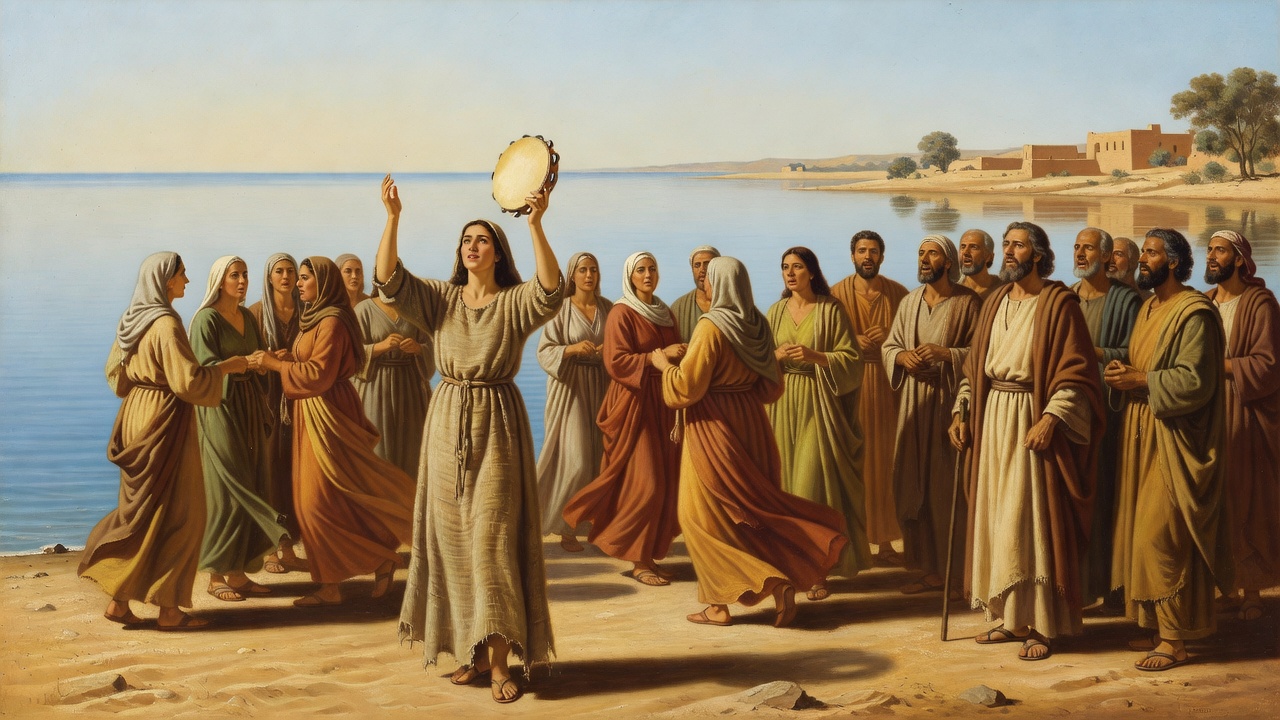
20Ma Miriam, na vaivine tughunilada/prophet, vaivinena Aaron, maia na balu vaivine tara gonighi na balu velesamu, ra linge mara ghavaighi na lei velesamu. 21Ma Miriam te lingea na linge eni,
“Kau linge vania Yahweh, na pukuna te lagavule,
me sonihorura na lei horse maia rahei tara haghelighi tana tahi!”
Na beti mala i Marah
22Ma Moses te idevira na vure ni Israel/Jew sania na Tahi Sisi, mara sakutua va tana bona mamaha tara holoa nia Shur. E tolu na bongi tara mua sodoa siki beti. 23Mi tana bona tara mai sara i Marah, iani tara sodoa na beti, hauva mara mua inuvia na pukuna te mali [na beti vaghaa.] Keri ge ra holoa nia na bona Marah. 24Mana vure tara bosa hughuhughu vania Moses, ra ghaghua, “Na hava kai inuvia?”
25Ma Moses te ngangaraha vania Yahweh ge ke hanga. Ma Yahweh te tatea vania sakai na ghai. Moses te hola na ghai me sonihaghea ilokana na beti, mana beti te uto na inuviana.
Iani tua te hera na balu vetena Yahweh, me tabotabora ge kara taonighi ge kara tatea didira na ghanaghana mava itatana. 26Ge bosa vanira, ‘Inau Yahweh nimiu na God! Ma ge kau rongovia na bosagu, ma kau goni vamua na hava te uto tana matana, ma kau taonighi lei nigua na vetena ke, ku mua toroghau nia siki sosodo te vagha tu nia vetena vanira na vure ni Egypt, na pukuna inau Yahweh tu volaghau.”
27Mara sania Marah, mara mai sara tana bona tara vatua nia Elim. Tara ghahai ga hangavulu rua na vulavula/vuravura ni beti, me vitu hangavulu ni oil palm. Iani tara taludatoi na vale tapoledira lilighini ni beti.
Did you know?
The Song at the Red Sea
- Miriam, sister of Moses and Aaron, is called a prophetess in this chapter. She took the lead in the song of triumph after Israel passed through the Red Sea, and the women followed her with tambourines and dancing.Sources: Miriam · the Bible text itself
- From the Red Sea, Moses led Israel into the Desert of Shur, a wilderness on Egypt’s northeastern border extending toward Philistia. The name, meaning a wall, was probably taken from Egyptian fortifications, running from Pelusium to Heliopolis, built to defend that frontier from desert tribes. For three days they walked without finding water, and at Marah the water was bitter, which is why the place was so named.Sources: Shur · the Bible text itself
- The song says that anguish will grip Philistia, the land of the Philistines; that the chiefs of Edom, a rugged mountain land on the east side of the Arabah, from the head of the Gulf of Akabah to the foot of the Dead Sea, will be dismayed; and that trembling will seize the leaders of Moab, east of the Jordan and the Dead Sea and south of the Arnon. It also says that those who dwell in Canaan will melt away.Sources: the Bible text itself · Philistia · Edom · Moab
Notes written with AI assistance from open sources (Theographic Bible Metadata, CC BY-SA 4.0; Easton’s Bible Dictionary, public domain) and reviewed before publishing.
Places in this chapter
- Philistia · 31.664, 34.546 · verse 14
- Canaan · 32.767, 35.333 · verse 15
- Edom · 30.746, 35.604 · verse 15
- Moab · Today: Moab 1 · 31.181, 35.701 · verse 15
- Egypt · 30.129, 31.308 · verse 26
Only places identified with high confidence are shown (90% or more according to the scholarly sources compiled by OpenBible). Period map: DARE (Digital Atlas of the Roman Empire), CC BY 4.0; modern map: © OpenStreetMap contributors; places: OpenBible.info (CC BY 4.0).
Credits and license for this translation
Na Rongorongo Uto nina Jesus Christ
Portions of the Holy Bible in the Gela language of the Solomon Islands
Baebol long langguis Gela
copyright © 2015 Wycliffe Bible Translators, Inc.
Language: Gela
This translation is made available to you under the terms of the
Creative Commons Attribution-Noncommercial-No Derivatives license 4.0.
You may share and redistribute this Bible translation or extracts from it in any format, provided that:
You include the above copyright and source information.
You do not sell this work for a profit.
You do not change any of the words or punctuation of the Scriptures.
Pictures included with Scriptures and other documents on this site are licensed just for use with those Scriptures and documents.
For other uses, please contact the respective copyright owners.
2021-11-30
Source: http://ebible.org/nlg/ · eBible.org