Jeremiah 47
NBG-vertaling 1951 · Tap a verse to see its cross-references.
Over de Filistijnen
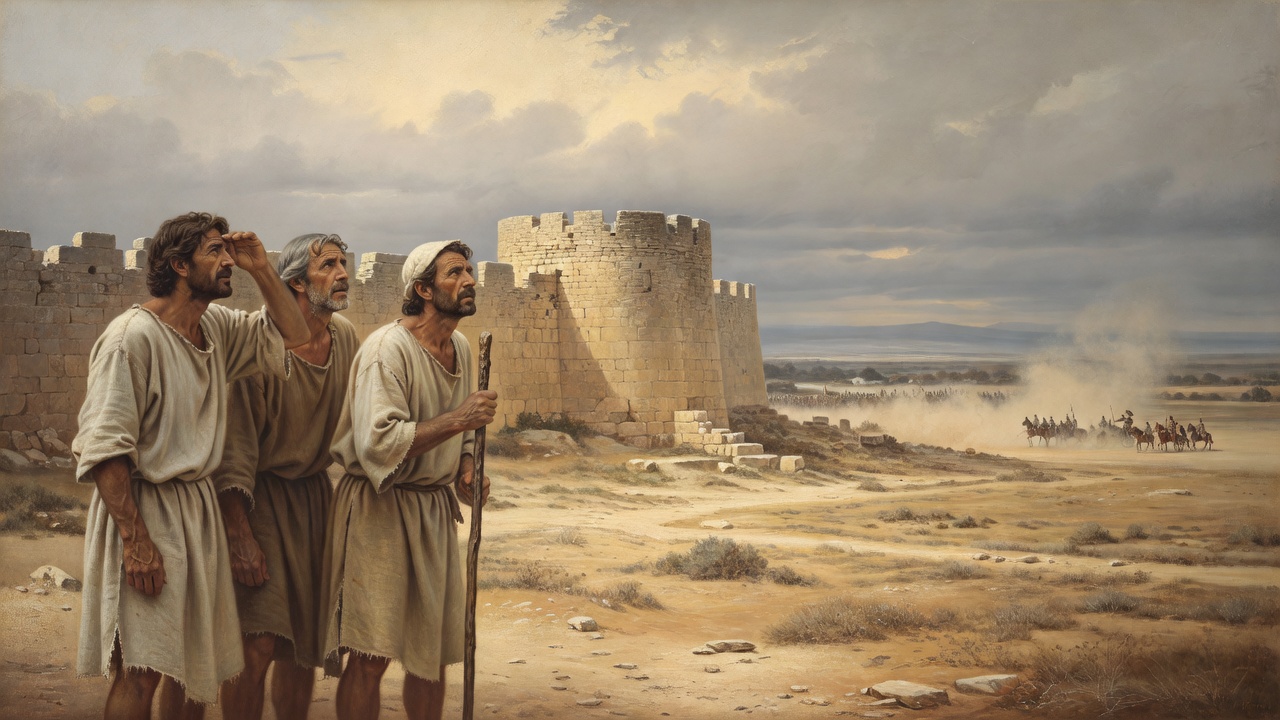
1Hetgeen als woord des Heren tot de profeet Jeremia kwam over de Filistijnen, voordat Farao Gaza innam. 2Zo zegt de Here: Zie, wateren komen opzetten uit het Noorden en worden tot een overstromende beek; ja, zij overstromen het land met al wat zich erop bevindt, de stad met inwoners en al, zodat de mensen schreeuwen en al de bewoners van het land jammeren, 3op het geluid van het stampen van de hoeven zijner paarden, het ratelen zijner wagens, het gedreun zijner wielen. De vaders zien niet om naar de kinderen, 4zó zijn hun handen verslapt op de dag die komt om al de Filistijnen te verdelgen, om voor Tyrus en Sidon elke nog overgebleven helper uit te roeien; want de Here verdelgt de Filistijnen, de rest van het eiland Kaftor. 5Gaza is kaal geschoren, Askelon vernietigd; o rest der Enakieten, hoelang zult gij u insnijdingen maken? 6Wee, zwaard des Heren, tot wanneer zult gij niet rusten? Trek u terug in uw schede, wees rustig en houd u stil! 7Hoe zoudt gij rustig zijn? De Here heeft het immers last gegeven: tegen Askelon en tegen de zeekust, daar heeft Hij het zijn bestemming gegeven.
Did you know?
Judgment on the Philistines
- Jeremiah refers to the Philistines as the remnant from the coasts of Caphtor. Biblical traditions identify Caphtor as the place of origin of the Philistines, a location widely associated by scholars with Crete or parts of the eastern Mediterranean coast.Sources: the Bible text itself · Caphtor
- The chapter directs its warnings against Gaza and Ashkelon, two of the five prominent Philistine cities along the Mediterranean coast. Both were ancient centers known for their strategic position and trade links connecting Egypt and the surrounding regions.Sources: the Bible text itself · Gaza · Ashkelon
- The prophecy notes that the coming destruction would cut off every remaining ally from Tyre and Sidon. These two major Phoenician ports to the north were key maritime centers whose interests were closely intertwined with the coastal region.Sources: the Bible text itself · Tyre · Sidon
Notes written with AI assistance from open sources (Theographic Bible Metadata, CC BY-SA 4.0; Easton’s Bible Dictionary, public domain) and reviewed before publishing.
Places in this chapter
- Gaza · Today: Tell Harube · 31.504, 34.464 · verses 1, 5
- Sidon · Today: Sandikli archaeological site in Sidon · 33.561, 35.372 · verse 4
- Tyre · 33.271, 35.196 · verse 4
- Ashkelon · Today: Tel Ashkelon · 31.664, 34.546 · verses 5, 7
- Great Sea · Today: Mediterranean Sea · 31.805, 34.170 · verse 5
- Philistia · 31.664, 34.546 · verse 5
Only places identified with high confidence are shown (90% or more according to the scholarly sources compiled by OpenBible). Period map: DARE (Digital Atlas of the Roman Empire), CC BY 4.0; modern map: © OpenStreetMap contributors; places: OpenBible.info (CC BY 4.0).
Credits and license for this translation
NBG-vertaling 1951
The Holy Bible in Dutch, NBG 1951 translation.
copyright © 2024 Jantinus Daling
Language: Nederlandse taal (Dutch)
Released under the GNU Free Documentation License https://www.gnu.org/licenses/fdl-1.3.en.html
2024-08-13
Source: http://ebible.org/nldnbg/ · eBible.org