Hosea 6
NBG-vertaling 1951 · Tap a verse to see its cross-references.
1Komt, laat ons wederkeren tot de Here! Want Hij heeft verscheurd, en zal ons helen; Hij heeft geslagen, en zal ons verbinden. 2Hij zal ons na twee dagen doen herleven, ten derden dage zal Hij ons oprichten, en wij zullen leven voor zijn aangezicht. 3Ja, wij willen de Here kennen, ernaar jagen Hem te kennen. Zo zeker als de dageraad is zijn opgang. Dan komt Hij tot ons als de regen, als de late regen, die het land besproeit.
Een volk van boosdoeners
4Wat zal Ik u aandoen, o Efraïm? Wat zal Ik u aandoen, o Juda? Immers uw liefde is als een morgenwolk, en als een dauw die in de vroegte vergaat. 5Daarom heb Ik er door de profeten op ingehouwen, heb Ik hen gedood door de woorden mijns monds. De oordelen over u waren een doorbrekend licht. 6Want in liefde heb Ik behagen en niet in slachtoffer, in kennis van God en niet in brandoffers. 7Maar zij hebben als Adam het verbond overtreden; daar hebben zij Mij trouweloos bejegend. 8Gilead is een stad van misdadigers, vol bloedsporen. 9Gelijk een troep bandieten ligt een priesterschare op de loer; zij moorden op de weg naar Sichem. Waarlijk, wandaden bedrijven zij. 10In het huis Israëls heb Ik afschuwelijke dingen gezien: daar is Efraïms ontucht; Israël heeft zich verontreinigd. 11Ook voor u, Juda, is een oogst weggelegd, wanneer Ik in het lot van mijn volk een keer brengen zal.
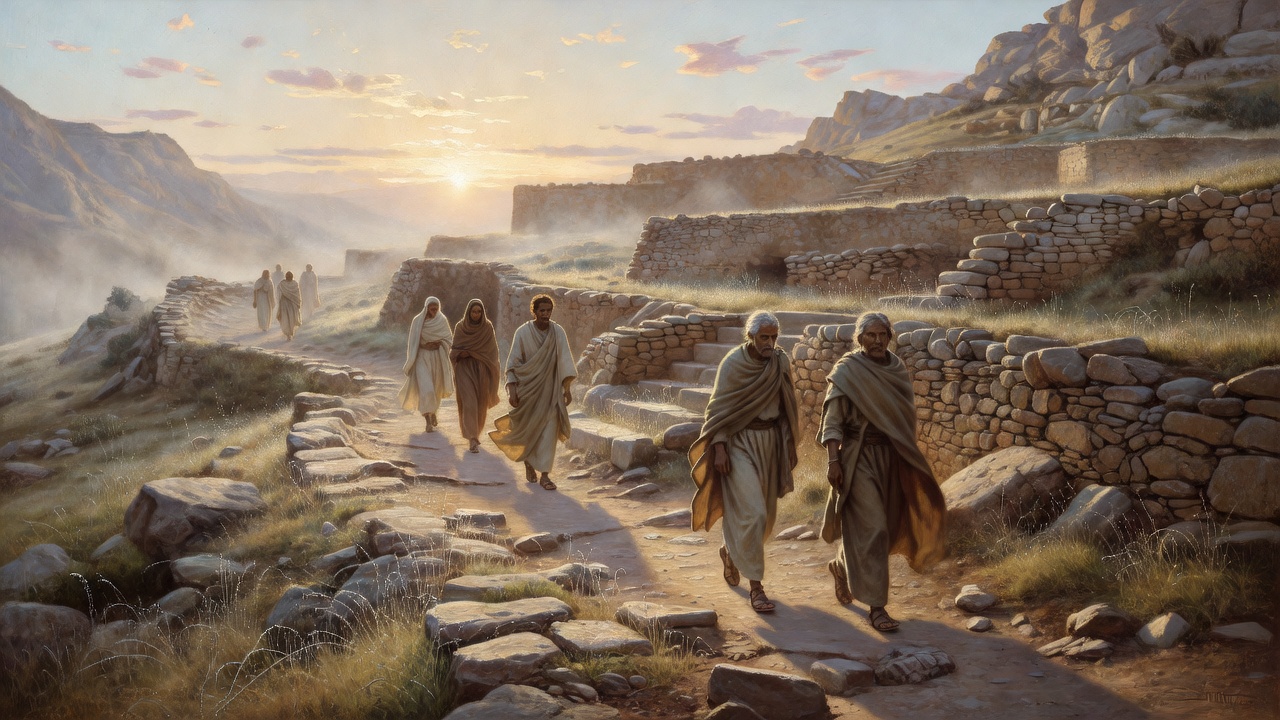
Did you know?
Fleeting Loyalty and True Devotion
- In Hosea 6:6, the prophet proclaims that God values mercy and the knowledge of God above ritual animal sacrifices and burnt offerings, emphasizing heartfelt covenant faithfulness over mere religious formalities.Sources: the Bible text itself
- The prophetic text compares the loyalty of Ephraim and Judah to morning mist and vanishing dew; Ephraim, originally named after Joseph's son for double fruitfulness, is frequently used in the book to address the northern kingdom of Israel.Sources: the Bible text itself · Ephraim
- The chapter condemns lawlessness in Gilead, a mountainous region located east of the Jordan River, and accuses corrupt bands of priests of committing violent ambushes on travelers along the road toward Shechem.Sources: the Bible text itself · Gilead
Notes written with AI assistance from open sources (Theographic Bible Metadata, CC BY-SA 4.0; Easton’s Bible Dictionary, public domain) and reviewed before publishing.
Places in this chapter
- Shechem · Today: Tell Balatah · 32.214, 35.282 · verse 9
Only places identified with high confidence are shown (90% or more according to the scholarly sources compiled by OpenBible). Period map: DARE (Digital Atlas of the Roman Empire), CC BY 4.0; modern map: © OpenStreetMap contributors; places: OpenBible.info (CC BY 4.0).
Credits and license for this translation
NBG-vertaling 1951
The Holy Bible in Dutch, NBG 1951 translation.
copyright © 2024 Jantinus Daling
Language: Nederlandse taal (Dutch)
Released under the GNU Free Documentation License https://www.gnu.org/licenses/fdl-1.3.en.html
2024-08-13
Source: http://ebible.org/nldnbg/ · eBible.org