Ecclesiastes 6
NBG-vertaling 1951 · Tap a verse to see its cross-references.
1Er is een kwaad dat ik waargenomen heb onder de zon, en dat zwaar drukt op de mens: 2een man, aan wie God rijkdom en schatten en vermogen geeft, zodat hem niets ontbreekt, dat hij begeert, maar God stelt hem niet in staat daarvan te genieten, doch een vreemde verteert het. Dit is ijdelheid en een bitter lijden. 3Indien iemand honderd kinderen verwekte en vele jaren leefde en even aanzienlijk was als hoogbejaard, maar hij niet verzadigd werd van het goede en ook geen begrafenis had – ik zeg: een misgeboorte is er beter aan toe dan hij, 4want in ijdelheid komt ze en in duisternis gaat ze en met duisternis wordt de naam ervan bedekt; ook heeft ze de zon aanschouwd noch gekend. 5Deze heeft rust, maar hij niet. 6Al leefde hij ook tweemaal duizend jaar, maar genoot het goede niet – gaat niet alles naar één plaats? 7Al het zwoegen van de mens is voor zijn mond, en toch wordt de begeerte niet vervuld. 8Want wat heeft de wijze voor boven de dwaas, wat de arme, die zich onder de levenden weet te bewegen? 9Beter is het zien der ogen dan het jagen der begeerte. Ook dit is ijdelheid en najagen van wind. 10Wat hij ook is, voorlang is zijn naam genoemd en het is bekend, dat hij mens is: hij kan niet rechten met Hem, die sterker is dan hij. 11Laten er vele woorden zijn, zij vermeerderen slechts de ijdelheid. Welk voordeel heeft de mens daarvan? 12Want wie weet, wat goed voor de mens is in het leven gedurende de weinige dagen van zijn ijdel leven, die hij als een schaduw doorbrengt? Wie toch zal de mens te kennen geven wat er na hem onder de zon geschieden zal?
Did you know?
The Vanity of Unsatisfied Wealth
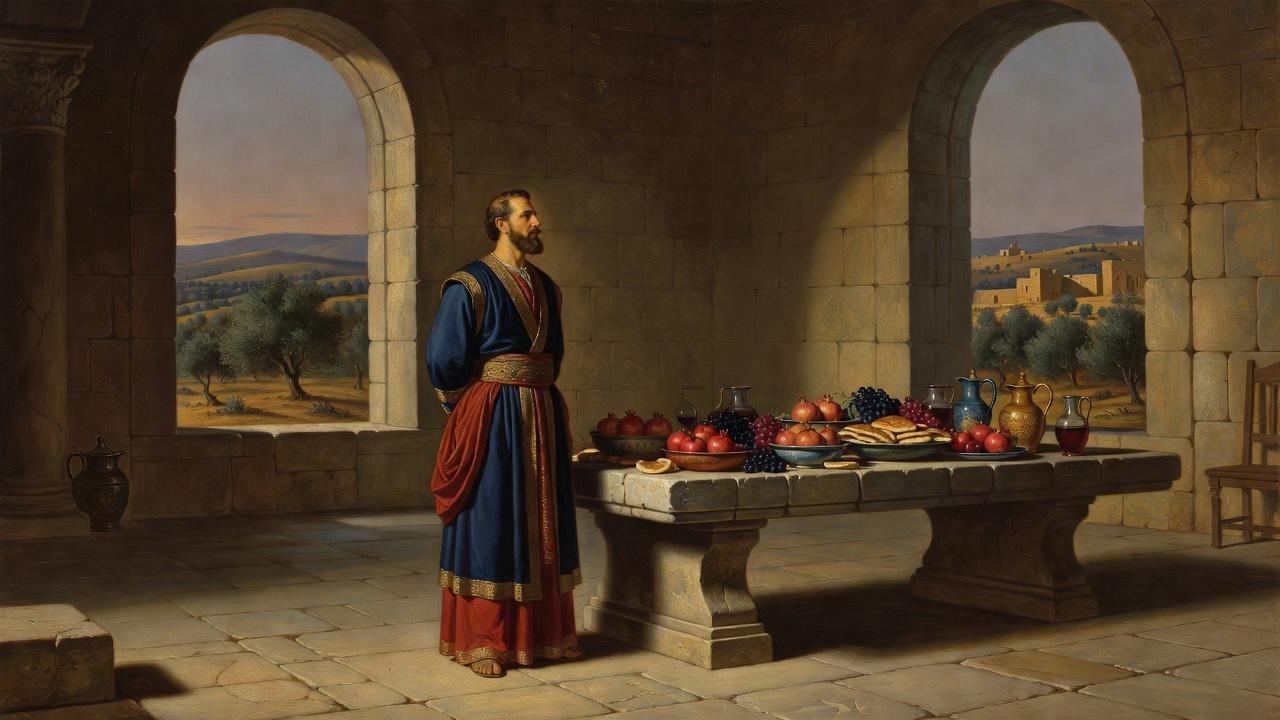
- In ancient thought, having a long life and fathering many children were considered the highest signs of blessing. Ecclesiastes observes, however, that even living two thousand years and fathering a hundred children is hollow if a person cannot enjoy their prosperity or receive a proper burial.Sources: the Bible text itself
- The author points out that although human labor is spent satisfying basic physical needs such as food, human appetite and desire remain continually unfulfilled. He contrasts enjoying what is directly present before the eyes with the ceaseless wandering of unsatisfied cravings.Sources: the Bible text itself
- The chapter emphasizes human limitations, noting that mortals cannot dispute with what has been established by one stronger than they are. Because life is fleeting like a shadow, humans cannot fully know what is truly good for them or foresee what will happen after they are gone.Sources: the Bible text itself
Notes written with AI assistance from open sources (Theographic Bible Metadata, CC BY-SA 4.0; Easton’s Bible Dictionary, public domain) and reviewed before publishing.
Credits and license for this translation
NBG-vertaling 1951
The Holy Bible in Dutch, NBG 1951 translation.
copyright © 2024 Jantinus Daling
Language: Nederlandse taal (Dutch)
Released under the GNU Free Documentation License https://www.gnu.org/licenses/fdl-1.3.en.html
2024-08-13
Source: http://ebible.org/nldnbg/ · eBible.org