Isaiah 31
De Heilige Schrift, Petrus Canisiusvertaling, 1939 · Tap a verse to see its cross-references.
1Wee, die naar Egypte trekken om hulp, Die enkel op paarden vertrouwen, Zich op het grote getal der wagens verlaten, En op de geweldige kracht van de ruiters: Maar die niet opzien naar Israëls Heilige, En Jahweh niet zoeken! 2Maar ook Hij is vernuftig, Om onheil te brengen; En wat Hij gezegd heeft, Neemt Hij niet terug. Hij zal zich tegen het huis van de zondaars verheffen, En tegen de helpers der bozen. 3Ook Egypte is mens en geen god, Zijn paarden maar vlees en geen geest: Strekt Jahweh zijn hand uit, Dan struikelt de helper, En die geholpen wordt, valt; Beiden gaan ze te gronde. 4Maar dit zegt Jahweh tot mij: Zoals een leeuw en zijn jong Blijven brullen over hun prooi, Al verzamelt zich tegen hen de hele troep herders; Zoals ze voor hun schreeuwen niet schrikken, En voor hun gillen niet wijken: Zo zal Jahweh der heirscharen nederdalen, Om op de berg Sion en zijn heuvel te strijden; 5En als fladderende vogels Zal Jahweh der heirscharen Jerusalem beschutten, Beschermen en redden, Beschutten, verlossen. 6Dan zullen Israëls kinderen zich bekeren Tot Hem, van wien ze zo ver zijn geweken; 7Ja, op die dag zullen zij allen verachten Hun goden van zilver en goud, Die gij u hebt gemaakt Met uw zondige handen. 8Assjoer zal vallen door het zwaard van een, die geen mens is, En het zwaard, maar niet van een mens, zal hem verslinden. Hij vlucht voor het zwaard, zijn krijgers worden geknecht, 9Zijn vorsten verlaten de wallen vol schrik, vol angst hun banier: Is de godsspraak van Jahweh, die zijn vuur heeft op Sion, In Jerusalem zijn offerhaard!
Did you know?
Warning Against Egyptian Alliances
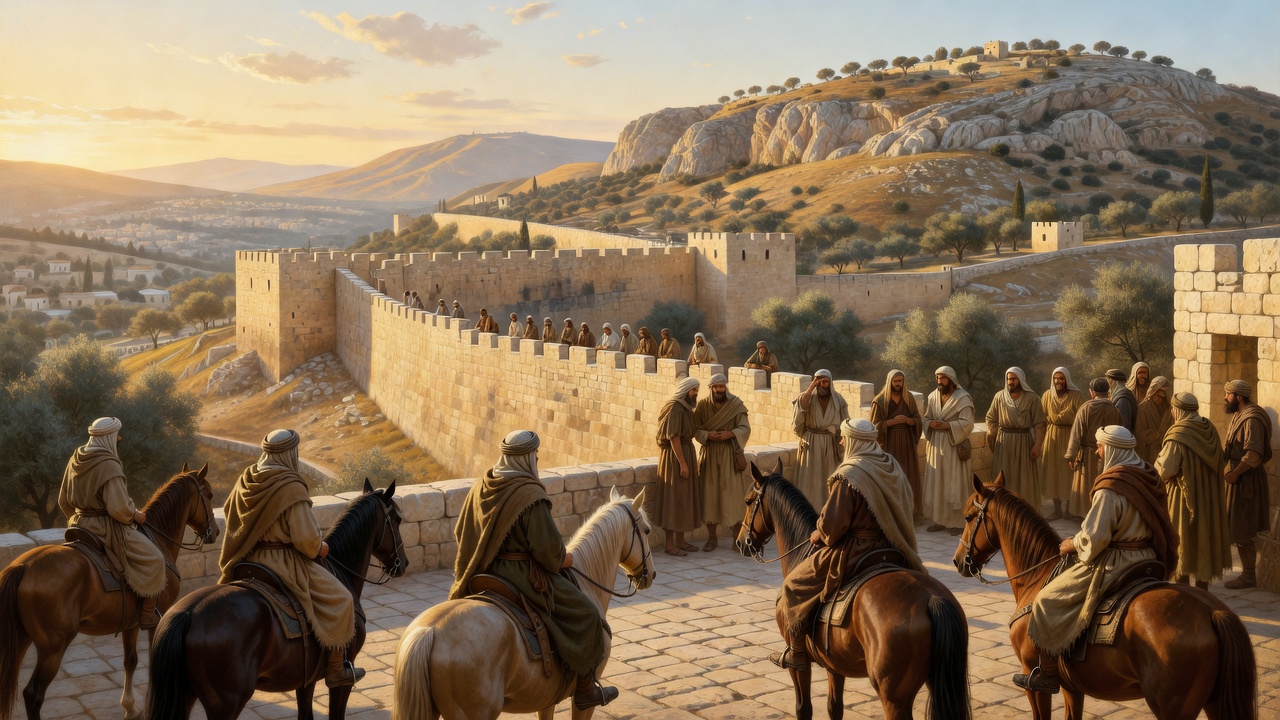
- Isaiah denounces Judah's reliance on Egypt for military strength, especially its multitude of horses and chariots. The prophet contrasts human and military resources with divine sovereignty, reminding the people that the Egyptians are merely mortal men and their warhorses are flesh rather than spirit.Sources: the Bible text itself · Egypt
- Mount Zion, a prominent fortified hill on which Jerusalem was built, is depicted as directly defended by God. Using the imagery of an undaunted lion and hovering birds, the passage promises that Jerusalem will be protected from Assyria by divine intervention rather than by mortal swords.Sources: the Bible text itself · Jerusalem · Mount Zion
Notes written with AI assistance from open sources (Theographic Bible Metadata, CC BY-SA 4.0; Easton’s Bible Dictionary, public domain) and reviewed before publishing.
Places in this chapter
- Egypt · 30.129, 31.308 · verse 1
- Mount Zion · 31.772, 35.229 · verse 4
- Jerusalem · 31.777, 35.234 · verses 5, 9
- Assyria · 36.359, 43.153 · verse 8
- Zion · Today: Jerusalem · 31.777, 35.234 · verse 9
Only places identified with high confidence are shown (90% or more according to the scholarly sources compiled by OpenBible). Period map: DARE (Digital Atlas of the Roman Empire), CC BY 4.0; modern map: © OpenStreetMap contributors; places: OpenBible.info (CC BY 4.0).
Credits and license for this translation
De Heilige Schrift, Petrus Canisiusvertaling, 1939
The Holy Bible in Dutch, Petrus Canisius translation, 1939
Public Domain
Language: Nederlandse taal (Dutch)
Eerste uitgave: Het Spectrum, Utrecht, Brussel, 1939
De Petrus Canisiusvertaling is een Nederlandse rooms-katholieke bijbelvertaling, waarvan de eerste complete uitgave verscheen in 1939. De volledige naam luidt: "De Heilige Schrift, vertaling uit de grondtekst met aantekeningen, in opdracht van de Apologetische Vereniging 'Petrus Canisius' ondernomen met goedkeuring van de hoogwaardige bisschoppen van Nederland". De Petrus Canisiusvertaling is de eerste Nederlandse katholieke vertaling die gebaseerd is op de grondteksten in hun oorspronkelijke taal. Andere vertalingen gingen uit van de Vulgaat. Het taalgebruik van de uitgave is naar hedendaagse normen licht archaïsch te noemen, maar nog steeds vlot verstaanbaar.
Verantwoording in verband met de auteursrechten
In verband met de auteursrechten is contact opgenomen met de oorspronkelijke uitgever (1), de Katholieke Vereniging voor Oecume (2) en de Katholieke Bijbelstichting (3) en werden geen bezwaren gevonden tegen deze publicatie. Rekening houdend met de wettelijke termijnen, kan deze uitgave beschouwd worden als vrij van auteursrechten.
First publication: Het Spectrum, Utrecht, Brussel, 1939
The translation "Petrus Canisius" is a dutch roman catholic bible translation, that was first published in 1939. Its full title is "The Holy Scripture, translation of the original texts with annotations, commissioned by the Apologetical Society 'Petrus Canisius' and executed with the approval of the most reverend bishops of the Netherlands". The translation "Petrus Canisius" is the first dutch catholic translation that was based on the scripture texts in their original language. Other translations were based on the Vulgate. The language of this edition is to current standards moderately archaic, but still easily understood.
Accountability in relation to copyright
Concerning the copyright contacts have been made with the original publisher (1), the Katholieke Vereniging voor Oecumene (Catholic Society for Ecumenism) (2) and the Katholieke Bijbelstichting (Catholic Bible Foundation) (3) and no objections have been found against this publication. Taking into account the legal terms, this edition can be considered to be in the public domain.
UITGEVERIJ UNIEBOEK|HET SPECTRUM BV, HOUTEN, THE NETHERLANDS
KATHOLIEKE VERENIGING VOOR OECUMENE, 'S HERTOGENBOSCH, THE NETHERLANDS
KBS, HOEVEN, THE NETHERLANDS
2024-08-06
Source: http://ebible.org/nld1939/ · eBible.org