Hebrews 5
Dhao Alkitab · Tap a verse to see its cross-references.
1Dhèu dhu dedꞌe rare jꞌajꞌi kètu kapai risi agama, sasabꞌa na, hudꞌi soru-bara dhèu, sèna ka rèngu pabeꞌa dènge Ama Lamatua. Nèngu hudꞌi sèmi nare ku mèdha persembahan dènge badha korban, ho saraka asa Lamatua. Nèngu kahèi hia badha korban, sèna ka Lamatua saku eele sasala-sasigo dhèu. 2Ladhe abhu dhèu dhu reꞌa boe jꞌara mamuri dhu lèke, do dhèu dhu rai eele nèti jꞌara èèna, kètu agama ne pasusa boe rèngu. Nèti dꞌara hua iia na, nèngu lii mako dènge ra, lula nèngu kahèi dhèu rai-haha dhu mudꞌa manahu, sama sèmi rèngu. 3Lula nèngu kahèi dhèu rai-haha sama sèmi rèngu, nèti èèna ka kètu agama ne hudꞌi hia badha korban, ho Lamatua saku pamèu sasala nèngu mesa na. 4Dhèu bisa boe dedꞌe iisi na, sèna ka jꞌajꞌi kètu kapai risi agama. Te dhoka Ama Lamatua di dhu dènge hak, sèna ka hagꞌe nare dhèu sèmi èèna, nuka sèmi uru-uru sèra Na dedꞌe Harun, aꞌa Musa.
5Sèmi èèna kahèi dènge Kristus. Na dedꞌe boe iisi Na, ho jꞌajꞌi kètu kapai risi agama. Te uru èèna, Ama Lamatua mesa Na ka dhu dedꞌe Ne, peka na,
“Èu ne, Ana Jaꞌa,
Doe neꞌe, Jaꞌa dedꞌe Èu ho mèdꞌu paredha.”
6Ètu era leo nèti Sasuri Lamatua dhu Mola-Mèci, dhu suri kahèi, peka na,
“Èu jꞌajꞌi kètu agama dhu ca ropa dènge ca dhèu dhu mamuri uru èèna, nuka Melkisedek,
te ngaa Èu jꞌajꞌi kètu agama toke dꞌai mia-mia.”
7Ètu lodꞌo oe èle mamuri Yesus ètu rai-haha ne, Na loe boe sabajꞌa dènge tangi dꞌara pèdꞌa, manèngi Ama Lamatua sèna ka hia Ne aꞌèra. Te neꞌa, na, koasa Lamatua bisa hia Ne mamuri. Hèia Ama Lamatua sèmi nare lii manèngi Yesus, lula Na madhutu mola-mola dadꞌèi Lamatua. 8Te Yesus ne, Ana Ama Lamatua. Masi ka sèmi èèna, te ngaa Nèngu hudꞌi pasae ku jꞌajꞌèra, ho neꞌa madhutu dadꞌèi Ama Lamatua. 9Èle èèna ka, Na tao madhutu mola-mola dadꞌèi Lamatua aaꞌi-aaꞌi. Nèti èèna ka, Nèngu jꞌajꞌi le Kapua Mamuri bagi dhèu aaꞌi-aaꞌi dhu parcaya Ne, ho mamuri taruu dènge Ama Lamatua. 10Te Lamatua dedꞌe nare le Yesus jꞌajꞌi kètu kapai risi agama, ca ropa dènge Melkisedek, dhu jꞌajꞌi kètu kapai risi agama uru sèra.
Baku tèke eele parcaya miu mi Kristus
11Jꞌara ae era dhu jaꞌa neo lole dènge miu lula-nèti Kristus dènge Melkisedek, te ngaa ako carui paledꞌa jꞌara seꞌe, lula miu nuka sèmi ana iiki dhu meꞌa mèu mèka dènge beꞌa. 12Aa te ngaa, miu dhu parcaya nèbhu le. Madhutu iia-iia na, miu jꞌajꞌi le mese ho ajꞌa-nori dhèu leo. Te ngaa teꞌa boe na, miu cakaraa ana rara iisi hiu, dhu neꞌa mèka naꞌa, te neꞌa dhoka ninu susu di. Miu parluu dhèu era ho ajꞌa miu lula-nèti jꞌara-jꞌara dhu carui mèka nèti Sasuri Lamatua dhu Mola-Mèci. 13Jaꞌa pakasame miu dènge ana rara iisi hiu, lula miu meꞌa mèka jꞌara-jꞌara dhu carui boe nèti Kristus, sèna ka miu bisa mamuri mola. 14Te ngaa lodꞌo ana iiki ne kapai, nèngu ninu heka susu, te ngaa naꞌa ngangaꞌa dhu sakaa. Èèna èci èèna ka, dènge dhèu ajꞌa ne toke neꞌa mèu aꞌajꞌa Lamatua, sèna ka neꞌa mia ka dhu beꞌa, aa mia ka dhu karehe.
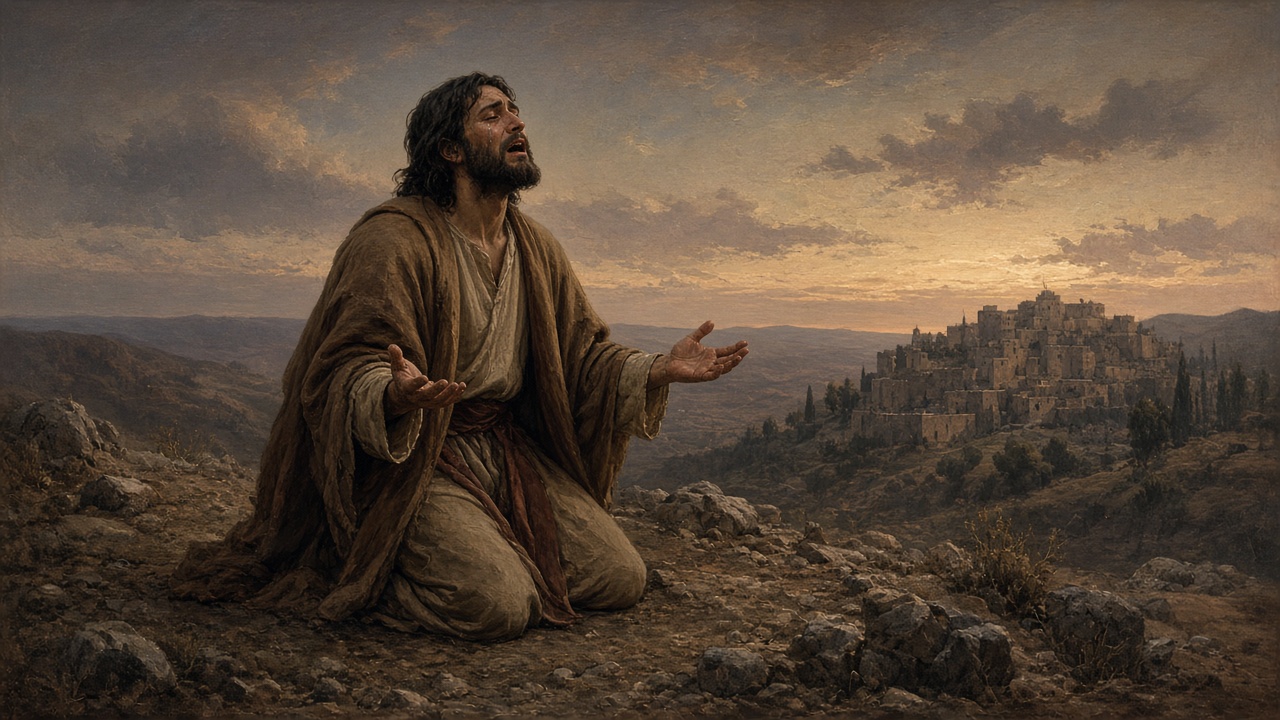
Did you know?
A High Priest Called by God
- Hebrews 5 presents Aaron as the pattern of a high priest who does not take the honor upon himself but is called by God. Aaron, eldest son of Amram and Jochebed, was born in Egypt three years before his brother Moses. When the time drew near for Israel’s deliverance from Egypt, God sent him to meet his long-absent brother so that they might work together toward the Exodus.Sources: the Bible text itself · Aaron
- Melchizedek, whose name Easton's Bible Dictionary (1897) explains as “king of righteousness,” was king of Salem. All that the Old Testament records of him is in Genesis 14:18–20, and he is mentioned only once more, in Psalm 110:4. Hebrews 5 applies to Christ the words “You are a priest forever in the order of Melchizedek,” and the same dictionary says that Hebrews 7 sets out the significance of his story in detail and presents his priesthood as superior to Aaron’s, noting that Abraham paid him tithes and that Melchizedek blessed Abraham.Sources: the Bible text itself · Melchisedec
Notes written with AI assistance from open sources (Theographic Bible Metadata, CC BY-SA 4.0; Easton’s Bible Dictionary, public domain) and reviewed before publishing.
Credits and license for this translation
Dhao Alkitab
Genesis and the New Testament in the Dhao language of Indonesia
Kejadian dan Perjanjian Baru dalam bahasa Dhao
copyright © 2012 Unit Bahasa dan Budaya
Language: Dhao
Translation by: Wycliffe Bible Translators
This translation is made available to you under the terms of the
Creative Commons Attribution-No Derivatives license 4.0.
You may share and redistribute this Bible translation or extracts from it in any format, provided that:
You include the above copyright and source information.
You do not make any derivative works that change any of the actual words or punctuation of the Scriptures.
Pictures included with Scriptures and other documents on this site are licensed just for use with those Scriptures and documents.
For other uses, please contact the respective copyright owners.
2022-03-11
Source: http://ebible.org/nfa/ · eBible.org