Hebrews 3
Dhao Alkitab · Tap a verse to see its cross-references.
Ana Ama Lamatua kapai risi nèti Musa
1De sèmi neꞌe, aꞌari! Ama Lamatua hagꞌe nare le miu, aa cap miu dhèu dꞌara mola, sèna ka èèna na miu mamuri bera-bera dènge Ne ètu sorga. Nèti èèna ka, miu hudꞌi pangee ku pabeꞌa-beꞌa lula-nèti Yesus ne. Te èdhi dhu mangaku le, na, Nèngu ne Dhèu Pajuu-paleha Ama Lamatua, aa Nèngu kahèi Kètu Kapai Risi Agama èdhi. 2Lodꞌo Ama Lamatua pua Yesus mai, Yesus tao madhutu aaꞌi dadꞌèi Lamatua. Dènge jꞌara ne, Nèngu nuka sèmi Musa. Te Musa tao madhutu dadꞌèi Lamatua kahèi, lodꞌo na ladhe-leru bèi-baki èdhi uru sèra. 3Masi ka sèmi èèna, te ngaa Yesus kapai risi nèti Musa. Te Yesus sama sèmi lamatua èmu. Aa mema lèke, lula lamatua èmu kapai risi nèti ana pua-paleha ètu dꞌara èmu. 4Dhèu èci-èci ka paꞌuri dꞌara èmu na. Te ngaa Ama Lamatua ka dhu uri aaꞌi mèu-mèu. 5De Musa tao madhutu dadꞌèi Ama Lamatua, lodꞌo na jꞌajꞌi ana pua-paleha nèti isi èmu Lamatua. Te lodꞌo èèna, na peka mema le ngaa dhu bèli-camèdꞌa Ama Lamatua neo tao. 6Masi ka Yesus madhutu kahèi dadꞌèi Ama Lamatua, te ngaa Nèngu ana pua-paleha dhu sama boe sèmi Musa. Lula Nèngu ne, Kristus, Ana Ama Lamatua dhu Ama Lamatua hagꞌe nare le karèi nèti uru ka, sèna ka pua mai asa rai-haha ne. Aa Kristus neꞌa mèu uri isi èmu Ama Na. De ladhe èdhi kèpe paꞌèra-èra lalèka èdhi, aa maꞌète boe sanao-maena èdhi mi Kristus, èdhi bisa jꞌajꞌi isi èmu Na kahèi.
Baku tèke eele parcaya miu sama sèmi bèi-baki miu, lula rèngu bisa boe ae rare dꞌara ra ètu rai dhu Ama Lamatua pajaji tèke le
7Nèti èèna ka, miu hudꞌi pasa dhilu paie-iie, ho nanene pabeꞌa ngaa dhu Roh Ama Lamatua dhu Mola-Mèci peka, na,
“Doe neꞌe, ropa miu tadèngi lii Ama Lamatua,
8mage miu kètu hadhu,
sama sèmi dhèu sèra,
dhu lasi-mai èpa nguru tèu ètu padꞌa sodꞌa.
Te rèngu roꞌo heka puai-pahae Musa,
toke Ama Lamatua mesa Na
oe taha nare heka dꞌara Na.
9Pangee ku laa!
Èpa nguru tèu kateme Jaꞌa tao rupa-rupa tadha malaa
ètu katanga madha ra!
Te ngaa ra loe boe sèku Jaꞌa.
Nèti èèna ka, Jaꞌa nasa dènge ra, peka na,
‘Miu se, seli-kolane!
Te miu soro kabodho tèke eele jꞌara Jaꞌa,
ho madhutu jꞌara miu dhu koe-kapengo!’
11Ropa kèdhi bhabhelu miu, Jaꞌa ruꞌa.
Nèti èèna ka, Jaꞌa dhoo miu, peka na,
‘Miu bisa boe mai ho ae mere dꞌara mi, sama-sama dènge Jaꞌa.’ ”
12De aꞌari aaꞌi-aaꞌi! Mage nèti miu abhu ca dhèu dhu tao bhelu, toke nèngu parcaya heka, hèia na soro kabodho mi Ama Lamatua dhu mamuri toke dꞌai mia-mia. 13Beꞌa risi bèli-bèli miu paꞌèra dꞌara, èci dènge èci. Baku pamata ia ka! Lula miu dhu malai lèke tipu ka tao sasala, toke miu kètu hadhu aa pusi-pahae boe Ama Lamatua. 14Èdhi bisa paꞌangalai dènge Yesus Kristus, sadꞌi baku pamaꞌète sanao mi Nèngu, nuka sèmi ropa èdhi heka parcaya Nèngu.
15Te Roh Ama Lamatua dhu Mola-Mèci, peka le kahèi, na,
“Doe neꞌe, ladhe miu tadèngi lii Ama Lamatua,
miu baku kètu hadhu sama sèmi dhèu seꞌe se,
dhu lasi-mai toke èpa nguru tèu ètu padꞌa sodꞌa,
te rèngu labꞌa Musa.”
16De jaꞌa neo karèi sèmi neꞌe: cee ka dhu uru èèna nanene Musa, hèia ra pusi-pahae heka ne? Dhèu sèra nuka bèi-baki èdhi dhu Musa lere si nèti rai Masir. 17Aa dhèu cee ka dhu tao dꞌara Ama Lamatua pana magoro dꞌai èpa nguru tèu èèna? Dhèu sèra nuka bèi-baki èdhi. Te mamuri ra koe-kapengo ètu dꞌara padꞌa sodꞌa, toke ra madhe, ka padhane si ètu nèi. 18Aa cee ka dhu lèke kutuk nèti Ama Lamatua, toke bisa boe maso asa rai èèna, sèna ka ae rare dꞌara ra sama-sama dènge Lamatua? Dhèu sèra nuka bèi-baki èdhi. Te rèngu se roꞌo boe nanene Ama Lamatua.” 19De meꞌa le, si? Bèi-baki èdhi bisa boe maso asa dꞌara rai èèna, ho ae rare dꞌara ra sama-sama dènge Ama Lamatua, lula ra parcaya boe Ne.
Did you know?
Greater Glory Than Moses
- Hebrews asks its readers to fix their attention on Jesus, the apostle and high priest they confess. He was faithful to the one who appointed him, just as Moses was faithful in all God's house, but Jesus is counted worthy of greater glory than Moses, as the builder of a house has greater honor than the house. Moses was faithful as a servant; Christ is faithful as the Son over God's house.Sources: the Bible text itself
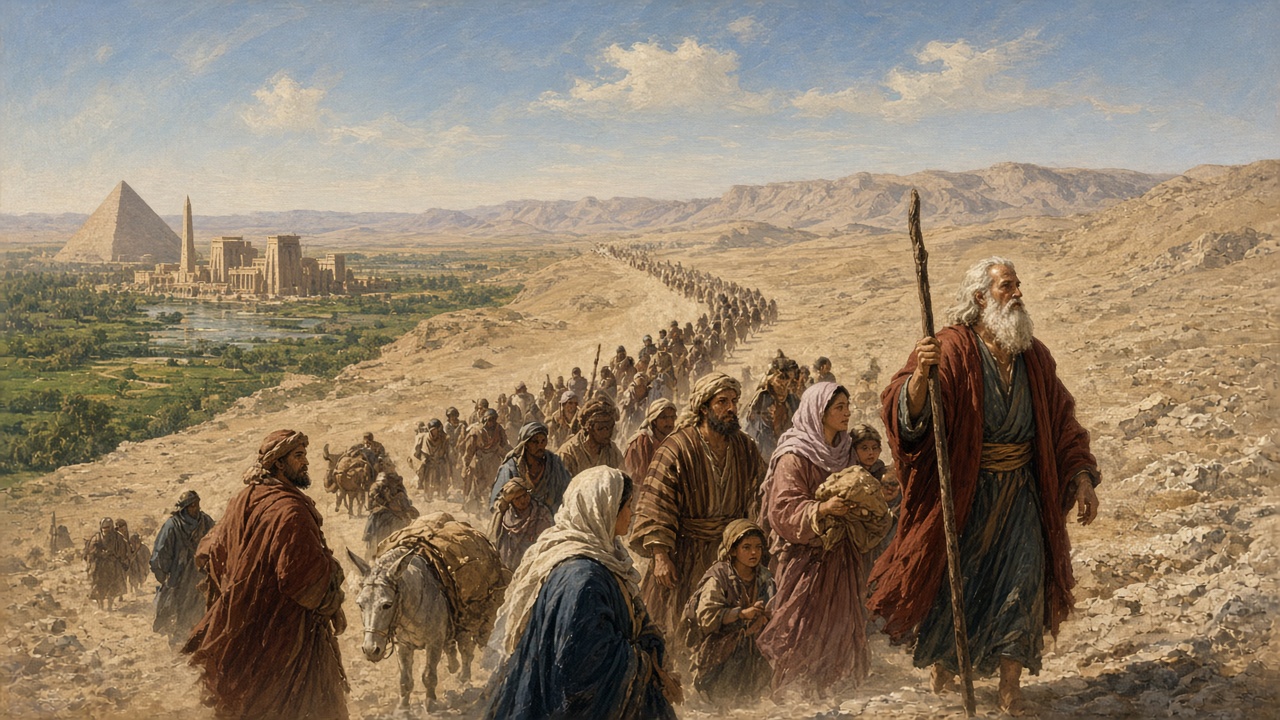
- The warning looks back to the people Moses led out of Egypt. For forty years in the wilderness they tested God, who was angry with that generation and swore they would never enter his rest; their bodies fell in the wilderness. The chapter says that unbelief kept them from entering.Sources: the Bible text itself
- Egypt, the land they left with Moses, is the land of the Nile and the pyramids. Easton's Bible Dictionary (1897) explains the name Moses as Drawn, or links it with the Egyptian word mesu, meaning son.Sources: the Bible text itself · Egypt · Moses
Notes written with AI assistance from open sources (Theographic Bible Metadata, CC BY-SA 4.0; Easton’s Bible Dictionary, public domain) and reviewed before publishing.
Places in this chapter
- Egypt · 30.129, 31.308 · verse 16
Only places identified with high confidence are shown (90% or more according to the scholarly sources compiled by OpenBible). Period map: DARE (Digital Atlas of the Roman Empire), CC BY 4.0; modern map: © OpenStreetMap contributors; places: OpenBible.info (CC BY 4.0).
Credits and license for this translation
Dhao Alkitab
Genesis and the New Testament in the Dhao language of Indonesia
Kejadian dan Perjanjian Baru dalam bahasa Dhao
copyright © 2012 Unit Bahasa dan Budaya
Language: Dhao
Translation by: Wycliffe Bible Translators
This translation is made available to you under the terms of the
Creative Commons Attribution-No Derivatives license 4.0.
You may share and redistribute this Bible translation or extracts from it in any format, provided that:
You include the above copyright and source information.
You do not make any derivative works that change any of the actual words or punctuation of the Scriptures.
Pictures included with Scriptures and other documents on this site are licensed just for use with those Scriptures and documents.
For other uses, please contact the respective copyright owners.
2022-03-11
Source: http://ebible.org/nfa/ · eBible.org