Genesis 2
Dhao Alkitab · Tap a verse to see its cross-references.
1Dènge jꞌara sèmi èèna ka, Ama Lamatua pajꞌajꞌi dedha-liru, rai-haha, dènge isi ra aaꞌi-aaꞌi.
2Ropa Na sabꞌa èle, asa bèli èèna, lèke dènge lodꞌo ka pidhu. Hèia Na ae nèti sasabꞌa-laꞌa Na. 3Dènge jꞌara neꞌe, Na tao lodꞌo ka pidhu ne, lodꞌo dhu kapai risi nèti lodꞌo dhu leo sèra. Na tao sèmi èèna, lula Na paꞌèle aaꞌi le sasabꞌa Na, ka ètu dꞌara lodꞌo ka pidhu na, Na ae. 4Dꞌai sange neꞌe ka, lii lolo Ama Lamatua pajꞌajꞌi dedha-liru dènge rai-haha ne.
Ama Lamatua pajꞌajꞌi dhèu mone dènge dhèu bhèni
4Lodꞌo Ama LAMATUA heka pajꞌajꞌi dedha-liru dènge rai-haha èèna, 5dhae abhu mèka ana aajꞌu, lula Na papuru mèka èjꞌi. Taa èèna, dhoka sèbꞌu èi di, mai nèti dꞌara rai ho pabasa rai re dedha. Aa abhu mèka dhèu rai-haha dhu tao oka-tedhe. 7Èle èèna ka, Ama LAMATUA nare rai ciki, ka Na pajꞌajꞌi dhèu rai-haha. Hèia Na tiu aꞌae Na asa dꞌara sahènga dhèu na, ka na mamuri dènge ka.
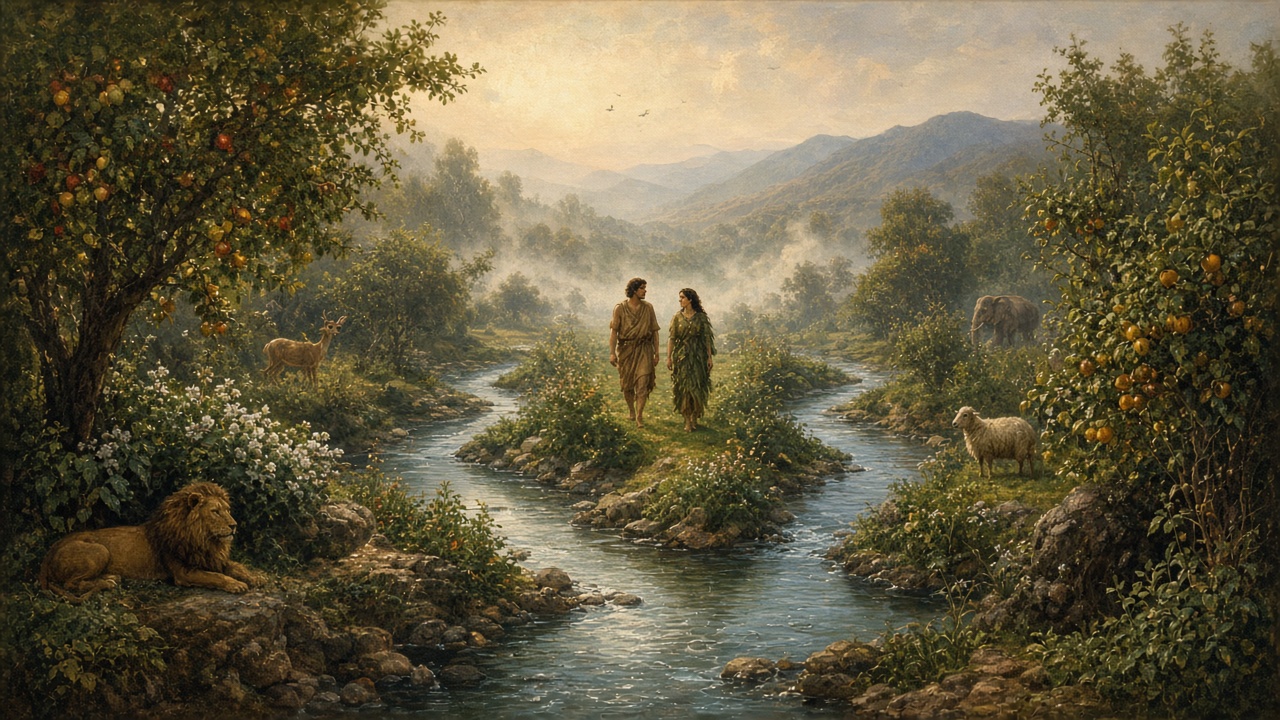
8Hèia Ama LAMATUA bhoke oka cue ètu rai Eden, re bèka dhimu. Hèia Na hia dhèu ne pea ètu dꞌara oka na. 9Ètu dꞌara oka èèna, Na pamamuri rupa-rupa ajꞌu dhu beꞌa, dhu dhèu bisa raꞌa. Aa Na pamamuri kahèi ajꞌu dua kapua ètu talora aae oka èèna. Ladhe dhèu raꞌe hua nèti ajꞌu èci, na mamuri taa-taa. Aa ladhe dhèu raꞌe hua nèti ajꞌu èci hari, neꞌa hagꞌe mia dhu beꞌa, aa mia dhu karehe.
10Ètu era èèna, abhu loko èci dhu hae nèti dꞌara oka èèna. Loko èèna, èpa kacanga. 11Kacanga ka èci na, ngara na Pison. Nèngu ka dhu hae pale-lème rai Hawila dhu abhu hualaa ae-ae. 12Ètu era èèna ka, abhu poe-pai, ajꞌu dhu raa na hèu mèngi, dènge hadhu kaleꞌe. 13Kacanga ka dua, ngara na Gihon. Kacanga ne, hae pale-lème rai Kus. 14Kacanga ka tèlu, ngara na Tigris. Kacanga neꞌe ka, jꞌajꞌi mi too rai Asyur re ca bèka dhimu. Kacanga ka èpa, ngara na Efrat.
15Ka Ama LAMATUA hia dhèu pea ètu dꞌara Eden, ho na ladhe-leru oka èèna. 16Hèia Na hia paredha mi dhèu ne, aku Nèngu na, “Hua aajꞌu aaꞌi-aaꞌi ètu dꞌara oka ne, èu bisa muꞌa. 17Te ngaa èci dhu èu bisa boe muꞌa. Nuka hua nèti ajꞌu dhu neꞌa hagꞌe mia dhu beꞌa, aa mia dhu karehe. Ladhe muꞌa, èu madhe dènge.”
18Ka Ama LAMATUA tuhu haru lii Na, aku Nèngu na, “Babeꞌa na aadꞌo, ladhe dhèu ne mamuri mesa na. De Jaꞌa neo pajꞌajꞌi hia ne, anga ca dhèu dhu pamèci dènge ne.”
19Lodꞌo èèna, Ama LAMATUA nare rai ciki, ka Na tao rupa-rupa badha dènge manu-bhui. Hèia Na pangèdꞌu si asa dhèu ne, sèna ka na pangare si. Ka dhèu ne pangare badha se dènge manu-bhui aaꞌi-aaꞌi ra, èci-èci ka dènge ngara ra. Te ngaa dhèu ne abhu mèka anga dhu pamèci dènge nèngu.
21Hèia Ama LAMATUA pabhèjꞌi luu dhèu neꞌe. Ropa na bhèjꞌi, Ama Lamatua nare rui karasa na calaa, ka Na pakateme hari nuꞌa deo na. 22Nèti rui ne, Na pajꞌajꞌi bhèni ca dhèu. Hèia Na pangèdꞌu bhèni ne mi dhèu èèna. 23Ropa ladhe nèdhi bhèni ne, ka dhèu na peka, aku nèngu na,
“Waaa! Neꞌe ne ku! Sèmi neꞌe ku, heka pamèci dènge jaꞌa kèna!
Rui na, sama èci èèna ka dènge rui jaꞌa.
Aa isi na, sama kahèi dènge isi jaꞌa.
Lula nèngu ne, jꞌajꞌi nèti dhèu mone, nèti èèna ka jaꞌa pangare ne, ‘dhèu bhèni’.”
24Nèti èèna ka, dhèu mone hudꞌi tèke eele ku ina-ama na,
ho laꞌe mamuri dꞌara èci dènge dhèu èmu-kamali na,
lula dua ra, jꞌajꞌi le èci.
25Lodꞌo èèna, dua ra dhu dènge boe mèdha-papake, te ngaa ra makae boe.
Did you know?
Adam, Eden, and the Four Rivers
- Adam, meaning “red,” is a Babylonian word and the ordinary name for a human being, with the same sense in Hebrew and in Assyrian. It was given to the first man. He was formed from the dust of the ground—hence the name—and God breathed into his nostrils the breath of life.Sources: Adam · the Bible text itself
- A river flowed out of Eden and divided into four headwaters: the Pishon, the Gihon, the Hiddekel, and the Euphrates. Some identify the Pishon with the Phasis or the Halys, others with the Indus, the Ganges, or still other rivers; the Gihon has been identified with the Nile, and others regard it as the Oxus, the Araxes, or the Ganges. The Hiddekel is the Tigris, called by the Accadians the river of Idikla; Gesenius understood the name as “the rapid Tigris.”Sources: the Bible text itself · Pison · Gihon · Hiddekel
- The site of Eden, the garden in which the first parents lived, has been discussed more than almost any other geographical question. It has been placed in Armenia, in the region west of the Caspian Sea, in Media, near Damascus, in Palestine, in southern Arabia, and in Babylonia. Easton's Bible Dictionary (1897) seeks it along the Tigris and the Euphrates of western Asia, in the land of Shinar, or Babylonia.Sources: Eden
Notes written with AI assistance from open sources (Theographic Bible Metadata, CC BY-SA 4.0; Easton’s Bible Dictionary, public domain) and reviewed before publishing.
Places in this chapter
- Assyria · 36.359, 43.153 · verse 14
- Euphrates · Today: Euphrates River · 31.004, 47.442 · verse 14
- Tigris · Today: Tigris River · 31.004, 47.442 · verse 14
Only places identified with high confidence are shown (90% or more according to the scholarly sources compiled by OpenBible). Period map: DARE (Digital Atlas of the Roman Empire), CC BY 4.0; modern map: © OpenStreetMap contributors; places: OpenBible.info (CC BY 4.0).
Credits and license for this translation
Dhao Alkitab
Genesis and the New Testament in the Dhao language of Indonesia
Kejadian dan Perjanjian Baru dalam bahasa Dhao
copyright © 2012 Unit Bahasa dan Budaya
Language: Dhao
Translation by: Wycliffe Bible Translators
This translation is made available to you under the terms of the
Creative Commons Attribution-No Derivatives license 4.0.
You may share and redistribute this Bible translation or extracts from it in any format, provided that:
You include the above copyright and source information.
You do not make any derivative works that change any of the actual words or punctuation of the Scriptures.
Pictures included with Scriptures and other documents on this site are licensed just for use with those Scriptures and documents.
For other uses, please contact the respective copyright owners.
2022-03-11
Source: http://ebible.org/nfa/ · eBible.org