Genesis 14
Dhao Alkitab · Tap a verse to see its cross-references.
Abram laꞌe parame nare Lot nèti kacui-aai musu
1Tèu èèna, dhèu aae èpa dhu paꞌèci. Rèngu se ka: Amrafel, dhèu aae rai Sinear. Ariok, dhèu aae rai Elasar, Kedarlaomer, dhèu aae rai Elam. Dènge Tideal, dhèu aae rai Goyim. 2Lodꞌo èèna, dhèu aae leo dhèu lèmi, paꞌèci kahèi. Nuka: Bera, dhèu aae rai Sodom. Birsa, dhèu aae rai Gomora. Sinab, dhèu aae rai Adema. Semeber, dhèu aae rai Seboim. Dènge Bela, dhèu aae rai Soar. Ka èpa dhèu aae se, lasi pamusu dènge lèmi dhèu aae sèra. 3Dhèu aae, dhèu lèmi sèra pakaboko dènge sordadꞌu ra, ètu dꞌara mamoo Sidim, (dhu limuri ne, ngara na Dhasi Madhe).
4Jꞌajꞌajꞌi pamusu na, sèmi neꞌe ka: Uru èèna, dhèu aae, dhèu lèmi se dhu taꞌalo mi dhèu aae Kedarlaomer, canguru dua tèu kèna. Te dꞌai tèu ka canguru tèlu, ka rèngu aaꞌi-aaꞌi ra labꞌa ne.
5Ka maso tèu ka canguru èpa, Kedarlaomer dènge angalai na dhèu aae dhèu tèlu sera, mai dènge sordadꞌu ra. Hèia ra pamusu ka, ka ra segi pèri-pèri rai. Nuka: dhèu Refaim ètu rai Asterot-Karnaim; dhèu Susim ètu rai Ham; dhèu Emim ètu rai Sawe-Kiryataim, 6dènge dhèu Hori dhu ètu ledhe Seir, dꞌai sebhe mamoo El Paran. 7Èle èèna ka, ra lèpa hari asa En Mispat (dhu limuri ne ngara na Kades). Ka ra segi rai dhèu Amalek, dènge dhèu Amori dhu pea ètu rae Haseson-Tamar.
8Hèia, lèmi dhèu aae se ator sordadꞌu ra ètu dꞌara mamoo Sidim, ka lasi pamusu dènge dhèu aae dhèu èpa sèra. 10Ètu dꞌara mamoo èèna, dhu abhu mananga èi dama pèri-pèri. Ropa ra pamusu, dhèu aae Sodom dènge dhèu aae Gomora dènge sordadꞌu ra, rai. Ka cahagꞌe manahu asa dꞌara mananga èi dama se. Aa cahagꞌe hari rai asa ledhe lasi. 11Ka èpa dhèu aae dhu segi se, lasi parame rèti mèdha-panyau dènge ngangaꞌa-nginu nèti Sodom dènge Gomora. Èèna ka, ra lèpa dènge ka.
12Te ngaa Lot, ana ari Abram, dhu pea ètu Sodom. Ka èpa dhèu aae sèra, ère rèti Lot si, dènge mèdha-panyau ra aaꞌi-aaꞌi.
13Te ngaa dhèu èci rai nèti era èèna. Ka laꞌe lolo dènge Abram, dhèu Ibrani èèna. (Lodꞌo èèna, dhèu Amori èci, ngara na Mamre. Aa Abram pea dètu dènge ajꞌu-ajꞌu aae unu Mamre. Aꞌari Mamre dhèu dua, ngara na Eskol dènge Aner. Rèngu se dhu paꞌanga dènge Abram.) 14Ropa Abram tadèngi na dhèu kèpe rèti le Lot, ana ari na, ka Abram pakaboko nare dhèu-dhèu sabꞌa na dhu reꞌa pamusu. Aaꞌi-aaꞌi ra 318 (tèlu ngasu canguru aru) dhèu. Ka lasi magèla èpa dhèu aae sèra, asa badae aae lasi dꞌai rae Dan.
15Ètu era èèna, Abram hagꞌe dhèu na sèra, mi pèri-pèri kaboko. Dꞌara mèda èèna kahèi, lasi age si, dènge jꞌara paꞌoke. Ka Abram si lasi bate dhèu se dꞌai rae Hoba, ètu bèka badae kota Damsik. 16Hèia Abram abhu hari Lot, dènge dhèu-dhèu nèngu, aa dènge mèdha-panyau ra aaꞌi-aaꞌi. Na abhu kahèi dhèu-dhèu leo.
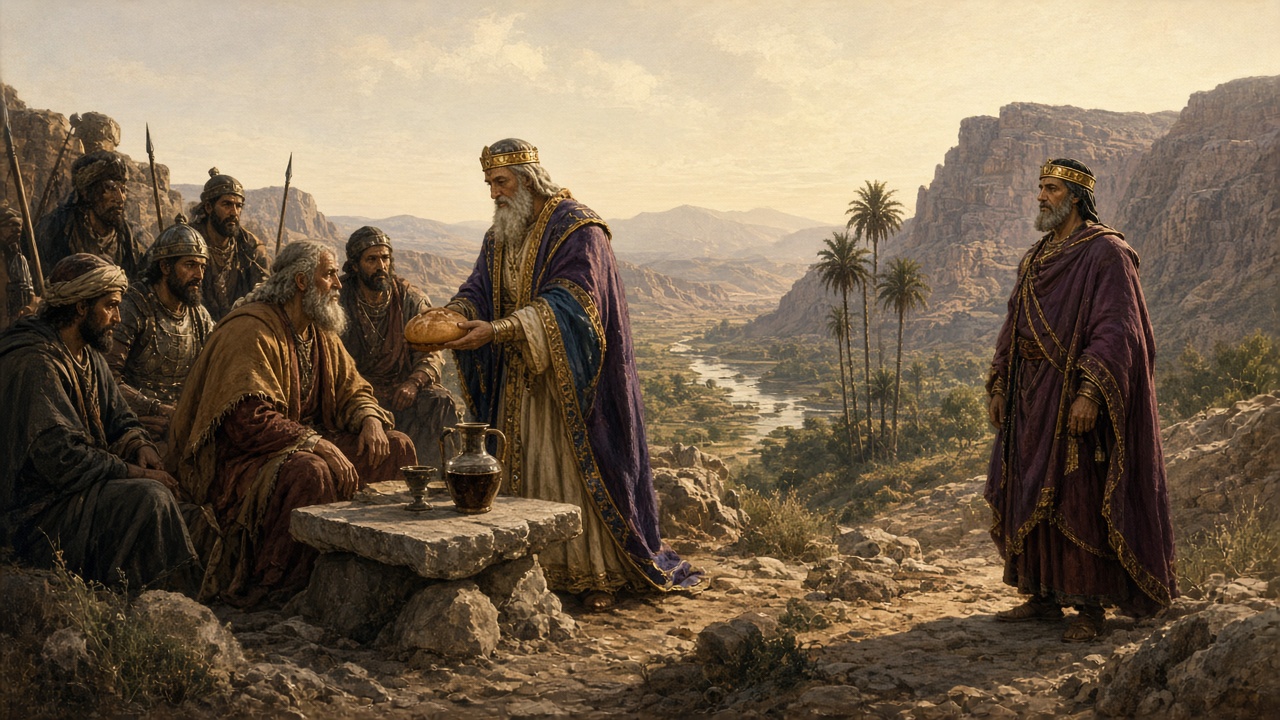
Melkisedek laꞌe paraga dènge Abram. Nèngu ne, ca dhèu dhèu aae aa ama agama kahèi
17Ropa Abram segi nare dhèu aae èpa sèra, ka na lèpa. Hèia dhèu aae Sodom mai soru ne ètu dꞌara mamoo Sawe (dhu dhèu biasa peka na, Mamoo Dhèu Aae). 18Tèu èèna, Melkisedek, jꞌajꞌi dhèu aae kota Salem. Aa nèngu ne jꞌajꞌi kahèi ama agama nèti Ama Lamatua dhu Dedha Risi Eele. Na mai soru Abram, nèti roti dènge èi hua anggor. 19Ka na padhai lii ho hia berkat mi Abram, aku nèngu na, “Jaꞌa sanao sèna ka Ama Lamatua, dhu Dedha Risi Eele èèna, dhu pajꞌajꞌi dedha-liru dènge rai-haha ne, hia mèngi-nale mi dedha èu. Koa-kio Ama Lamatua dhu hia le èu segi musu.”
Èle èèna ka, Abram bagi hia Melkisedek ca pala nèti canguru pala mèdha-panyau dhu na abhu hari sèra.
21Hèia dhèu aae Sodom èèna pahaha iisi na mi Abram, peka na, “Ama. Mèdha-panyau dhu èu abhu hari nèti musu jaꞌa sèra, hudꞌi laa ama ku abhu aaꞌi si. Te ngaa dhu jaꞌa manèngi hari, dhoka dhèu-dhèu jaꞌa sèra.”
22Hèia Abram bꞌala ne, peka na, “Jaꞌa subha ètu madha Ama Lamatua dhu Dedha Risi Eele, dhu tao dedha-liru dènge rai-haha, 23na, jaꞌa kore boe mèdha-panyau èu, masi ka ciki èèna ka. Masi ka loa hèngu caꞌèta sa, jaꞌa kore boe. Dènge jꞌara sèmi neꞌe, èu baku peka na, ‘Kakaja Abram sèra mai nèti jaꞌa.’ 24Jaꞌa parluu boe ngaa-ngaa. Dhoka mia dhu dhèu jaꞌa se pake le, sèra èle le, ale ia ka. Aa hudꞌi laa, angalai jaꞌa dhèu tèlu se: Aner, Eskol dènge Mamre, hagꞌe rare unu rèngu di.”
Did you know?
The Campaign of the Four Kings
- Easton's Bible Dictionary (1897) identifies the four invading kings with names on ancient inscriptions: Chedorlaomer with Khudur-Lagamar of Elam, Amraphel with Khammu-rabi of Shinar (southern Chaldea), Arioch, king of Ellasar, with Eri-Aku of Larsa, and Tidal with Tudkhula. It explains Eri-Aku as an Elamite name meaning “servant of the moon-god,” later changed to Rimsin, and takes Goiim—“nations”—as Gutium, east of the Tigris and north of Elam.Sources: Chedorlaomer · Amraphel · Arioch (king of Ellasar) · Tidal
- The five local kings drew up for battle in the Valley of Siddim, which this chapter equates with the Salt Sea, and the valley was full of tar pits into which some of the fleeing men fell. Easton's Bible Dictionary places that valley at the south end of the Dead Sea, between Engedi and the cities of the plain, and calls the pits bitumen pits.Sources: the Bible text itself · Vale of Siddim
- Abram lived near the oaks of Mamre the Amorite, a brother of Eshcol and Aner, and the three were bound by treaty to him. Easton's Bible Dictionary calls Mamre and Eshcol Amorite chiefs and Aner a Canaanite chief, and notes that they joined Abram in pursuing Chedorlaomer and recovering Lot.Sources: the Bible text itself · Mamre · Eshcol · Aner
Notes written with AI assistance from open sources (Theographic Bible Metadata, CC BY-SA 4.0; Easton’s Bible Dictionary, public domain) and reviewed before publishing.
Places in this chapter
- Elam · 32.189, 48.258 · verses 1, 9
- Shinar · Today: Babylonia · 32.543, 44.422 · verses 1, 9
- Salt Sea · Today: Dead Sea · 31.500, 35.500 · verse 3
- Shaveh-kiriathaim · Today: within 1 km of Al Qurayyat · 31.541, 35.686 · verse 5
- Dan · Today: Tel Dan · 33.249, 35.652 · verse 14
- Damascus · 33.511, 36.306 · verse 15
- Valley of Shaveh · Today: intersection of Kidron Valley and Valley of Hinnom · 31.767, 35.236 · verse 17
- Salem · Today: Jerusalem · 31.777, 35.234 · verse 18
Only places identified with high confidence are shown (90% or more according to the scholarly sources compiled by OpenBible). Period map: DARE (Digital Atlas of the Roman Empire), CC BY 4.0; modern map: © OpenStreetMap contributors; places: OpenBible.info (CC BY 4.0).
Credits and license for this translation
Dhao Alkitab
Genesis and the New Testament in the Dhao language of Indonesia
Kejadian dan Perjanjian Baru dalam bahasa Dhao
copyright © 2012 Unit Bahasa dan Budaya
Language: Dhao
Translation by: Wycliffe Bible Translators
This translation is made available to you under the terms of the
Creative Commons Attribution-No Derivatives license 4.0.
You may share and redistribute this Bible translation or extracts from it in any format, provided that:
You include the above copyright and source information.
You do not make any derivative works that change any of the actual words or punctuation of the Scriptures.
Pictures included with Scriptures and other documents on this site are licensed just for use with those Scriptures and documents.
For other uses, please contact the respective copyright owners.
2022-03-11
Source: http://ebible.org/nfa/ · eBible.org