Galatians 6
Dhao Alkitab · Tap a verse to see its cross-references.
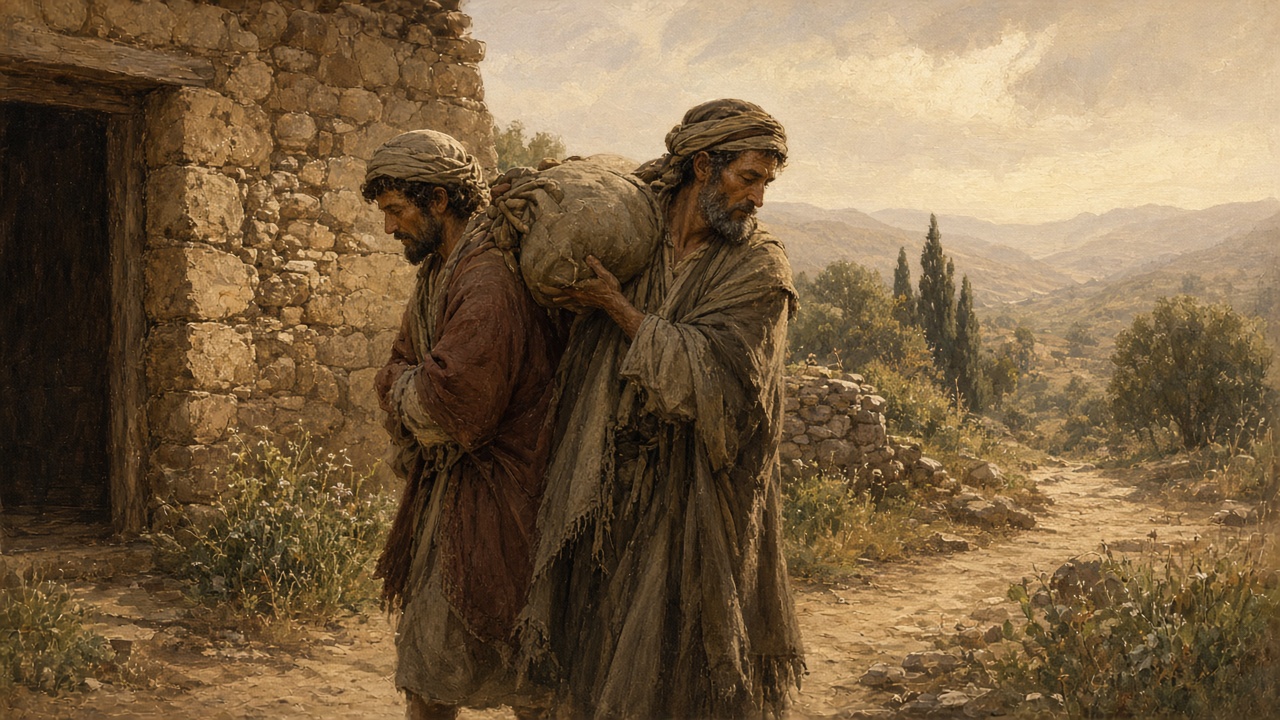
Èci soru-bara èci
1Aꞌari aaꞌi-aaꞌi! Ladhe abhu dhèu parcaya ca dhèu dhu tao sala, na, miu dhu meꞌa tareꞌa-reꞌa dadꞌèi Roh Lamatua, lami padhai lii mako-mako dènge ne dènge dꞌara mola. Hèia mèti hari ne, sèna ka madhutu jꞌara dhu lèke nèti Lamatua. Te ngaa jꞌaga ngiꞌu mi, sèna ka baku manahu asa sasala na èèna. 2Ladhe dhèu paraga dènge sasusa, na, miu dhu leo lami soru-bara ne. Te dènge sèmi èèna, miu tao le madhutu atora nèti Kristus. 3Ladhe abhu dhèu padedha iisi, peka na, nèngu risi nèti dhèu leo, aa te ngaa aadꞌo sèmi èèna, na, nèngu tipu ngiꞌu nèngu unu na. 4De ca dhèu-dhèu ka hudꞌi parisa ku ngaa dhu nèngu adꞌu-ue. Ladhe ngaa dhu nèngu tao ne beꞌa le, pe neꞌa unu na. Mage pasèku dènge tatao dhèu leo. 5Jaꞌa peka sèmi èèna, lula ca dhèu-dhèu ka dhu tago nare unu na, ngaa dhu nèngu tao. 6Te ngaa dhèu dhu sèmi nare le lii holo-nori Lamatua, nèngu hudꞌi pabagi ku rui-jꞌajꞌèra na, ho soru-bara dhèu dhu ajꞌa-nori nèngu.
7Sanèdꞌe, ee! Ama Lamatua neꞌa aaꞌi mèu-mèu. De baku tipu ngiꞌu miu unu mi, aa baku neo tipu Lamatua. Lula, ngaa dhu dhèu sèle ètu dꞌara oka-tedhe, pe nèngu abhu hari hua-hela na. 8Sèmi èèna kahèi, ladhe dhèu adꞌu-ue jꞌara bhelu-katubꞌa madhutu dadꞌèi na, pe na dui nare hari mamuri dhu ele iie. Te ngaa ladhe dhèu tao jꞌara beꞌa madhutu dadꞌèi Roh Mola-Mèci, pe nèngu abhu hari mamuri dhu lèke toke dꞌai mia-mia. 9Nèti èèna ka, miu baku roca tao jꞌara dhu beꞌa. Te ropa dꞌai lodꞌo na, èdhi abhu hari jꞌara dhu beꞌa, sadꞌi èdhi taha taruu. 10De ropa èdhi abhu lodꞌo dhu taleo, na, èdhi tao mema ka jꞌara-jꞌara dhu beꞌa hia mi dhèu aaꞌi-aaꞌi ra, risi-risi mi aꞌari èdhi dhèu parcaya sèra.
Paulus paꞌèle sasuri na
11Sasuri neꞌe, jaꞌa ka suri unu ku, pake huruf dhu kapai aae hua. 12Sanèdꞌe, ee! Dhèu kapodꞌe-kabèli sèra lèka kahèi mi Yesus Kristus dhu madhe ètu ajꞌu palolo-palèbha. Te ngaa rèngu laka-seti miu ho suna, lula ra madhaꞌu dènge dhèu Yahudi leo, rèngu mage dhèu se pajꞌèra si, ladhe rèngu ajꞌa, peka na, Ama Lamatua sèmi nare kahèi dhèu dhu madhutu boe atora suna. Nèti èèna ka, rèngu se dꞌèi solo-mako dhèu Yahudi sèra. 13Masi ka rèngu dhu suna le, te ngaa rèngu unu ra madhutu aaꞌi boe atora agama sèra. Rèngu dꞌèi ho miu madhutu suna, sèna ka jꞌajꞌi dhèu rèngu. Dènge jꞌara neꞌe, partei ra dedꞌe padedha-dedha rèngu.
14Te ngaa jaꞌa ne dꞌèi dhoka dedꞌe padedha-dedha Kètu èdhi, Yesus Kristus. Nèngu madhe ètu ajꞌu palolo-palèbha, sèna ka pamadhe aaꞌi bhabhelu-katubꞌa dhu dhèu adꞌu-ue madhutu dadꞌèi rai-haha ne. Nèti èèna ka, jaꞌa pusi-pahae heka dènge dadꞌèi rai-haha. Aa dadꞌèi rai-haha ne èki heka jaꞌa. 15Suna, do aadꞌo, ngaa-ngaa tao boe. Te ngaa dhu karisi, nuka èdhi abhu mamuri hiu nèti Lamatua. 16Jaꞌa manèngi sèna ka Ama Lamatua padꞌelo sasue Na mi dhèu aaꞌi-aaꞌi dhu madhutu aꞌajꞌa jaꞌa ne, ho rèngu mamuri padame, aa padꞌelo rasa kasia èci dènge èci. Te rèngu jꞌajꞌi le suku dhu hiu nèti Ama Lamatua.
17Jaꞌa peka mola-mola kèna, na, jaꞌa dꞌèi sèna ka dhèu sèku ia ka jaꞌa dènge lii langu suna ne. Te ètu ngiꞌu jaꞌa ne dènge tadha nuꞌa era, lula jaꞌa sabꞌa hia Yesus Kristus.
18Aꞌari aaꞌi-aaꞌi! Jaꞌa manèngi sèna ka Kètu èdhi, Yesus Kristus, padꞌelo dꞌara hua iia Na asa miu aaꞌi-aaꞌi mi.
Dꞌai sange neꞌe ka.
Lii mahoꞌo nèti jaꞌa,
Paulus
Did you know?
Burdens, the Harvest, and the Cross
- The chapter sets two duties side by side. Those who are spiritual should restore with gentleness someone caught in a trespass, and carry one another's burdens, which the letter calls fulfilling the law of Christ. Each person, however, should test his own work and carry his own load, rather than think he is something when he is nothing and boast by comparing himself with someone else.Sources: the Bible text itself
- The writer uses the image of sowing and reaping: God is not to be mocked, and a person reaps what he sows. The one who sows to please the flesh reaps destruction from the flesh; the one who sows to please the Spirit reaps eternal life from the Spirit. Readers are urged not to grow weary in doing good, for in due time they will reap a harvest if they do not give up, and to do good to all, especially to the family of faith.Sources: the Bible text itself
- The writer calls attention to the large letters he is using as he writes with his own hand. He says that some try to compel circumcision in order to make a good outward impression, to avoid persecution for the cross of Christ, and to boast in the flesh of others, though the circumcised do not themselves keep the law. He asks never to boast except in the cross of our Lord Jesus Christ, says that neither circumcision nor uncircumcision means anything and that what counts is a new creation, and states that he bears on his body the marks of Jesus.Sources: the Bible text itself
Notes written with AI assistance from open sources (Theographic Bible Metadata, CC BY-SA 4.0; Easton’s Bible Dictionary, public domain) and reviewed before publishing.
Credits and license for this translation
Dhao Alkitab
Genesis and the New Testament in the Dhao language of Indonesia
Kejadian dan Perjanjian Baru dalam bahasa Dhao
copyright © 2012 Unit Bahasa dan Budaya
Language: Dhao
Translation by: Wycliffe Bible Translators
This translation is made available to you under the terms of the
Creative Commons Attribution-No Derivatives license 4.0.
You may share and redistribute this Bible translation or extracts from it in any format, provided that:
You include the above copyright and source information.
You do not make any derivative works that change any of the actual words or punctuation of the Scriptures.
Pictures included with Scriptures and other documents on this site are licensed just for use with those Scriptures and documents.
For other uses, please contact the respective copyright owners.
2022-03-11
Source: http://ebible.org/nfa/ · eBible.org