Ephesians 6
Dhao Alkitab · Tap a verse to see its cross-references.
Èci hudꞌi nanene èci, nuka sèmi: ana-ana dènge ina-ama ra
1Sèmi èèna kahèi ana-ana! Miu hudꞌi mamuri nanene ku ina-ama mi, te èèna ka dhu pamèci dènge dadꞌèi dꞌara Lamatua èdhi. 2Ètu dꞌara Sasuri Mola-Mèci Ama Lamatua, suri tèke le, peka na, “Èu hudꞌi pakabꞌua ku ina dènge ama mu.” Neꞌe ne lii paredha Ama Lamatua dhu uru tèka, dhu dènge lii pajaji. 3Te lodꞌo Lamatua hia paredha èèna, Nèngu moa kahèi, peka na, “Ladhe èu tao madhutu sèmi èèna, pe èu abhu mèngi-nale ae-ae, aa mamuri èu madhii-manèro.”
4Sèmi èèna kahèi, ina-ama sèra! Miu baku ènyi aa lii taka leli ana-ana miu, te aadꞌo na, ra nasa ka ra parui. Beꞌa risi miu lalau-laloꞌo si paie-iie, aa nori si nèti ana iiki mai ho madhutu jꞌara Lamatua. Ladhe ra tao sala, nori si dènge beꞌa madhutu dadꞌèi Lamatua.
Èci hudꞌi nanene èci, nuka sèmi: dhèu sabꞌa dènge lamatua ra
5Sèmi èèna kahèi dènge dhèu-dhèu sabꞌa! Miu hudꞌi madhaꞌu ku dènge lamatua dhu paredha miu ètu rai-haha ne, aa nanene ne. Baku sabꞌa dènge dꞌara cabèka, te ngaa madhutu dadꞌèi lamatua dènge dꞌara kateme, nuka sèmi miu madhutu dadꞌèi Kristus dènge beꞌa. 6Te miu dhèu sabꞌa unu Kristus. De ètu rai-haha ne miu baku sadꞌi sabꞌa di, lula lamatua dhu ladhe miu. Te ngaa sabꞌa dènge dꞌara majꞌèni hia lamatua mi, masi ka nèngu aadꞌo ètu madha. Te èèna ka dhu madhutu dadꞌèi Ama Lamatua. 7De sabꞌa sasabꞌa miu dènge dꞌara kateme hia lamatua miu ètu rai-haha ne, nuka sèmi miu sabꞌa hia Ama Lamatua, Kètu èdhi. 8Lula èdhi teꞌa, na, bèli-camèdꞌa Ama Lamatua bꞌala hia dhèu dhu tao jꞌara beꞌa. Masi ka rèngu dhèu sabꞌa do, lamatua do, ènu do, ènu boe do, Nèngu bꞌala aaꞌi mèu-mèu si.
9Sèmi èèna kahèi, lamatua sèra! Baku miu jꞌege pamadhaꞌu leli dhèu dhu sabꞌa hia miu sèra. Te rèngu dènge Lamatua ètu sorga kahèi, èci èèna ka dènge miu. Ama Lamatua ladhe boe rèhu dhèu, te ngaa Na nanene dhèu cee èèna ka. Masi ka lamatua do, dhèu sabꞌa do, Na nanene si aaꞌi-aaꞌi.
Pake rèka nèti Ama Lamatua, sèna ka titu dènge èra
10Nanene pabeꞌa-beꞌa lii padhai jaꞌa dhu limuri tèka ne. Miu hudꞌi kèpe paꞌèra-èra ku parcaya miu mi Ama Lamatua, lula Nèngu ka Kètu miu, aa koasa Na dhu dedha risi eele aaꞌi si. Èèna na dhu bisa paꞌèra miu! 11Sordadꞌu dènge rèka ho labꞌa musu ra. Sèmi èèna kahèi, Lamatua neo pake miu sèmi sordadꞌu. Te Nèngu neo miu labꞌa aaꞌi jꞌara-jꞌara bhelu-katubꞌa dhu dhèu aae nidhu adꞌu-ue. Nèti èèna ka, miu hudꞌi paꞌèra ku, sèna ka pake aaꞌi rèka nèti Ama Lamatua. 12Te èdhi ètu dꞌara pamusu! Èdhi labꞌa boe musu dhèu rai-haha, te ngaa èdhi labꞌa koasa bhabhelu dhu èdhi tèdhi boe, labꞌa dhu rèdꞌu paredha, labꞌa koasa maroga, aa labꞌa jꞌara-jꞌara bhelu-katubꞌa. 13De miu hudꞌi paꞌèra pake rèka aaꞌi-aaꞌi nèti Ama Lamatua sèna ka bèli-camèdꞌa, ropa dꞌai lodꞌo-lodꞌo bhabhelu-katubꞌa, miu bisa labꞌa taruu. Te ladhe miu taha, miu bisa segi.
14De miu hudꞌi titu paꞌèra-èra! Parcaya dhoka Lii Holo-Nori Lamatua dhu lèke, te èèna nuka sèmi miu dhu bori dhari hake sordadꞌu. Mamuri mola, te èèna sama sèmi miu silu kodho bèsi paꞌabhe kakara. 15Paꞌèra ho lami peka-padhai Lii Lolo Beꞌa dhu padꞌelo jꞌara, sèna ka dhèu bisa mamuri padame dènge Ama Lamatua, te èci èèna ka dènge miu pake salapa sordadꞌu. 16Parcaya taruu mi Lamatua, te parcaya èèna sama sèmi mèdha èci dhu sordadꞌu pake ho sili iisi nèti rèka musu. Dènge parcaya sèmi èèna, miu bisa pamadhe ai ètu isi kataki nidhu bhelu, dhu ra siri mi miu. 17Kèpe paꞌèra-èra lalèka miu dhu peka na, miu unu le mamuri nèti Ama Lamatua, te èèna sèmi sordadꞌu pake solo bèsi. Kèpe paꞌèra-èra Lii Holo-Nori Ama Lamatua nèti Roh Na dhu Mola-Mèci, te èèna sama sèmi sordadꞌu dhu kèpe samala.
18Ladhe miu neo titu èra, na, miu baku loe sabajꞌa pake koasa nèti Roh Mola-Mèci Ama Lamatua. Jꞌaga taruu aa baku bhèlu sabajꞌa hia dhèu unu Lamatua buli mia-mia. 19Aa baku bhèlu kahèi sabajꞌa hia jaꞌa. Manèngi sèna ka Ama Lamatua hia kahèi lii holo-nori Na, sèna ka jaꞌa bisa peka mola-mola naneo Na mi dhèu leo. 20Masi ka jaꞌa jꞌajꞌi ana bèdho, te ngaa Lamatua Yesus pua-paleha jaꞌa, sèna ka jꞌajꞌi mi ai gꞌana Nèngu. De sabajꞌa hia jaꞌa, ho jaꞌa baku madhaꞌu padhai dhu lèke, te èèna ka dhu jꞌajꞌi sasabꞌa-laꞌa jaꞌa!
Paulus suri paꞌèle sasuri na
21Jaꞌa dꞌèi sèna ka miu meꞌa mèu mamuri jaꞌa. Nèti èèna ka, jaꞌa pua Tikikus dhiu asa miu. Nèngu ne, aꞌari pasue jaꞌa, aa na majꞌèni pakako sasabꞌa Kètu èdhi, Yesus Kristus. 22Hudꞌi laa na lole jꞌara-jꞌara mamuri èdhi ètu neꞌe. Aa jaꞌa neo, sèna ka na paꞌèra dꞌara miu kahèi.
23Jaꞌa manèngi Ama èdhi, Ama Lamatua, dènge Kètu èdhi, Yesus Kristus, ho tao miu mamuri padame èci dènge èci, aa pasue èci dènge èci, lula miu parcaya mi Rèngu. 24Jaꞌa manèngi-mangajꞌi kahèi, sèna ka Kètu èdhi, Kristus padꞌelo dꞌara hua iia Na mi dhèu aaꞌi-aaꞌi dhu sue Ne taruu.
Sasuri jaꞌa, dꞌai sange neꞌe ka.
Saloom,
Paulus
Did you know?
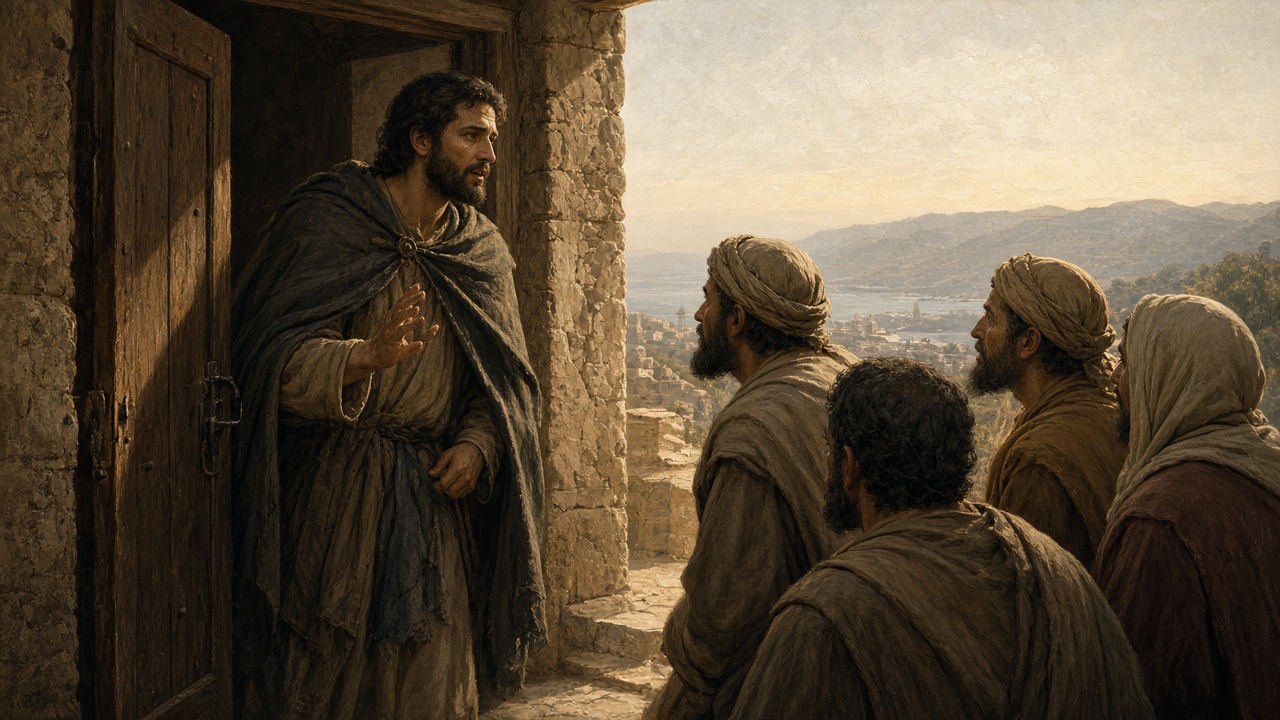
Household duties, God's armor, and Tychicus
- This chapter presents the command to honor one's father and mother as the first commandment with a promise: that it may go well with you and that you may have a long life on the earth. It also tells fathers not to provoke their children to wrath, but to bring them up in the discipline and instruction of the Lord.Sources: the Bible text itself
- The chapter says the struggle is not against flesh and blood, but against rulers, authorities, the powers of this world's darkness, and spiritual forces of evil in the heavenly realms. Readers are urged to take up the full armor of God—a belt of truth, a breastplate of righteousness, feet fitted with the readiness of the gospel of peace, a shield of faith, a helmet of salvation, and the sword of the Spirit, which is the word of God—so they can stand when the day of evil comes.Sources: the Bible text itself
- The writer asks for prayer to proclaim the gospel fearlessly as an ambassador in chains, and sends Tychicus, the beloved brother and faithful servant in the Lord, to tell the readers how he is and to encourage them. Tychicus is described as an Asiatic Christian who, with Trophimus, accompanied Paul on part of the journey from Macedonia to Jerusalem and was with Paul at Rome, from where he was sent to Ephesus, probably to build up and encourage the church.Sources: the Bible text itself · Tychicus
Notes written with AI assistance from open sources (Theographic Bible Metadata, CC BY-SA 4.0; Easton’s Bible Dictionary, public domain) and reviewed before publishing.
Credits and license for this translation
Dhao Alkitab
Genesis and the New Testament in the Dhao language of Indonesia
Kejadian dan Perjanjian Baru dalam bahasa Dhao
copyright © 2012 Unit Bahasa dan Budaya
Language: Dhao
Translation by: Wycliffe Bible Translators
This translation is made available to you under the terms of the
Creative Commons Attribution-No Derivatives license 4.0.
You may share and redistribute this Bible translation or extracts from it in any format, provided that:
You include the above copyright and source information.
You do not make any derivative works that change any of the actual words or punctuation of the Scriptures.
Pictures included with Scriptures and other documents on this site are licensed just for use with those Scriptures and documents.
For other uses, please contact the respective copyright owners.
2022-03-11
Source: http://ebible.org/nfa/ · eBible.org