Romans 15
Abware̱se̱ŋ Wo̱re̱-ɔ · Tap a verse to see its cross-references.
1Amo̱se̱‑ɔ, ane̱ ne̱ ane̱ e̱ kɔɔre̱ Kristoo ane̱ i gyi keŋkeŋ‑o de̱e̱ nyite bamo̱ ne̱ bamo̱ ko̱kɔɔre̱gyi mo̱ŋ kyɔ bo̱ le̱e̱ ane̱ŋ ne̱ ba kisi ko̱tɔko̱ se̱. Na ane̱ de̱e̱ waa ke̱tɔ ne̱ ki i gyi bamo̱ akatɔ‑ɔ. Ane̱ ma waa ke̱tɔ ne̱ ki i gyi ane̱ wo̱re̱ akatɔ‑ɔ. 2Ane̱ ɔke̱maa de̱e̱ waa ke̱tɔ ne̱ ki i gyi mò̱ ko̱so̱bɛɛ Kristoonyi akatɔ‑ɔ, na ke̱ nya waa mò̱ daŋ, na ɔ kya mò̱‑rɔ, ane̱ŋ ne̱ mò̱ ko̱kɔɔre̱gyi e̱ nya a ko̱ waa ko̱kyɔ‑ɔ. 3Ŋu fe̱yɛ Kristoo gbaa, n gye̱ ke̱tɔ ne̱ ke̱ e̱ pre̱ mò̱ fɔŋfɔŋ‑ɔ ne̱ ɔɔ waa. Ɔɔ waa fe̱yɛ ɔko̱ ne̱ ɔɔ kyo̱rɛɛ Wuribware̱ kuŋu si ase̱ŋ waa abware̱se̱ŋ wo̱re̱‑ɔ‑rɔ‑ɔ,
“Asaagyi ne̱ baa tu we̱e̱ Wuribware̱ se̱‑ɔ
a laŋŋe̱ a gya mo̱ se̱ mbe̱yɔmɔ.”
4Mbe̱yɔmɔ ke̱tɔ ke̱maa ne̱ ke̱ bo̱ abware̱se̱ŋ wo̱re̱‑ɔ‑rɔ le̱e̱ hare̱e̱ de̱daa‑ɔ, baa kyo̱rɛɛ bo̱ kaapo̱ ane̱ ne̱e̱, na ane̱ nya ŋu ane̱ŋ ne̱ Wuribware̱ a kya bamo̱ ne̱ baa taare̱ gyi awo̱re̱fɔɔ‑rɔ kanyite‑o‑ro‑o. Ane̱ŋ a atɔ ke̱kare̱‑ɔ e̱ sa ane̱ wɔre̱ na te̱maa. 5Amo̱ a tɛɛ a gye̱ fe̱yɛ Wuribware̱ e̱ gye̱ ne̱ ɔ sa mo̱ne̱ kanyite na wɔre̱‑ɔ, amo̱ fe̱raa ane̱ e̱ ko̱re̱ mò̱ ne̱e̱ fe̱yɛ ɔ sa a mo̱nꞌ nyite abɛɛ, fe̱yɛ ane̱ŋ ne̱ Kristoo Yeesuu a nyite bo̱ko̱‑ɔ. 6Ane̱ŋ‑ɔ na mo̱ne̱ nnɔ nya twɛɛ abɛɛ se̱, na mo̱nꞌ waa kanɔ kyo̱rɔ Wuribware̱ ne̱ ɔ gye̱ ane̱ nyaŋpe̱ Yeesuu Kristoo mò̱ se̱‑ɔ. 7Ane̱ŋ se̱‑ɔ, mo̱ne̱ ma kine abɛɛ, fe̱yɛ ane̱ŋ dɛɛ ne̱ Kristoo gbaa mo̱ŋ kine mo̱ne̱‑ɔ. Na Wuribware̱ nya nkyo̱rɔ na wuraa.
Ane̱ŋ ne̱ abware̱se̱ŋ wo̱re̱‑ɔ a tɔwe̱ fe̱yɛ nde̱ se̱ awuye e̱ kyo̱rɔ Wuribware̱‑ɔ
8Ke̱tɔ ne̱ mo̱ e̱ kaapo̱‑ɔ e̱ gye̱ fe̱yɛ Kristoo a ba fe̱yɛ ɔ bo̱ waa kusuŋ bo̱ sa Yudaa awuye‑o ne̱e̱, na ke̱tɔ ne̱ Wuribware̱ a tɔwe̱ bo̱ be̱ya fe̱yɛ ɔ waa a ɔ sa bamo̱ ade̱daapo̱‑ɔ nya waa kase̱ŋtiŋ. 9Mfaanɛɛ se̱‑ɔ, na nde̱ se̱ awuye taare̱ kyo̱rɔ Wuribware̱ bo̱ le̱e̱ ane̱ŋ ne̱ mbe̱yɔmɔ oo ŋu bamo̱ e̱wɛɛ‑ɔ se̱. Fe̱yɛ ane̱ŋ ne̱ baa kyo̱rɔ Wuribware̱ mò̱ abware̱se̱ŋ wo̱re̱‑ɔ‑rɔ‑ɔ,
“Amo̱se̱‑ɔ, mo̱ e̱ kyo̱rɔ fo̱ a n gywii nde̱ se̱ awuye,
na ŋ waa iliŋ bo̱ daa fo̱ bamo̱ akatɔ‑rɔ.”
10Ne̱ baa be̱e̱ kyo̱rɛɛ fe̱yɛ, “Nde̱ se̱ awuye,
mo̱nꞌ bo̱ tii Wuribware̱ ase̱sɛ‑ɔ se̱ kyo̱rɔ mò̱.”
11Ne̱ baa be̱e̱ kyo̱rɛɛ fe̱yɛ,
“Nde̱ se̱ awuye eee, mo̱nꞌ ba a ane̱ kyo̱rɔ Wuribware̱.
Ase̱sɛ pɛɛɛ mɔ, mo̱nꞌ waa iliŋ bo̱ daa mò̱.”
12Mo̱nꞌ be̱e̱ ke̱e̱ ke̱tɔ ne̱ Isaya a kyo̱rɛɛ‑ɔ,
“Yɛse̱e̱ mò̱ ke̱nanagyi ɔko̱ e̱ ba a ɔ bo̱ ba.
Mò̱ e̱ gye̱ ne̱ ɔ ko̱so̱ na ɔ de̱e̱re̱
nde̱ se̱ awuye pɛɛɛ se̱
na bo̱ bo̱ kɔɔre̱ mò̱ gyi.”
13Mo̱ e̱ ko̱re̱ ke̱bware̱ko̱re̱ ne̱e̱ fe̱yɛ ane̱ŋ ne̱ mo̱ne̱ e̱ kɔɔre̱ Wuribware̱ mo̱ne̱ i gyi‑o si‑o, Wuribware̱ ne̱ ɔ sa ne̱ mo̱ne̱ e̱ kɔɔre̱ mo̱ne̱ i gyi fe̱yɛ mo̱ne̱ e̱ yɔ so̱so̱‑ɔ sa mo̱ne̱ kakatɔgyi bwe̱e̱tɔ na kaye̱e̱yuri, na Wuribware̱ a kufwiiŋe timaa a ke̱yaale̱ŋ‑ɔ nya sa a mo̱ne̱ te̱maa‑ɔ de̱e̱ tii si bwe̱e̱tɔ.
14Mo̱ ko̱so̱bɛɛ‑ana, a mo̱ŋ gye̱ fe̱yɛ ma kɔɔre̱ mo̱ne̱ mo̱ i gyi ne̱e̱ se̱ ne̱ mo̱ e̱ kyo̱rɛɛ ase̱ŋ mɔ mo̱ e̱ kyo̱ŋwe̱ mo̱ne̱. Amaa mo̱ a kɔɔre̱ gyi ne̱e̱ fe̱yɛ mo̱ne̱ e̱ waa abɛɛ ke̱dame̱naŋsɛ saŋ ke̱maa, ne̱ mo̱ne̱ de kanyiase̱ŋ ne̱ mo̱ne̱ e̱ taare̱ mo̱ne̱ de kamo̱ mo̱ne̱ e̱ kaapo̱ abɛɛ atɔ. 15Amaa mo̱ a kyo̱rɛɛ ase̱ŋ mɔ bo̱ kyo̱ŋwe̱ mo̱ne̱ le̱ŋle̱ŋ ne̱e̱ na a nya nyiŋŋi mo̱ne̱ ke̱tɔ ne̱ mo̱ne̱ kyɔ mo̱ne̱ nyi‑o si. Mo̱ e̱ taare̱ a ŋ waa ane̱ŋ, a le̱e̱ fe̱yɛ Wuribware̱ ya sa mo̱ kpa fe̱yɛ ŋ kii Yeesuu Kristoo ke̱yaafɔre̱, na ŋ waa kusuŋ sa mo̱ne̱ ne̱ mo̱ne̱ mo̱ŋ gye̱ Yudaa awuye‑o. Fe̱yɛ ane̱ŋ ne̱ Wuribware̱ ɔlɔŋŋɔpo̱ kusuŋ e̱ gye̱ fe̱yɛ ɔ ba kabo̱ a ɔ bo̱ lɔŋŋɔ Wuribware̱‑ɔ, mo̱ kusuŋ e̱ gye̱ fe̱yɛ n tɔwe̱ abware̱se̱ŋ gywii mo̱ne̱ ne̱ mo̱ne̱ mo̱ŋ gye̱ Yudaa awuye‑o. Na ŋkee n taare̱ taa mo̱ne̱ bo̱ sa Wuribware̱. Mò̱ akatɔ i gyi na ɔ kɔɔre̱ ke̱tɔ ne̱ n de bo̱ sa mò̱‑ɔ, a le̱e̱ fe̱yɛ Wuribware̱ a kufwiiŋe timaa‑o e̱ gye̱ ne̱ ɔɔ kpɛɛ iyisi ne̱ i te mo̱ne̱ se̱‑ɔ, na mo̱nꞌ nya waa ase̱sɛ ne̱ bo̱ bware Wuribware̱ ase̱‑ɔ.
17Amo̱se̱‑ɔ n de kpa fe̱yɛ, mo̱ a gye̱ Kristoo se̱sɛ‑ɔ se̱‑ɔ, ŋ kaapo̱ mo̱ e̱ye̱e̱ bo̱ le̱e̱ ke̱tɔ ne̱ mo̱ a waa sa Wuribware̱‑ɔ se̱. 18Amaa mo̱ e̱ daŋ duŋ ne̱e̱ na n tɔwe̱ ke̱mo̱ ne̱ Kristoo a ye̱re̱ mo̱ se̱ waa sa ne̱ nde̱ se̱ awuye‑o a bo̱ bu Wuribware̱‑ɔ, na mo̱ ase̱ŋ tɔwe̱sɛ, na mo̱ awaasɛ, na akpe̱ŋe̱ye̱e̱tɔ ne̱ mo̱ a waa‑ɔ, na Wuribware̱ a kufwiiŋe timaa a ke̱yaale̱ŋ‑ɔ, na ane̱ŋ ne̱ Kristoo a bo̱ waa amo̱ pɛɛɛ‑ɔ. Amo̱se̱‑ɔ mo̱ ke̱nare̱ kaa le̱e̱ Yɛro̱salɛm ya bo̱ fo̱ Ilirikum swe̱e̱re̱ se̱‑ɔ, mo̱ a tɔwe̱ ase̱ŋ timaa amo̱ ne̱ a gye̱ Kristoo kuŋu si ase̱ŋ‑ɔ gywii mfe̱ŋ to̱ŋ ke̱maa awuye‑o lo̱we̱. 20Mo̱ a kpa ne̱e̱ fe̱yɛ saŋ ke̱maa n tɔwe̱ ase̱ŋ timaa‑o to̱ŋ ko̱ ne̱ bo̱ mo̱ŋ tɛɛ nu Kristoo ke̱nyare̱ se̱‑ɔ. Mo̱ ya waa ane̱ŋ, saŋ‑ɔ a mo̱ŋ gye̱ fe̱yɛ ɔko̱ a talii ne̱ ɔɔ da‑ɔ se̱ ne̱ mo̱ e̱ pwɛɛ mo̱ e̱ gya se̱. 21Mo̱ e̱ waa amo̱‑ɔ ne̱e̱, fe̱yɛ ane̱ŋ ne̱ baa kyo̱rɛɛ waa abware̱se̱ŋ wo̱re̱‑ɔ‑rɔ‑ɔ,
“Na bamo̱ ne̱ bo̱ mo̱ŋ tɛɛ ya tɔwe̱ mò̱ ase̱ŋ‑ɔ
gywii bamo̱‑ɔ nya ŋu mò̱,
na bamo̱ ne̱ bo̱ mo̱ŋ tɛɛ nu‑o mɔ
nu amo̱ kaase̱.”
Mfe̱ŋ ne̱ Pɔɔl a kra fe̱yɛ ɔ be̱e̱ ɔ yɔ‑ɔ
22Bo̱ le̱e̱ ane̱ŋ ne̱ mo̱ a tu kpa bwe̱e̱tɔ ya tɔwe̱ abware̱se̱ŋ‑ɔ gywii ase̱sɛ bwe̱e̱tɔ‑ɔ se̱, ne̱ bo̱ fo̱ mbe̱yɔmɔ, mo̱ŋ tɛɛ taare̱ nya kpa bo̱ ka mo̱ne̱ kanɔ. 23Amaa mbe̱yɔmɔ fe̱raa, mo̱ŋ lɛɛ n de kusuŋ e̱swe̱e̱re̱ amo̱ se̱ a ŋ waa. Amo̱se̱‑ɔ amo̱ a gye̱ nsu kanɔ ŋko̱ ne̱e̱ fe̱yɛ mo̱ a kpa ke̱bo̱ŋu mo̱ne̱ ne̱ mo̱ŋ tɛɛ taare̱‑ɔ se̱‑ɔ, mo̱ e̱ kyo̱ŋ mo̱ e̱ yɔ Spaniya swe̱e̱re̱ se̱ mo̱ e̱ bo̱rɔ mo̱ne̱ aye̱, na ŋ ka mo̱ne̱ kanɔ. Na mo̱ ya bo̱ gyi akatɔ mo̱ne̱ ase̱ kafwe̱e̱, na mo̱nꞌ nya taare̱ kya mo̱‑rɔ, na n kya mo̱ kpa‑ɔ se̱. 25Amaa mbe̱yɔmɔ fe̱raa mo̱ e̱ kpa fe̱yɛ ŋ yɔ Yɛro̱salɛm maŋ‑nɔ ya kya Wuribware̱ ase̱sɛ ne̱ bo̱ bo̱ mfe̱ŋ‑ɔ‑rɔ. 26Ke̱tɔ se̱ ne̱ mo̱ e̱ yɔ mfe̱ŋ‑ɔ e̱ gye̱ fe̱yɛ asɔre̱e̱ ase̱sɛ ne̱ bo̱ bo̱ Makedoniya na Akaya e̱swe̱e̱re̱ se̱‑ɔ a da bamo̱ e̱ye̱e̱ se̱ fe̱yɛ ba kyo̱ŋwe̱ Kristoo awuye ne̱ ba wu kitiri, ne̱ bo̱ bo̱ Yɛro̱salɛm maŋ‑nɔ‑ɔ atanne̱. 27Bamo̱ fɔŋfɔŋ ya da bamo̱ ŋkpo̱nɔ se̱ kra ane̱ŋ a ase̱ŋ‑ɔ. Amaa kase̱ŋtiŋ fe̱raa, a kyɔ a tiri fe̱yɛ bo̱ sa Yudaa awuye atiripo̱ amo̱ ko̱tɔko̱. A le̱e̱ fe̱yɛ nde̱ se̱ awuye‑o a bo̱rɔ Yudaa awuye si nya ŋyure ne̱ ŋ ya le̱e̱ so̱so̱‑ɔ. Amo̱se̱‑ɔ neŋfo a bware fe̱yɛ bo̱ be̱e̱ sa bamo̱ kaye̱ mɔ‑rɔ atɔ ne̱ Wuribware̱ a bo̱ yure bamo̱‑ɔ ako̱. 28Mo̱ ya ŋu fe̱yɛ atanne̱‑ɔ a lwee bamo̱ ke̱sare̱e̱‑rɔ, na ŋkee, n kya se̱ yɔ Spaniya swe̱e̱re̱ se̱. Amaa mo̱ e̱ yɔ, mo̱ e̱ bo̱rɔ a ŋ ka mo̱ne̱ kanɔ. 29Ŋ nyi fe̱yɛ mo̱ ya bo̱ ka mo̱ne̱ kanɔ, a waa dɛɛ n de Kristoo ŋyure pɛɛɛ a m baa mo̱ne̱.
30Mo̱ ko̱so̱bɛɛ‑ana, mo̱ne̱ a gya ane̱ nyaŋpe̱ Yeesuu Kristoo ne̱ Wuribware̱ a kufwiiŋe timaa‑o a sa ne̱ mo̱ne̱ e̱ kpa mo̱ ase̱ŋ‑ɔ se̱‑ɔ se̱‑ɔ, mo̱ e̱ ko̱re̱ mo̱ne̱ ne̱e̱ fe̱yɛ mo̱nꞌ de̱e̱ kya mo̱‑rɔ ko̱re̱ ke̱bware̱ko̱re̱ keŋkeŋ sa mo̱. 31Mo̱nꞌ gye̱ ŋkpɛɛ ko̱re̱ ke̱bware̱ko̱re̱ fe̱yɛ Wuribware̱ lee mo̱ le̱e̱ bamo̱ ne̱ bo̱ bo̱ Yude̱ya swe̱e̱re̱ se̱, ne̱ bo̱ maa kɔɔre̱ Kristoo ba gyi‑o ke̱sare̱e̱‑rɔ. Na mo̱nꞌ ko̱re̱ nyɔse̱po̱ fe̱yɛ Yɛro̱salɛm asɔre̱e̱ ase̱sɛ‑ɔ kɔɔre̱ atanne̱ ne̱ n de mo̱ e̱ yaa bamo̱‑ɔ. 32Mo̱ ya waa amo̱‑ɔ pɛɛɛ lo̱we̱, mo̱ mfɛɛre̱ i di mo̱. Na Wuribware̱ ya sure, m ba mo̱ne̱ ase̱ bo̱ ka mo̱ne̱ kanɔ kyɛɛkyɛɛ, na ane̱ waa abɛɛ wɔre̱.
33Mbe̱yɔmɔ, mo̱ e̱ ko̱re̱ kaye̱e̱yuri sapo̱‑ɔ Wuribware̱ ne̱e̱ fe̱yɛ ɔ gya mo̱ne̱ pɛɛɛ kamɛɛ. Amɛye̱.
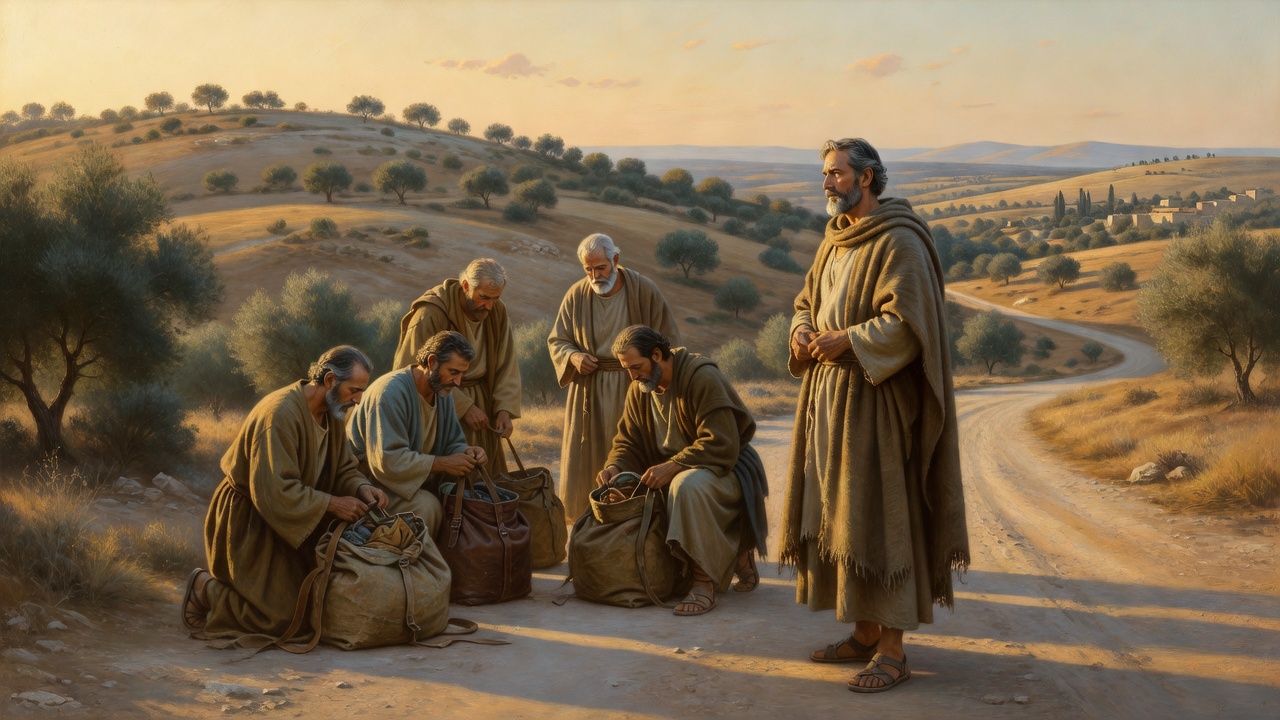
Did you know?
Gentile Hope and the Road West
- Paul writes that he has fully proclaimed the gospel of Christ from Jerusalem all the way around to Illyricum. Easton's Bible Dictionary (1897) places that region northwest of Macedonia, on the eastern shores of the Adriatic, and describes it as then almost wholly included in Dalmatia; it says he traversed Illyricum on his third missionary journey, that it was the farthest district he had reached in preaching, and that a journey through Macedonia would have brought him to its borders.Sources: the Bible text itself · Illyricum
- He hopes to see the believers in Rome on his way to Spain and, after delivering the contribution from Macedonia and Achaia to Jerusalem, to set off for Spain by way of them. Easton's Bible Dictionary (1897) records that intention, but notes that there is no evidence he ever carried it out, although some think he probably did so between his first and second imprisonment.Sources: the Bible text itself · Spain
- Quoting Isaiah, he says that the Root of Jesse would appear and arise to rule over the Gentiles, and that the Gentiles would put their hope in him. Jesse was the father of David, and Easton's Bible Dictionary (1897) says that the phrase root of Jesse is used for the Messiah, while stem of Jesse is used for David's family.Sources: the Bible text itself · Jesse
Notes written with AI assistance from open sources (Theographic Bible Metadata, CC BY-SA 4.0; Easton’s Bible Dictionary, public domain) and reviewed before publishing.
Places in this chapter
- Illyricum · 43.539, 16.483 · verse 19
- Jerusalem · 31.777, 35.234 · verses 19, 25, 26, 27, 31
- Rome · 41.892, 12.485 · verse 24
- Spain · Today: Hispania · 40.210, -4.350 · verses 24, 28
- Achaia · 38.720, 22.540 · verse 26
- Macedonia · 41.600, 22.540 · verse 26
- Judea · Today: Judea 1 · 31.777, 35.234 · verse 31
Only places identified with high confidence are shown (90% or more according to the scholarly sources compiled by OpenBible). Period map: DARE (Digital Atlas of the Roman Empire), CC BY 4.0; modern map: © OpenStreetMap contributors; places: OpenBible.info (CC BY 4.0).
Credits and license for this translation
Abware̱se̱ŋ Wo̱re̱-ɔ
New Testament in Chumburung (GH:ncu:Chumburung)
copyright © 2010 Wycliffe Bible Translators, Inc.
Language: Chumburung
Translation by: Wycliffe Bible Translators, Inc.
Copyright Information
© 2010, Wycliffe Bible Translators, Inc. All rights reserved.
This translation text is made available to you under the
terms of the Creative Commons License: Attribution-Noncommercial-No Derivative Works.
( http://creativecommons.org/licenses/by-nc-nd/3.0/ )
In addition, you have permission to port the text to different file formats, as long as you
do not change any of the text or punctuation of the Bible.
You may share, copy, distribute, transmit, and extract portions
or quotations from this work, provided that you include the above copyright
information:
You must give Attribution to the work.
You do not sell this work for a profit.
You do not make any derivative works that change any of the actual words or punctuation of the Scriptures.
Permissions beyond the scope of this license may be
available if you contact
us with your request.
The New Testament
in Chumburung
© 2010, Wycliffe Bible Translators, Inc. All rights reserved.
This translation is made available to you under the terms of the
Creative Commons Attribution-Noncommercial-No Derivatives license 4.0.
You may share and redistribute this Bible translation or extracts from it in any format, provided that:
You include the above copyright and source information.
You do not sell this work for a profit.
You do not change any of the words or punctuation of the Scriptures.
Pictures included with Scriptures and other documents on this site are licensed just for use with those Scriptures and documents.
For other uses, please contact the respective copyright owners.
2025-05-16
Source: http://ebible.org/ncuNT/ · eBible.org