Revelation 3
Abware̱se̱ŋ Wo̱re̱-ɔ · Tap a verse to see its cross-references.
Ase̱ŋ ne̱ Yeesuu yɛ Yohanee kyo̱rɛɛ bo̱ kyo̱ŋwe̱ Saridis maŋ‑nɔ asɔre̱e̱ awuye‑o
1Ne̱ Yeesuu yɛ n kyo̱rɛɛ bo̱ kyo̱ŋwe̱ fo̱ ne̱ fo̱ gye̱ kabɔɔ ne̱ fo̱ e̱ de̱e̱re̱ Saridis maŋ‑nɔ asɔre̱e̱ awuye si‑o fe̱yɛ,
“Nu ase̱ŋ ne̱ mo̱ e̱ tɔwe̱ mo̱ i gywii fo̱‑ɔ. Mo̱ e̱ gye̱ mò̱ ne̱ o de Wuribware̱ a kufwiiŋe timaa‑o na mò̱ akatɔ asunoo‑o, ne̱ mo̱ e̱ gye̱ mò̱ ne̱ o de akye̱e̱‑e̱‑kpa‑agyi asunoo‑o mò̱ ke̱sare̱e̱‑rɔ‑ɔ. Ŋ nyi ke̱tɔ ne̱ fo̱ a waa‑ɔ. Fo̱ de ke̱nyare̱ fe̱yɛ fo̱ de ŋkpa, amaa mo̱ e̱ tɔwe̱ fe̱yɛ fo̱ du ne̱e̱ fe̱yɛ fo̱ a wu‑o. 2Amo̱se̱ se̱‑ɔ kyiŋŋi, na fo̱ sa a fo̱ ko̱kɔɔre̱gyi‑o waa le̱ŋ, na ke̱ ma nya lo̱we̱. A le̱e̱ fe̱yɛ mo̱ a ŋu fe̱yɛ ke̱tɔ ne̱ fo̱ a waa‑ɔ mo̱ŋ tɛɛ baare Wuribware̱ ase̱. 3Ane̱ŋ se̱‑ɔ, nyiŋŋi ke̱tɔ ne̱ baa kaapo̱ fo̱ na ke̱tɔ ne̱ fo̱ a nu‑o si gya amo̱ se̱, na fo̱ nu fo̱ e̱ye̱e̱. Fo̱ e̱ mo̱ŋ kyiŋŋi kye̱na fe̱raa, mo̱ i fu‑ro a m ba fe̱yɛ oyu a ba kanye‑o, na fo̱ mo̱ŋ nyi nsaŋ ne̱ mo̱ e̱ ba‑ɔ.
4Amaa ase̱sɛ kafwe̱e̱ ko̱ bo̱ fo̱ maŋ‑nɔ, ne̱ bo̱ mo̱ŋ de iyisi, amo̱se̱ se̱‑ɔ mo̱ e̱ sa bamo̱ atɔ buŋsɛ fufuri, na mo̱ aa bamo̱ nare̱, a le̱e̱ fe̱yɛ baa fo̱ ane̱ŋ ko̱waa. 5Ɔke̱maa ne̱ ɔ kɔ a o gyi Ɔbɔnsam se̱‑ɔ, mo̱ e̱ sa mò̱ atɔ buŋsɛ fufuri a o buŋ, ne̱ ma kpɛɛ mò̱ ke̱nyare̱ a n le̱e̱ wo̱re̱ ne̱ mo̱ a kyo̱rɛɛ bamo̱ ne̱ bo̱ de ŋkpa na kukyure ne̱ a mo̱ŋ de kɛɛ‑ɔ anyare̱ waa‑rɔ‑ɔ‑rɔ. Na n taa mò̱ bo̱ kaapo̱ n se̱ Wuribware̱ na mò̱ mbɔɔ‑ɔ fe̱yɛ ɔ gye̱ mo̱ se̱sɛ.
6Amo̱se̱‑ɔ ɔke̱maa ne̱ o de e̱se̱bɔ‑ɔ, o nu ane̱ŋ ne̱ Wuribware̱ a kufwiiŋe‑o e̱ tɔwe̱ o gywii asɔre̱e̱ asunoo a awuye‑o.”
Ase̱ŋ ne̱ Yeesuu yɛ Yohanee kyo̱rɛɛ bo̱ kyo̱ŋwe̱ Filadɛlɛfe̱ya asɔre̱e̱ awuye‑o
7Ne̱ Yeesuu yɛ n kyo̱rɛɛ bo̱ kyo̱ŋwe̱ fo̱ ne̱ fo̱ gye̱ kabɔɔ ne̱ fo̱ e̱ de̱e̱re̱ Filadɛlɛfe̱ya asɔre̱e̱ awuye si‑o, fe̱yɛ,
“Nu ase̱ŋ ne̱ n de mo̱ e̱ baa fo̱‑ɔ. Mo̱ e̱ gye̱ ɔko̱ ne̱ mò̱ ke̱nyare̱ bo̱ dwii‑o, ɔko̱ ne̱ ɔ gye̱ kase̱ŋtiŋ wuye‑o. Mo̱ e̱ gye̱ ɔko̱ ne̱ o de Yudaa awuye ɔde̱daapo̱ dabe̱ Owure Deefid a safo̱wa‑ɔ. Mo̱ ya taye̱ po̱ne̱‑ɔ, ɔko̱ maa taare̱ a o tii, ne̱ mo̱ ya tii, ɔko̱ maa taare̱ a ɔ taye̱. 8Ke̱e̱ ɛ, mo̱ a taye̱ po̱ne̱‑ɔ sa fo̱ a fo̱ lweero bo̱rɔ kyo̱ŋ, na ɔko̱ ma taare̱ a o tii. Hare̱e̱ gbaa fo̱ a de ke̱yaale̱ŋ kafwe̱e̱‑ɔ, ŋ nyi atɔ timaa ne̱ fo̱ e̱ waa‑ɔ. Ŋ nyi fe̱yɛ fo̱ a gya mo̱ kanɔ se̱, ne̱ fo̱ a kya se̱ fo̱ e̱ kɔɔre̱ mo̱ fo̱ i gyi, ne̱ fo̱ mo̱ŋ kine ase̱sɛ kigyii fe̱yɛ fo̱ gye̱ Kristoonyi. 9Mo̱ a ŋu fe̱yɛ Yudaa awuye ko̱ bo̱ fo̱ maŋ‑ɔ‑rɔ, ne̱ bo̱ ye̱re̱ bo̱ kye fo̱. Amaa bo̱ mo̱ŋ gye̱ Yudaa awuye kase̱ŋtiŋ, a le̱e̱ fe̱yɛ bo̱ gya Ɔbɔnsam a e̱kpa‑ɔ se̱. Nu fe̱yɛ mo̱ e̱ sa a bo̱ bo̱ gyɔŋŋɔ fo̱ ayaa‑rɔ, na bo̱ buŋŋi nnɔ lamaŋ‑nɔ tɔwe̱ fe̱yɛ baa waa fo̱ bɔye̱, na fo̱ ne̱ mo̱ e̱ kpa ase̱ŋ. 10Fo̱ a gya mo̱ kanɔ se̱ fe̱yɛ mo̱ a tɔwe̱ fe̱yɛ fo̱ nyite gyi awo̱re̱fɔɔ‑ɔ se̱‑ɔ, mo̱‑ɔ mo̱ i kuŋ fo̱ a n le̱e̱ ko̱kyo̱rɔke̱e̱ ne̱ ke̱ e̱ ba kaye̱‑rɔ ase̱sɛ pɛɛɛ se̱ to̱ŋ ke̱maa‑ɔ.
11Mo̱ e̱ ba mbe̱yɔmɔ, amo̱se̱ se̱‑ɔ kra ke̱tɔ ne̱ fo̱ de‑o‑ro keŋkeŋ, na ɔko̱ ma nya kuŋ fo̱ a fo̱ paŋ ke̱nya fo̱ kuwurepa‑ɔ. 12Ɔke̱maa ne̱ ɔ kɔ a o gyi Ɔbɔnsam se̱‑ɔ, mo̱ e̱ taa mò̱ a ŋ yaa Wuribware̱ suŋkpa ne̱ ɔ bo̱ so̱so̱‑ɔ, na ɔ ma lɛɛ le̱e̱ mfe̱ŋ daa. Mfe̱ŋ‑ɔ, o kii ne̱e̱ fe̱yɛ ke̱be̱ŋtiŋ ne̱ ke̱ ye̱re̱ ntiŋtiŋ ke̱ e̱ le̱ŋ mo̱ suŋkpa a potoo‑o. Mo̱ e̱ kyo̱rɛɛ Wuribware̱ ke̱nyare̱ na Wuribware̱ a maŋ‑ɔ ke̱nyare̱ a m bo̱ dɔŋŋɔ mò̱ se̱. Maŋ mɔ ne̱ ba te̱e̱ ɛ Yɛro̱salɛm ne̱ ɔ le̱e̱ Wuribware̱ ase̱ so̱so̱ mfe̱ŋ a ɔ ba kaase̱ mfe̱e̱‑ɔ. Na m be̱e̱ kyo̱rɛɛ mo̱ fɔŋfɔŋ ke̱nyare̱ po̱pwɛɛ bo̱ dɔŋŋɔ mò̱ se̱. 13Amo̱se̱‑ɔ ɔke̱maa ne̱ o de e̱se̱bɔ‑ɔ, o nu ane̱ŋ ne̱ Wuribware̱ a kufwiiŋe‑o e̱ tɔwe̱ o gywii asɔre̱e̱ asunoo a awuye‑o.”
Ase̱ŋ ne̱ Yeesuu yɛ Yohanee kyo̱rɛɛ bo̱ kyo̱ŋwe̱ Lodikiya asɔre̱e̱ awuye‑o
14Ne̱ Yeesuu yɛ n kyo̱rɛɛ ase̱ŋ mɔ bo̱ kyo̱ŋwe̱ fo̱ ne̱ fo̱ gye̱ kabɔɔ ne̱ fo̱ e̱ de̱e̱re̱ Lodikiya asɔre̱e̱ awuye si‑o fe̱yɛ,
“Nu ase̱ŋ ne̱ n de mo̱ e̱ baa fo̱‑ɔ. Mo̱ anyare̱ e̱ gye̱ ‘Amɛye̱’ na ‘Kase̱ŋtiŋ wuye’ na ‘Ɔko̱ ne̱ kufu mo̱ŋ de mò̱ fe̱yɛ ɔ tɔwe̱ kase̱ŋtiŋ‑o’. Mo̱ se̱ ne̱ Wuribware̱ a bo̱rɔ twe̱e̱ ke̱tɔ ke̱maa. 15Ŋ nyi fo̱ awaasɛ. Ne̱ mo̱ a ŋu fe̱yɛ fo̱ mo̱ŋ bo̱ mo̱ ke̱be̱gya‑ɔ bɛɛɛ ɔko̱ a ke̱be̱gya‑ɔ. Mo̱ e̱ kpa fe̱yɛ fo̱ ba mo̱ ke̱be̱gya‑ɔ bɛɛɛ fo̱ kine mo̱. 16Fo̱ du ne̱e̱ fe̱yɛ nkyu ne̱ m mo̱ŋ gye̱ kyubo̱gya, ne̱ m be̱e̱ m mo̱ŋ gye̱ akyuyuri‑o. Ane̱ŋ a nkyu‑o du seŋŋ, ne̱ m maa nya a n nuu. Amo̱se̱‑ɔ mo̱ i lwii mmo̱ a m bo̱ twe̱e̱. 17Fo̱ yɛ fo̱ gye̱ atɔ wuye, ne̱ fo̱ de ke̱tɔ ke̱maa ne̱ ke̱ e̱ sa fo̱ ŋkpa na alaŋfiya, fo̱‑ɔ fo̱ mo̱ŋ nyi fe̱yɛ fo̱ mo̱ŋ de sɛye̱, ne̱ kitiri e̱ gye̱ ne̱ ke̱ e̱ mɔɔ fo̱. Ne̱ fo̱ gye̱ te̱napo̱, ne̱ fo̱ naa ke̱te̱bɔŋburoŋ. 18Mo̱ e̱ tɔwe̱ mo̱ i gywii fo̱ fe̱yɛ fo̱ sɔɔ atanne̱ pipee ne̱ baa ŋe̱rawe̱ de̱e̱kpa‑rɔ lee amo̱ iyisi‑o le̱e̱ mo̱ ase̱. Fo̱ ya waa ane̱ŋ, fo̱ i kii atɔ wuye kase̱ŋtiŋ. Na fo̱ sɔɔ atɔ buŋsɛ fufuri le̱e̱ mo̱ ase̱ buŋ, na fo̱ nya bo̱ buŋ fo̱ ke̱te̱bɔŋburoŋ ke̱nare̱‑ɔ ipeere‑ro, na fo̱ sɔɔ akatɔ kadwii timaa le̱e̱ mo̱ ase̱, na fo̱ nya ŋu nɛɛnɛɛ.
19Mò̱ ne̱ mo̱ e̱ kpa mò̱ ase̱ŋ‑ɔ, mo̱ e̱ be̱ra mò̱ nɛɛnɛɛ, na n gyiiri mò̱ ke̱se̱bɔ. Mo̱ e̱ tɔwe̱ mo̱ i gywii fo̱ fe̱yɛ fo̱ sa a fo̱ akatɔ pee fo̱ ke̱bware̱suŋ si. Nu fo̱ e̱ye̱e̱, na fo̱ kiŋŋi le̱e̱ fo̱ e̱bɔye̱‑rɔ. 20Mo̱nꞌ ke̱e̱ ɛ, ŋ ye̱re̱ mo̱ne̱ po̱ne̱ ase̱ mo̱ e̱ waa mo̱ne̱ kafraakyɛɛ. Fo̱ ke̱maa ne̱ fo̱ ya nu mo̱ bo̱re̱, ne̱ fo̱ ya tɔwe̱ fe̱yɛ n lweero, mo̱ i lweero, na mo̱ aa fo̱ gyi ateese.
21Ɔko̱ ne̱ ɔ kɔ gyi Ɔbɔnsam se̱‑ɔ, mo̱ e̱ sa mò̱ kpa na ɔ kye̱na mo̱ ase̱, na mo̱ aa mò̱ gyi mo̱ kuwure‑o, fe̱yɛ ane̱ŋ ne̱ mo̱ a kɔ gyi Ɔbɔnsam se̱‑ɔ, ne̱ n te n se̱ Wuribware̱ ase̱, ne̱ mo̱ aa mò̱ i gyi mò̱ kuwure‑o. 22Amo̱se̱‑ɔ ɔke̱maa ne̱ o de e̱se̱bɔ‑ɔ, o nu ane̱ŋ ne̱ Wuribware̱ a kufwiiŋe‑o e̱ tɔwe̱ o gywii asɔre̱e̱ asunoo a awuye‑o.”
Did you know?
Letters to Sardis, Philadelphia, and Laodicea
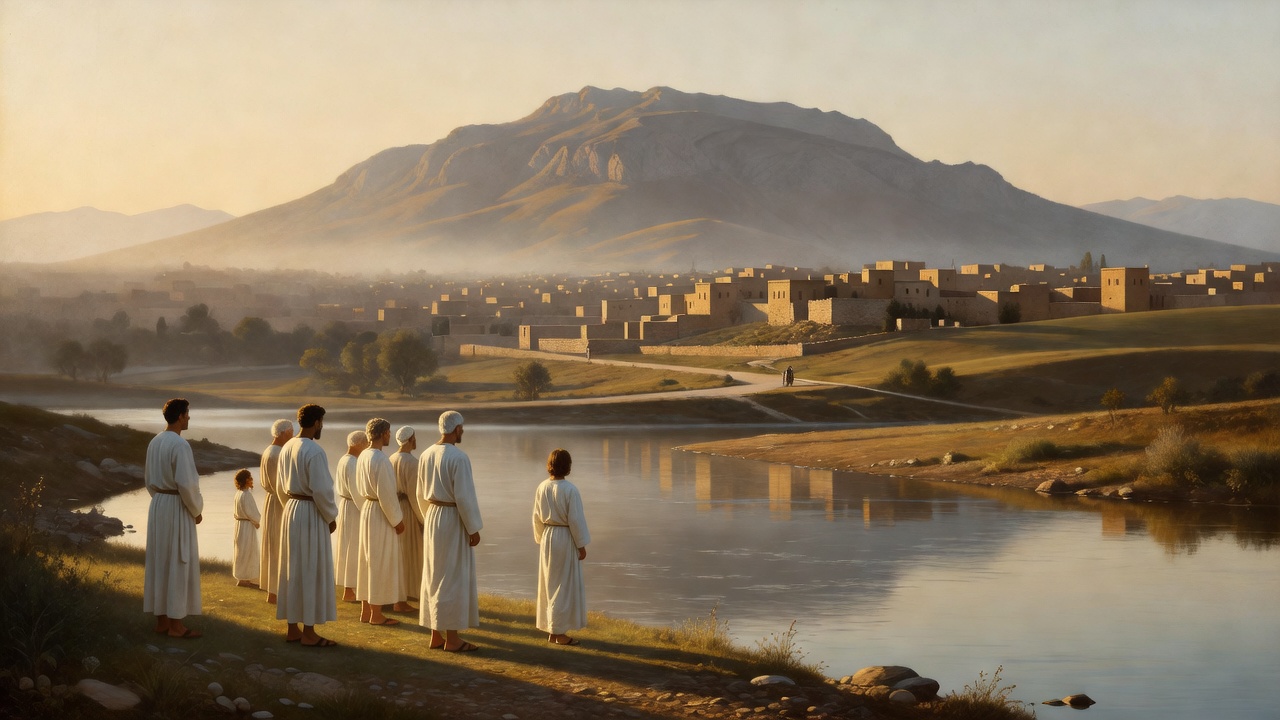
- Revelation 3 is a set of letters to churches in three cities of Asia Minor. Sardis, the metropolis of Lydia, stood on the river Pactolus at the foot of Mount Tmolus. Philadelphia, a name that means “brotherly love,” lay about twenty-five miles southeast of Sardis, while Laodicea stood on the Lycus, where Phrygia and Lydia meet, about forty miles east of Ephesus.Sources: Sardis · Philadelphia · Laodicea · the Bible text itself
- Laodicea was first called Diospolis and then Rhoas. It was later named Laodicea after Laodice, the wife of Antiochus II, king of Syria, who rebuilt it. Easton's Bible Dictionary (1897) calls it one of the most important and flourishing cities of Asia Minor and an early leading center of Christianity; in the letter, that church is said to claim that it is rich, has grown wealthy, and needs nothing.Sources: Laodicea · the Bible text itself
- The letter to Philadelphia speaks of a “synagogue of Satan” and of people who claim to be Jews but whom it calls liars. Satan means “adversary” or “accuser,” and in the New Testament the name is used interchangeably with the devil.Sources: Satan · the Bible text itself
Notes written with AI assistance from open sources (Theographic Bible Metadata, CC BY-SA 4.0; Easton’s Bible Dictionary, public domain) and reviewed before publishing.
Places in this chapter
- Sardis · 38.488, 28.040 · verses 1, 4
- Philadelphia · Today: Alaşehir · 38.350, 28.517 · verse 7
- Jerusalem · 31.777, 35.234 · verse 12
- Laodicea · Today: Laodicea on the Lycus · 37.836, 29.108 · verse 14
Only places identified with high confidence are shown (90% or more according to the scholarly sources compiled by OpenBible). Period map: DARE (Digital Atlas of the Roman Empire), CC BY 4.0; modern map: © OpenStreetMap contributors; places: OpenBible.info (CC BY 4.0).
Credits and license for this translation
Abware̱se̱ŋ Wo̱re̱-ɔ
New Testament in Chumburung (GH:ncu:Chumburung)
copyright © 2010 Wycliffe Bible Translators, Inc.
Language: Chumburung
Translation by: Wycliffe Bible Translators, Inc.
Copyright Information
© 2010, Wycliffe Bible Translators, Inc. All rights reserved.
This translation text is made available to you under the
terms of the Creative Commons License: Attribution-Noncommercial-No Derivative Works.
( http://creativecommons.org/licenses/by-nc-nd/3.0/ )
In addition, you have permission to port the text to different file formats, as long as you
do not change any of the text or punctuation of the Bible.
You may share, copy, distribute, transmit, and extract portions
or quotations from this work, provided that you include the above copyright
information:
You must give Attribution to the work.
You do not sell this work for a profit.
You do not make any derivative works that change any of the actual words or punctuation of the Scriptures.
Permissions beyond the scope of this license may be
available if you contact
us with your request.
The New Testament
in Chumburung
© 2010, Wycliffe Bible Translators, Inc. All rights reserved.
This translation is made available to you under the terms of the
Creative Commons Attribution-Noncommercial-No Derivatives license 4.0.
You may share and redistribute this Bible translation or extracts from it in any format, provided that:
You include the above copyright and source information.
You do not sell this work for a profit.
You do not change any of the words or punctuation of the Scriptures.
Pictures included with Scriptures and other documents on this site are licensed just for use with those Scriptures and documents.
For other uses, please contact the respective copyright owners.
2025-05-16
Source: http://ebible.org/ncuNT/ · eBible.org