Matthew 12
Abware̱se̱ŋ Wo̱re̱-ɔ · Tap a verse to see its cross-references.
Kukyure ŋke ase̱ŋ
1Kukyure kake ko̱, ne̱ Yeesuu mò̱ aa mò̱ agyase̱po̱‑ɔ naa ba kyo̱ŋ abwaye adɔɔ ko̱‑rɔ. Ne̱ mò̱ agyase̱po̱‑ɔ a le̱e̱ ba gyɛɛ abwaye ne̱ ba kyo̱ŋ amo̱‑rɔ‑ɔ, ne̱ baa fee ba wo̱, a le̱e̱ fe̱yɛ ako̱ŋ de bamo̱. 2Farisii awuye ko̱ a ŋu amo̱‑ɔ, ne̱ baa tɔwe̱ gywii Yeesuu fe̱yɛ, “Ke̱e̱ ɛ, fo̱ agyase̱po̱ a ke̱gyɛɛ abwaye fee‑o gye̱ kusuŋ. Ne̱ a kye ane̱ mbraa fe̱yɛ ɔko̱ a waa kusuŋ ko̱ kukyure kake.”
3Ne̱ Yeesuu a be̱ŋŋaa bamo̱ fe̱yɛ, “Mo̱ne̱ mo̱ŋ tɛɛ kare̱ abware̱se̱ŋ wo̱re̱‑ɔ ŋu ke̱tɔ ne̱ ane̱ ɔde̱daapo̱ Deefid a waa saŋ ne̱ ako̱ŋ de mò̱ aa mò̱ anare̱bɛɛpo̱‑ɔ ɔɔɔ? 4Ke̱tɔ bo̱ abware̱se̱ŋ wo̱re̱‑ɔ‑rɔ fe̱yɛ oo lwee Wuribware̱ suŋkpa, ne̱ baa sa mò̱ aa mò̱ anare̱bɛɛpo̱‑ɔ bodobodoo akuri ne̱ baa bo̱ lɔŋŋɔ Wuribware̱‑ɔ. Na a mo̱ŋ gye̱ mbraa kikye aaa? A le̱e̱ fe̱yɛ ane̱ mbraa‑ɔ yɛ Wuribware̱ alɔŋŋɔpo̱ wo̱re̱ e̱ gye̱ ne̱ bo̱ de kpa fe̱yɛ bo̱ gyi ane̱ŋ a bodobodoo‑o. 5Bɛɛɛ mo̱ne̱ mo̱ŋ kare̱ ane̱ mbraa a wo̱re̱‑ɔ fe̱yɛ kukyure kake ke̱maa Wuribware̱ alɔŋŋɔpo̱ fɔŋfɔŋ i suŋ bamo̱ ke̱bware̱suŋ Wuribware̱ suŋkpa aaa? Ane̱ŋ se̱‑ɔ ba kye mbraa ne̱ ŋ yɛ ane̱ kyure kukyure kake‑o, bɛɛɛ? Na ɔko̱ ma taare̱ taa ke̱mo̱ fe̱yɛ ba waa bɔye̱, bɛɛɛ? 6Mo̱ e̱ tɔwe̱ mo̱ i gywii mo̱ne̱ fe̱yɛ ɔko̱ bo̱ mfe̱e̱ ne̱ mò̱ ke̱dabe̱ kyɔ Wuribware̱ suŋkpa lee‑o. 7Mo̱nꞌ nyiŋŋi si ane̱ŋ ne̱ baa kyo̱rɛɛ waa abware̱se̱ŋ wo̱re̱‑ɔ‑rɔ fe̱yɛ,
‘Wuribware̱ yɛ, N gye̱ mbo̱ ne̱ mo̱ e̱ kpa a mo̱nꞌ mɔɔ sa mo̱.
Amaa ke̱dame̱naŋsɛ ne̱ mo̱ e̱ kpa a mo̱nꞌ waa mo̱ne̱ bɛɛko̱‑ana.’
Mo̱ne̱ dɛɛ mo̱ne̱ i nu amo̱‑ɔ kaase̱ kyɛɛkyɛɛ ne̱e̱‑ɔ, weetee mo̱ne̱ maa po̱rɔ bamo̱ ne̱ bo̱ mo̱ŋ waa e̱bɔye̱‑ɔ. 8A le̱e̱ fe̱yɛ mo̱, dimaadi mò̱ gyi‑o, de kukyure kake‑o gbaa e̱le̱ŋ.”
Ke̱sare̱e̱ wusɛ wuye ko̱ ase̱ŋ
9Ne̱ Yeesuu a le̱e̱ mfe̱ŋ ya lwee ke̱bware̱ko̱re̱kyaŋ ko̱ ne̱ ke̱ maa mfe̱ŋ‑ɔ. 10Ne̱ ɔɔ ya to̱ ke̱sare̱e̱ wusɛ wuye ko̱. Na Farisii awuye‑o be̱e̱ bo̱ bo̱ mfe̱ŋ. Bamo̱ a kpa a bo̱ po̱rɔ Yeesuu fe̱yɛ ɔ waa e̱bɔye̱‑ɔ se̱‑ɔ, ne̱ baa pee ke̱katɔ a bo̱ de̱e̱re̱ ke̱e̱ fe̱yɛ ɔ kya ke̱sare̱e̱ wusɛ wuye amo̱ kukyure kake amo̱ aaa, a le̱e̱ fe̱yɛ bo̱ maa waa kusuŋ ke̱maa kake amo̱. Amo̱se̱ ne̱ baa bise mò̱ fe̱yɛ, “A mo̱ŋ kye ane̱ Wuribware̱ mbraa fe̱yɛ ɔko̱ kya ɔlɔpo̱ kukyure kake aaa?”
11Ne̱ Yeesuu a lee kanɔ fe̱yɛ, “N taa fe̱yɛ mo̱ne̱ ɔko̱ de mò̱ sanne̱. Ne̱ sanne̱‑ɔ a le̱e̱ da ke̱maŋtaŋ keŋkeŋsɛ‑rɔ ɔ da, ne̱ ɔ maa taare̱ a ɔ le̱e̱. Ne̱ amo̱ e̱ gye̱ kukyure kake gbaa ooo, fo̱ e̱ ya a fo̱ ya lee mò̱, na fo̱ mo̱rɔwe̱ mò̱ bɛɛɛ fo̱ maa yɔ aaa? 12Amaa sanne̱ mo̱ŋ fo̱ se̱sɛ. Dimaadi kyɔ kabo̱. Amo̱se̱ se̱‑ɔ ane̱ mbraa‑ɔ a sa kpa fe̱yɛ ane̱ waa ke̱dame̱naŋsɛ kukyure kake.”
13Ne̱ ŋkee ɔɔ tɔwe̱ gywii ke̱sare̱e̱ wusɛ wuye‑o fe̱yɛ, “Teyi fo̱ ke̱sare̱e̱‑ɔ‑rɔ.” Mò̱ a teyi‑ro‑o, ne̱ kaa kpaare̱ nya ke̱yaale̱ŋ fe̱yɛ ane̱ŋ ne̱ ko̱ko̱‑ɔ du‑o. 14Mfe̱ŋ ne̱ Farisii awuye amo̱ a le̱e̱ kawu ya da Yeesuu kuŋu si kikpuni a bo̱ nya mɔɔ mò̱.
Ane̱ŋ ne̱ Yeesuu e̱ gye̱ Wuribware̱ ke̱yaafɔre̱ timaa‑o
15Yeesuu a nu kikpuni ne̱ baa kpa a bo̱ da mò̱ kuŋu si‑o ase̱ŋ‑ɔ, ne̱ ɔɔ le̱e̱ mfe̱ŋ, ne̱ ɔɔ yɔ ɔ naa ifuri baŋbaŋ se̱. Ne̱ ase̱sɛ biribiri a gya mò̱ se̱, ne̱ ɔɔ kya bamo̱ alɔpo̱ pɛɛɛ. 16Mò̱ a kya bamo̱‑ɔ, ne̱ oo yii bamo̱ se̱ fe̱yɛ bo̱ ma tɔwe̱ ke̱tɔ ne̱ ɔɔ waa sa bamo̱‑ɔ gywii ɔko̱. 17Ɔɔ waa amo̱‑ɔ ne̱e̱ na ke̱tɔ ne̱ Wuribware̱ a tɔwe̱ bo̱ bo̱‑rɔ mò̱ kyaamɛɛ Isaya si‑o nya ba kase̱ŋtiŋ fe̱yɛ,
18“Wuribware̱ yɛ, Mo̱nꞌ ke̱e̱ mo̱ ke̱yaafɔre̱ ne̱ mo̱ a lee‑o,
mò̱ ne̱ mo̱ e̱ kpa mò̱ ase̱ŋ ne̱ mo̱ akatɔ a gyi mò̱ se̱‑ɔ.
N de mo̱ kufwiiŋe‑o mo̱ e̱ waa mò̱‑rɔ.
Mò̱ e̱ gye̱ ne̱ ɔ baa kase̱ŋtiŋ kigyi nde̱ se̱ awuye pɛɛɛ se̱.
19Mò̱ aa bo̱ko̱ maa gyiiri ikii bɛɛɛ bo̱ fɛɛ abɛɛ se̱,
ane̱ŋ dɛɛ ne̱ ɔ maa ye̱re̱ mbo̱re̱ se̱ na ɔ fɛɛ sa mò̱ e̱se̱ŋsa.
20O yuri mò̱ e̱ye̱e̱ a ɔ sa bamo̱ ne̱ bo̱ mo̱ŋ bo̱ le̱ŋ‑ɔ,
na ɔ ma duŋ bamo̱ ne̱ bamo̱ ko̱kɔɔre̱gyi mo̱ŋ kyɔ‑ɔ nnɔ,
amɔ saŋ ne̱ mò̱ kase̱ŋtiŋ kigyi a gyi si to̱ŋ ke̱maa‑ɔ.
21Mò̱ ne̱ nde̱ se̱ awuye pɛɛɛ e̱ kɔɔre̱ a bo̱ gyi.”
Yeesuu na Biil-sibul
22Ne̱ ase̱sɛ ko̱ a baa ɔnyare̱ ko̱ Yeesuu ase̱. Ɔnyare̱ amo̱ mɔ mo̱ŋ ke̱e̱, na ɔ be̱e̱ ɔ maa taare̱ a ɔ sa se̱ŋsa, a le̱e̱ fe̱yɛ ibrisi ko̱ te mò̱ se̱. Ne̱ Yeesuu a kya ɔnyare̱‑ɔ, ne̱ mò̱ akatɔ a buŋŋi, ne̱ mò̱ kanɔ a buŋŋi, ne̱ ɔ taare̱ a ɔ sa se̱ŋsa. 23Lamaŋ‑ɔ a ŋu Yeesuu a waa ane̱ŋ a atɔ‑ɔ, ne̱ e̱ye̱e̱ a kpe̱ŋ bamo̱, ne̱ baa bise abɛɛ fe̱yɛ, “N gye̱ ane̱ ɔde̱daapo̱ Deefid mò̱ ke̱nanagyi ne̱ baa tɔwe̱ fe̱yɛ Wuribware̱ i suŋ a ɔ bo̱ kyo̱ŋwe̱ ane̱‑ɔ ne̱e̱ e̱e̱e̱?”
24Amaa Farisii awuye ko̱ a nu ane̱ŋ ne̱ ba tɔwe̱‑ɔ, ne̱ bo̱ yɛ, “Daabii, ɔnyare̱ mɔ gye̱ se̱sɛ bɔye̱ ne̱e̱. Ɔbɔnsam, ne̱ bo̱ be̱e̱ ba te̱e̱ mò̱ ɛ Biil-sibul‑o e̱ gye̱ ne̱ o de ibrisi si ke̱yaale̱ŋ, ne̱ ɔ sa ɔnyare̱ mɔ e̱le̱ŋ fe̱yɛ ɔ gya ibrisi bo̱ ko̱so̱ ase̱sɛ se̱‑ɔ.”
25Amɔ Yeesuu a kyɔ ŋu ke̱tɔ ne̱ ba fa‑ɔ. Ne̱ ɔɔ da bamo̱ ke̱kpare̱ mɔ fe̱yɛ, “E̱kɔ ya lwee maŋ‑nɔ, ne̱ maŋ‑ɔ ya ke‑ro, amɔ maŋ amo̱ i bwee ne̱e̱, ane̱ŋ dɛɛ ne̱ kasuro bɛɛɛ kabuno ya ke‑ro, ne̱ ka bwee. 26Amo̱se̱‑ɔ amo̱ e̱ gye̱ kase̱ŋtiŋ fe̱yɛ Ɔbɔnsam e̱ gya ibrisi a ɔ bo̱ ko̱so̱ ase̱sɛ se̱, a kaapo̱ ne̱e̱ fe̱yɛ Ɔbɔnsam na mò̱ kamɛɛ‑rɔ awuye a ke‑ro. Na ke̱tɔ ma kyee, na mò̱ kuwure gye̱ kɛɛ. 27Mo̱ne̱ yɛ n de Biil-sibul ne̱ ɔ gye̱ Ɔbɔnsam‑ɔ e̱le̱ŋ mo̱ e̱ gya ibrisi. Amaa ŋ nyi fe̱yɛ mo̱ne̱ agyase̱po̱‑ɔ bo̱ko̱ e̱ gya ibrisi ba ko̱so̱ ase̱sɛ se̱. Nte̱tɔ e̱le̱ŋ ne̱ bo̱ de? Ɔbɔnsam a e̱le̱ŋ‑ɔ bɛɛɛ Wuribware̱ lee‑o? A gye̱ Wuribware̱ a e̱le̱ŋ‑ɔ ne̱ bo̱ de, bɛɛɛ? To, mo̱ne̱ agyase̱po̱ amo̱ fɔŋfɔŋ gbaa a kaapo̱ ne̱e̱ fe̱yɛ mo̱ne̱ a fo̱ kpa. 28Amaa amo̱ a gye̱ Wuribware̱ a kufwiiŋe‑o ke̱yaale̱ŋ ne̱ n de mo̱ e̱ gya ibrisi‑o si‑o, a kaapo̱ mo̱ne̱ ne̱e̱ fe̱yɛ Wuribware̱ a kuwure‑o a kyɔ ba mo̱ne̱ ase̱.
29M be̱e̱ taa fe̱yɛ Ɔbɔnsam du ne̱e̱ fe̱yɛ ɔyaale̱ŋpo̱ ne̱ o de mò̱ lɔŋ‑ɔ. Ɔke̱maa maa lwee ɔyaale̱ŋpo̱ amo̱ lɔŋ‑nɔ, na ɔ ya be̱ra mò̱ kapo̱tɛɛ taa, amɔ o ŋure ɔyaale̱ŋpo̱‑ɔ pwɛɛ na ɔ dɛɛ taare̱ lweero ya be̱ra mò̱ kapo̱tɛɛ‑ɔ bo̱ yɔ. 30Amo̱se̱‑ɔ mo̱ i yii mo̱ne̱ se̱ fe̱yɛ mo̱ne̱ ɔke̱maa ne̱ ɔ mo̱ŋ ye̱re̱ mo̱ kamɛɛ‑ɔ gye̱ mo̱ do̱ŋ ne̱e̱. Ne̱ ɔke̱maa mɔ ne̱ ɔ maa kya mo̱‑rɔ na ŋ kpɔwe̱ ase̱sɛ bwe̱e̱tɔ bo̱ tii mo̱ e̱ye̱e̱ se̱‑ɔ mɔ e̱ brawe̱ bamo̱‑rɔ ne̱e̱. 31Mo̱ne̱ a tɔwe̱ fe̱yɛ e̱le̱ŋ ne̱ Wuribware̱ a kufwiiŋe timaa‑o a sa mo̱‑ɔ a le̱e̱ Ɔbɔnsam ase̱ aaa? To, mo̱nꞌ nyiŋŋi si fe̱yɛ Wuribware̱ e̱ taare̱ a ɔ taa se̱sɛ e̱bɔye̱ ke̱maa ne̱ ɔɔ waa‑ɔ na ase̱ŋ bɔye̱ ke̱maa ne̱ ɔɔ tɔwe̱‑ɔ na ɔ bo̱ ke mò̱, amɔ ase̱ŋ bɔye̱ ne̱ ɔɔ tɔwe̱ bo̱ kye Wuribware̱ a kufwiiŋe timaa‑o fe̱raa, Wuribware̱ maa taa bɔye̱ amo̱ a ɔ bo̱ ke mò̱ pɛɛɛ. 32Ɔke̱maa ne̱ ɔ tɔwe̱ ase̱ŋ bɔye̱ ke̱maa a ɔ bo̱ kye mo̱, dimaadi mò̱ gyi‑o, Wuribware̱ e̱ taare̱ a ɔ taa se̱sɛ‑ɔ bɔye̱ amo̱ bo̱ ke mò̱. Amaa ɔke̱maa mɔ ne̱ ɔ tɔwe̱ ase̱ŋ bɔye̱ ke̱maa a ɔ bo̱ kye Wuribware̱ a kufwiiŋe timaa‑o, Wuribware̱ maa taa se̱sɛ‑ɔ bɔye̱ amo̱ a ɔ bo̱ ke mò̱, mbe̱yɔmɔ a kaye̱ mɔ‑rɔ bɛɛɛ kaye̱ ne̱ ka ba a ka bo̱ ba‑ɔ‑rɔ.
33Ŋ yɛ, fo̱ ya ŋu kiyii ko̱ a swɛɛ agyi timaa, a kaapo̱ ne̱e̱ fe̱yɛ kiyii‑o bo̱ daŋ. Ne̱ fo̱ ya ŋu kiyii suyo ko̱ mɔ a swɛɛ agyi preepreesɛ, a kaapo̱ ne̱e̱ fe̱yɛ kiyii amo̱ mo̱ŋ bo̱ daŋ. Kiyii agyi ne̱ bo̱ de ba pini kiyii suyo ne̱ ke̱ gye̱‑ɔ. 34Ane̱ŋ se̱‑ɔ, mo̱ne̱ mo̱ŋ nyi ase̱ŋ kpe̱yaa e̱tɔwe̱. Mo̱ne̱ awɔ mɔ, e̱me̱ne̱ ne̱ mo̱ne̱ e̱ waa a mo̱nꞌ tɔwe̱ ase̱ŋ kpe̱yaa na ke̱bwɛɛ bo̱ mo̱ne̱ nnɔ‑rɔ? A le̱e̱ fe̱yɛ ke̱tɔ ne̱ ke̱ bo̱ kakpo̱nɔ‑rɔ‑ɔ ne̱ kanɔ e̱ tɔwe̱. 35Atɔ timaa a le̱e̱ kakpo̱nɔ timaa‑ro, ne̱ ase̱ŋ bɔye̱ a le̱e̱ kakpo̱nɔ bɔye̱‑rɔ. 36Mo̱nꞌ nyiŋŋi si fe̱yɛ kake nsi ne̱ Wuribware̱ i gyi ase̱sɛ pɛɛɛ ase̱ŋ‑ɔ, o bise ɔke̱maa ke̱se̱ŋkpare̱gyi ke̱maa ne̱ ɔɔ tɔwe̱, ne̱ ke̱ mo̱ŋ bo̱ daŋ‑ɔ ase̱ŋ, na ɔke̱maa lee mò̱ e̱ye̱e̱ kanɔ gywii Wuribware̱. 37A le̱e̱ fe̱yɛ fo̱ ase̱ŋkpare̱gyi ne̱ Wuribware̱ e̱ de̱e̱re̱‑rɔ a ɔ bo̱ gyi fo̱ ase̱ŋ na o bu fo̱ ke̱be̱ŋ bɛɛɛ ke̱pɔ.”
Atɔ dabe̱ ko̱waa ase̱ŋ
38Mfe̱ŋ ne̱ Farisii awuye ko̱ na Wuribware̱ mbraa akaapo̱po̱ ko̱ a tɔwe̱ gywii Yeesuu fe̱yɛ, “Ɔkaapo̱po̱, ane̱ e̱ kpa fe̱yɛ fo̱ waa akpe̱ŋe̱ye̱e̱tɔ ko̱ na fo̱ bo̱ kaapo̱ fe̱yɛ Wuribware̱ bo̱ fo̱ ase̱.”
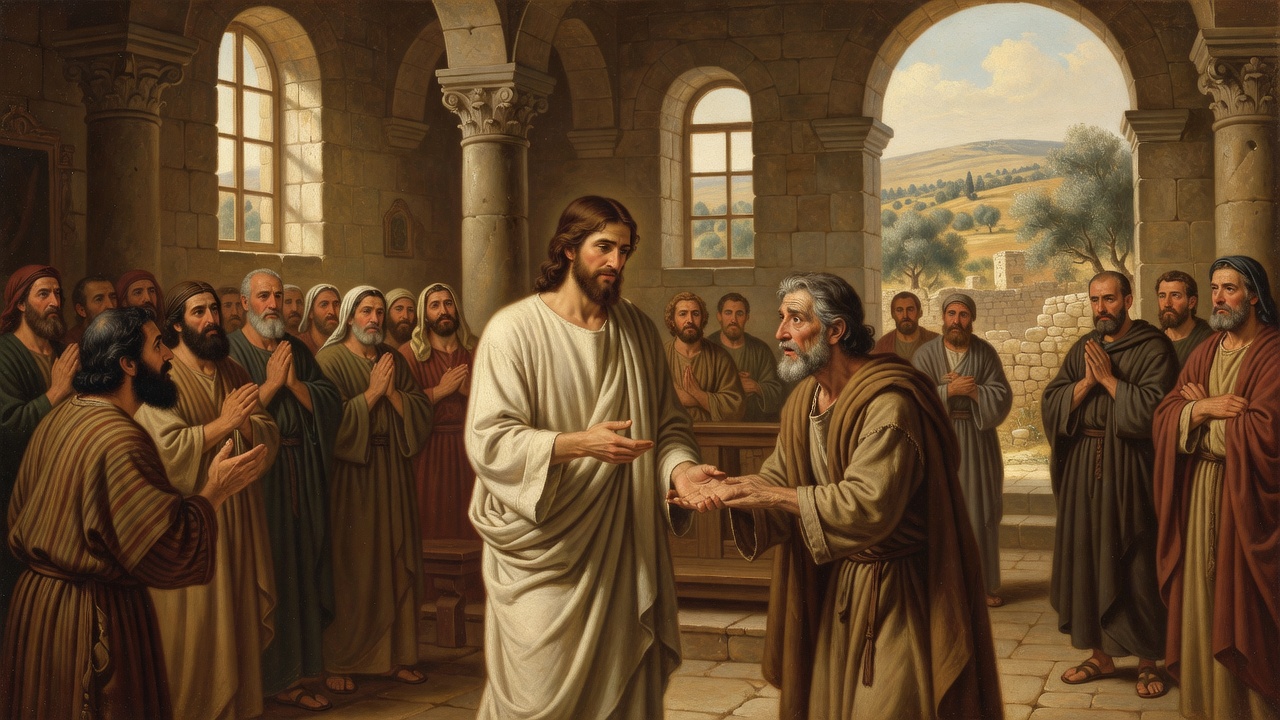
39Ne̱ Yeesuu a be̱ŋŋaa bamo̱ fe̱yɛ, “Mo̱ne̱ ndɔɔ a kaye̱ mɔ‑rɔ ase̱sɛ‑ɔ gye̱ ase̱sɛ bɔye̱ ne̱ mo̱ne̱ maa kɔɔre̱ Wuribware̱ mo̱ne̱ i gyi‑o. Mo̱ne̱ yɛ ŋ waa akpe̱ŋe̱ye̱e̱tɔ bo̱ kaapo̱ mo̱ne̱. Amaa ma waa, amɔ Wuribware̱ kyaamɛɛ Yonaa a akpe̱ŋe̱ye̱e̱tɔ‑ɔ wo̱re̱. 40A bo̱ abware̱se̱ŋ wo̱re̱‑ɔ‑rɔ fe̱yɛ baa taa mò̱ bo̱ twe̱e̱ ɔpo̱o̱‑rɔ, ne̱ kakiŋgyi dabe̱ ko̱ a kra mò̱ mee, ne̱ oo sii kamo̱ kame‑ro ŋke nsa pwɛɛ ne̱ kakiŋgyi‑o a dɛɛ kpuu mò̱ bo̱ be̱ya nkyu kɛɛ na ɔ ke̱e̱. Ane̱ŋ dɛɛ ne̱ mo̱, dimaadi mò̱ gyi‑o, i gyi ŋke nsa e̱se̱‑rɔ. 41Ke̱tɔ ne̱ ki tii si‑o e̱ gye̱ fe̱yɛ kake nsi ne̱ Wuribware̱ i gyi ɔke̱maa ase̱ŋ‑ɔ, Niniwee awuye e̱ ko̱so̱ a bo̱ ye̱re̱ po̱rɔ mo̱ne̱ ndɔɔ a kaye̱ mɔ‑rɔ ase̱sɛ‑ɔ, na bo̱ bu mo̱ne̱ ke̱pɔ, a le̱e̱ fe̱yɛ Yonaa a yɔ bamo̱ ase̱ ya tɔwe̱ abware̱se̱ŋ‑ɔ, ne̱ baa nu bamo̱ e̱ye̱e̱, ne̱ baa kiŋŋi le̱e̱ bamo̱ e̱bɔye̱‑rɔ. Ne̱ mbe̱yɔmɔ, n gye̱ ɔko̱ ne̱ ɔ kyɔ Yonaa‑o ya ba ɔ ye̱re̱ mo̱ne̱ akatɔ‑rɔ‑ɔ ɔɔɔ? Ne̱ mo̱ne̱ a kine mò̱ abware̱se̱ŋ ko̱tɔwe̱‑ɔ. 42Ŋke nsi amo̱ dɛɛ ne̱ owurekye̱e̱ ko̱ ne̱ ɔɔ le̱e̱ kyɔwe̱ le̱e̱kpa kigyise si a swe̱e̱re̱ ko̱ se̱‑ɔ e̱ ko̱so̱ a ɔ ye̱re̱ na ɔ po̱rɔ mo̱ne̱ ndɔɔ a kaye̱ mɔ‑rɔ ase̱sɛ‑ɔ, na o bu mo̱ne̱ ke̱pɔ, a le̱e̱ fe̱yɛ oo tu kpa le̱e̱ hare̱e̱ mò̱ aye̱ ba ane̱ ɔde̱daapo̱ Owure Solomɔŋ ase̱ mfe̱e̱ bo̱ nu owure amo̱ a kanyiase̱ŋ ase̱ŋ‑ɔ. Ne̱ mbe̱yɔmɔ, mo̱ne̱ a ŋu ɔko̱ ne̱ ɔ kyɔ Owure Solomɔŋ‑ɔ a ba ɔ ye̱re̱ mo̱ne̱ akatɔ‑rɔ. Ne̱ mo̱ne̱ a kine kunu mò̱ kanyiase̱ŋse̱ŋ.”
Ibrisi‑o ya kiŋŋi ba, ke̱tɔ ne̱ ke̱ e̱ ba‑ɔ
43Ne̱ Yeesuu yɛ, “Ibrisi ya ko̱so̱ se̱sɛ se̱, amɔ e̱ naa e̱ kaa e̱fa‑rɔ e̱e̱ kpa to̱ŋ ko̱ a e̱ kye̱na kyure. E̱mo̱ e̱ mo̱ŋ nya to̱ŋ ko̱, amɔ e̱e̱ ya fa e̱mo̱ mfɛɛre̱ fe̱yɛ ii kiŋŋi a e̱ yɔ lɔŋ ne̱ baa gya e̱mo̱ le̱e̱ mò̱‑rɔ‑ɔ‑rɔ. Na i kiŋŋi ya to̱ fe̱yɛ lɔŋ amo̱‑rɔ bo̱ daŋ ɔ mo̱ŋ de iyisi, ne̱ ɔko̱ mo̱ŋ te mò̱‑rɔ. 45Na e̱ le̱e̱ ya kpa ibrisi isunoo ne̱ e̱ bo̱ le̱ŋ e̱ kyɔ e̱mo̱ fɔŋfɔŋ‑ɔ, na e̱ bo̱ kye̱na mfe̱ŋ. Ibrisi lɔŋ e̱ gye̱ se̱sɛ. To, amɔ e̱mo̱ a waa isunoo i te se̱sɛ amo̱ se̱ se̱‑ɔ, amɔ se̱sɛ a ko̱lɔ‑ɔ a waa ko̱kyɔ ko̱ kyo̱ŋ saŋ ne̱ ibrisi ko̱ŋko̱ e̱ gye̱ ne̱ ki te mò̱ se̱‑ɔ. Mfaanɛɛ a ase̱ŋ‑ɔ e̱ gye̱ ne̱ a ba ndɔɔ a kaye̱ mɔ‑rɔ a ase̱sɛ‑ɔ se̱ bo̱ le̱e̱ bamo̱ e̱bɔye̱ se̱.”
Yeesuu mò̱ nyi na mò̱ tire‑ana ase̱ŋ
46Yeesuu saŋ ɔ sa se̱ŋsa o gywii lamaŋ amo̱, ne̱ mò̱ nyi na mò̱ tire‑ana a ba. Ne̱ baa ye̱re̱ kawu suŋ bo̱ kyo̱ŋwe̱ mò̱ fe̱yɛ ba kpa fe̱yɛ ɔ ba a mò̱ aa bamo̱ a sa se̱ŋsa. 47Ne̱ ɔko̱ a tɔwe̱ gywii mò̱ fe̱yɛ, “Ke̱e̱ fo̱ nyi na fo̱ tire‑ana ye̱re̱ kawu ba te̱e̱ fo̱‑ɔ.”
48Ne̱ Yeesuu a lee kanɔ fe̱yɛ, “Nsɛ e̱ gye̱ n na? Ne̱ nsɛ‑ana mɔ e̱ gye̱ mo̱ tire‑ana?” 49Ne̱ oo teyi mò̱ ke̱sare̱e̱ bo̱ kyɔ mò̱ agyase̱po̱, ne̱ ɔ yɛ, “Mo̱nꞌ ke̱e̱, n na na mo̱ tire‑ana i te mo̱ ase̱ mfe̱e̱‑ɔ. 50Amo̱se̱‑ɔ ɔke̱maa ne̱ ɔ waa ke̱tɔ ne̱ Wuribware̱, n se̱ ne̱ ɔ bo̱ so̱so̱‑ɔ e̱ kpa‑ɔ, ne̱ mo̱ e̱ te̱e̱ mò̱ ɛ mo̱ tire na mo̱ pe̱kye̱e̱ na n na.”
Did you know?
Lord of the Sabbath and Signs of the Kingdom
- When challenged by the Pharisees for plucking grain on the Sabbath, Jesus cited the Old Testament account of David eating the consecrated bread when he was hungry. He argued that human need and doing good take precedence over ritual regulations, declaring himself Lord of the Sabbath.Sources: the Bible text itself · David
- After casting out a demon from a blind and mute man, Jesus was accused of operating through Beelzebul, the prince of demons. Jesus rejected the charge, explaining that a divided kingdom or household cannot stand and that casting out demons by the Spirit of God demonstrates the arrival of God's kingdom.Sources: the Bible text itself · Satan
- In response to requests for a miraculous sign, Jesus pointed to the prophet Jonah, comparing Jonah's three days in the fish's belly to his own impending death and burial. He warned that the citizens of Nineveh and the Queen of the South would judge his generation because they responded to Jonah and Solomon, whereas someone greater was now present.Sources: the Bible text itself · Jonah · Nineveh · Solomon
Notes written with AI assistance from open sources (Theographic Bible Metadata, CC BY-SA 4.0; Easton’s Bible Dictionary, public domain) and reviewed before publishing.
Places in this chapter
Only places identified with high confidence are shown (90% or more according to the scholarly sources compiled by OpenBible). Period map: DARE (Digital Atlas of the Roman Empire), CC BY 4.0; modern map: © OpenStreetMap contributors; places: OpenBible.info (CC BY 4.0).
Credits and license for this translation
Abware̱se̱ŋ Wo̱re̱-ɔ
New Testament in Chumburung (GH:ncu:Chumburung)
copyright © 2010 Wycliffe Bible Translators, Inc.
Language: Chumburung
Translation by: Wycliffe Bible Translators, Inc.
Copyright Information
© 2010, Wycliffe Bible Translators, Inc. All rights reserved.
This translation text is made available to you under the
terms of the Creative Commons License: Attribution-Noncommercial-No Derivative Works.
( http://creativecommons.org/licenses/by-nc-nd/3.0/ )
In addition, you have permission to port the text to different file formats, as long as you
do not change any of the text or punctuation of the Bible.
You may share, copy, distribute, transmit, and extract portions
or quotations from this work, provided that you include the above copyright
information:
You must give Attribution to the work.
You do not sell this work for a profit.
You do not make any derivative works that change any of the actual words or punctuation of the Scriptures.
Permissions beyond the scope of this license may be
available if you contact
us with your request.
The New Testament
in Chumburung
© 2010, Wycliffe Bible Translators, Inc. All rights reserved.
This translation is made available to you under the terms of the
Creative Commons Attribution-Noncommercial-No Derivatives license 4.0.
You may share and redistribute this Bible translation or extracts from it in any format, provided that:
You include the above copyright and source information.
You do not sell this work for a profit.
You do not change any of the words or punctuation of the Scriptures.
Pictures included with Scriptures and other documents on this site are licensed just for use with those Scriptures and documents.
For other uses, please contact the respective copyright owners.
2025-05-16
Source: http://ebible.org/ncuNT/ · eBible.org