Luke 9
Abware̱se̱ŋ Wo̱re̱-ɔ · Tap a verse to see its cross-references.
Ane̱ŋ ne̱ Yeesuu a suŋ mò̱ agyase̱po̱ kudu anyɔ‑ɔ bo̱ kyo̱ŋwe̱ e̱maŋ se̱‑ɔ
1Ne̱ Yeesuu a te̱e̱ mò̱ agyase̱po̱ kudu anyɔ‑ɔ bo̱ gyaŋŋe̱, ne̱ ɔɔ sa bamo̱ e̱le̱ŋ a bo̱ taare̱ bo̱ gya ibrisi bo̱ ko̱so̱ ase̱sɛ se̱, na bo̱ kya alɔpo̱. 2Ne̱ ŋkee oo suŋ bamo̱ bo̱ kyo̱ŋwe̱ e̱maŋ se̱ fe̱yɛ bo̱ ya tɔwe̱ Wuribware̱ a kuwure‑o‑ro ase̱ŋ, na bo̱ kya alɔpo̱. 3Ne̱ ɔɔ tɔwe̱ gywii bamo̱ fe̱yɛ, “Mo̱ne̱ a yɔ‑ɔ, ɔko̱ ma kaŋ taa ko̱tɔko̱. Mo̱ne̱ ma taa kayii nare̱se̱sɛ bɛɛɛ ko̱re̱e̱ bɛɛɛ ateese bɛɛɛ atanne̱ bɛɛɛ e̱kaare̱ ko̱ bo̱ tii e̱ko̱ ne̱ mo̱ne̱ ɔke̱maa mɔ buŋ‑o si. 4Mo̱ne̱ a yɔ‑ɔ, mo̱nꞌ kye̱na lɔŋ ne̱ mo̱ne̱ e̱ so̱we̱ mò̱‑rɔ ne̱ ba kra mo̱ne̱ nɛɛnɛɛ‑ɔ‑rɔ‑ɔ bo̱ fo̱ ŋke nsi ne̱ mo̱ne̱ e̱ le̱e̱ maŋ amo̱‑rɔ‑ɔ. 5Amaa mo̱ne̱ ya yɔ to̱ŋ ko̱, ne̱ bamo̱ e̱ ma kpa mo̱ne̱ mfe̱ŋ, mo̱ne̱ e̱ le̱e̱ mfe̱ŋ, bamo̱ maŋ‑nɔ e̱se̱ ne̱ e̱ ya sii mo̱ne̱ ase̱be̱ta kaase̱‑ɔ gbaa, mo̱nꞌ kpo̱ŋkpaŋ e̱mo̱ bo̱ sii bamo̱ aye̱, bo̱ yii bamo̱ se̱ fe̱yɛ bamo̱ e̱bɔye̱ a sii bamo̱ se̱.” 6Ne̱ agyase̱po̱‑ɔ a nare̱ e̱maŋ se̱ tɔwe̱ ase̱ŋ timaa‑o, na ba kya alɔpo̱ to̱ŋ ke̱maa ne̱ baa nare̱‑ɔ.
Ane̱ŋ ne̱ Owure Hɛrɔd a turi‑o
7Saŋ ne̱ Galile̱ya swe̱e̱re̱ se̱ Owure Hɛrɔd a nu atɔ mɔ pɛɛɛ ne̱ Yeesuu a waa‑ɔ ase̱ŋ‑ɔ, ne̱ oo turi, bo̱ le̱e̱ fe̱yɛ bo̱ko̱ yɛ Yohanee Osuubɔpo̱‑ɔ ya be̱e̱ kyiŋŋi le̱e̱ lowi‑ro ba. 8Bo̱ko̱ mɔ yɛ Wuribware̱ a akyaamɛɛ‑ɔ ɔko̱, fe̱yɛ Iliya bɛɛɛ ɔko̱‑ɔ, a be̱e̱ kyiŋŋi ba ŋkpa‑rɔ. 9Ne̱ Hɛrɔd yɛ, “Mo̱‑ɔ mo̱ a tuwi Yohanee Osuubɔpo̱‑ɔ kuŋu, ne̱ ŋkee nsɛ gbaa ase̱ŋ ne̱ mo̱ i nu bwe̱e̱tɔ mɔ‑ɔ ne̱e̱?” Ne̱ mò̱ ke̱katɔ a pee o buwi ɔ kpa Yeesuu.
Ane̱ŋ ne̱ Yeesuu a sa ase̱sɛ ŋkpe̱ŋ nnuu ateese‑o
10To, ne̱ Yeesuu a agyase̱po̱ ne̱ oo suŋ bamo̱ bo̱ kyo̱ŋwe̱ e̱maŋ se̱ fe̱yɛ bo̱ ya tɔwe̱ Wuribware̱ a kuwure‑o‑ro ase̱ŋ‑ɔ a kiŋŋi ba bo̱ tɔwe̱ ke̱tɔ ke̱maa ne̱ baa waa‑ɔ gywii Yeesuu. Ne̱ ɔɔ sa ne̱ mò̱ aa bamo̱ wo̱re̱ a yɔ maŋ ko̱ ne̱ ba te̱e̱ mò̱ ɛ Bɛtɛsaye̱da‑ɔ se̱. 11Ase̱sɛ bwe̱e̱tɔ a nu mò̱ se̱ mfe̱ŋ‑ɔ, ne̱ baa gya mò̱ se̱. Ne̱ Yeesuu a sa bamo̱ aŋsɛ na ke̱ba, ne̱ ɔɔ tɔwe̱ Wuribware̱ a kuwure‑o‑ro ase̱ŋ gywii bamo̱, ne̱ ɔɔ be̱e̱ kya alɔpo̱ ne̱ baa ba mò̱ ase̱‑ɔ.
12Amɔ kyɔwe̱ a kpa a ɔ twɛɛ‑ɔ, ne̱ mò̱ agyase̱po̱ kudu anyɔ‑ɔ a bo̱ tɔwe̱ gywii mò̱ fe̱yɛ, “Mfe̱e̱ a gye̱ e̱fa‑rɔ‑ɔ se̱‑ɔ, sa a ase̱sɛ‑ɔ yɔ mmaŋgyii na e̱maŋ ne̱ e̱ maa mfe̱e̱‑ɔ‑rɔ, na bo̱ ya kpa ateese gyi, na bo̱ buwi kpa bamo̱ e̱so̱we̱kpa.”
13Ne̱ Yeesuu a tɔwe̱ gywii bamo̱ fe̱yɛ, “Mo̱ne̱ fɔŋfɔŋ sa bamo̱ ko̱tɔko̱ a bo̱ gyi.”
Ne̱ baa be̱ŋŋaa fe̱yɛ, “Bodobodoo akuri anuu na ŋkiŋgyi ŋnyɔ wo̱re̱ kpeŋ ne̱ ane̱ de mfe̱e̱, bɛɛɛ fo̱ e̱ kpa fe̱yɛ ane̱ ya sɔɔ ateese sa ase̱sɛ de̱maŋte̱ mɔ ne̱e̱ e̱e̱e̱?”
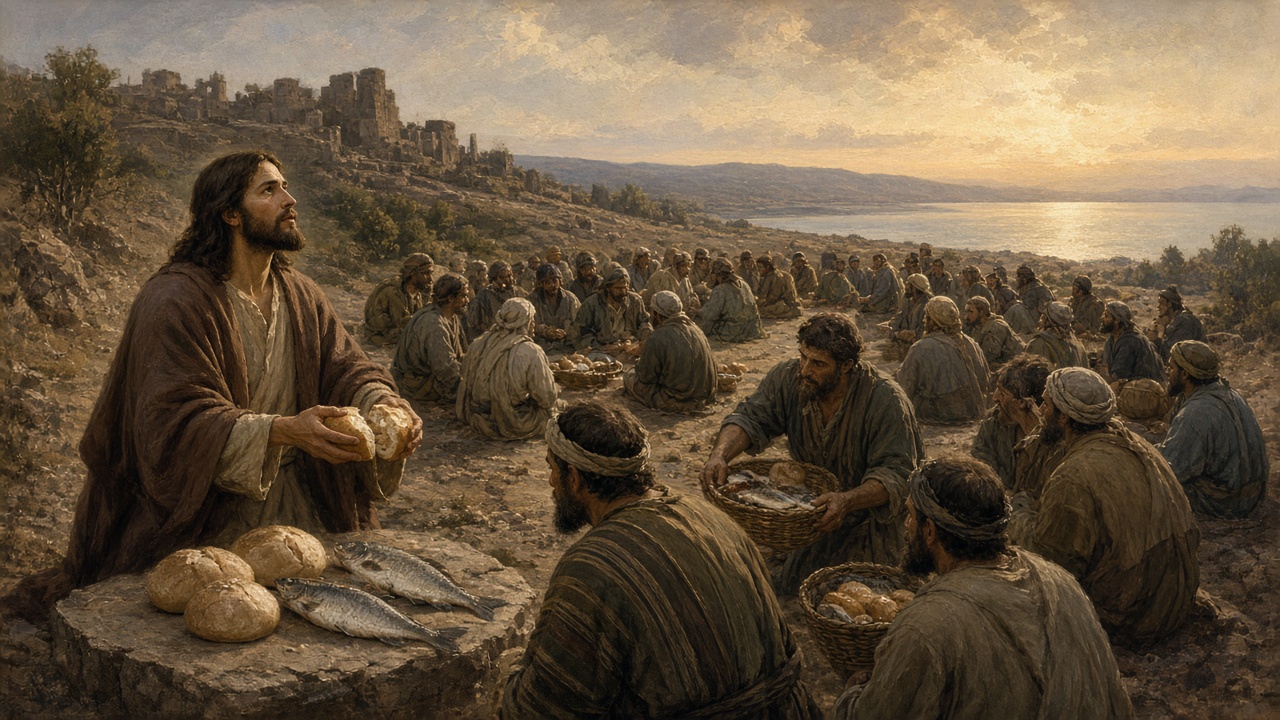
14Bamo̱‑rɔ anyare̱‑ɔ wo̱re̱ e̱ waa ŋkpe̱ŋ nnuu. Ne̱ Yeesuu a tɔwe̱ gywii mò̱ agyase̱po̱‑ɔ fe̱yɛ, “Mo̱nꞌ ke ase̱sɛ‑ɔ‑rɔ bo̱ kye̱na ntuŋ si ntuŋ si, katuŋ ke̱maa ase̱sɛ e̱ waa fe̱yɛ ase̱sɛ adunuu.” 15Yeesuu agyase̱po̱‑ɔ a ke bamo̱‑rɔ bo̱ kye̱na lo̱we̱‑ɔ, ne̱ Yeesuu a taa bodobodoo akuri anuu‑o na ŋkiŋgyi ŋnyɔ‑ɔ waa mò̱ asare̱e̱‑rɔ, ne̱ ɔɔ de̱e̱re̱ so̱so̱. Ne̱ ɔɔ sa Wuribware̱ aŋsɛ we̱e̱ se̱, ne̱ ŋkee ɔɔ te̱ŋŋe̱‑rɔ bo̱ sa mò̱ agyase̱po̱‑ɔ, ne̱ baa ke‑ro sa ase̱sɛ‑ɔ pɛɛɛ. 17Ne̱ bamo̱ pɛɛɛ mɔ a gyi bodobodoo‑o kpo̱ne̱, ne̱ baa wo̱ ŋkiŋgyi‑o kpo̱ne̱. Ne̱ ŋkee mò̱ agyase̱po̱‑ɔ a swii bodobodoo na ŋkiŋgyi mpupuriase̱e̱ ne̱ ŋ ya saŋ‑ɔ bo̱ bo̱rɔ ake kudu anyɔ.
Mò̱ ne̱ Peetroo yɛ Yeesuu gye̱‑ɔ
18Kake ŋko̱ saŋ ne̱ Yeesuu a yɔ to̱ŋ ko̱ mò̱ wo̱re̱ ɔ ko̱re̱ ke̱bware̱ko̱re̱‑ɔ, ne̱ mò̱ agyase̱po̱‑ɔ a ba mò̱ ase̱ mfe̱ŋ. Ne̱ oo bise bamo̱ fe̱yɛ, “Mo̱nꞌ tɔwe̱ ane̱ŋ ne̱ ase̱sɛ e̱ te̱e̱ mo̱‑ɔ gywii mo̱.”
19Ne̱ baa be̱ŋŋaa mò̱ fe̱yɛ, “Wuribware̱ a akyaamɛɛ‑ɔ ɔko̱ ne̱ oo kyiŋŋi le̱e̱ lowi‑ro, fe̱yɛ Yohanee Osuubɔpo̱‑ɔ, bɛɛɛ Iliya, bɛɛɛ bamo̱‑rɔ ɔko̱.”
20Ne̱ oo bise bamo̱ fe̱yɛ, “Ne̱ mo̱ne̱ mɔ mo̱ne̱ yɛ nsɛ ne̱ n gye̱‑ɔ ne̱e̱?” Ne̱ Peetroo a be̱ŋŋaa fe̱yɛ, “Fo̱ e̱ gye̱ Kristoo ne̱ Wuribware̱ a suŋ ane̱ ase̱‑ɔ.” 21Ne̱ Yeesuu a yii bamo̱ se̱ fe̱yɛ bo̱ ma kaŋ tɔwe̱ amo̱‑ɔ gywii ɔko̱.
Ane̱ŋ ne̱ Yeesuu a tɔwe̱ mò̱ ase̱ŋ kuŋu na mò̱ lowi ase̱ŋ‑ɔ
22Ne̱ ɔɔ kya se̱ tɔwe̱ fe̱yɛ, “A tiri fe̱yɛ mo̱, dimaadi mò̱ gyi‑o, ŋu ase̱ŋ bwe̱e̱tɔ, na maŋ abre̱sɛ na Wuribware̱ alɔŋŋɔpo̱ abre̱sɛ na Wuribware̱ mbraa akaapo̱po̱‑ɔ pɛɛɛ mɔ kine mo̱. Ba mɔɔ mo̱, amaa ke̱mo̱ ŋke nsa, Wuribware̱ i kyiŋŋi mo̱ a ɔ le̱e̱ lowi‑ro.”
23Ne̱ ɔɔ be̱e̱ tɔwe̱ gywii lamaŋ‑ɔ fe̱yɛ, “Ɔko̱ ne̱ ɔ kpa a ɔ gya mo̱ se̱‑ɔ yɔwe̱ ko̱waa ke̱tɔ ne̱ ke̱ e̱ pre̱ mò̱‑ɔ, na ɔ so̱rɔ mò̱ fɔŋfɔŋ kiyii kpare̱-abɛɛ‑rɔ kake ke̱maa gya mo̱ se̱. 24A le̱e̱ fe̱yɛ ɔko̱ ne̱ ɔ kpa a ɔ nya mò̱ e̱ye̱e̱ le̱e̱ lowi ase̱‑ɔ, lowi e̱ nya mò̱ nsu pɛɛɛ. Ɔko̱ mɔ ne̱ o kperi mo̱ se̱ na o wu‑o e̱ nya ŋkpa na kukyure ne̱ a mo̱ŋ de kɛɛ‑ɔ. 25To̱nɔ mo̱ ne̱ se̱sɛ e̱ nya fe̱yɛ mò̱ a nya kaye̱ mɔ‑rɔ atɔ pɛɛɛ, na bo̱ le̱e̱ ane̱ŋ se̱ na ɔ paŋ kye̱nakpa Wuribware̱ ase̱? A mo̱ŋ de to̱nɔ. 26Ɔko̱ ne̱ ɔ maa kpa fe̱yɛ ase̱sɛ pini fe̱yɛ ɔ gye̱ mo̱ ɔgyase̱po̱‑ɔ, na ɔ maa kpa a ɔ gya mo̱ ke̱kaapo̱ se̱‑ɔ, amo̱ fe̱raa mo̱, dimaadi mò̱ gyi‑o, gbaa mo̱ i kine mò̱ kipini saŋ ne̱ Wuribware̱ a ke̱laŋŋe̱rɔ‑ɔ e̱ le̱e̱ so̱so̱ a ko̱ we̱e̱ swe̱e̱re̱ se̱, na ase̱sɛ pɛɛɛ ŋu n se̱ Wuribware̱ na mò̱ mbɔɔ a ke̱dabe̱ na wuraa‑o na mo̱, dimaadi mò̱ gyi‑o, lee‑o saŋ ne̱ mo̱ aa Wuribware̱ a mbɔɔ‑ɔ e̱ ba‑ɔ. 27Mo̱ i gyi mo̱ne̱ kase̱ŋtiŋ fe̱yɛ bo̱ko̱ bo̱ mfe̱e̱ ne̱ bo̱ maa wu, amɔ ba ŋu ane̱ŋ ne̱ Wuribware̱ a kuwure‑o du‑o pwɛɛ.”
Ane̱ŋ ne̱ Yeesuu agyase̱po̱‑ɔ bo̱ko̱ a ŋu Yeesuu ke̱dabe̱ na wuraa‑o
28Waa ŋke mburuwa a kyo̱ŋ fe̱yɛ Yeesuu a tɔwe̱ ase̱ŋ mɔ‑ɔ, ne̱ oo lee Peetroo na Yohanee na Yakubu, ne̱ mò̱ aa bamo̱ a yɔ ke̱be̱e̱ ko̱ se̱ na bo̱ ya ko̱re̱ ke̱bware̱ko̱re̱. 29Saŋ ne̱ Yeesuu e̱ ko̱re̱ ke̱bware̱ko̱re̱ mfe̱ŋ‑ɔ, ne̱ mò̱ akatɔ‑rɔ a kyurowi, ne̱ mò̱ atɔ buŋsɛ a buruwi pare̱pare̱pare̱ a to̱re̱ se̱. 30Puri amo̱‑rɔ ne̱ baa ŋu fe̱yɛ anyare̱ anyɔ ko̱ ye̱re̱ na bamo̱ aa Yeesuu e̱ sa se̱ŋsa. Abɛɛ anyɔ amo̱ e̱ gye̱ Wuribware̱ mbraa ɔsapo̱ Mosis na Wuribware̱ kyaamɛɛ Iliya. 31Wuribware̱ so̱so̱ a ke̱laŋŋe̱rɔ‑ɔ e̱ laŋŋe̱ bamo̱ se̱, na bamo̱ aa Yeesuu e̱ tɔwe̱ ane̱ŋ ne̱ a ya saŋ kafwe̱e̱ fe̱yɛ o wu Yɛro̱salɛm maŋ‑nɔ ane̱ŋ ne̱ Wuribware̱ a kra fe̱yɛ o wu‑o.
32Pwɛɛ ne̱ amo̱ pɛɛɛ a ba‑ɔ, Peetroo na mò̱ ko̱so̱bɛɛ‑ana anyɔ‑ɔ a di idi. Amaa bamo̱ a kyiŋŋi‑o, ne̱ baa ŋu Yeesuu a ke̱dabe̱ na wuraa‑o na anyare̱ anyɔ amo̱ ne̱ bamo̱ aa mò̱ ye̱re̱‑ɔ. 33Saŋ ne̱ anyare̱ amo̱ e̱ yɔ ba yɔwe̱ Yeesuu‑o, ne̱ Peetroo yɛ, “Mo̱ nyaŋpe̱, a bware fɛɛ fe̱yɛ ane̱ a bo̱ mfe̱e̱. Ane̱ e̱ waa abwii asa, fo̱ ko̱ko̱ŋko̱, Mosis ko̱ko̱ŋko̱ na Iliya mɔ ko̱ko̱ŋko̱.” Ke̱tɔ ne̱ ɔɔ tɔwe̱‑ɔ mo̱ŋ de kaase̱.
34Na Peetroo saŋ ɔ sa se̱ŋsa‑ɔ, ne̱ ko̱wo̱re̱ ko̱ kuyayu a le̱e̱ so̱so̱ bo̱ dɔŋŋɔ bamo̱ se̱. Ne̱ kufu a nya Yeesuu agyase̱po̱‑ɔ saŋ ne̱ ko̱wo̱re̱ amo̱ i buŋ bamo̱ se̱‑ɔ. 35Ne̱ bo̱re̱ ko̱ a le̱e̱ ko̱wo̱re̱‑ɔ‑rɔ tɔwe̱ fe̱yɛ, “Mo̱nꞌ ke̱e̱ mo̱ gyi ne̱ mo̱ a lee‑o. Mo̱nꞌ nu mò̱ ase̱ŋ.” 36Saŋ ne̱ bo̱re̱ amo̱ a laatɔ‑ɔ, ne̱ aa saŋ Yeesuu wo̱re̱. Yeesuu agyase̱po̱‑ɔ a laa amo̱‑ɔ pɛɛɛ tɔ. Ke̱tɔ ne̱ baa ŋu saŋ amo̱‑ɔ, bo̱ mo̱ŋ tɔwe̱ gywii ɔko̱, amɔ ke̱tɔ a bo̱ kyee‑o.
Ane̱ŋ ne̱ Yeesuu a kya kanyaŋsɛɛ ko̱ ne̱ ibrisi te mò̱ se̱‑ɔ
37Ke̱mo̱ kaye̱ ŋke‑o ne̱ Yeesuu mò̱ aa mò̱ agyase̱po̱ asa‑ɔ a le̱e̱ ke̱be̱e̱‑ɔ se̱, ne̱ ase̱sɛ de̱maŋte̱ ko̱ a ba bo̱ gyaŋŋaa Yeesuu. 38Ne̱ ɔnyare̱ ko̱ a tɔwe̱ keŋkeŋ le̱e̱ ase̱sɛ‑ɔ‑rɔ fe̱yɛ, “Ɔkaapo̱po̱, mo̱ e̱ ko̱re̱ fo̱ ne̱e̱, de̱e̱re̱ mo̱ gyi nyaŋsɛ kpeŋ ne̱ n de‑o sa mo̱. 39Ibrisi ko̱ te mò̱ se̱, ne̱ e̱mo̱ ya ba mò̱ se̱, amɔ ɔ fɛɛ‑rɔ, na e̱ twe̱e̱ mò̱ bo̱ da swe̱e̱re̱ fe̱yɛ mò̱ a lɔ kigbuŋgbuŋ‑o, na ɔ twe̱e̱ mò̱ asare̱e̱ na ayaa, na mò̱ kanɔ‑rɔ e̱ le̱e̱ afwii. Saŋ ke̱maa mò̱ e̱ye̱e̱ se̱ e̱ swaa swaa pwɛɛ na e̱ dɛɛ yuri mò̱. 40Mo̱ a ko̱re̱ fo̱ agyase̱po̱‑ɔ fe̱yɛ bo̱ gya ibrisi amo̱ bo̱ ko̱so̱ mò̱ se̱ pɛɛɛ, bamo̱ mɔ bo̱ mo̱ŋ taare̱.”
41Ne̱ Yeesuu a tɔwe̱ gywii mò̱ agyase̱po̱‑ɔ fe̱yɛ, “Ke̱se̱bɔrɔle̱ŋ awuye, mo̱ne̱ maa kɔɔre̱ mo̱ mo̱ne̱ i gyi. Nsu mfe̱ne̱ ne̱ mo̱ne̱ e̱ kpa fe̱yɛ mo̱ aa mo̱ne̱ a kye̱na? Bɛɛɛ nsu mfe̱ne̱ ne̱ mo̱ne̱ e̱ kpa fe̱yɛ ŋ nyite mo̱ne̱ pwɛɛ na mo̱nꞌ dɛɛ kɔɔre̱ mo̱ gyi?” Ne̱ ɔɔ tɔwe̱ gywii ɔnyare̱‑ɔ fe̱yɛ, “Taa fo̱ gyi nyaŋsɛ‑ɔ baa mfe̱e̱.”
42Kanyaŋsɛɛ amo̱ a yɔ Yeesuu ase̱‑ɔ, ne̱ ibrisi amo̱ ne̱ i te mò̱ se̱‑ɔ a twe̱e̱ mò̱ bo̱ da swe̱e̱re̱ fe̱yɛ mò̱ a lɔ kigbuŋgbuŋ‑o, ne̱ ɔɔ twe̱e̱ mò̱ asare̱e̱ na ayaa. Ne̱ Yeesuu a sa kanɔ fe̱yɛ ibrisi‑o ko̱so̱ kanyaŋsɛɛ‑ɔ se̱. Ne̱ Yeesuu a kya mò̱, ne̱ ɔɔ kpaare̱, ne̱ Yeesuu a kiŋŋaa mò̱ sa mò̱ se̱.
Ane̱ŋ ne̱ Yeesuu a be̱e̱ tɔwe̱ mò̱ lowi ase̱ŋ‑ɔ
43Ne̱ ke̱tɔ ne̱ Yeesuu a waa‑ɔ a kpe̱ŋ ase̱sɛ‑ɔ e̱ye̱e̱. Ne̱ baa ŋu ane̱ŋ ne̱ Wuribware̱ a ke̱yaale̱ŋ‑ɔ kyɔ‑ɔ. Bamo̱ a saŋ ba fa ke̱tɔ ke̱maa ne̱ ɔɔ waa‑ɔ mfɛɛre̱‑ɔ, ne̱ Yeesuu a tɔwe̱ gywii mò̱ agyase̱po̱‑ɔ fe̱yɛ, 44“Mo̱ne̱ ma kaŋ taŋ ke̱tɔ ne̱ mo̱ e̱ kpa a n tɔwe̱ gywii mo̱ne̱‑ɔ se̱. Ba taa mo̱, dimaadi mò̱ gyi‑o, a bo̱ waa swe̱e̱re̱ mɔ se̱ ayaale̱ŋpo̱ ke̱sare̱e̱‑rɔ.” 45Amaa mò̱ agyase̱po̱‑ɔ mo̱ŋ nu ke̱tɔ ne̱ ɔɔ tɔwe̱‑ɔ kaase̱. Ne̱ kufu mɔ de bamo̱ na bo̱ bise mò̱ ase̱ŋ‑ɔ kaase̱.
Agyase̱po̱‑ɔ‑rɔ nsɛ e̱ gye̱ bre̱sɛ?
46Ne̱ Yeesuu agyase̱po̱‑ɔ wo̱re̱ wo̱re̱ i gyiiri bamo̱ ke̱bre̱sɛ se̱ ikii. 47Yeesuu mɔ nyi bamo̱ mfɛɛre̱‑ɔ se̱‑ɔ, ne̱ ɔɔ kra kayaagyi ko̱ baa bo̱ ye̱ra mò̱ ase̱. 48Ne̱ ɔɔ tɔwe̱ gywii bamo̱ fe̱yɛ, “Ɔke̱maa ne̱ mo̱ ke̱nyare̱‑rɔ ɔ kra ane̱ŋ a kayaagyi mɔ nɛɛnɛɛ‑ɔ e̱ kra mo̱ nɛɛnɛɛ ne̱e̱, ne̱ mò̱‑ɔ mò̱ ne̱ ɔ kra mo̱ nɛɛnɛɛ‑ɔ a kaapo̱ ne̱e̱ fe̱yɛ ɔɔ kra mò̱ ne̱ oo suŋ mo̱ bo̱ kyo̱ŋwe̱‑ɔ nɛɛnɛɛ dɛɛ ne̱e̱. Amo̱se̱‑ɔ, ɔko̱ ne̱ ɔ gye̱ kagyingyii mo̱ne̱ pɛɛɛ‑rɔ e̱ gye̱ ɔbre̱sɛ.”
Ɔko̱ ne̱ ɔ mo̱ŋ gye̱ mo̱ne̱ ɔdo̱ŋ‑ɔ bo̱ mo̱ne̱ ke̱be̱gya ne̱e̱
49Ne̱ Yohanee, ne̱ ɔ gye̱ Yeesuu agyase̱po̱‑ɔ ɔko̱‑ɔ, yɛ, “Ane̱ nyaŋpe̱, ane̱ a ŋu ɔko̱ de fo̱ ke̱nyare̱ ɔ gya ibrisi ɔ ko̱so̱ ase̱sɛ se̱. Ne̱ ane̱ a gya mò̱ fe̱yɛ ɔ yɔwe̱ ane̱ŋ ko̱waa bo̱ le̱e̱ fe̱yɛ ɔ mo̱ŋ tii ane̱ se̱.”
50Ne̱ Yeesuu a tɔwe̱ gywii mò̱ aa mò̱ bɛɛko̱‑ana agyase̱po̱‑ɔ fe̱yɛ, “Mo̱ne̱ ma lɛɛ gya mò̱, a le̱e̱ fe̱yɛ ɔke̱maa ne̱ ɔ mo̱ŋ gye̱ mo̱ne̱ ɔdo̱ŋ‑ɔ bo̱ mo̱ne̱ ke̱be̱gya ne̱e̱.”
Ane̱ŋ ne̱ Samariya awuye a kine Yeesuu ko̱so̱we̱ bamo̱ aye̱‑ɔ
51Ne̱ Yeesuu nyi dame̱naŋsɛ fe̱yɛ amo̱ ya waa kafwe̱e̱‑ɔ, saŋ e̱ fo̱ fe̱yɛ ɔ yɔ Yɛro̱salɛm maŋ‑nɔ, na o wu, na o kyiŋŋi le̱e̱ lowi‑ro, na ɔ yɔ Wuribware̱ se̱. Amo̱se̱ ne̱ ɔɔ waa mò̱ mfɛɛre̱ ne̱ ɔɔ de̱e̱ kpa se̱ ɔ yɔ mfe̱ŋ. 52Ne̱ oo suŋ mbɔɔ bo̱ gye̱ ŋkpɛɛ, ne̱ baa yɔ Samariya kamaŋgyii ko̱‑rɔ na bo̱ ya kpa to̱ŋ ko̱ lɔŋŋɔ bo̱ ye̱ra mò̱. 53Amaa kamaŋgyii amo̱‑rɔ a ase̱sɛ‑ɔ maa kra mò̱ nɛɛnɛɛ, bo̱ le̱e̱ fe̱yɛ baa de̱ŋ ŋu fe̱yɛ ɔ kpa a ɔ bo̱rɔ yɔ Yɛro̱salɛm maŋ‑nɔ ne̱e̱. 54Amɔ mò̱ agyase̱po̱‑ɔ Yakubu na Yohanee a ŋu ane̱ŋ ne̱ ase̱sɛ amo̱ a waa‑ɔ, ne̱ bo̱ yɛ, “Ane̱ nyaŋpe̱, ane̱ ya sa ne̱ de̱e̱kpa a le̱e̱ so̱so̱ bo̱ kywɛɛ bamo̱ kpuri, a pre̱ fo̱ aaa?” 55Ne̱ Yeesuu a buruwaa tɔwe̱ gywii bamo̱ fe̱yɛ ane̱ŋ a mfɛɛre̱‑ɔ mo̱ŋ bo̱ daŋ. 56Ne̱ mò̱ aa mò̱ agyase̱po̱ amo̱ a kyo̱ŋ be̱e̱ yɔ kamaŋgyii ko̱ se̱.
Bamo̱ ne̱ ba kpa fe̱yɛ bo̱ gya Yeesuu si‑o
57Saŋ ne̱ bo̱ naa ba yɔ‑ɔ, ne̱ ɔnyare̱ ko̱ a tɔwe̱ gywii Yeesuu fe̱yɛ, “To̱ŋ ke̱maa ne̱ fo̱ e̱ yɔ‑ɔ, mo̱ e̱ gya fo̱ se̱.”
58Ne̱ Yeesuu a tɔwe̱ gywii ɔnyare̱‑ɔ fe̱yɛ, “Sabraŋ‑nɔ igyono de idikpa, ne̱ mbo̱gyii de asaa bo̱ da‑rɔ, amaa mo̱, dimaadi mò̱ gyi‑o, fe̱raa mo̱ŋ de mfe̱ŋ ne̱ mo̱ i di a n kyure‑o.”
59Ne̱ Yeesuu a be̱e̱ tɔwe̱ gywii ɔnyare̱ ko̱ fe̱yɛ, “Gya mo̱ se̱.”
Ne̱ ɔnyare̱‑ɔ yɛ, “Mo̱ nyaŋpe̱, sa a ŋ kiŋŋi yɔ pe̱ na ŋ ya pure n se̱ pwɛɛ na n dɛɛ be̱e̱ bo̱ gya fo̱ se̱.”
60Ne̱ Yeesuu a ba ke̱kpare̱ bo̱ be̱ŋŋaa mò̱ fe̱yɛ, “Bamo̱ ne̱ bo̱ mo̱ŋ te kakye̱na po̱pwɛɛ‑ɔ, bamo̱ e̱ de̱ŋ bo̱ pure bamo̱ ako̱we̱bɛɛ ne̱ ba ba a bo̱ bo̱ wu‑o. Na fo̱ fe̱raa fo̱ nare̱ ya tɔwe̱ Wuribware̱ a kuwure‑o‑ro ase̱ŋ gywii ase̱sɛ pɛɛɛ.”
61Ne̱ ɔnyare̱ ko̱ mɔ a be̱e̱ tɔwe̱ gywii Yeesuu fe̱yɛ, “Mo̱ nyaŋpe̱, mo̱ e̱ gya fo̱ se̱, amaa sa a ŋ ya kra mo̱ ko̱we̱bɛɛ‑ana pwɛɛ.”
62Ne̱ Yeesuu a be̱ŋŋaa mò̱ fe̱yɛ, “Ɔke̱maa ne̱ ɔ naa na ɔ de̱e̱re̱ kamɛɛ‑rɔ‑ɔ maa taare̱ a ɔ waa Wuribware̱ a kuwure‑o kusuŋ.”
Did you know?
Mission, identity, and the road to Jerusalem
- Herod the tetrarch, perplexed by reports about Jesus, is Herod Antipas, Herod's son by Malthace. He said he had beheaded John, while some claimed that John had risen from the dead, others that Elijah the Tishbite, the "Elias" of the New Testament, had appeared, and still others that a prophet of old had arisen. One chronology of these events dates John's beheading to AD 29.Sources: Herod Antipas · Elijah · John Beheaded · the Bible text itself
- After the apostles returned, Jesus withdrew with them to a town called Bethsaida, where he welcomed the crowds, spoke about the kingdom of God, and fed about five thousand men with five loaves and two fish. Easton's Bible Dictionary (1897) places this Bethsaida on the east side of the lake, two miles up the Jordan, in the region of Gaulonitis; Philip the tetrarch enlarged it and called it Julias, after the emperor's daughter. Some have supposed there was only one Bethsaida, built on both sides of the lake near where the Jordan enters it; the entry identifies the ruins as et-Tel.Sources: Bethsaida · the Bible text itself
- Peter, originally called Simon, answered that Jesus is "the Christ of God." About eight days later Jesus took Peter, James, and John up a mountain to pray; Moses and Elijah appeared in glory and spoke about the departure Jesus was about to accomplish at Jerusalem. James, elder brother of John and a fisherman in partnership with Peter, was with them; he and John were called Boanerges, "sons of thunder," probably because of their boldness and energy, and later they asked whether they should call down fire from heaven on a village of the Samaritans that would not welcome Jesus because he was heading for Jerusalem.Sources: Simon Peter · James (Son of Zebedee) · the Bible text itself
Notes written with AI assistance from open sources (Theographic Bible Metadata, CC BY-SA 4.0; Easton’s Bible Dictionary, public domain) and reviewed before publishing.
Places in this chapter
Only places identified with high confidence are shown (90% or more according to the scholarly sources compiled by OpenBible). Period map: DARE (Digital Atlas of the Roman Empire), CC BY 4.0; modern map: © OpenStreetMap contributors; places: OpenBible.info (CC BY 4.0).
Credits and license for this translation
Abware̱se̱ŋ Wo̱re̱-ɔ
New Testament in Chumburung (GH:ncu:Chumburung)
copyright © 2010 Wycliffe Bible Translators, Inc.
Language: Chumburung
Translation by: Wycliffe Bible Translators, Inc.
Copyright Information
© 2010, Wycliffe Bible Translators, Inc. All rights reserved.
This translation text is made available to you under the
terms of the Creative Commons License: Attribution-Noncommercial-No Derivative Works.
( http://creativecommons.org/licenses/by-nc-nd/3.0/ )
In addition, you have permission to port the text to different file formats, as long as you
do not change any of the text or punctuation of the Bible.
You may share, copy, distribute, transmit, and extract portions
or quotations from this work, provided that you include the above copyright
information:
You must give Attribution to the work.
You do not sell this work for a profit.
You do not make any derivative works that change any of the actual words or punctuation of the Scriptures.
Permissions beyond the scope of this license may be
available if you contact
us with your request.
The New Testament
in Chumburung
© 2010, Wycliffe Bible Translators, Inc. All rights reserved.
This translation is made available to you under the terms of the
Creative Commons Attribution-Noncommercial-No Derivatives license 4.0.
You may share and redistribute this Bible translation or extracts from it in any format, provided that:
You include the above copyright and source information.
You do not sell this work for a profit.
You do not change any of the words or punctuation of the Scriptures.
Pictures included with Scriptures and other documents on this site are licensed just for use with those Scriptures and documents.
For other uses, please contact the respective copyright owners.
2025-05-16
Source: http://ebible.org/ncuNT/ · eBible.org