Luke 23
Abware̱se̱ŋ Wo̱re̱-ɔ · Tap a verse to see its cross-references.
Ane̱ŋ ne̱ baa yaa Yeesuu Romanyi gominaa akatɔ‑rɔ‑ɔ
1Ne̱ ase̱sɛ‑ɔ pɛɛɛ mɔ a ko̱so̱, ne̱ baa taa Yeesuu yaa Romanyi gominaa ne̱ ba te̱e̱ mò̱ ɛ Pilat‑o akatɔ‑rɔ, na ɔ sa bamo̱ kpa fe̱yɛ bo̱ mɔɔ mò̱. Yeesuu ye̱re̱ Gominaa Pilat akatɔ‑rɔ|src="CN01825b.tif" size="span" ref="Lukas 23.1–25" 2Ne̱ baa le̱e̱ ba po̱rɔ mò̱ mfe̱ŋ fe̱yɛ, “Ane̱ a kra ɔnyare̱ mɔ na ɔ naa ɔ pe̱nna ase̱sɛ fe̱yɛ bo̱ ma ka leŋpoo sa Kaye̱saa, mo̱ne̱ Roma awuye owure dabe̱‑ɔ. Na mò̱ gbaa gye̱ owure ne̱e̱. Ne̱ ɔ be̱e̱ ɔ yɛ mò̱ e̱ gye̱ Kristoo ne̱ Wuribware̱ a tɔwe̱ bo̱ be̱ya fe̱yɛ o suŋ a ɔ bo̱ kyo̱ŋwe̱ kaye̱ mɔ‑rɔ‑ɔ.”
3Ne̱ Pilat a bise Yeesuu fe̱yɛ, “Baa po̱rɔ fo̱ fe̱yɛ fo̱ a tɔwe̱ fe̱yɛ fo̱ e̱ gye̱ Yudaa awuye owure‑o. E̱me̱ne̱ ne̱ fo̱ i lee kanɔ?”
Ne̱ Yeesuu mɔ yɛ, “Se̱ŋbise mɔ a le̱e̱ fo̱ ase̱ ne̱e̱ e̱e̱e̱?”
4Ne̱ gominaa‑o a tɔwe̱ gywii Wuribware̱ alɔŋŋɔpo̱ abre̱sɛ‑ɔ na ase̱sɛ biribiri ne̱ baa ba iwurekpa bo̱ ye̱re̱ mfe̱ŋ‑ɔ fe̱yɛ, “M fe̱raa mo̱ŋ ŋu ɔnyare̱ mɔ ke̱bɔye̱ ne̱ ki i bu mò̱ ke̱pɔ‑ɔ.”
5Amaa ŋkee gbaa ne̱ ase̱sɛ‑ɔ a pee akatɔ ba po̱rɔ mò̱. Bo̱ yɛ “Mò̱ ase̱ŋ ne̱ ɔ kaapo̱‑ɔ e̱ kpa a a baa ase̱ŋ Yude̱ya swe̱e̱re̱ se̱. Galile̱ya swe̱e̱re̱ se̱ ne̱ ɔɔ le̱e̱ ɔ kaapo̱ amo̱, ne̱ mbe̱yɔmɔ ɔɔ taa baa bo̱ fo̱ mfe̱e̱‑ɔ.”
Ane̱ŋ ne̱ baa yaa Yeesuu Hɛrɔd akatɔ‑rɔ‑ɔ
6Saŋ ne̱ gominaa‑o a nu amo̱‑ɔ, ne̱ oo bise fe̱yɛ, “Ɔnyare̱ amo̱ gye̱ Galile̱yanyi ne̱e̱ e̱e̱e̱?” Ne̱ baa be̱ŋŋaa fe̱yɛ, “Ɔ gye̱.” Amɔ Galile̱ya swe̱e̱re̱ se̱ owure gye̱ Hɛrɔd ne̱ ɔ bo̱ Yɛro̱salɛm maŋ‑nɔ saŋ amo̱‑ɔ. 7Gominaa‑o a nu amo̱‑ɔ, ne̱ ɔɔ sa ne̱ baa yaa Yeesuu Hɛrɔd ase̱.
8Owure Hɛrɔd a ŋu Yeesuu‑o, ne̱ aa waa mò̱ kɔne̱ bwe̱e̱tɔ, bo̱ le̱e̱ fe̱yɛ oo nu mò̱ ase̱ŋ, ne̱ ɔ kyɔ ɔ kpa mò̱ kuŋu ke̱de̱daa. Ɔ kpa a o ŋu akpe̱ŋe̱ye̱e̱tɔ ne̱ ɔ waa‑ɔ ne̱e̱. 9Ane̱ŋ se̱‑ɔ, ne̱ Hɛrɔd a bise Yeesuu ase̱ŋ bwe̱e̱tɔ. Amaa Yeesuu mo̱ŋ be̱ŋŋaa mò̱. 10Ne̱ Wuribware̱ alɔŋŋɔpo̱‑ɔ na Wuribware̱ mbraa akaapo̱po̱‑ɔ a le̱e̱ yɔ akatɔ‑rɔ ya po̱rɔ Yeesuu bwe̱e̱tɔ.
11Ŋkee Owure Hɛrɔd na mò̱ asoogyaa awuye a saare̱ Yeesuu, ne̱ baa waa mò̱ kanɔ ŋke̱maa mɔ ne̱ ba kpa‑ɔ, ne̱ baa ba waagya dame̱naŋsɛ ko̱ bo̱ buŋ mò̱, ne̱ baa kiŋŋaa mò̱ yaa Gominaa Pilat ase̱. 12Gominaa Pilat a sa ne̱ baa yaa Yeesuu Owure Hɛrɔd ase̱‑ɔ, le̱e̱ ŋke nsi amo̱ ne̱ owure‑o a taa gominaa‑o ke̱nyare̱. Pwɛɛ ne̱ saŋ mɔ a dɛɛ fo̱‑ɔ, bo̱ gye̱ ado̱ŋ ne̱e̱.
Ane̱ŋ ne̱ Romanyi gominaa‑o a sure si fe̱yɛ bo̱ mɔɔ Yeesuu‑o
13Ne̱ Gominaa Pilat a te̱e̱ Wuribware̱ alɔŋŋɔpo̱ abre̱sɛ‑ɔ na maŋ agye̱ŋkpɛɛpo̱‑ɔ na ase̱sɛ‑ɔ pɛɛɛ bo̱ gyaŋŋe̱. 14Ne̱ ɔɔ tɔwe̱ gywii bamo̱ fe̱yɛ, “Mo̱ne̱ a baa ɔnyare̱ mɔ mo̱ ase̱ ne̱e̱ fe̱yɛ ɔ naa ɔ pe̱nna ase̱sɛ ne̱e̱. Mbe̱yɔmɔ, mo̱ a bise mò̱ de̱e̱re̱ ase̱ŋ‑ɔ‑rɔ mo̱ne̱ akatɔ‑rɔ mfe̱e̱, ne̱ mo̱ a ŋu fe̱yɛ ɔ mo̱ŋ gyi ase̱ŋ pɛɛɛ ne̱ mo̱ne̱ e̱ po̱rɔ mò̱ amo̱ se̱‑ɔ ke̱pɔ. 15Ane̱ŋ dɛɛ ne̱ Owure Hɛrɔd gbaa mo̱ŋ ŋu ke̱pɔ ne̱ oo gyi‑o, bo̱ le̱e̱ fe̱yɛ oo kiŋŋaa mò̱ bo̱ kyo̱ŋwe̱ ane̱. Ɔnyare̱ mɔ mo̱ŋ waa sɛye̱ ne̱ ane̱ i kperi amo̱ se̱ a ane̱ mɔɔ mò̱‑ɔ. 16Amo̱se̱‑ɔ mo̱ e̱ sa ne̱e̱ a bo̱ da mò̱ paara, na bo̱ yɔwe̱ mò̱ a ɔ nare̱ ya kyure.” [ 17Ɔɔ tɔwe̱ ane̱ŋ, a le̱e̱ fe̱yɛ saŋ ke̱maa mɔ Wuribware̱-a‑kya-ane̱-yɔwe̱ a ateese kigyibe̱e̱‑ɔ, Romanyi gominaa i lee bamo̱ ne̱ oo tii bamo̱ tiikpa‑ɔ ɔko̱ a ɔ sa bamo̱.]
18Ne̱ ase̱sɛ pɛɛɛ a faa‑rɔ keŋkeŋ fe̱yɛ, “Mɔɔ mò̱! Na fo̱ lee Bar‑Abas le̱e̱ tiikpa‑ɔ sa ane̱.” 19Bar‑Abas e̱ gye̱ ɔnyare̱ ko̱ ne̱ ɔɔ sa ne̱ ase̱sɛ a ko̱so̱ kɔ bo̱ kye Roma abane̱ maŋ mɔ‑rɔ, ne̱ ɔɔ mɔɔ ase̱sɛ, ne̱ baa kra mò̱ tii‑o ne̱e̱.
20Amɔ gominaa‑o saŋ ɔ kpa fe̱yɛ ɔ yɔwe̱ Yeesuu bo̱ kyo̱ŋwe̱. Ane̱ŋ se̱‑ɔ ne̱ ɔɔ be̱e̱ bise ase̱sɛ‑ɔ. 21Ne̱ ase̱sɛ‑ɔ a be̱e̱ faa‑rɔ keŋkeŋ fe̱yɛ, “Da mò̱ bo̱ me̱ra kiyii kpare̱-abɛɛ‑rɔ se̱! Da mò̱ bo̱ me̱ra kiyii kpare̱-abɛɛ‑rɔ se̱!”
22Ne̱ gominaa‑o a be̱e̱ tɔwe̱ gywii bamo̱ sase̱po̱ fe̱yɛ, “Nte̱tɔ bɔye̱ gbaa ne̱ ɔɔ waa? M fe̱raa mo̱ŋ ke̱e̱ ke̱tɔ ne̱ ɔɔ waa ne̱ o kperi ke̱mo̱ se̱ a o wu‑o. Mo̱ e̱ sa a bo̱ da mò̱ paara ne̱e̱ a bo̱ yɔwe̱ mò̱ a ɔ nare̱ ya kyure.”
23Ne̱ ase̱sɛ‑ɔ a fɛɛ‑rɔ ane̱ŋ‑aaa, ne̱ ŋkee gominaa‑o a bo̱ kpo̱ne̱ sure si fe̱yɛ ɔ waa ke̱tɔ ne̱ bo̱ yɛ ɔ waa‑ɔ. Ane̱ŋ se̱‑ɔ ne̱ oo bu Yeesuu ke̱pɔ. 25Ne̱ gominaa‑o a lee Bar‑Abas ne̱ ɔɔ baa ase̱ŋ maŋ‑nɔ, ne̱ ɔɔ mɔɔ ase̱sɛ‑ɔ le̱e̱ tiikpa bo̱ kyo̱ŋwe̱, ne̱ ɔɔ taa Yeesuu sa mò̱ asoogyaa awuye fe̱yɛ bo̱ ya waa mò̱ ane̱ŋ ne̱ ase̱sɛ‑ɔ e̱ kpa‑ɔ.
Ane̱ŋ ne̱ baa da Yeesuu bo̱ me̱ra kiyii kpare̱-abɛɛ‑rɔ se̱‑ɔ
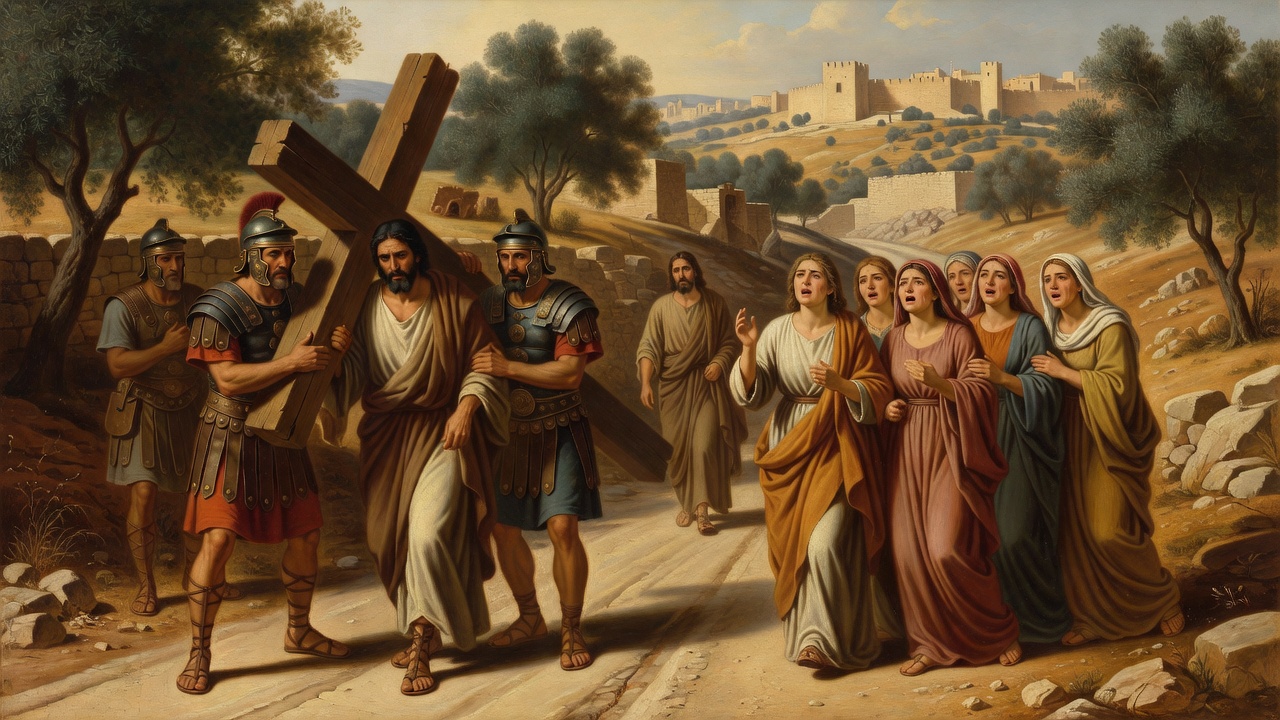
26Saŋ ne̱ asoogyaa awuye‑o de Yeesuu ba yɔ‑ɔ, ne̱ baa gyaŋŋaa ɔnyare̱ ko̱ ne̱ ɔɔ le̱e̱ Kireenee maŋ‑nɔ‑ɔ ne̱ ba te̱e̱ mò̱ ɛ Simɔŋ na ɔ kyo̱ŋ o lwee maŋ‑ɔ‑rɔ. Ne̱ baa ye̱re̱ mò̱ taa kiyii kpare̱-abɛɛ‑rɔ‑ɔ bo̱ so̱rɔ mò̱, na ɔ gya Yeesuu si. 27Na ase̱sɛ de̱maŋte̱‑ɔ gya mò̱ se̱. Akye̱e̱ ko̱ gbaa bo̱ bamo̱‑rɔ bo̱ gya se̱, na ba su ba sa Yeesuu. 28Ne̱ Yeesuu a buruwaa tɔwe̱ gywii bamo̱ fe̱yɛ, “Yɛro̱salɛm akye̱e̱, mo̱ne̱ ma kperi mo̱ se̱ su. Mo̱nꞌ su sa mo̱ne̱ e̱ye̱e̱ na mo̱ne̱ gyi‑ana. 29Bo̱ le̱e̱ fe̱yɛ saŋ ko̱ e̱ ba na ase̱sɛ tɔwe̱ fe̱yɛ, ‘Akye̱e̱ ne̱ bo̱ mo̱ŋ ko̱we̱‑ɔ na bamo̱ ne̱ bo̱ mo̱ŋ de ŋyaagyi po̱pwɛɛ ne̱ ba nyapo̱ bamo̱‑ɔ aŋu bo̱ daŋ.’ 30Saŋ amo̱ ne̱ ase̱sɛ e̱ tɔwe̱ a bo̱ gywii abe̱e̱ fe̱yɛ, ‘Mo̱nꞌ le̱e̱ da ane̱ se̱’ na bo̱ ko̱re̱ abe̱e̱gyi fe̱yɛ, ‘Mo̱nꞌ taa ane̱ bo̱ kwe̱e̱rɔ.’ 31Kayii bo̱bwɛɛ ne̱ baa kywɛɛ‑ɔ, saŋbo̱to̱ kamo̱ ne̱ kaa wo̱re̱‑ɔ. Bamo̱ a waa mo̱ amo̱‑ɔ mbe̱yɔmɔ‑ɔ, ne̱ e̱me̱ne̱ ne̱ ba ba a bo̱ bo̱ waa mo̱ne̱ kamɛɛ‑rɔ?”
32Amɔ anyare̱ anyɔ ko̱ ne̱ bo̱ gye̱ abɔye̱waapo̱‑ɔ mɔ tii si, ne̱ ba yaa bamo̱ aa Yeesuu a bo̱ mɔɔ. 33Saŋ ne̱ baa fo̱ mfe̱ŋ ne̱ ba te̱e̱ ɛ “Ko̱lɔŋko̱rɔŋgyi swe̱e̱re̱”‑ɔ, ne̱ baa da Yeesuu bo̱ me̱ra kiyii kpare̱-abɛɛ‑rɔ‑ɔ se̱ mfe̱ŋ. Ne̱ baa da abɔye̱waapo̱ anyɔ‑ɔ mɔ ɔko̱ bo̱ me̱ra ko̱ko̱ se̱ mò̱ kigyise si, ne̱ baa da ɔko̱‑ɔ mɔ ko̱ko̱ se̱ Yeesuu ke̱be̱na se̱. 34Ne̱ Yeesuu a tɔwe̱ ɛ, “N se̱, taa asoogyaa awuye mɔ e̱bɔye̱ bo̱ ke bamo̱, a le̱e̱ fe̱yɛ bo̱ mo̱ŋ nyi ke̱tɔ ne̱ ba waa‑ɔ.” Ne̱ asoogyaa awuye‑o a waa mpini mpini bo̱ ke Yeesuu atɔ buŋsɛ‑rɔ taa.
35Ne̱ ŋkee ase̱sɛ‑ɔ ye̱re̱ ba de̱e̱re̱, na Yudaa awuye agye̱ŋkpɛɛpo̱‑ɔ e̱ mɔse̱ mò̱ ba tɔwe̱ ba kyo̱ŋwe̱ Yeesuu fe̱yɛ, “Ɔɔ mo̱rɔwe̱ bo̱ko̱, amaa mo̱nꞌ sa a ane̱ ke̱e̱ fe̱yɛ mò̱ a tɔwe̱ ɛ mò̱ e̱ gye̱ Kristoo ne̱ Wuribware̱ a suŋ bo̱ kyo̱ŋwe̱ kaye̱ mɔ‑rɔ‑ɔ, ɔ taare̱ a ɔ mo̱rɔwe̱ mò̱ e̱ye̱e̱ aaa.”
36Ne̱ asoogyaa awuye‑o gbaa a saare̱ mò̱, ne̱ baa yɔ Yeesuu ase̱ ya sa mò̱ nta. 37Ne̱ bo̱ yɛ, “Fo̱ e̱ gye̱ Yudaa awuye owure kase̱ŋtiŋ, amo̱ fe̱raa mo̱rɔwe̱ fo̱ e̱ye̱e̱.”
38Ne̱ baa taa kawo̱re̱taa ko̱ ne̱ gominaa‑o a kyo̱rɛɛ se̱ fe̱yɛ, “Ke̱e̱ Yudaa awuye owure‑o” bo̱ me̱ra Yeesuu aŋu si.
39Ne̱ abɔye̱waapo̱ ne̱ baa da bamo̱ aa Yeesuu bo̱ me̱ra ayii kpare̱-abɛɛ‑rɔ se̱ kake ko̱ŋko̱‑ɔ ɔko̱ a tu asaagyi we̱e̱ Yeesuu si fe̱yɛ, “N gye̱ fo̱ e̱ gye̱ Kristoo‑o ooo? Mo̱rɔwe̱ fo̱ e̱ye̱e̱, na fo̱ mo̱rɔwe̱ ane̱.”
40Ne̱ abɔye̱waapo̱ amo̱ ɔnyɔse̱po̱‑ɔ a faa mò̱ ko̱so̱bɛɛ‑ɔ se̱ fe̱yɛ, “Fo̱ mo̱ŋ se̱re̱ Wuribware̱ ne̱e̱ e̱e̱e̱? Ke̱pɔ ko̱ŋko̱ ne̱ baa bu ane̱ aa mò̱. 41Ane̱ fe̱raa gbaa, baa bu ane̱ ke̱pɔ kpa se̱, bo̱ le̱e̱ fe̱yɛ bɔye̱ ne̱ ane̱ a waa‑ɔ ko̱kɔ ne̱ baa ka ane̱‑ɔ, amaa mò̱ fe̱raa, ɔ mo̱ŋ waa bɔye̱ ko̱.”
42Ne̱ mò̱ fe̱raa a tɔwe̱ gywii Yeesuu fe̱yɛ, “Yeesuu, saŋ ne̱ fo̱ e̱ ba a fo̱ bo̱ gyi kuwure‑o, fo̱ ma kaŋ taŋ mo̱ se̱.”
43Ne̱ Yeesuu a tɔwe̱ gywii mò̱ fe̱yɛ, “Mo̱ i gyi fo̱ kase̱ŋtiŋ fe̱yɛ ndɔɔ mo̱ aa fo̱ e̱ yɔ Wuribware̱ se̱.”
Ane̱ŋ ne̱ Yeesuu a wu kiyii kpare̱-abɛɛ‑rɔ‑ɔ se̱‑ɔ
44Aa bo̱ fo̱ mpase̱‑ɔ, ne̱ kyɔwe̱ a yɔwe̱ ke̱da, ne̱ kibugyii a da swe̱e̱re̱ amo̱ se̱ pɛɛɛ. Ne̱ kaa gyi e̱dɔŋhwe̱re̱e̱ e̱sa. Ne̱ ŋkee waagya ne̱ baa bo̱ kuŋ Wuribware̱ suŋkpa a do̱dɔ‑rɔ a ke̱kyaŋ‑nɔ‑ɔ a kyaŋ‑nɔ ntuŋ ŋnyɔ. 46Ne̱ Yeesuu a faa‑rɔ keŋkeŋ fe̱yɛ, “N se̱ eee, mo̱ a taa mo̱ kra bo̱ waa fo̱ ke̱sare̱e̱‑rɔ.” Mò̱ a tɔwe̱ amo̱‑ɔ lo̱we̱‑ɔ, ne̱ oo kii E̱bware̱ lee.
47Amɔ asoogyaa ɔbre̱sɛ‑ɔ a ŋu atɔ ne̱ aa waa mfe̱ŋ‑ɔ, ne̱ ɔɔ kyo̱rɔ Wuribware̱, ne̱ ɔ yɛ, “Kase̱ŋtiŋ, weetee ɔ gye̱ se̱sɛ timaa.” 48Amo̱ fe̱raa ase̱sɛ ne̱ baa gyaŋŋe̱ mfe̱ŋ ba de̱e̱re̱ atɔ‑ɔ a ŋu ke̱tɔ ne̱ kaa waa‑ɔ, ne̱ baa kiŋŋi yɔ pe̱, na bamo̱ asare̱e̱ gya bamo̱ aŋu ba su. 49Ne̱ bamo̱ ne̱ bo̱ nyi Yeesuu nɛɛnɛɛ‑ɔ na akye̱e̱ ne̱ baa gya mò̱ se̱ le̱e̱ Galile̱ya swe̱e̱re̱ se̱‑ɔ ye̱re̱ ke̱fɔ ba de̱e̱re̱ ba kyo̱ŋwe̱.
Ane̱ŋ ne̱ baa pure Yeesuu‑o
50Amɔ ɔnyare̱ ko̱ mɔ bo̱‑rɔ ne̱ ba te̱e̱ mò̱ ɛ Yo̱sɛf ne̱ ɔɔ le̱e̱ Arimate̱ya maŋ ne̱ ɔ bo̱ Yude̱ya swe̱e̱re̱ se̱‑ɔ. Ɔ gye̱ se̱sɛ timaa, ne̱ ase̱sɛ mɔ be̱e̱ ba bu mò̱ bwe̱e̱tɔ. Mò̱ fe̱raa gywii saŋ ne̱ Wuribware̱ i gyi kuwure swe̱e̱re̱ mɔ se̱‑ɔ ne̱e̱. O tii iwurekpa ase̱ŋgyipo̱‑ɔ se̱, amaa n gye̱ mò̱ aa bamo̱ kanɔ fe̱yɛ bo̱ bu Yeesuu ke̱pɔ. 52Ane̱ŋ se̱‑ɔ ne̱ ɔnyare̱ mɔ a yɔ Gominaa Pilat ase̱ ya ko̱re̱ kpa fe̱yɛ mò̱ fe̱raa e̱ ya taa Yeesuu kifuniŋ a ɔ yaa pure. 53Amɔ ke̱gye̱raŋta ko̱ mɔ ne̱ baa ŋeri ke̱fo̱re̱ lee bɔ fe̱yɛ ke̱kyaŋ‑ɔ maa mfe̱ŋ. Amaa bo̱ mo̱ŋ tɛɛ pure ɔko̱ ke̱mo̱‑rɔ. Ane̱ŋ se̱‑ɔ ne̱ Yo̱sɛf a ya maye̱ kifuniŋ‑o, ne̱ ɔɔ ba kyefuri bo̱ miri mò̱, ne̱ ɔɔ waa me̱naŋ taa mò̱ waa ke̱gye̱raŋta‑ɔ‑rɔ. 54A le̱e̱ fe̱yɛ kake amo̱ gye̱ Ifiyara ne̱e̱. Amo̱se̱‑ɔ kyɔwe̱ ya lo̱we̱, amɔ kukyure kake a lweero, ne̱ ɔko̱ mo̱ŋ de kpa fe̱yɛ o suŋ kusuŋ.
55Ne̱ akye̱e̱ ne̱ baa gya Yeesuu si le̱e̱ Galile̱ya swe̱e̱re̱ se̱‑ɔ a gya Yo̱sɛf se̱ ya ŋu ke̱gye̱raŋta‑ɔ na ane̱ŋ ne̱ ɔɔ ba Yeesuu kifuniŋ‑o bo̱ be̱ya‑rɔ‑ɔ. 56Ne̱ baa kiŋŋi yɔ pe̱ ya kpa kadwii na kakyanne̱ na bo̱ ba bo̱ kyiine Yeesuu kifuniŋ‑o. Ne̱ baa kyure kukyure kake‑o fe̱yɛ ane̱ŋ ne̱ Wuribware̱ a mbraa‑ɔ e̱ kaapo̱‑ɔ.
Did you know?
Trial, Cross, and Burial
- Pontius Pilate, identified by Easton's Bible Dictionary (1897) as the sixth Roman procurator of Judea (A.D. 26–36), kept his headquarters at Caesarea but often went up to Jerusalem. The council’s accusations in this chapter are political: that Jesus was subverting the nation, forbidding the payment of taxes to Caesar, and proclaiming himself Christ, a king.Sources: Pontius Pilate · the Bible text itself
- When Pilate learned that Jesus was a Galilean and under Herod’s jurisdiction, he sent him to Herod Antipas, a son of Herod by Malthace, who was then in Jerusalem. Herod had long wanted to see Jesus and hoped for a miracle, but Jesus did not answer his questions. After Herod and his soldiers mocked Jesus and dressed him in a fine robe, they sent him back, and that day Herod and Pilate, who had been enemies, became friends.Sources: Herod Antipas · the Bible text itself
- The place of crucifixion is called The Skull; a Latin form, Calvaria, translated the Greek Kranion, which rendered the Hebrew Gulgoleth. It probably took this name from its shape, a low, rounded, bare rise somewhat like a human skull, and Scripture nowhere calls it a hill. The crucifixion took place outside the city walls and near a public road.Sources: Skull · the Bible text itself
Notes written with AI assistance from open sources (Theographic Bible Metadata, CC BY-SA 4.0; Easton’s Bible Dictionary, public domain) and reviewed before publishing.
Places in this chapter
- Galilee · 32.760, 35.527 · verses 5, 6, 7, 49, 55
- Jerusalem · 31.777, 35.234 · verses 5, 7, 19, 28
- Judea · Today: Judea 1 · 31.777, 35.234 · verses 5, 51
- Cyrene · 32.821, 21.851 · verse 26
Only places identified with high confidence are shown (90% or more according to the scholarly sources compiled by OpenBible). Period map: DARE (Digital Atlas of the Roman Empire), CC BY 4.0; modern map: © OpenStreetMap contributors; places: OpenBible.info (CC BY 4.0).
Credits and license for this translation
Abware̱se̱ŋ Wo̱re̱-ɔ
New Testament in Chumburung (GH:ncu:Chumburung)
copyright © 2010 Wycliffe Bible Translators, Inc.
Language: Chumburung
Translation by: Wycliffe Bible Translators, Inc.
Copyright Information
© 2010, Wycliffe Bible Translators, Inc. All rights reserved.
This translation text is made available to you under the
terms of the Creative Commons License: Attribution-Noncommercial-No Derivative Works.
( http://creativecommons.org/licenses/by-nc-nd/3.0/ )
In addition, you have permission to port the text to different file formats, as long as you
do not change any of the text or punctuation of the Bible.
You may share, copy, distribute, transmit, and extract portions
or quotations from this work, provided that you include the above copyright
information:
You must give Attribution to the work.
You do not sell this work for a profit.
You do not make any derivative works that change any of the actual words or punctuation of the Scriptures.
Permissions beyond the scope of this license may be
available if you contact
us with your request.
The New Testament
in Chumburung
© 2010, Wycliffe Bible Translators, Inc. All rights reserved.
This translation is made available to you under the terms of the
Creative Commons Attribution-Noncommercial-No Derivatives license 4.0.
You may share and redistribute this Bible translation or extracts from it in any format, provided that:
You include the above copyright and source information.
You do not sell this work for a profit.
You do not change any of the words or punctuation of the Scriptures.
Pictures included with Scriptures and other documents on this site are licensed just for use with those Scriptures and documents.
For other uses, please contact the respective copyright owners.
2025-05-16
Source: http://ebible.org/ncuNT/ · eBible.org