Luke 16
Abware̱se̱ŋ Wo̱re̱-ɔ · Tap a verse to see its cross-references.
Apoo ke̱yaafɔre̱ kitee
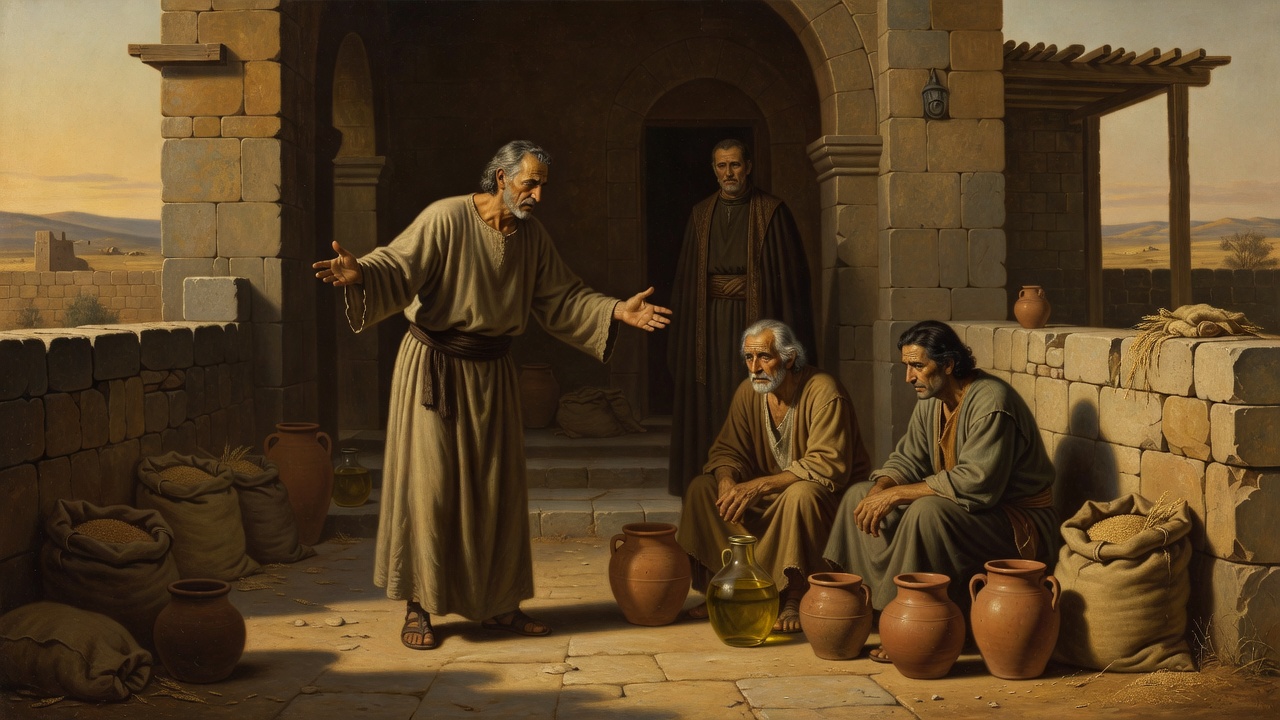
1Ne̱ Yeesuu a tɔwe̱ kitee mɔ gywii mò̱ agyase̱po̱‑ɔ fe̱yɛ, “N gye̱ atɔ wuye ko̱ e̱ gye̱ ne̱ ɔ bo̱‑rɔ aaa? Ne̱ o de mò̱ ke̱yaafɔre̱ ko̱ ne̱ ɔ de̱e̱re̱ mò̱ kapo̱tɛɛ pɛɛɛ se̱‑ɔ. Ne̱ kake ŋko̱ baa tɔwe̱ gywii atɔ wuye‑o fe̱yɛ mò̱ ke̱yaafɔre̱ amo̱ e̱ nye̱ra mò̱ atanne̱. 2Amo̱ fe̱raa, ne̱ ɔɔ te̱e̱ ke̱yaafɔre̱‑ɔ, ne̱ ɔɔ tɔwe̱ gywii mò̱ fe̱yɛ, ‘Mo̱ i nu ba tɔwe̱ fe̱yɛ fo̱ e̱ nye̱ra mo̱ atanne̱. Ane̱ŋ se̱‑ɔ taa mo̱ kapo̱tɛɛ pɛɛɛ bo̱ waa mo̱ ke̱sare̱e̱‑rɔ, a le̱e̱ fe̱yɛ ma lɛɛ sa a fo̱ de̱e̱re̱ mo̱ kapo̱tɛɛ‑ɔ se̱.’
3Ne̱ ke̱yaafɔre̱‑ɔ a fa mò̱ mfɛɛre̱‑rɔ fe̱yɛ, ‘Mo̱ nyaŋpe̱ e̱ kpa a o lee mo̱ kusuŋ‑no. Ne̱ e̱me̱ne̱ ne̱ mo̱ e̱ waa? Mo̱ŋ bo̱ le̱ŋ a n taare̱ dɔɔ, ne̱ ipeere de mo̱ ke̱nare̱ ko̱re̱ atɔ. 4To, ŋ nyi ane̱ŋ ne̱ mo̱ e̱ waa, na, mo̱ ya paŋ kusuŋ, na ŋ nya anyare̱ ne̱ mo̱ ya yɔ bamo̱ e̱lɔŋ‑nɔ na bo̱ kra mo̱ nɛɛnɛɛ‑ɔ.’
5Ne̱ ɔɔ te̱e̱ bamo̱ ne̱ bo̱ de mò̱ nyaŋpe̱ ko̱kɔ‑ɔ pɛɛɛ bo̱ gyaŋŋe̱. Ne̱ oo bise ɔgye̱ŋkpɛɛsɛ‑ɔ fe̱yɛ, ‘Afe̱ne̱ ne̱ fo̱ de mo̱ nyaŋpe̱ ko̱kɔ?’
6Ne̱ ɔ yɛ, ‘Mfɔ aŋko̱re̱ ke̱lafa bo̱rɔ bo̱‑rɔ.’
Ne̱ ke̱yaafɔre̱‑ɔ yɛ, ‘Ke̱e̱, ko̱kɔ a wo̱re̱ ne̱ fo̱ a kyo̱rɛɛ sa mo̱ nyaŋpe̱‑ɔ. Taa na fo̱ kye̱na na fo̱ kyurowi ke̱lafa‑ɔ kyo̱rɛɛ fe̱yɛ amo̱ kanɔ bo̱ adunuu.’
7Ne̱ ɔɔ be̱e̱ bise ɔko̱ ɛ, ‘Ne̱ fo̱, afe̱ne̱ ne̱ fo̱ de mo̱ nyaŋpe̱ ko̱kɔ?’
Ne̱ ɔ yɛ, ‘Yaabraa e̱bɔɔte̱ kakpe̱ŋ.’
Ne̱ ke̱yaafɔre̱‑ɔ yɛ, ‘Ke̱e̱ ko̱kɔ a wo̱re̱ ne̱ fo̱ a kyo̱rɛɛ sa mo̱ nyaŋpe̱‑ɔ mɔ. Taa na fo̱ kyurowi kakpe̱ŋ‑ɔ kyo̱rɛɛ fe̱yɛ amo̱ kanɔ gye̱ alafa aburuwa.’
8Ane̱ŋ se̱‑ɔ saŋ ne̱ apoo wuye mɔ mò̱ nyaŋpe̱ a nu ke̱tɔ ne̱ ɔɔ waa‑ɔ, ne̱ ɔɔ kyo̱rɔ mò̱, a le̱e̱ fe̱yɛ o nyi ase̱ŋ. Ne̱ ɔ yɛ, ‘Kaye̱ mɔ‑rɔ ase̱sɛ de kanyiase̱ŋ bo̱ de bamo̱ bɛɛko̱‑ana bo̱ kyɔ ane̱ŋ ne̱ Wuribware̱ ase̱sɛ de bamo̱ bɛɛko̱‑ana Wuribware̱ ase̱sɛ‑ɔ.’ ”
9Ne̱ Yeesuu a kya se̱ fe̱yɛ, “Amo̱se̱‑ɔ, mo̱ e̱ tɔwe̱ mo̱ i gywii mo̱ne̱ fe̱yɛ, mo̱nꞌ ba mo̱ne̱ kaye̱‑rɔ a kapo̱tɛɛ‑ɔ bo̱ buwi kpa anyare̱ swe̱e̱re̱ mɔ mfe̱e̱, na mo̱ne̱ ya wu, ne̱ mo̱ne̱ kapo̱tɛɛ a kyo̱ŋ, Wuribware̱ e̱ kɔɔre̱ mo̱ne̱ kakatɔgyi‑ro, na ɔ sa mo̱ne̱ akyaŋ so̱so̱ mfe̱ŋ, na mo̱nꞌ kye̱na nsu pɛɛɛ.
10Ɔke̱maa ne̱ o gyi kase̱ŋtiŋ nse̱ŋ ngyingyii‑ro‑o i gyi kase̱ŋtiŋ ase̱ŋ dabe̱‑rɔ, ne̱ ɔko̱ ne̱ mò̱‑ɔ mò̱ e̱ ba aye̱ba nse̱ŋ ngyingyii‑ro‑o mɔ e̱ ba aye̱ba ase̱ŋ dabe̱‑rɔ. 11Mo̱ne̱ a mo̱ŋ taare̱ ba kase̱ŋtiŋ bo̱ kra kaye̱‑rɔ atɔ timaa‑o, e̱me̱ne̱ ne̱ Wuribware̱ e̱ waa na ɔ taa so̱so̱ a atɔ timaa kase̱ŋtiŋ‑o bo̱ sa mo̱ne̱ a mo̱nꞌ kra? 12Ne̱ mo̱ne̱ a mo̱ŋ taare̱ ba kase̱ŋtiŋ bo̱ kra ɔko̱ atɔ, nte̱tɔ se̱ ne̱ Wuribware̱ e̱ sa mo̱ne̱ atɔ ne̱ ɔɔ taa bo̱ be̱ya so̱so̱ keri si sa mo̱ne̱‑ɔ?
13Ke̱nya maa taare̱ a o suŋ anyaŋpe̱ anyɔ. Amo̱ ya ba ane̱ŋ, o kisi ɔko̱, na ɔ kpa ɔko̱ ase̱ŋ, na o suŋ ɔko̱ kyo̱ŋ ɔko̱. Amo̱se̱‑ɔ mo̱ne̱ maa taare̱ a mo̱nꞌ kpa Wuribware̱ na mo̱nꞌ be̱e̱ kpa atanne̱.”
Ase̱ŋ ko̱ ne̱ Yeesuu a tɔwe̱‑ɔ
14Amɔ Farisii awuye‑o a nu ase̱ŋ ne̱ Yeesuu a tɔwe̱‑ɔ, ne̱ baa mɔse̱ mò̱, a le̱e̱ fe̱yɛ ba kpa atanne̱ bwe̱e̱tɔ. 15Ne̱ Yeesuu a tɔwe̱ gywii bamo̱ fe̱yɛ, “Mo̱ne̱ e̱ waa atɔ ne̱ a kaapo̱ fe̱yɛ mo̱ne̱ e̱ waa nɛɛnɛɛ‑ɔ ase̱sɛ ase̱, amaa Wuribware̱ e̱ gye̱ ne̱ o nyi ke̱tɔ ne̱ ke̱ bo̱ mo̱ne̱ ŋkpo̱nɔ‑rɔ‑ɔ, bo̱ le̱e̱ fe̱yɛ ke̱tɔ ne̱ se̱sɛ i bu fe̱yɛ ke̱ gye̱ kitimaa‑o, Wuribware̱ fe̱raa mo̱ŋ de ke̱mo̱ ɔ te̱e̱ sɛye̱.
16Mbraa ne̱ Wuribware̱ a bo̱rɔ Mosis si bo̱ sa mò̱ ase̱sɛ‑ɔ na ke̱tɔ ne̱ Wuribware̱ akyaamɛɛ‑ɔ a kyo̱rɛɛ‑ɔ a fo̱ Yohanee Osuubɔpo̱‑ɔ mbe̱e̱ se̱ ne̱e̱. Le̱e̱ mfe̱ŋ ne̱ ase̱sɛ a le̱e̱ ba nu Wuribware̱ a kuwure a ase̱ŋ timaa‑o. Ne̱ ɔke̱maa e̱ le̱ŋ e̱ye̱e̱ ɔ kpa a o tii kuwure‑o si. 17Hare̱e̱ amo̱‑ɔ pɛɛɛ gbaa ooo, so̱so̱ na swe̱e̱re̱ kikpuri mo̱ŋ bo̱ le̱ŋ fe̱yɛ ane̱ŋ ne̱ Wuribware̱ a mbraa ne̱ ɔɔ bo̱rɔ Mosis si sa ane̱‑ɔ kase̱ŋkpare̱gyii ko̱ŋko̱ ke̱le̱e̱ mmo̱‑rɔ ase̱ŋ bo̱ le̱ŋ‑ɔ.
18N taa fe̱yɛ ɔke̱maa ne̱ oo kine mò̱ ka ya waare̱e̱ ɔkye̱e̱ baŋbaŋ‑ɔ a waa kakye̱e̱kpa, ne̱ ɔko̱ ne̱ ɔɔ waare̱e̱ ɔkye̱e̱ ne̱ mò̱ kuri a kine mò̱‑ɔ mɔ a waa kakye̱e̱kpa‑ɔ dɛɛ.”
Atɔ wuye ko̱ na otiripo̱ ko̱ kitee
19Ne̱ Yeesuu a tɔwe̱ kitee mɔ fe̱yɛ, “N gye̱ atɔ wuye ko̱ ya dɛɛ kye̱na aaa? Ne̱ ɔɔ dɛɛ buŋ awaagya dame̱naŋsɛ timaa, ne̱ oo gyi kɔne̱ saŋ ke̱maa. 20Ne̱ otiripo̱ ko̱ mɔ bo̱‑rɔ ne̱ ba te̱e̱ mò̱ ɛ Lasarus, ne̱ e̱lɔ te mò̱ kayo̱wɔre̱ se̱ to̱ŋ ke̱maa, hare̱e̱ igyono gbaa naa ba nyanne̱ e̱mo̱ se̱. Saŋ ke̱maa ba baa mò̱ atɔ wuye amo̱ lɔŋ kanɔ o de te̱maa fe̱yɛ ɔ nya ateese ne̱ atɔ wuye amo̱ i gyi, ne̱ a le̱e̱ a da swe̱e̱re̱‑ɔ a o gyi.
22Ne̱ otiripo̱ amo̱ a bo̱ wu, ne̱ Wuribware̱ a mbɔɔ‑ɔ a bo̱ so̱rɔ mò̱ yaa so̱so̱ yaa bo̱ kye̱na Abraham keri‑ro kakatɔgyi‑ro. Ne̱ atɔ wuye‑o mɔ a bo̱ wu, ne̱ baa pure mò̱, ne̱ baa waa mò̱ kale. 23Ne̱ ɔɔ yɔ mfe̱ŋ ne̱ abɔye̱waapo̱ ya wu, ne̱ baa yɔ ya gyi awo̱re̱fɔɔ‑ɔ. Ne̱ o gyi awo̱re̱fɔɔ mfe̱ŋ, ne̱ ɔɔ de̱e̱re̱ bo̱ kyo̱ŋwe̱ ŋu Abraham te ke̱fɔ, na Lasarus te mò̱ keri‑ro. 24Ne̱ ɔɔ te̱e̱ keŋkeŋ fe̱yɛ, ‘N nana Abraham, ŋu mo̱ e̱wɛɛ, na fo̱ sa a Lasarus ba ke̱sare̱e̱gyi bo̱ waa nkyu ko̱‑rɔ, na ɔ ba bo̱ dwe̱e̱ mo̱ gyeepu si, na e̱ye̱e̱ yuri mo̱, a le̱e̱ fe̱yɛ mo̱ e̱ye̱e̱ bo̱ mo̱ gya de̱e̱kpa mɔ‑rɔ.’
25Ne̱ Abraham a tɔwe̱ gywii mò̱ fe̱yɛ, ‘N nana, nyiŋŋi si fe̱yɛ fo̱ a kyɔ gyi fo̱ kɔne̱ saŋ ne̱ fo̱ te kaye̱‑rɔ‑ɔ, ne̱ Lasarus mɔ a gyi preepree. Amaa mbe̱yɔmɔ o gyi kɔne̱ mfe̱e̱ ne̱e̱, na fo̱ gyi awo̱re̱fɔɔ. 26Amo̱ kamɛɛ ke̱maŋtaŋ loorisɛ ko̱ da ane̱ aa fo̱ mbo̱ŋtɔ‑rɔ, ne̱ bamo̱ ne̱ bo̱ bo̱ mfe̱e̱ a keri‑o mɔ maa taare̱ a bo̱ kyo̱ŋ yɔ nno̱ŋ a keri‑o, ne̱ bamo̱ ne̱ bo̱ bo̱ mo̱ne̱ keri‑o mɔ maa taare̱ a bo̱ kyo̱ŋ ba mfe̱e̱ a keri‑o.’
27Ne̱ atɔ wuye‑o yɛ, ‘Amo̱ fe̱raa, n nana Abraham, mo̱ e̱ ko̱re̱ fo̱ ne̱e̱, suŋ Lasarus bo̱ kyo̱ŋwe̱ swe̱e̱re̱ se̱ n se̱ a lɔŋ‑ɔ‑rɔ. 28N de atire na adaa anuu mfe̱ŋ. Sa a ɔ yɔ na ɔ ya yii bamo̱ se̱, na bamo̱ mɔ bo̱ ma be̱e̱ ba kaye̱e̱gya awo̱re̱fɔɔ mɔ‑rɔ.’
29Ne̱ Abraham yɛ, ‘Bo̱ kyɔ bo̱ de abware̱se̱ŋ wo̱re̱‑ɔ. Amo̱se̱‑ɔ, sa a bo̱ bu ke̱tɔ ne̱ Mosis na Wuribware̱ a akyaamɛɛ‑ɔ a kyo̱rɛɛ bo̱ waa mò̱‑rɔ‑ɔ.’
30Ne̱ atɔ wuye‑o yɛ, ‘N nana Abraham, a mo̱ŋ kyɔ. Amaa ɔko̱ a kyiŋŋi le̱e̱ lowi‑ro yɔ bamo̱ ase̱ ne̱e̱, weetee ba nu bamo̱ e̱ye̱e̱, na bo̱ kiŋŋi le̱e̱ bamo̱ e̱bɔye̱‑rɔ.’
31Ne̱ Abraham be̱e̱ ɔ yɛ, ‘Bamo̱ e̱ mo̱ŋ gya Mosis a kanɔ‑ɔ se̱ na Wuribware̱ a akyaamɛɛ‑ɔ ase̱ŋ tɔwe̱sɛ se̱, ɔko̱ ya kyiŋŋi le̱e̱ lowi‑ro yɔ gbaa, bo̱ maa kyurowi bamo̱ mfɛɛre̱.’ ”
Ne̱ Yeesuu yɛ, “To, ane̱ŋ ne̱ a du‑o ne̱e̱.”
Did you know?
Wealth, two masters, and Lazarus
- In Jesus' words about the rich man and Lazarus, the rich man cries out, 'Father Abraham,' and Abraham answers, 'Child.' Easton's Bible Dictionary (1897) explains the name Abraham as 'Father of a multitude' and describes him as the heir of the promises.Sources: the Bible text itself · Abraham
- Speaking to Pharisees who were scoffing at him, Jesus says that the Law and the Prophets were proclaimed until John, and that since then the gospel of the kingdom of God is being preached. Easton's Bible Dictionary (1897) calls John the Baptist the 'forerunner of our Lord,' says that his mission was the subject of prophecy, including Isaiah 40:3 and Malachi 3:1, and states that his birth took place six months before that of Jesus.Sources: the Bible text itself · John the Baptist
- A manager accused of wasting his master's possessions is told to turn in an account and give up his position. He has the debtors rewrite their bills, reducing a hundred measures of olive oil to fifty and a hundred measures of wheat to eighty, and the master commends the dishonest manager because he had acted shrewdly. Jesus then says that no servant can serve two masters, and that no one can serve both God and money.Sources: the Bible text itself
Notes written with AI assistance from open sources (Theographic Bible Metadata, CC BY-SA 4.0; Easton’s Bible Dictionary, public domain) and reviewed before publishing.
Credits and license for this translation
Abware̱se̱ŋ Wo̱re̱-ɔ
New Testament in Chumburung (GH:ncu:Chumburung)
copyright © 2010 Wycliffe Bible Translators, Inc.
Language: Chumburung
Translation by: Wycliffe Bible Translators, Inc.
Copyright Information
© 2010, Wycliffe Bible Translators, Inc. All rights reserved.
This translation text is made available to you under the
terms of the Creative Commons License: Attribution-Noncommercial-No Derivative Works.
( http://creativecommons.org/licenses/by-nc-nd/3.0/ )
In addition, you have permission to port the text to different file formats, as long as you
do not change any of the text or punctuation of the Bible.
You may share, copy, distribute, transmit, and extract portions
or quotations from this work, provided that you include the above copyright
information:
You must give Attribution to the work.
You do not sell this work for a profit.
You do not make any derivative works that change any of the actual words or punctuation of the Scriptures.
Permissions beyond the scope of this license may be
available if you contact
us with your request.
The New Testament
in Chumburung
© 2010, Wycliffe Bible Translators, Inc. All rights reserved.
This translation is made available to you under the terms of the
Creative Commons Attribution-Noncommercial-No Derivatives license 4.0.
You may share and redistribute this Bible translation or extracts from it in any format, provided that:
You include the above copyright and source information.
You do not sell this work for a profit.
You do not change any of the words or punctuation of the Scriptures.
Pictures included with Scriptures and other documents on this site are licensed just for use with those Scriptures and documents.
For other uses, please contact the respective copyright owners.
2025-05-16
Source: http://ebible.org/ncuNT/ · eBible.org