Luke 11
Abware̱se̱ŋ Wo̱re̱-ɔ · Tap a verse to see its cross-references.
Ane̱ŋ ne̱ Yeesuu a kaapo̱ ane̱ ane̱ŋ ne̱ ane̱ ko̱re̱ ke̱bware̱ko̱re̱‑ɔ
1Kake ŋko̱ ne̱ Yeesuu a yɔ to̱ŋ ko̱ ɔ ko̱re̱ ke̱bware̱ko̱re̱. Mò̱ a ko̱re̱ ke̱bware̱ko̱re̱‑ɔ lo̱we̱‑ɔ, ne̱ mò̱ agyase̱po̱‑ɔ ɔko̱ a tɔwe̱ gywii mò̱ fe̱yɛ, “Ane̱ nyaŋpe̱, kaapo̱ ane̱ ane̱ŋ ne̱ ane̱ ko̱re̱ ke̱bware̱ko̱re̱, fe̱yɛ ane̱ŋ ne̱ Yohanee a kaapo̱ mò̱ agyase̱po̱‑ɔ.”
2Ne̱ Yeesuu a be̱ŋŋaa mò̱ fe̱yɛ, “Mo̱ne̱ e̱ ko̱re̱ ke̱bware̱ko̱re̱, mo̱nꞌ tɔwe̱ fe̱yɛ,
‘Ane̱ se̱ Wuribware̱, sa a bo̱ kyo̱rɔ fo̱ ke̱nyare̱ timaa.
Na fo̱ baa fo̱ kuwure‑o bo̱ gyi mfe̱e̱.
3Sa ane̱ ateese ne̱ a tiri ane̱
ndɔɔ na kake ke̱maa‑ɔ.
4Na fo̱ taa ane̱ e̱bɔye̱ bo̱ ke ane̱,
bo̱ le̱e̱ fe̱yɛ ane̱ de ɔke̱maa ne̱ ɔ waa
ane̱ e̱bɔye̱‑ɔ lee ane̱ i ke mò̱.
Na fo̱ ma sa kpa a Ɔbɔnsam kyɔ ane̱‑rɔ ke̱e̱
fe̱yɛ ane̱ e̱ waa e̱bɔye̱ aaa.’ ”
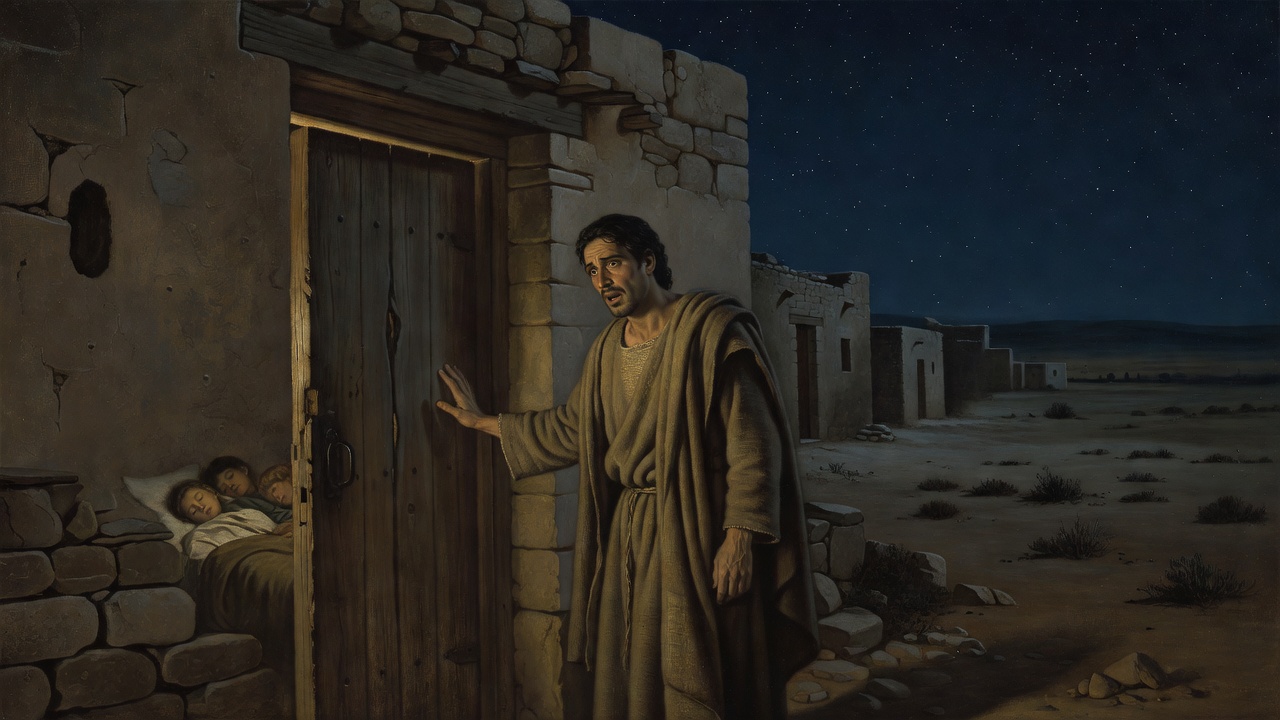
5Ne̱ Yeesuu a kya se̱ tɔwe̱ gywii mò̱ agyase̱po̱‑ɔ fe̱yɛ, “Mo̱nꞌ taa fe̱yɛ fo̱ ko̱ a yɔ fo̱ nyare̱ ko̱ aye̱ kaye̱ nse̱na ya tɔwe̱ gywii mò̱ fe̱yɛ, ‘Mo̱ nyare̱, mo̱ nyare̱ ko̱ i tu kpa, ne̱ ɔɔ bo̱ so̱we̱ mo̱ aye̱ kanye mɔ, mo̱‑ɔ mo̱ŋ de ateese ko̱ na m bo̱ sa mò̱ a o gyi. Amo̱se̱‑ɔ mo̱ e̱ ko̱re̱ fo̱ ne̱e̱ fe̱yɛ fo̱ para mo̱ bodobodoo akuri asa kpeŋ.’ 7To, mo̱nꞌ be̱e̱ taa ke̱mo̱ fe̱yɛ fo̱ nyare̱ ne̱ fo̱ a ko̱re̱ mò̱‑ɔ a tɔwe̱ fe̱yɛ, ‘Fo̱ ma tɔɔraa mo̱. Mo̱ a kyɔ twe̱e̱ mo̱ ke̱kyaŋ‑nɔ, ne̱ mo̱ aa mo̱ gyi‑ana pɛɛɛ a di. Amo̱se̱‑ɔ ma taare̱ a ŋ ko̱so̱ sa fo̱ ko̱tɔko̱.’ 8Mò̱ a gye̱ fo̱ nyare̱‑ɔ gbaa ooo, oo kine ke̱kya fo̱‑rɔ. Amo̱se̱ se̱‑ɔ fo̱ e̱ le̱e̱ mfe̱ŋ a fo̱ yɔwe̱ ko̱tɔɔraa mò̱ aaa? Daabii. Mo̱ e̱ tɔwe̱ mo̱ i gywii fo̱ fe̱yɛ, ipeere e̱ mo̱ŋ de fo̱ fe̱yɛ fo̱ me̱raa se̱ ko̱re̱ mò̱, lalalo̱we̱‑ɔ ɔ ko̱so̱ na ɔ sa fo̱ ke̱tɔ ke̱maa ne̱ fo̱ a tɔwe̱ fe̱yɛ fo̱ e̱ kpa‑ɔ.
9Ane̱ŋ se̱‑ɔ mo̱ i gyi mo̱ne̱ kase̱ŋtiŋ fe̱yɛ, mo̱ne̱ ya ko̱re̱ Wuribware̱ atɔ, mo̱ne̱ e̱ nya ke̱tɔ ne̱ mo̱ne̱ e̱ kpa‑ɔ. Mo̱ne̱ ya buwi, mo̱ne̱ i ŋu ke̱tɔ ne̱ mo̱ne̱ e̱ kpa‑ɔ. Mo̱ne̱ ya ye̱re̱ kawu te̱e̱ mò̱, ɔ taye̱ po̱ne̱‑ɔ na mo̱nꞌ lweero. 10A le̱e̱ fe̱yɛ ɔke̱maa ne̱ ɔ ko̱re̱‑ɔ e̱ nya, ne̱ ɔke̱maa ne̱ o buwi‑o mɔ i ŋu, na po̱ne̱ taye̱ sa ɔke̱maa ne̱ ɔ ye̱re̱ kawu ɔ te̱e̱‑ɔ.
11M be̱e̱ taa fe̱yɛ mo̱ne̱ nsɛ mò̱ gyi e̱ gye̱ ne̱ ɔ tɔwe̱ fe̱yɛ ɔ kpa kakiŋgyi a ɔ wo̱, ne̱ ɔ taa ko̱wɔ a ɔ bo̱ sa mò̱? 12Bɛɛɛ nsɛ mò̱ gyi e̱ gye̱ ne̱ ɔ tɔwe̱ a o gywii mò̱ se̱ fe̱yɛ ɔ kpa ko̱kɔɔte̱e̱ a ɔ wo̱, ne̱ ɔ sa mò̱ gyapureepu? 13Mo̱ne̱ ne̱ mo̱ne̱ gye̱ ase̱sɛ bɔye̱-ɔ gbaa nyi e̱sa mo̱ne̱ gyi-ana atɔ timaa, saŋbo̱to̱ Wuribware̱, mo̱ne̱ se̱ ne̱ ɔ bo̱ so̱so̱-ɔ, e̱ gye̱ ne̱, mo̱ne̱ ya ko̱re̱ mò̱ fe̱yɛ ɔ sa mo̱ne̱ mò̱ kufwiiŋe timaa-o, ne̱ ɔ maa taare̱ a ɔ sa mo̱ne̱ aaa?”
Yeesuu na Biil-sibul
14Saŋ ko̱ Yeesuu a gya ibrisi ko̱ ne̱ e̱ maa taare̱ a e̱ sa se̱ŋsa, ne̱ i te ɔnyare̱ ko̱ se̱‑ɔ le̱e̱ mò̱ se̱. Ibrisi amo̱ a le̱e̱ mò̱ se̱‑ɔ, ne̱ ɔnyare̱‑ɔ a le̱e̱ ɔ sa se̱ŋsa. Ne̱ ase̱sɛ pɛɛɛ ne̱ bo̱ bo̱ mfe̱ŋ‑ɔ e̱ye̱e̱ a kpe̱ŋ bamo̱. 15Amaa ase̱sɛ‑ɔ bo̱ko̱ yɛ, “Yeesuu mɔ gye̱ se̱sɛ bɔye̱ ne̱e̱. Ɔbɔnsam ne̱ bo̱ be̱e̱ ba te̱e̱ mò̱ ɛ Biil-sibul‑o e̱ gye̱ ne̱ o de ibrisi si ke̱yaale̱ŋ, ne̱ ɔ sa Yeesuu e̱le̱ŋ fe̱yɛ ɔ gya ibrisi bo̱ ko̱so̱ ase̱sɛ se̱.” 16Bo̱ko̱ mɔ a kpa a bo̱ kyɔ Yeesuu‑ro ke̱e̱‑ɔ se̱‑ɔ, ne̱ baa tɔwe̱ gywii mò̱ fe̱yɛ ɔ waa akpe̱ŋe̱ye̱e̱tɔ ko̱ bo̱ kaapo̱ bamo̱ fe̱yɛ Wuribware̱ ya sa mò̱ ke̱yaale̱ŋ.
17Amaa Yeesuu a ŋu ke̱tɔ ne̱ ba fa‑ɔ se̱‑ɔ, ne̱ ɔɔ tɔwe̱ gywii bamo̱ fe̱yɛ, “E̱kɔ ya lwee maŋ‑nɔ, ne̱ maŋ‑ɔ ya ke‑ro, amɔ maŋ amo̱ i bwee ne̱e̱, ane̱ŋ dɛɛ ne̱ kabuno ya ke‑ro, ne̱ ka bwee. 18Amo̱se̱‑ɔ amo̱ e̱ gye̱ kase̱ŋtiŋ fe̱yɛ Ɔbɔnsam na mò̱ kamɛɛ‑rɔ awuye a ke‑ro, ke̱ maa kyee na mò̱ kuwure‑o kpuri. Mo̱ne̱ yɛ n de Biil-sibul ne̱ ɔ gye̱ Ɔbɔnsam‑ɔ e̱le̱ŋ mo̱ e̱ gya ibrisi. 19Amaa ŋ nyi fe̱yɛ mo̱ne̱ agyase̱po̱‑ɔ bo̱ko̱ e̱ gya ibrisi ba ko̱so̱ ase̱sɛ se̱. Nte̱tɔ e̱le̱ŋ ne̱ bo̱ de? Ɔbɔnsam a e̱le̱ŋ‑ɔ bɛɛɛ Wuribware̱ lee‑o? A gye̱ Wuribware̱ a e̱le̱ŋ‑ɔ ne̱ bo̱ de, bɛɛɛ? To, mo̱ne̱ agyase̱po̱ amo̱ fɔŋfɔŋ gbaa a kaapo̱ fe̱yɛ mo̱ne̱ a fo̱ kpa. 20Amo̱ e̱ gye̱ fe̱yɛ Wuribware̱ ke̱yaale̱ŋ ne̱ n de mo̱ e̱ gya ibrisi‑o si‑o, a kaapo̱ ne̱e̱ fe̱yɛ Wuribware̱ a kuwure‑o a kyɔ ba mo̱ne̱ ase̱.
21M be̱e̱ taa fe̱yɛ Ɔbɔnsam du fe̱yɛ ɔyaale̱ŋpo̱ ne̱ o de mò̱ ado̱ŋtɔ ne̱ o de ɔ de̱e̱re̱ mò̱ fɔŋfɔŋ lɔŋ se̱‑ɔ. O nyi fe̱yɛ mò̱ kapo̱tɛɛ a nya ye̱re̱ kpa timaa. 22Amaa m fe̱raa n du ne̱e̱ fe̱yɛ ɔko̱ ne̱ ɔ kyɔ ɔyaale̱ŋpo̱ amo̱ e̱le̱ŋ, ne̱ ɔɔ da mò̱ kɔɔre̱ mò̱ ado̱ŋtɔ ne̱ mò̱ e̱le̱ŋ dɔŋ se̱‑ɔ nare̱, na mò̱ aa mò̱ nyare̱‑ana a ke atɔ ne̱ oo swii nare̱‑ɔ‑rɔ‑ɔ.
23Amo̱se̱‑ɔ mo̱ i yii mo̱ne̱ se̱ fe̱yɛ mo̱ne̱ ɔke̱maa ne̱ ɔ mo̱ŋ ye̱re̱ mo̱ kamɛɛ‑ɔ gye̱ mo̱ do̱ŋ ne̱e̱. Ne̱ ɔke̱maa mɔ ne̱ ɔ maa kya mo̱‑rɔ na ŋ kpɔwe̱ ase̱sɛ bwe̱e̱tɔ bo̱ tii mo̱ e̱ye̱e̱ se̱‑ɔ mɔ e̱ brawe̱ bamo̱‑rɔ ne̱e̱.”
Ibrisi‑o ya kiŋŋi ba, ke̱tɔ ne̱ ke̱ e̱ ba‑ɔ
24Ne̱ Yeesuu yɛ, “Ibrisi ya ko̱so̱ se̱sɛ se̱, amɔ e̱ naa e̱ kaa e̱fa‑rɔ e̱e̱ kpa to̱ŋ ko̱ a e̱ kye̱na kyure. E̱mo̱ e̱ mo̱ŋ nya to̱ŋ ko̱, amɔ e̱e̱ fa e̱mo̱ mfɛɛre̱ fe̱yɛ ii kiŋŋi a e̱ yɔ lɔŋ ne̱ baa gya e̱mo̱ le̱e̱ mò̱‑rɔ‑ɔ‑rɔ. 25Na i kiŋŋi ya to̱ fe̱yɛ lɔŋ amo̱‑rɔ bo̱ daŋ ɔ mo̱ŋ de iyisi. 26Na e̱ le̱e̱ ya kpa ibrisi isunoo ne̱ e̱ bo̱ le̱ŋ e̱ kyɔ e̱mo̱ fɔŋfɔŋ‑ɔ, na e̱ bo̱ kye̱na mfe̱ŋ. Ibrisi lɔŋ e̱ gye̱ se̱sɛ. To, amɔ e̱mo̱ a waa isunoo i te se̱sɛ amo̱ se̱ se̱‑ɔ, amɔ se̱sɛ a ko̱lɔ‑ɔ a waa ko̱kyɔ kyo̱ŋ saŋ ne̱ ibrisi ko̱ŋko̱ e̱ gye̱ ne̱ ki te mò̱ se̱‑ɔ.”
Ŋyure kase̱ŋtiŋ
27Saŋ ne̱ Yeesuu a tɔwe̱ amo̱‑ɔ, ne̱ ase̱sɛ ne̱ bo̱ ye̱re̱ ba nu Yeesuu ase̱‑ɔ amo̱‑rɔ ɔkye̱e̱ ko̱ a tɔwe̱ fe̱yɛ, “Ɔkye̱e̱ ne̱ ɔɔ nya kame ko̱we̱ fo̱, ne̱ ɔɔ nyapo̱ fo̱‑ɔ de ŋyure.”
28Ne̱ Yeesuu a be̱ŋŋaa mò̱ fe̱yɛ, “Kase̱ŋtiŋ ne̱e̱. Amaa bamo̱ ne̱ ba nu abware̱se̱ŋ ne̱ ba bu amo̱, ne̱ bo̱ gya se̱‑ɔ de Wuribware̱ ŋyure bo̱ kyo̱ŋ ɔkye̱e̱‑ɔ.”
Atɔ dabe̱ ko̱waa ase̱ŋ
29Saŋ amo̱, ase̱sɛ a tii si ne̱ bo̱ ye̱re̱ muruwaa Yeesuu‑o, ne̱ ɔɔ tɔwe̱ gywii bamo̱ fe̱yɛ, “Ndɔɔ a kaye̱ mɔ‑rɔ ase̱sɛ gye̱ ase̱sɛ bɔye̱. Bo̱ yɛ ŋ waa akpe̱ŋe̱ye̱e̱tɔ ko̱ bo̱ kaapo̱ bamo̱. Amaa ma waa, amɔ Yonaa akpe̱ŋe̱ye̱e̱tɔ wo̱re̱. 30Ane̱ŋ ne̱ ke̱tɔ ne̱ kaa waa Yonaa‑o a lee Wuribware̱ ke̱yaale̱ŋ bo̱ kaapo̱ Niniwee awuye ne̱ baa kye̱na Yonaa mbe̱e̱ se̱‑ɔ, ane̱ŋ dɛɛ ne̱ ke̱tɔ ne̱ ke̱ e̱ waa mo̱, dimaadi mò̱ gyi‑o, i lee Wuribware̱ ke̱yaale̱ŋ a m bo̱ kaapo̱ ndɔɔ a kaye̱ mɔ‑rɔ a ase̱sɛ‑ɔ. 31Ŋke nsi ne̱ Wuribware̱ i gyi ase̱sɛ pɛɛɛ ase̱ŋ‑ɔ, owurekye̱e̱ ko̱ ne̱ ɔɔ le̱e̱ kyɔwe̱ le̱e̱kpa kigyise si a swe̱e̱re̱ ko̱ se̱‑ɔ e̱ ko̱so̱ a ɔ ye̱re̱, na ɔ po̱rɔ mo̱ne̱ ndɔɔ a kaye̱ mɔ‑rɔ a ase̱sɛ‑ɔ, na o bu mo̱ne̱ ke̱pɔ. A le̱e̱ fe̱yɛ oo tu kpa le̱e̱ hare̱e̱ mò̱ aye̱ ba ane̱ ɔde̱daapo̱ Owure Solomɔŋ ase̱ mfe̱e̱ bo̱ nu owure amo̱ a kanyiase̱ŋ ase̱ŋ‑ɔ. Amaa mo̱ e̱ tɔwe̱ mo̱ i gywii mo̱ne̱ fe̱yɛ ɔko̱ a ba, ne̱ ɔ ye̱re̱ mo̱ne̱ akatɔ‑rɔ, ne̱ ɔ kyɔ Solomɔŋ. Ne̱ mo̱ne̱ a kine kunu mò̱ kanyiase̱ŋse̱ŋ. 32Kake nsi ne̱ Wuribware̱ i gyi ɔke̱maa ase̱ŋ‑ɔ, Niniwee awuye e̱ ko̱so̱ a bo̱ ye̱re̱ po̱rɔ mo̱ne̱ ndɔɔ a kaye̱ mɔ‑rɔ ase̱sɛ‑ɔ, na bo̱ bu mo̱ne̱ ke̱pɔ, a le̱e̱ fe̱yɛ bamo̱ a nu Yonaa a abware̱se̱ŋ ne̱ ɔɔ tɔwe̱‑ɔ, baa nu bamo̱ e̱ye̱e̱, ne̱ baa kiŋŋi le̱e̱ bamo̱ e̱bɔye̱‑rɔ. Mo̱ i gyi mo̱ne̱ kase̱ŋtiŋ fe̱yɛ ɔko̱ a ba, ne̱ ɔ ye̱re̱ mo̱ne̱ akatɔ‑rɔ, ne̱ ɔ kyɔ Yonaa. Ne̱ mo̱ne̱ a kine kunu mò̱ abware̱se̱ŋ ko̱tɔwe̱‑ɔ.”
Kayo̱wɔre̱ ke̱laŋŋe̱rɔ
33Ne̱ Yeesuu a be̱e̱ tɔwe̱ fe̱yɛ, “Ɔko̱ maa kyaŋŋe̱ mò̱ fetiri si na ɔ taa bo̱ kwe̱e̱rɔ, bɛɛɛ ɔ be̱ra kike bo̱ buŋ si. Kabuno ne̱ ɔ taa a ɔ bo̱ ye̱ra, na ɔ laŋŋe̱‑rɔ ane̱ŋ ne̱ ase̱sɛ i lwee lɔŋ‑nɔ ne̱ ba nya bo̱ ŋu‑ro‑o.
34Fo̱ fetiri e̱ bo̱ daŋ, ɔ laŋŋe̱ lɔŋ‑ɔ‑rɔ pɛɛɛ. Ne̱ mò̱ ya nye̱ra fe̱raa, kibugyii e̱ da fo̱ lɔŋ‑ɔ‑rɔ. Ane̱ŋ dɛɛ ne̱ fo̱ akatɔ e̱ bo̱ daŋ, fo̱ ke̱e̱ nɛɛnɛɛ. Amaa amo̱ e̱ mo̱ŋ ke̱e̱ fe̱raa, a du ne̱e̱ fe̱yɛ fo̱ a te kibugyii‑ro‑o. Ke̱laŋŋe̱rɔ maa taare̱ a ki yii fo̱ akatɔ‑rɔ. 35Amo̱se̱ se̱‑ɔ mo̱ne̱ ne̱ mo̱ne̱ yɛ mo̱ne̱ ŋkpo̱nɔ‑rɔ a fwiiri‑o, mo̱nꞌ sa se̱. Nsaŋse̱ mo̱ne̱ e̱ pe̱nna mo̱ne̱ e̱ye̱e̱ ne̱e̱, mo̱ne̱ ŋkpo̱nɔ‑rɔ mo̱ŋ bo̱ daŋ. 36Amaa mo̱ne̱ i de ŋkpo̱nɔfwiiri lo̱we̱ fe̱raa, a du ne̱e̱ fe̱yɛ fetiri a laŋŋe̱ mo̱ne̱ ŋyo̱wɔre̱ pɛɛɛ se̱‑ɔ.”
Ane̱ŋ ne̱ Yeesuu a po̱rɔ Farisii awuye na Wuribware̱ mbraa akaapo̱po̱‑ɔ
37Saŋ ne̱ Yeesuu a sa se̱ŋsa lo̱we̱‑ɔ, ne̱ Farisiinyi ko̱ a te̱e̱ mò̱ fe̱yɛ ɔ ba mò̱ aye̱ na ɔ bo̱ gyi ateese. Amo̱se̱‑ɔ ne̱ ɔɔ yɔ mfe̱ŋ o te o gyi. 38Ne̱ Farisiinyi‑o e̱ye̱e̱ a kpe̱ŋ mò̱ fe̱yɛ Yeesuu a mo̱ŋ fwe̱e̱ asare̱e̱ bamo̱ mbraa‑ɔ kpa se̱ pwɛɛ ne̱ ɔ dɛɛ o gyi‑o.
39Amo̱ fe̱raa ne̱ Yeesuu a tɔwe̱ gywii mò̱ fe̱yɛ, “Mo̱ne̱ Farisii awuye fe̱raa, mo̱ne̱ du ne̱e̱ fe̱yɛ ase̱sɛ ne̱ ba fwe̱e̱ bamo̱ ato̱re̱nkyu na e̱gyare̱ mmɛɛ, amaa mo̱ne̱ maa fwe̱e̱ amo̱ mme‑ro. Mo̱ne̱ e̱ lɔŋŋɔ mo̱ne̱ ŋyo̱wɔre̱, amaa apoo na bo̱ro̱kɔɔne̱ ya bo̱rɔ mo̱ne̱ ŋkpo̱nɔ‑rɔ. 40Mfɛɛre̱ ke̱‑mo̱ŋ‑de awuye. N gye̱ Wuribware̱ ne̱ ɔɔ waa se̱sɛ kayo̱wɔre̱ se̱‑ɔ dɛɛ ya waa mò̱ kayo̱wɔre̱‑rɔ aaa? 41Mo̱nꞌ ke atiripo̱ ke̱tɔ ne̱ mo̱ne̱ de‑o na a mo̱ŋ bo̱ mo̱ne̱ gya. Mo̱ne̱ ya waa ane̱ŋ fe̱raa, mo̱ne̱ ŋkpo̱nɔ‑rɔ mo̱ŋ lɛɛ n de iyisi.
42Mo̱ne̱ Farisii awuye, mo̱ne̱ i ŋu ase̱ŋ ŋke ŋko̱ fɛɛ. Bo̱ le̱e̱ fe̱yɛ mo̱ne̱ gya Wuribware̱ mbraa ne̱ ŋ yɛ mo̱nꞌ taa mo̱ne̱ adɔɔteese ke̱maa hare̱e̱ alɛɛfo̱ gbaa ntuŋkare̱ kudu ke̱maa‑rɔ katuŋ ko̱ŋko̱ na mo̱nꞌ bo̱ lɔŋŋɔ Wuribware̱ saŋ ke̱maa, amaa mo̱ne̱ mo̱ŋ de kase̱ŋtiŋ, ne̱ mo̱ne̱ be̱e̱ mo̱ne̱ maa kpa Wuribware̱ ase̱ŋ pɛɛɛ‑ɔ. Ane̱ŋ a atɔ mɔ e̱ gye̱ ne̱ a bware fe̱yɛ mo̱nꞌ waa, na mo̱ne̱ ma yɔwe̱ adɔɔteese a ntuŋkare̱ kudu‑ro kako̱ŋko̱‑ɔ ke̱taa sa Wuribware̱.
43Mo̱ne̱ Farisii awuye, mo̱ne̱ i ŋu ase̱ŋ ŋke ŋko̱ fɛɛ, bo̱ le̱e̱ fe̱yɛ ngya dabe̱ dabe̱ se̱ ne̱ mo̱ne̱ e̱ kpa ke̱kye̱na mo̱ne̱ ke̱bware̱ko̱re̱ akyaŋ‑nɔ, ne̱ mo̱ne̱ be̱e̱ mo̱ne̱ e̱ kpa fe̱yɛ ase̱sɛ gyɔŋŋɔ ka mo̱ne̱ nnɔ lamaŋ‑nɔ.
44Mo̱ne̱ i ŋu ase̱ŋ ŋke ŋko̱ fɛɛ. Mo̱ne̱ du ne̱e̱ fe̱yɛ ke̱gye̱raŋta ne̱ ase̱sɛ mo̱ŋ lɛɛ bo̱ nyi ke̱mo̱ ase̱ŋ‑ɔ. Ɔko̱ ya kyikye ke̱gye̱raŋta se̱, ne̱ mò̱ gbaa mo̱ŋ nyi fe̱yɛ ke̱gye̱raŋta ne̱e̱, ɔ waa mò̱ e̱ye̱e̱ iyisi.”
45Ne̱ Wuribware̱ mbraa akaapo̱po̱‑ɔ ɔko̱ yɛ, “Ɔkaapo̱po̱, fo̱ e̱ tɔwe̱ amo̱ ane̱ŋ fe̱raa, fo̱ e̱ saare̱ ane̱ fo̱ i tii si ne̱e̱.”
46Ne̱ Yeesuu a be̱ŋŋaa fe̱yɛ, “Ane̱ŋ dɛɛ ne̱ mo̱ne̱ Wuribware̱ mbraa akaapo̱po̱ gbaa i ŋu ase̱ŋ ŋke ŋko̱ fɛɛ. A le̱e̱ fe̱yɛ mo̱ne̱ de mo̱ne̱ fɔŋfɔŋ ananatɔ mo̱ne̱ i tii Wuribware̱ a mbraa‑ɔ se̱, na mo̱nꞌ nya sa a mmo̱ ke̱gyase̱ waa le̱ŋ sa ase̱sɛ. Amaa mo̱ne̱ fɔŋfɔŋ fe̱raa maa kya bamo̱‑rɔ na bo̱ gya mmo̱ se̱. A du ne̱e̱ fe̱yɛ mo̱ne̱ a taa e̱tɔso̱rɔ dwiidwiisɛ bo̱ so̱rɔ bamo̱, ne̱ mo̱ne̱ mɔ mo̱ne̱ maa so̱rɔ a mo̱nꞌ kya bamo̱‑rɔ‑ɔ.
47Mo̱ne̱ i ŋu ase̱ŋ ŋke ŋko̱ fɛɛ. Bo̱ le̱e̱ fe̱yɛ Wuribware̱ akyaamɛɛ ne̱ mo̱ne̱ ade̱daapo̱ a mɔɔ‑ɔ agye̱raŋta ne̱ mo̱ne̱ mɔ mo̱ne̱ de siimeetii mo̱ne̱ e̱ laa amo̱ nɛɛnɛɛ‑ɔ. 48Amo̱se̱‑ɔ mo̱ne̱ gbaa mo̱ne̱ a sure ke̱tɔ ne̱ mo̱ne̱ ade̱daapo̱ a waa‑ɔ se̱, bo̱ le̱e̱ fe̱yɛ bamo̱ ya mɔɔ Wuribware̱ a akyaamɛɛ‑ɔ, ne̱ mo̱ne̱ mɔ mo̱ne̱ a waa bamo̱ agye̱raŋta. 49Fe̱yɛ Wuribware̱ mò̱ kanyiase̱ŋ se̱ a tɔwe̱ fe̱yɛ, ‘Mo̱ i suŋ mo̱ akyaamɛɛ na mo̱ ayaa‑rɔ aye̱re̱po̱ a m bo̱ kyo̱ŋwe̱ bamo̱ ase̱, amaa ba mɔɔ bamo̱ bo̱ko̱, na bo̱ waa bo̱ko̱ mɔ awo̱re̱fɔɔ.’ 50Ke̱tɔ ne̱ ke̱ bo̱‑rɔ‑ɔ e̱ gye̱ fe̱yɛ Wuribware̱ e̱ ba bamo̱ ne̱ baa mɔɔ mò̱ akyaamɛɛ‑ɔ pɛɛɛ a ke̱se̱bɔgyiiri ne̱ ɔ kaa a ɔ bo̱ gyiiri bamo̱‑ɔ bo̱ gyiiri mo̱ne̱ ndɔɔ a kaye̱ mɔ‑rɔ a ase̱sɛ‑ɔ ke̱se̱bɔ. Kase̱ŋtiŋ si, le̱e̱ saŋ ne̱ baa mɔɔ Abɛl ne̱ ɔ gye̱ se̱sɛ ne̱ baa gye̱ ŋkpɛɛ e̱mɔɔ‑ɔ, bo̱ fo̱ saŋ ne̱ baa mɔɔ Sakariya Wuribware̱ suŋkpa‑ɔ kanɔ na lɔŋŋɔkpa‑ɔ mbo̱ŋtɔ‑rɔ‑ɔ, Wuribware̱ akyaamɛɛ mɔ pɛɛɛ ke̱mɔɔ‑ɔ ke̱se̱bɔgyiiri dɔŋ mo̱ne̱ se̱ ne̱e̱.
52Mo̱ne̱, Wuribware̱ mbraa akaapo̱po̱ mɔ, mo̱ne̱ i ŋu ase̱ŋ ŋke ŋko̱ fɛɛ. A le̱e̱ fe̱yɛ mo̱ne̱ a twe̱e̱ ke̱kyaŋ ne̱ kanyiase̱ŋ bo̱ ke̱mo̱‑rɔ‑ɔ‑rɔ, ne̱ mo̱ne̱ a kɔɔre̱ safo̱wa‑ɔ bo̱ be̱ya. Mo̱ne̱ maa lweero, mo̱ne̱ mɔ mo̱ne̱ a waa ane̱ŋ se̱‑ɔ, mo̱ne̱ a tii bamo̱ bwe̱e̱tɔ ne̱ ba kpa a bo̱ taare̱ lweero mfe̱ŋ‑ɔ kpa.”
53Saŋ ne̱ Yeesuu a le̱e̱ mfe̱ŋ ne̱ ɔ ye̱re̱ ɔ sa se̱ŋsa mɔ‑ɔ, ne̱ Wuribware̱ mbraa akaapo̱po̱‑ɔ na Farisii awuye‑o e̱ po̱rɔ mò̱, ne̱ ba bise mò̱ atɔ bwe̱e̱tɔ ase̱ŋ ba kpa ane̱ŋ ne̱ ɔ waa a ɔ tɔwe̱ ase̱ŋ bɔye̱ ko̱ na ɔ nya lwee bamo̱ ase̱ŋ‑nɔ‑ɔ.
Did you know?
Prayer, Signs, and Woes
- Jesus speaks of the blood of all the prophets, from the blood of Abel to the blood of Zechariah, who was killed between the altar and the sanctuary. Abel was the second son of Adam and Eve and was killed by his brother Cain. Easton's Bible Dictionary (1897) identifies this Zechariah as the son or grandson of the high priest Jehoiada, stoned at the king's command in the court of the house of the Lord after he condemned the king and the people, and notes that Jesus alludes to that murder in this chapter.Sources: the Bible text itself · Abel · Zacharias
- Jesus says this generation will be given no sign except the sign of Jonah: as Jonah was a sign to the Ninevites, so the Son of Man will be a sign to this generation, and the men of Nineveh, who repented at his preaching, will condemn it at the judgment, because someone greater than Jonah is here. Easton's Bible Dictionary (1897) describes Jonah, son of Amittai of Gath-hepher, as a prophet of Israel and a missionary to Nineveh, and calls him a type of the Son of Man. It describes Nineveh as a great and populous city, the flourishing capital of the Assyrian empire.Sources: the Bible text itself · Jonah · Nineveh
- After Jesus drives out a demon that was mute, some say he does it by Beelzebul, the prince of the demons. Easton's Bible Dictionary (1897) explains the name Satan as adversary or accuser, says the New Testament uses it interchangeably with the devil, and lists Beelzebub among his titles. Jesus answers that every kingdom divided against itself will be laid waste, and asks how Satan's kingdom can stand if Satan is divided against himself.Sources: the Bible text itself · Satan
Notes written with AI assistance from open sources (Theographic Bible Metadata, CC BY-SA 4.0; Easton’s Bible Dictionary, public domain) and reviewed before publishing.
Places in this chapter
Only places identified with high confidence are shown (90% or more according to the scholarly sources compiled by OpenBible). Period map: DARE (Digital Atlas of the Roman Empire), CC BY 4.0; modern map: © OpenStreetMap contributors; places: OpenBible.info (CC BY 4.0).
Credits and license for this translation
Abware̱se̱ŋ Wo̱re̱-ɔ
New Testament in Chumburung (GH:ncu:Chumburung)
copyright © 2010 Wycliffe Bible Translators, Inc.
Language: Chumburung
Translation by: Wycliffe Bible Translators, Inc.
Copyright Information
© 2010, Wycliffe Bible Translators, Inc. All rights reserved.
This translation text is made available to you under the
terms of the Creative Commons License: Attribution-Noncommercial-No Derivative Works.
( http://creativecommons.org/licenses/by-nc-nd/3.0/ )
In addition, you have permission to port the text to different file formats, as long as you
do not change any of the text or punctuation of the Bible.
You may share, copy, distribute, transmit, and extract portions
or quotations from this work, provided that you include the above copyright
information:
You must give Attribution to the work.
You do not sell this work for a profit.
You do not make any derivative works that change any of the actual words or punctuation of the Scriptures.
Permissions beyond the scope of this license may be
available if you contact
us with your request.
The New Testament
in Chumburung
© 2010, Wycliffe Bible Translators, Inc. All rights reserved.
This translation is made available to you under the terms of the
Creative Commons Attribution-Noncommercial-No Derivatives license 4.0.
You may share and redistribute this Bible translation or extracts from it in any format, provided that:
You include the above copyright and source information.
You do not sell this work for a profit.
You do not change any of the words or punctuation of the Scriptures.
Pictures included with Scriptures and other documents on this site are licensed just for use with those Scriptures and documents.
For other uses, please contact the respective copyright owners.
2025-05-16
Source: http://ebible.org/ncuNT/ · eBible.org