John 8
Abware̱se̱ŋ Wo̱re̱-ɔ · Tap a verse to see its cross-references.
Ɔkye̱e̱ waare̱e̱po̱ ko̱ ne̱ baa kra mò̱ kanyare̱kpa‑rɔ‑ɔ
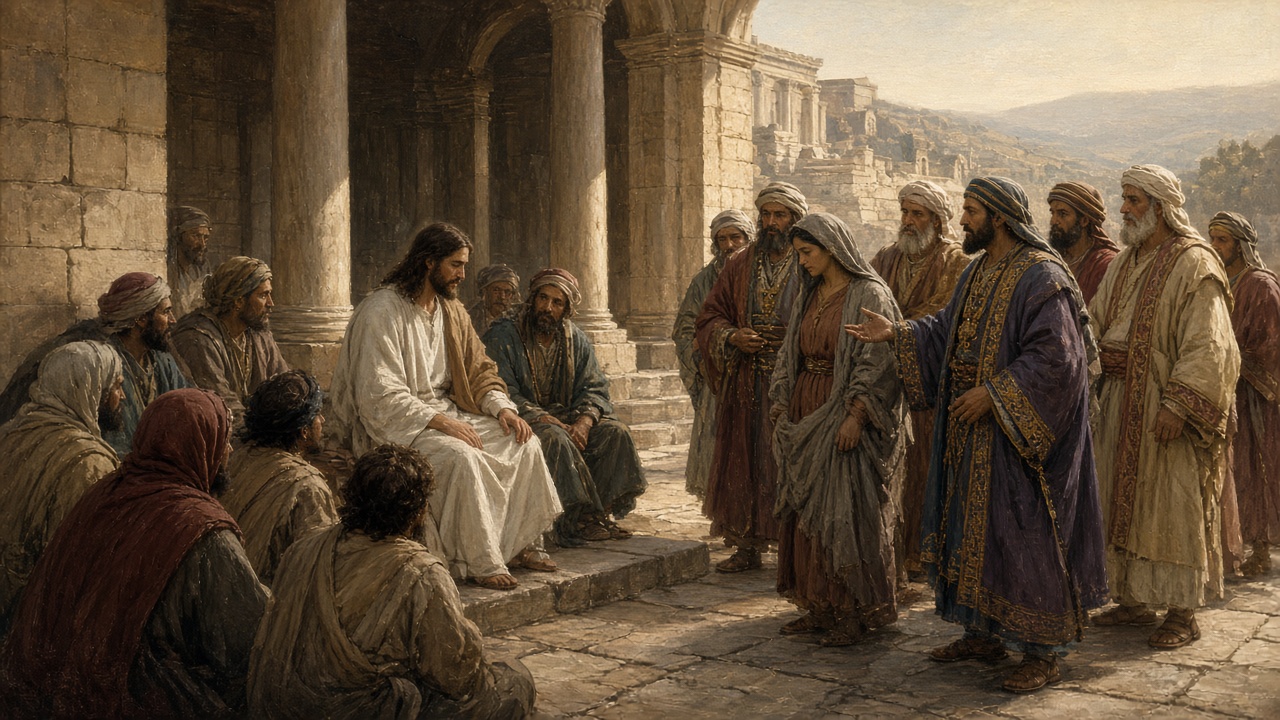
[ 1Amo̱‑ɔ pɛɛɛ kamɛɛ‑ɔ, ne̱ ɔke̱maa yii mò̱ lɔŋ‑nɔ, ne̱ Yeesuu a yɔ Mfɔ-Ayii ke̱be̱e̱‑ɔ se̱. 2Kaye̱ ŋke‑o, ne̱ Yeesuu a kiŋŋi yɔ Wuribware̱ suŋkpa a kabuno‑o. Ne̱ ase̱sɛ ne̱ bo̱ bo̱ mfe̱ŋ‑ɔ pɛɛɛ a kpɔwe̱ muruwaa mò̱, ne̱ ɔɔ kye̱na ɔ kaapo̱ bamo̱ abware̱se̱ŋ. 3Mò̱ a bo̱ mfe̱ŋ‑ɔ, ne̱ Wuribware̱ mbraa akaapo̱po̱ na Farisii awuye bo̱ko̱ a baa ɔkye̱e̱ waare̱e̱po̱ ko̱ ne̱ baa kra mò̱ kanyare̱kpa‑rɔ‑ɔ Yeesuu ase̱. Ne̱ baa sa ne̱ ɔɔ ye̱re̱ lamaŋ‑ɔ nse̱na Yeesuu ase̱. 4Ne̱ bo̱ yɛ, “Ɔkaapo̱po̱, ane̱ a kra ɔkye̱e̱ mɔ kanyare̱kpa‑rɔ ne̱e̱. 5To, ane̱ŋ ne̱ mbraa ne̱ Wuribware̱ a bo̱rɔ Mosis si sa ane̱‑ɔ e̱ kaapo̱‑ɔ e̱ gye̱ fe̱yɛ ane̱ daye̱ ɔke̱maa ne̱ ɔ waa ane̱ŋ a atɔ‑ɔ abu mɔɔ. Mbe̱yɔmɔ e̱me̱ne̱ ne̱ ane̱ e̱ waa? Ane̱ e̱ kpa a ane̱ nu bo̱ le̱e̱ fo̱ ase̱.” 6Baa tɔwe̱ amo̱‑ɔ ne̱e̱, a bo̱ nya nya Yeesuu ke̱bɔye̱, na bo̱ nya po̱rɔ mò̱.
Amaa ne̱ oo buŋŋe o de ke̱sare̱e̱gyi ɔ kyo̱rɛɛ swe̱e̱re̱. 7Bamo̱ a ye̱re̱ mfe̱ŋ‑ɔ, ne̱ bo̱ maa se̱ ba tɔwe̱ ba gywii mò̱ fe̱yɛ o lee kanɔ me̱naŋ sa bamo̱ na bo̱ ke̱e̱. Ne̱ oo kyuwi‑ro, ne̱ ɔɔ tɔwe̱ gywii bamo̱ fe̱yɛ, “Mo̱ne̱ ɔke̱maa ne̱ ɔ mo̱ŋ tɛɛ waa bɔye̱‑ɔ gye̱ ŋkpɛɛ twe̱e̱ kibu bo̱ da ɔkye̱e̱ mɔ a ŋ ke̱e̱.” 8Ne̱ ɔɔ be̱e̱ buŋŋe kyo̱rɛɛ swe̱e̱re̱.
9Ɔkye̱e̱ a apo̱rɔpo̱‑ɔ a nu amo̱‑ɔ, ne̱ bamo̱ pɛɛɛ a brawe̱‑rɔ ako̱ ako̱ ako̱ ako̱ bo̱ yii. Abre̱sɛ‑ɔ ya gye̱ ŋkpɛɛ pwɛɛ. Ne̱ bamo̱ pɛɛɛ yii yɔwe̱ Yeesuu na ɔkye̱e̱‑ɔ wo̱re̱, na ɔ saŋ ɔ ye̱re̱ lamaŋ‑ɔ akatɔ‑rɔ. 10Ne̱ Yeesuu a kyuwi‑ro, ne̱ oo bise ɔkye̱e̱‑ɔ fe̱yɛ, “Ŋke̱e̱ bamo̱? Ɔko̱ mo̱ŋ lɛɛ saŋ a o bu fo̱ ke̱pɔ aaa?”
11Ne̱ ɔkye̱e̱‑ɔ a lee kanɔ fe̱yɛ, “Mo̱ nyaŋpe̱, ɔko̱ mo̱ŋ lɛɛ ɔ bo̱‑rɔ.”
Ne̱ Yeesuu yɛ, “To, m fe̱raa, ma bu fo̱ ke̱pɔ. Amo̱se̱‑ɔ nare̱, amaa le̱e̱ ndɔɔ bo̱ yɔ, fo̱ ma lɛɛ ya waa e̱bɔye̱.”]
Yeesuu e̱ gye̱ kaye̱‑rɔ ase̱sɛ ke̱laŋŋe̱rɔ
12Ne̱ Yeesuu a be̱e̱ sa se̱ŋsa gywii Farisii awuye ne̱ bo̱ bo̱ mfe̱ŋ‑ɔ fe̱yɛ, “N du ne̱e̱ fe̱yɛ ke̱laŋŋe̱rɔ ne̱ ke̱ e̱ laŋŋe̱‑rɔ ke̱ e̱ sa kaye̱‑rɔ ase̱sɛ‑ɔ. Ɔke̱maa ne̱ ɔ gya mo̱ se̱‑ɔ maa nare̱ kibugyii‑ro. Ane̱ŋ a se̱sɛ‑ɔ de ke̱laŋŋe̱rɔ ne̱ ke̱ e̱ sa ŋkpa na kukyure ne̱ a mo̱ŋ de kɛɛ‑ɔ.”
13Ne̱ Farisii awuye‑o a tɔwe̱ gywii mò̱ fe̱yɛ, “Mbe̱yɔmɔ fo̱ e̱ tɔwe̱ fo̱ fɔŋfɔŋ e̱ye̱e̱ se̱ ase̱ŋ ne̱e̱. Amo̱se̱ se̱‑ɔ ane̱ maa taare̱ a ane̱ kɔɔre̱ fo̱ gyi.”
14Ne̱ Yeesuu yɛ, “N gye̱ ane̱ŋ ne̱e̱. Hare̱e̱ mo̱ e̱ tɔwe̱ mo̱ fɔŋfɔŋ kuŋu si ase̱ŋ gbaa, ke̱tɔ ne̱ mo̱ e̱ tɔwe̱‑ɔ gye̱ kase̱ŋtiŋ ne̱e̱, a le̱e̱ fe̱yɛ ŋ nyi mfe̱ŋ ne̱ mo̱ a le̱e̱‑ɔ, ne̱ ŋ nyi mfe̱ŋ ne̱ mo̱ e̱ yɔ‑ɔ. Amaa mo̱ne̱ mo̱ŋ nyi mfe̱ŋ ne̱ mo̱ a le̱e̱‑ɔ, na mfe̱ŋ ne̱ mo̱ e̱ yɔ‑ɔ. 15Mo̱ne̱ fe̱raa, mo̱ne̱ e̱ de̱e̱re̱ ke̱mo̱ ne̱ ki te akatɔ se̱‑ɔ ne̱e̱ a mo̱nꞌ bo̱ po̱rɔ ɔko̱. Amaa m fe̱raa n gye̱ mo̱ kusuŋ ne̱e̱ fe̱yɛ n gyi ɔko̱ ase̱ŋ. 16Amaa mo̱ a dɛɛ gyi ɔko̱ ase̱ŋ ne̱e̱, weetee mo̱ se̱ŋgyi‑o gye̱ kase̱ŋtiŋ, a le̱e̱ fe̱yɛ n se̱ ne̱ oo suŋ mo̱ bo̱ kyo̱ŋwe̱ kaye̱ mɔ‑rɔ‑ɔ bo̱ mo̱ ase̱, ɔ kya mo̱‑rɔ. 17Amo̱se̱‑ɔ, abɛɛ anyɔ ya tɔwe̱ ase̱ŋ na bamo̱ ɔko̱ kanɔ mo̱ŋ kwe̱e̱ mò̱ ko̱so̱bɛɛ lee si, amo̱ fe̱raa mo̱nꞌ kɔɔre̱ gyi fe̱yɛ bamo̱ ase̱ŋ‑ɔ gye̱ kase̱ŋtiŋ. Mo̱ne̱ mo̱ŋ nyi fe̱yɛ ane̱ŋ ne̱ mbraa ne̱ Wuribware̱ a bo̱rɔ Mosis si sa ane̱‑ɔ e̱ kaapo̱‑ɔ ne̱e̱ e̱e̱e̱? 18To, mo̱ fɔŋfɔŋ e̱ tɔwe̱ mo̱ kuŋu si ase̱ŋ, ne̱ n se̱ ne̱ oo suŋ mo̱‑ɔ mɔ e̱ tɔwe̱ mo̱ kuŋu si ase̱ŋ ɔ bo̱ tii si. Ane̱ abɛɛ anyɔ ase̱ŋ maa baare a sa mo̱ne̱ aaa?”
19Ne̱ baa bise mò̱ fe̱yɛ, “Ŋke̱e̱ fo̱ se̱?” Ne̱ Yeesuu a lee kanɔ fe̱yɛ, “Mo̱ne̱ mo̱ŋ nyi mo̱ gbaa, saŋbo̱to̱ n se̱. Mo̱ne̱ i nyi mo̱, amo̱ fe̱raa mo̱ne̱ nyi n se̱.”
20Mfaanɛɛ a ase̱ŋ ne̱ Yeesuu a tɔwe̱ gywii ase̱sɛ‑ɔ Wuribware̱ suŋkpa a kabuno mfe̱ŋ ne̱ bo̱ de adakaa ne̱ ba twe̱e̱twe̱e̱ atanne̱ ba waa‑rɔ‑ɔ ye̱re̱‑ɔ ne̱e̱. Amaa ɔko̱ mo̱ŋ kra mò̱, a le̱e̱ fe̱yɛ mò̱ saŋ‑ɔ mo̱ŋ tɛɛ fo̱.
Mfe̱ŋ ne̱ Yeesuu yɛ ɔ yɔ‑ɔ
21Ne̱ Yeesuu a be̱e̱ tɔwe̱ gywii bamo̱ fe̱yɛ, “Mo̱ e̱ le̱e̱ mfe̱e̱ a ŋ yɔ. Mo̱ne̱ i buwi a mo̱nꞌ kpa mo̱ kpo̱ne̱, na mo̱ne̱ ma ŋu mo̱, na mo̱ne̱ e̱bɔye̱ sii mo̱ne̱ se̱ a mo̱nꞌ taa bo̱ wu. Mo̱ne̱ maa taare̱ a mo̱nꞌ yɔ mfe̱ŋ ne̱ mo̱ e̱ yɔ‑ɔ.”
22Amo̱se̱‑ɔ ne̱ Yudaa awuye abre̱sɛ‑ɔ a tɔwe̱ fe̱yɛ, “Ɔ yɛ, ane̱ maa taare̱ a ane̱ yɔ mfe̱ŋ ne̱ ɔ yɔ‑ɔ. Amo̱‑ɔ e̱ kaapo̱ ne̱e̱ fe̱yɛ ɔ mɔɔ mò̱ e̱ye̱e̱ aaa?”
23Ne̱ Yeesuu a lee kanɔ fe̱yɛ, “Mo̱ne̱ a le̱e̱ kaye̱ mɔ‑rɔ ne̱e̱. Amaa m fe̱raa, mo̱ŋ le̱e̱ kaye̱ mɔ‑rɔ ne̱e̱. 24Amo̱se̱ se̱ ne̱ mo̱ a tɔwe̱ gywii mo̱ne̱ fe̱yɛ mo̱ne̱ e̱bɔye̱ i sii mo̱ne̱ se̱, na mo̱nꞌ taa bo̱ wu. Mo̱ne̱ e̱ mo̱ŋ kɔɔre̱ gyi fe̱yɛ mo̱ e̱ gye̱ ne̱ n gye̱ fe̱raa, mo̱ne̱ e̱bɔye̱ i sii mo̱ne̱ se̱, na mo̱nꞌ taa bo̱ wu.”
25Ne̱ baa bise mò̱ fe̱yɛ, “Nsɛ ne̱ fo̱ e̱ fa fe̱yɛ fo̱ gye̱?” Ne̱ Yeesuu a lee kanɔ fe̱yɛ, “N kyɔ mo̱ŋ tɔwe̱ gywii mo̱ne̱ aaa? 26N de ase̱ŋ bwe̱e̱tɔ na n tɔwe̱ bo̱ le̱e̱ mo̱ne̱ e̱bɔye̱ se̱. Mò̱ ne̱ oo suŋ mo̱‑ɔ e̱ gye̱ kase̱ŋtiŋ wuye, ne̱ ke̱tɔ ne̱ mo̱ a nu le̱e̱ mò̱ ase̱‑ɔ wo̱re̱ ne̱ mo̱ e̱ tɔwe̱ mo̱ i gywii kaye̱‑rɔ ase̱sɛ.”
27Ase̱sɛ ne̱ baa nu mò̱ ase̱‑ɔ mo̱ŋ nyi fe̱yɛ mò̱ se̱ Wuribware̱ ne̱ o de. 28Ne̱ ɔɔ tɔwe̱ gywii bamo̱ fe̱yɛ, “Mo̱ne̱ ya yase̱ mo̱, dimaadi mò̱ gyi‑o, so̱so̱, mo̱ne̱ i ŋu fe̱yɛ mo̱ e̱ gye̱ ne̱ n gye̱. Mfe̱ŋ‑ɔ, ne̱ mo̱ne̱ i ŋu fe̱yɛ ma waa ke̱tɔ ke̱maa mo̱ fɔŋfɔŋ e̱ye̱e̱ se̱ ne̱e̱. Amaa mo̱ e̱ tɔwe̱ ke̱tɔ ne̱ n se̱ a tɔwe̱ ɛ n tɔwe̱‑ɔ wo̱re̱ ne̱e̱. 29Mò̱ ne̱ oo suŋ mo̱‑ɔ bo̱ mo̱ ase̱, ɔ mo̱ŋ yɔwe̱ mo̱ wo̱re̱, a le̱e̱ fe̱yɛ mo̱ e̱ waa mò̱ ke̱pre̱ saŋ ke̱maa.” 30Ase̱sɛ ne̱ baa nu fe̱yɛ Yeesuu a tɔwe̱ amo̱‑ɔ bwe̱e̱tɔ a kɔɔre̱ mò̱ gyi.
Agyi na anya
31Ne̱ Yeesuu a tɔwe̱ gywii bamo̱ ne̱ baa kɔɔre̱ mò̱ gyi‑o fe̱yɛ, “Mo̱ne̱ i de ke̱tɔ ne̱ mo̱ e̱ tɔwe̱‑ɔ‑rɔ, ne̱ mo̱ne̱ e̱ mo̱ŋ yɔwe̱‑rɔ fe̱raa, mo̱ne̱ e̱ gye̱ mo̱ agyase̱po̱ kase̱ŋtiŋ si ne̱e̱. 32Na mo̱nꞌ gyii kase̱ŋtiŋ‑o, na mo̱ kase̱ŋtiŋ ke̱kaapo̱ e̱ sa a mo̱nꞌ nya mo̱ne̱ e̱ye̱e̱.”
33Ne̱ bamo̱ bo̱ko̱ a lee kanɔ fe̱yɛ, “Ane̱ a le̱e̱ Abraham ke̱nana‑rɔ ne̱e̱. Ane̱ kyɔ ane̱ mo̱ŋ tɛɛ kii bo̱ko̱ anya. Ne̱ e̱me̱ne̱ se̱ ne̱ fo̱ e̱ tɔwe̱ ɛ ane̱ e̱ nya ane̱ e̱ye̱e̱?”
34Ne̱ Yeesuu a tɔwe̱ gywii bamo̱ fe̱yɛ, “Kase̱ŋtiŋ ne̱ mo̱ i gyi mo̱ne̱‑ɔ fe̱yɛ ɔke̱maa ne̱ ɔ waa e̱bɔye̱‑ɔ gye̱ e̱bɔye̱ ke̱nya ne̱e̱. 35Ke̱nya ya kyee mò̱ nyaŋpe̱ aye̱ kanɔ ŋke̱maa, ɔ maa kii ogyi, amaa ogyi fe̱raa gye̱ ogyi ne̱e̱ bo̱ yɔ na a mo̱ŋ de kɛɛ. 36Amo̱se̱ se̱‑ɔ Wuribware̱ mò̱ gyi‑o e̱ gye̱ ne̱ mò̱ ya lee mo̱ne̱ le̱e̱ e̱bɔye̱‑rɔ fe̱raa, kase̱ŋtiŋ si mo̱ne̱ e̱ nya mo̱ne̱ e̱ye̱e̱. 37Ŋ nyi dame̱naŋsɛ fe̱yɛ mo̱ne̱ e̱ tɔwe̱ kase̱ŋtiŋ fe̱yɛ mo̱ne̱ a le̱e̱ Abraham ke̱nana‑ɔ‑rɔ ne̱e̱. Amaa amo̱ pɛɛɛ gbaa, mo̱ne̱ e̱ kpa fe̱yɛ mo̱nꞌ mɔɔ mo̱, a le̱e̱ fe̱yɛ mo̱ ase̱ŋkpare̱gyi mo̱ŋ bo̱ mo̱ne̱ ŋkpo̱nɔ‑rɔ. 38Mo̱ e̱ tɔwe̱ ke̱tɔ ne̱ n se̱ a kaapo̱ mo̱‑ɔ ne̱e̱, amaa mo̱ne̱ e̱ waa ke̱tɔ ne̱ mo̱ne̱ se̱ a tɔwe̱ gywii mo̱ne̱‑ɔ ne̱e̱.”
39Ne̱ baa lee kanɔ fe̱yɛ, “Ane̱ se̱ e̱ gye̱ Abraham.”
Ne̱ Yeesuu yɛ, “Mo̱ne̱ dɛɛ mo̱ne̱ gye̱ Abraham mò̱ gyi‑ana kase̱ŋtiŋ ne̱e̱, weetee mo̱ne̱ e̱ waa ke̱tɔ ne̱ ɔɔ waa‑ɔ dɛɛ. 40Ke̱tɔ ne̱ mo̱ e̱ waa‑ɔ e̱ gye̱ fe̱yɛ n tɔwe̱ kase̱ŋtiŋ ne̱ mo̱ a nu le̱e̱ Wuribware̱ ase̱‑ɔ gywii mo̱ne̱, amaa amo̱‑ɔ pɛɛɛ gbaa, mo̱ne̱ e̱ kpa fe̱yɛ mo̱nꞌ mɔɔ mo̱ ne̱e̱. Abraham mɔ mo̱ŋ waa ane̱ŋ a atɔ mɔ. 41Mo̱ne̱ e̱ waa ane̱ŋ ne̱ mo̱ne̱ se̱ a waa‑ɔ ne̱e̱.”
Ne̱ baa lee kanɔ fe̱yɛ, “Wuribware̱ wo̱re̱ e̱ gye̱ ane̱ se̱ ne̱ ane̱ de‑o, ane̱ gye̱ mò̱ gyi‑ana kase̱ŋtiŋ ne̱e̱.”
42Ne̱ Yeesuu a tɔwe̱ gywii bamo̱ fe̱yɛ, “Wuribware̱ dɛɛ ɔ gye̱ mo̱ne̱ se̱ kase̱ŋtiŋ si ne̱e̱, weetee mo̱ne̱ e̱ kpa mo̱ ase̱ŋ, a le̱e̱ fe̱yɛ mo̱ a le̱e̱ Wuribware̱ ase̱ ne̱e̱ ba mfe̱e̱. Mo̱ŋ ba mo̱ fɔŋfɔŋ ke̱yaale̱ŋ se̱ ne̱e̱, amaa mò̱ ne̱ oo suŋ mo̱‑ɔ ke̱yaale̱ŋ se̱ ne̱ mo̱ a ba. 43Ne̱ weetee ŋkee nte̱tɔ se̱ ne̱ mo̱ne̱ maa nu ke̱tɔ ne̱ mo̱ e̱ tɔwe̱‑ɔ kaase̱‑ɔ ne̱e̱? A du fe̱yɛ mo̱ne̱ maa taare̱ a mo̱nꞌ kɔɔre̱ mo̱ ase̱ŋ ne̱ mo̱ e̱ tɔwe̱‑ɔ gyi ne̱e̱. 44Mo̱ne̱ gye̱ mo̱ne̱ se̱ Ɔbɔnsam mò̱ gyi‑ana ne̱e̱, amo̱se̱‑ɔ ne̱ mo̱ne̱ e̱ kpa a mo̱nꞌ gya ke̱tɔ ne̱ ke̱ e̱ pre̱ mo̱ne̱ se̱‑ɔ se̱. Le̱e̱ atɔ ke̱maa ke̱le̱e̱kaase̱‑rɔ‑ɔ, mo̱ne̱ se̱ gye̱ ɔmɔɔpo̱ ne̱e̱, ne̱ ɔ mo̱ŋ tɛɛ ye̱re̱ kase̱ŋtiŋ a ke̱be̱gya‑ɔ pɛɛɛ, a le̱e̱ fe̱yɛ kase̱ŋtiŋ mo̱ŋ bo̱ mò̱ ase̱. Mò̱ ya ba aye̱ba, ɔ waa ane̱ŋ ne̱ ɔ kyɔ o du‑o ne̱e̱, a le̱e̱ fe̱yɛ ɔ gye̱ ɔye̱bapo̱, mò̱ e̱ gye̱ ŋye̱ba pɛɛɛ kuŋu. 45Amaa m fe̱raa, mo̱ i gyi kase̱ŋtiŋ ne̱e̱, amo̱se̱ se̱ ne̱ mo̱ne̱ maa kɔɔre̱ mo̱ mo̱ne̱ i gyi. 46Mo̱ne̱‑rɔ nsɛ e̱ gye̱ ne̱ ɔ taare̱ a ɔ kaapo̱ mo̱‑rɔ fe̱yɛ mo̱ a gyi ke̱pɔ bo̱ le̱e̱ e̱bɔye̱ ko̱waa se̱? Mo̱ ya tɔwe̱ kase̱ŋtiŋ gywii mo̱ne̱, nte̱tɔ se̱ ne̱ mo̱ne̱ maa kɔɔre̱ mo̱ ase̱ŋ mo̱ne̱ i gyi? 47Ɔke̱maa ne̱ Wuribware̱ e̱ bo̱ mò̱‑ɔ i nu mò̱ ase̱ŋ. Mo̱ne̱ fe̱raa, n gye̱ Wuribware̱ e̱ bo̱ mo̱ne̱ kpa ke̱maa se̱, amo̱se̱ se̱ ne̱ mo̱ne̱ maa nu mo̱ ase̱ŋ.”
Yeesuu na Abraham
48Ne̱ baa bise Yeesuu fe̱yɛ, “A mo̱ŋ gye̱ kase̱ŋtiŋ fe̱yɛ fo̱ gye̱ Samariyanyi, ne̱ ibrisi ko̱ te fo̱ se̱ aaa?”
49Ne̱ Yeesuu a lee kanɔ fe̱yɛ, “Ibrisi ke̱maa mo̱ŋ te mo̱ se̱. Ase̱ŋ ne̱ mo̱ e̱ tɔwe̱‑ɔ e̱ kaapo̱ ne̱e̱ fe̱yɛ mo̱ i bu n se̱ ne̱e̱. Amaa mo̱ne̱ fe̱raa mo̱ne̱ e̱ saare̱ mo̱ ne̱e̱. 50Ma buwi mo̱ e̱ kpa ɔko̱ fe̱yɛ o bu mo̱ ke̱dabe̱ ne̱e̱. Amaa n se̱ e̱ gye̱ ne̱ ɔ kpa fe̱yɛ ɔ bo̱nyaa mo̱. Mò̱ e̱ gye̱ ne̱ o gyi ase̱sɛ ase̱ŋ. 51Mo̱ i gyi mo̱ne̱ kase̱ŋtiŋ fe̱yɛ ɔke̱maa ne̱ ɔ gya mo̱ ke̱kaapo̱ se̱‑ɔ maa wu daa.”
52Ne̱ baa tɔwe̱ gywii Yeesuu fe̱yɛ, “Mbe̱yɔmɔ ane̱ nyi kase̱ŋtiŋ fe̱yɛ ibrisi te fo̱ se̱. Abraham a wu, ne̱ Wuribware̱ akyaamɛɛ a wu, amaa fo̱ fe̱raa, fo̱ e̱ tɔwe̱ ne̱e̱ fe̱yɛ ɔke̱maa ne̱ ɔ gya fo̱ ke̱kaapo̱‑ɔ se̱‑ɔ maa wu daa. 53Ane̱ se̱ Abraham a wu, amɔ fo̱ e̱ kpa a fo̱ tɔwe̱ ne̱e̱ fe̱yɛ fo̱ kyɔ Abraham aaa? Ne̱ Wuribware̱ a akyaamɛɛ‑ɔ mɔ a wu. Nsɛ ne̱ fo̱ e̱ fa fe̱yɛ fo̱ gye̱?”
54Ne̱ Yeesuu a lee kanɔ fe̱yɛ, “N dɛɛ ŋ yɛ m bu mo̱ e̱ye̱e̱ ke̱dabe̱ ne̱e̱, weetee mo̱ kibu mo̱ e̱ye̱e̱‑ɔ mo̱ŋ de awaasɛ ke̱maa. Ɔko̱ ne̱ ɔ bo̱nyaa mo̱‑ɔ e̱ gye̱ n se̱, mò̱ dɛɛ ne̱ mo̱ne̱ yɛ ɔ gye̱ mo̱ne̱ se̱. 55Mo̱ne̱ mo̱ŋ nyi mò̱ pɛɛɛ, amaa m fe̱raa, ŋ nyi mò̱. Mo̱ a dɛɛ tɔwe̱ fe̱yɛ mo̱ŋ nyi Wuribware̱ ne̱e̱, amo̱ fe̱raa mo̱ i kii ɔye̱bapo̱ fe̱yɛ mo̱ne̱‑ɔ. Amaa ŋ nyi mò̱, ne̱ n gya mò̱ kanɔ se̱. 56Mo̱ne̱ se̱ Abraham akatɔ a gyi fe̱yɛ ɔ bo̱ ŋu mo̱ ke̱ba, ne̱ oo ŋu fe̱yɛ mo̱ a ba, ne̱ mò̱ akatɔ a gyi.”
57Ne̱ baa tɔwe̱ gywii mò̱ fe̱yɛ, “Fo̱ mo̱ŋ tɛɛ gyi nsu adunuu, ne̱ fo̱ yɛ fo̱ a ŋu Abraham aaa?”
58Ne̱ Yeesuu a lee kanɔ fe̱yɛ, “Mo̱ i gyi mo̱ne̱ kase̱ŋtiŋ fe̱yɛ mo̱ e̱ gye̱ ne̱ n kyɔ n gye̱ pwɛɛ ne̱ baa dɛɛ ko̱we̱ Abraham.” 59Ne̱ baa taa abu a bo̱ twe̱e̱ bo̱ da mò̱. Amaa Yeesuu a kwe̱e̱rɔ bamo̱ se̱ se̱re̱ le̱e̱ Wuribware̱ suŋkpa a kabuno‑o mfe̱ŋ.
Did you know?
Light, Law, and Abraham
- John 8 opens as Jesus goes to the Mount of Olives and returns early in the morning to the temple courts, where he sits and teaches the people who gather. The Mount of Olives is a ridge east of Jerusalem, separated from the city by the Kidron valley and named for the olive trees that cover its sides.Sources: the Bible text itself · Mount of Olives
- Scribes and Pharisees bring in a woman caught in adultery and ask Jesus what he says about Moses' command in the Law to stone such a woman, seeking to test him and to gain a basis for accusing him. Still in the temple courts, near the treasury, Jesus later says, "I am the light of the world." A dated event list places both episodes in AD 29, each lasting one day.Sources: the Bible text itself · Woman Caught in Adultery · Light of the World/I am discourse
- When Jesus says that the truth will set them free, his hearers answer that they are Abraham's descendants and have never been slaves to anyone. Abraham is called "father of a multitude"; he was the son of Terah and the heir of the promises. After Jesus declares, "before Abraham was born, I am," they pick up stones to throw at him.Sources: the Bible text itself · Abraham
Notes written with AI assistance from open sources (Theographic Bible Metadata, CC BY-SA 4.0; Easton’s Bible Dictionary, public domain) and reviewed before publishing.
Places in this chapter
- Mount of Olives · 31.778, 35.246 · verse 1
Only places identified with high confidence are shown (90% or more according to the scholarly sources compiled by OpenBible). Period map: DARE (Digital Atlas of the Roman Empire), CC BY 4.0; modern map: © OpenStreetMap contributors; places: OpenBible.info (CC BY 4.0).
Credits and license for this translation
Abware̱se̱ŋ Wo̱re̱-ɔ
New Testament in Chumburung (GH:ncu:Chumburung)
copyright © 2010 Wycliffe Bible Translators, Inc.
Language: Chumburung
Translation by: Wycliffe Bible Translators, Inc.
Copyright Information
© 2010, Wycliffe Bible Translators, Inc. All rights reserved.
This translation text is made available to you under the
terms of the Creative Commons License: Attribution-Noncommercial-No Derivative Works.
( http://creativecommons.org/licenses/by-nc-nd/3.0/ )
In addition, you have permission to port the text to different file formats, as long as you
do not change any of the text or punctuation of the Bible.
You may share, copy, distribute, transmit, and extract portions
or quotations from this work, provided that you include the above copyright
information:
You must give Attribution to the work.
You do not sell this work for a profit.
You do not make any derivative works that change any of the actual words or punctuation of the Scriptures.
Permissions beyond the scope of this license may be
available if you contact
us with your request.
The New Testament
in Chumburung
© 2010, Wycliffe Bible Translators, Inc. All rights reserved.
This translation is made available to you under the terms of the
Creative Commons Attribution-Noncommercial-No Derivatives license 4.0.
You may share and redistribute this Bible translation or extracts from it in any format, provided that:
You include the above copyright and source information.
You do not sell this work for a profit.
You do not change any of the words or punctuation of the Scriptures.
Pictures included with Scriptures and other documents on this site are licensed just for use with those Scriptures and documents.
For other uses, please contact the respective copyright owners.
2025-05-16
Source: http://ebible.org/ncuNT/ · eBible.org