John 6
Abware̱se̱ŋ Wo̱re̱-ɔ · Tap a verse to see its cross-references.
Ane̱ŋ ne̱ Yeesuu a sa ase̱sɛ ŋkpe̱ŋ nnuu ateese‑o
1Amo̱ kamɛɛ ne̱ Yeesuu a ya te̱ŋ Galile̱ya ke̱pare̱ dabe̱‑ɔ‑rɔ. Ke̱pare̱ dabe̱ mɔ dɛɛ ne̱ ba te̱e̱ ɛ Tibeeriyas. 2Ne̱ ase̱sɛ biribiri a kpɔwe̱ gya mò̱ se̱, a le̱e̱ fe̱yɛ baa ŋu mò̱ akpe̱ŋe̱ye̱e̱tɔ ne̱ ɔɔ waa bo̱ kya ase̱sɛ ne̱ ba lɔ‑ɔ. 3Ne̱ Yeesuu na mò̱ agyase̱po̱‑ɔ a de̱e̱ ke̱be̱e̱ ko̱ kafwe̱e̱ ya kye̱na ba kyure. 4Saŋ ne̱ Yudaa awuye i gyi Wuribware̱-a‑kya-ane̱-yɔwe̱ a ateese‑o a tɔ‑rɔ.
5Ne̱ Yeesuu a de̱e̱re̱ muruwaa, ne̱ oo ŋu fe̱yɛ ase̱sɛ biribiri e̱ ba mò̱ ase̱. Amo̱se̱ se̱‑ɔ ne̱ oo bise Filipo fe̱yɛ, “Mfe̱ne̱ ne̱ ane̱ e̱ bo̱rɔ a ane̱ nya ateese ne̱ a fo̱ ase̱sɛ de̱maŋte̱ mɔ, na ane̱ sɔɔ sa bamo̱?” 6Yeesuu a tɔwe̱ amo̱‑ɔ ne̱e̱ a ɔ bo̱ kyɔ Filipo‑ro ke̱e̱. Kase̱ŋtiŋ si mò̱‑ɔ mɔ kyɔ o nyi ane̱ŋ ne̱ ɔ waa‑ɔ.
7Ne̱ Filipo a tɔwe̱ gywii mò̱ fe̱yɛ, “Hare̱e̱ ɔke̱maa e̱ nya mbe̱gyɛɛ mbe̱gyɛɛ gbaa, bamo̱ ya ba siidii ŋkpe̱ŋ ŋnyɔ (GHC 2,000) bo̱ sɔɔ bodobodoo, ɔ maa fo̱ bamo̱.”
8Ne̱ mò̱ agyase̱po̱‑ɔ ɔko̱ ne̱ ba te̱e̱ mò̱ ɛ Andruu, ne̱ ɔ gye̱ Simɔŋ Peetroo mò̱ tire‑o yɛ, 9“Kanyaŋsɛɛ ko̱ e̱ gye̱ ne̱ ɔ bo̱ mfe̱e̱ ne̱ o de bodobodoo agyi anuu na ŋkiŋgyi ngyingyii ŋnyɔ‑ɔ. Amo̱‑ɔ e̱ fo̱ ase̱sɛ de̱maŋte̱ mɔ aaa?”
10Ne̱ Yeesuu a tɔwe̱ gywii mò̱ agyase̱po̱‑ɔ fe̱yɛ, “Mo̱nꞌ sa a ase̱sɛ‑ɔ kye̱na.” E̱fa mɔ bo̱ mfe̱ŋ bwe̱e̱tɔ. Ne̱ ase̱sɛ a kye̱na kye̱na e̱fa‑ɔ se̱. Fo̱ ya kare̱ anyare̱ ne̱ bo̱ bo̱ mfe̱ŋ‑ɔ wo̱re̱ bo̱ bo̱ ŋkpe̱ŋ nnuu. 11Ne̱ Yeesuu a taa bodobodoo‑o, ne̱ ɔɔ sa Wuribware̱ aŋsɛ we̱e̱ se̱, ne̱ oo ke‑ro sa ase̱sɛ ne̱ bo̱ te mfe̱ŋ‑ɔ. Ane̱ŋ dɛɛ ne̱ ɔɔ waa ŋkiŋgyi‑o mɔ. Ne̱ bodobodoo‑o na ŋkiŋgyi‑o a waa ko̱kyɔ.
12Bamo̱ pɛɛɛ a gyi ane̱ŋ ne̱ ba taare̱‑ɔ. Saŋ ne̱ baa gyi kpo̱ne̱‑ɔ, ne̱ Yeesuu a tɔwe̱ gywii mò̱ agyase̱po̱‑ɔ fe̱yɛ, “Mo̱nꞌ swii mpupuriase̱e̱, mo̱ne̱ ma sa a n twe̱e̱.” 13Ne̱ baa swii bodobodoo mpupuriase̱e̱‑ɔ, ne̱ ŋ ya bo̱rɔ ake kudu anyɔ.
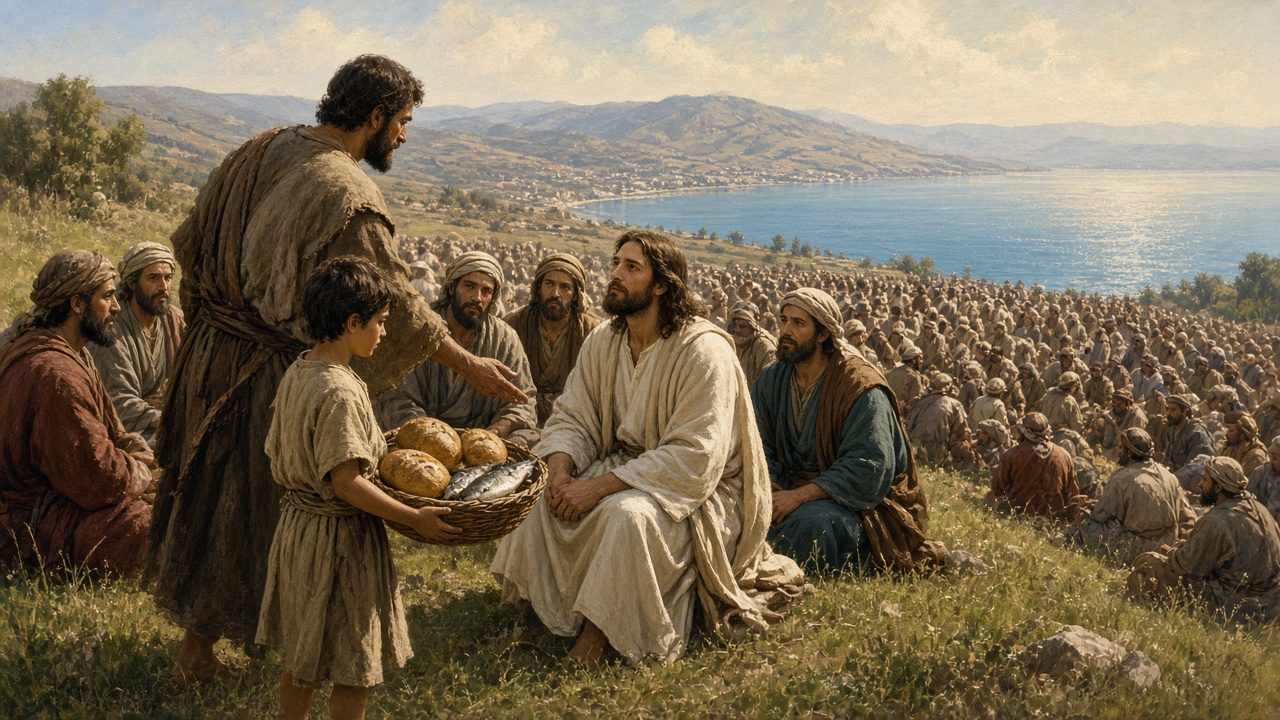
14Ase̱sɛ ne̱ bo̱ bo̱ mfe̱ŋ‑ɔ a ŋu akpe̱ŋe̱ye̱e̱tɔ ne̱ Yeesuu a waa‑ɔ, ne̱ bo̱ yɛ, “Kase̱ŋtiŋ si ɔnyare̱ mɔ gye̱ Wuribware̱ kyaamɛɛ ne̱ ane̱ ɔde̱daapo̱ Mosis yɛ ɔ ba kaye̱ mɔ‑rɔ‑ɔ ne̱e̱.” 15Yeesuu a nyi fe̱yɛ baa waa siraa a bo̱ bo̱ kra mò̱ ke̱yaale̱ŋ se̱ bo̱ gyi kuwure‑o si‑o, ne̱ ɔ be̱e̱ o yii abe̱e̱‑rɔ mò̱ wo̱re̱.
Ane̱ŋ ne̱ Yeesuu a nare̱ nkyu si‑o
16Ke̱de̱e̱pwɛta a fo̱‑ɔ, ne̱ Yeesuu agyase̱po̱‑ɔ a ba nkyu‑ro. 17Ne̱ baa lwee ko̱re̱e̱‑rɔ, ne̱ baa kiŋŋi yɔ kamɛɛ‑rɔ ya te̱ŋ ke̱pare̱ dabe̱‑ɔ‑rɔ Kapaaniyum a ke̱be̱gya‑ɔ. Kanye a fo̱ na Yeesuu mo̱ŋ tɛɛ ba mò̱ agyase̱po̱‑ɔ ase̱. 18Saŋ amo̱‑ɔ, afwii dabe̱ ko̱ mɔ e̱ waa na a da alaŋkpare̱. 19Mò̱ agyase̱po̱‑ɔ mɔ a pare̱ waa e̱maye̱re̱ e̱sa bo̱ yɔ e̱na‑rɔ‑ɔ, ne̱ baa ŋu Yeesuu naa nkyu si ɔ ba mfe̱ŋ ne̱ ko̱re̱e̱‑ɔ bo̱‑ɔ. Ne̱ kufu a nya bamo̱. 20Mfe̱ŋ ne̱ Yeesuu a tɔwe̱ gywii bamo̱ fe̱yɛ, “Mo̱ ne̱e̱! Mo̱ne̱ ma sa a kufu nya mo̱ne̱.” 21Mfe̱ŋ ne̱ baa taa mò̱ wɔre̱ se̱ waa ko̱re̱e̱‑ɔ‑rɔ. Bamo̱ a taa mò̱ waa‑rɔ‑ɔ, a mo̱ŋ kyee ne̱ baa daŋ kideŋbe si mfe̱ŋ ne̱ ba yɔ‑ɔ.
Ane̱ŋ ne̱ ase̱sɛ a buwi kpa Yeesuu‑o
22Kaye̱ ŋke‑o, ase̱sɛ biribiri a ba Galile̱ya ke̱pare̱ dabe̱ a nno̱ŋ a bo̱ŋbe̱‑ɔ ba buwi ba kpa Yeesuu, a le̱e̱ fe̱yɛ ndee baa ŋu ane̱ŋ ne̱ Yeesuu a taa bodobodoo, sa Wuribware̱ aŋsɛ we̱e̱ se̱, ne̱ oo ke‑ro sa ase̱sɛ, ne̱ baa gyi‑o. Amaa bo̱ mo̱ŋ ŋu mò̱ ndɔɔ. Ne̱ baa nyiŋŋi si fe̱yɛ, Yeesuu na mò̱ agyase̱po̱‑ɔ, bamo̱ a pare̱ bo̱ daŋ mfe̱ŋ a kideŋbe‑o si‑o, ko̱re̱e̱ ko̱ŋko̱ wo̱re̱ ne̱ baa bo̱ ba. Ne̱ baa ŋu fe̱yɛ ndɔɔ ko̱re̱e̱‑ɔ mo̱ŋ lɛɛ ɔ bo̱‑rɔ. Ne̱ baa pini fe̱yɛ n gye̱ Yeesuu na mò̱ agyase̱po̱‑ɔ gye̱ ne̱ bo̱ yii, ɔ mo̱ŋ tii bamo̱ se̱ saŋ ne̱ baa yɔ‑ɔ. 23E̱ko̱re̱e̱ ne̱ e̱ ya le̱e̱ Tibeeriyas maŋ‑nɔ‑ɔ e̱ko̱ a bo̱ daŋ mfe̱ŋ ne̱ Yeesuu a sa ne̱ bodobodoo amo̱ a waa ko̱kyɔ‑ɔ. 24Ase̱sɛ amo̱ a ŋu fe̱yɛ Yeesuu na mò̱ agyase̱po̱‑ɔ mo̱ŋ bo̱‑rɔ‑ɔ, ne̱ baa lwee e̱ko̱re̱e̱‑ɔ‑rɔ yɔ Kapaaniyum maŋ ase̱ ba buwi ba kpa Yeesuu.
Yeesuu e̱ gye̱ bodobodoo ne̱ ɔ sa ŋkpa‑ɔ
25Ase̱sɛ amo̱ a te̱ŋ ke̱pare̱ dabe̱ amo̱‑ɔ, ne̱ baa ŋu Yeesuu mfe̱ŋ, ne̱ baa bise mò̱ fe̱yɛ, “Ɔkaapo̱po̱, nsaŋ mo̱ ne̱ fo̱ a ba mfe̱e̱?”
26Ne̱ Yeesuu a tɔwe̱ gywii bamo̱ fe̱yɛ, “Mo̱ i gyi mo̱ne̱ kase̱ŋtiŋ fe̱yɛ, ke̱tɔ se̱ ne̱ mo̱ne̱ i buwi mo̱ne̱ e̱ kpa mo̱‑ɔ e̱ gye̱ fe̱yɛ mo̱ne̱ a gyi bodobodoo‑o kpo̱ne̱. Amaa n gye̱ sa ne̱ mo̱ne̱ a ŋu akpe̱ŋe̱ye̱e̱tɔ ne̱ mo̱ a waa‑ɔ se̱ ne̱ mo̱ne̱ gya mo̱ se̱. 27Mo̱ne̱ ma tɔɔraa mo̱ne̱ e̱ye̱e̱ suŋ kusuŋ mo̱ne̱ e̱ kpa ateese ne̱ mo̱ne̱ i gyi kaye̱ mɔ‑rɔ, ne̱ a maa kyee na a gyo‑o. Amaa mo̱nꞌ suŋ kusuŋ kpa ateese ne̱ a maa gyo, ne̱ a sa ŋkpa na kukyure ne̱ a mo̱ŋ de kɛɛ‑ɔ. Ateese mɔ ne̱ a sa ŋkpa na kukyure ne̱ a mo̱ŋ de kɛɛ‑ɔ, mo̱, dimaadi mò̱ gyi‑o, de a m bo̱ sa mo̱ne̱, a le̱e̱ fe̱yɛ n se̱ Wuribware̱ ya sa mo̱ ane̱ŋ a ke̱yaale̱ŋ‑ɔ.”
28Ne̱ baa bise mò̱ fe̱yɛ, “Kusuŋ mo̱ ne̱ ane̱ waa na ke̱ pre̱ Wuribware̱?”
29Ne̱ Yeesuu a lee kanɔ fe̱yɛ, “Kusuŋ ne̱ Wuribware̱ e̱ kpa fe̱yɛ mo̱nꞌ waa‑ɔ e̱ gye̱ fe̱yɛ mo̱nꞌ kɔɔre̱ mò̱ ne̱ oo suŋ mò̱ bo̱ kyo̱ŋwe̱‑ɔ gyi.”
30Ne̱ baa lee kanɔ fe̱yɛ, “Nte̱tɔ ne̱ fo̱ e̱ waa na a kpe̱ŋ ane̱ e̱ye̱e̱, na ane̱ ye̱re̱ ane̱ŋ se̱ bo̱ kɔɔre̱ fo̱ gyi? Tɔwe̱ gywii ane̱. 31Saŋ ne̱ Mosis na ane̱ nana‑ana te kimukee‑ro‑o, baa dɛɛ gyi ateese ne̱ ba te̱e̱ ɛ manaa (kaase̱ e̱ kaapo̱ fe̱yɛ Nte̱tɔ‑ne̱e̱?), fe̱yɛ ane̱ŋ dɛɛ ne̱ baa kyo̱rɛɛ abware̱se̱ŋ wo̱re̱‑ɔ‑rɔ fe̱yɛ,
‘Ɔɔ sa ne̱ ateese a le̱e̱ so̱so̱ ba kaase̱ ne̱ baa gyi.’ ”
32Ne̱ Yeesuu a tɔwe̱ gywii bamo̱ fe̱yɛ, “N gye̱ Mosis fɔŋfɔŋ ya sa mo̱ne̱ ateese amo̱. Aa le̱e̱ Wuribware̱ ase̱ ne̱e̱. Na kase̱ŋtiŋ si, ateese amo̱ mo̱ŋ gye̱ ateese ne̱ aa le̱e̱ so̱so̱ ba kaase̱ ne̱ mo̱ e̱ tɔwe̱ amo̱ ase̱ŋ‑ɔ. Amaa n se̱ e̱ gye̱ ne̱ ɔ sa mo̱ne̱ ateese kase̱ŋtiŋ ne̱ aa le̱e̱ Wuribware̱ se̱‑ɔ. 33Ateese ne̱ Wuribware̱ e̱ sa mo̱ne̱‑ɔ e̱ gye̱ mò̱ ne̱ oo suŋ le̱e̱ Wuribware̱ se̱ fe̱yɛ ɔ bo̱ sa kaye̱ mɔ‑rɔ a ase̱sɛ‑ɔ ŋkpa na kukyure ne̱ a mo̱ŋ de kɛɛ‑ɔ.”
34Ne̱ baa tɔwe̱ gywii Yeesuu fe̱yɛ, “Ane̱ nyaŋpe̱, amo̱ fe̱raa, sa ane̱ ateese amo̱ kake ke̱maa.”
35Ne̱ Yeesuu a tɔwe̱ gywii bamo̱ fe̱yɛ, “Mo̱ e̱ gye̱ ateese ne̱ a sa ŋkpa na kukyure amo̱‑ɔ. Ɔke̱maa ne̱ ɔ ba mo̱ ase̱‑ɔ, ako̱ŋ maa nya mò̱ pɛɛɛ. Ne̱ ɔke̱maa ne̱ ɔ kɔɔre̱ mo̱ o gyi‑o, burufo maa nya mò̱ pɛɛɛ. 36To, mbe̱yɔmɔ mo̱ a tɔwe̱ gywii mo̱ne̱ fe̱yɛ mo̱ne̱ a ŋu mo̱, amaa mo̱ne̱ maa kɔɔre̱ mo̱ a mo̱nꞌ gyi. 37Ɔke̱maa ne̱ n se̱ a sa mo̱‑ɔ e̱ ba mo̱ ase̱. Ma gya mò̱ a m bo̱ kyo̱ŋwe̱ daa. 38A le̱e̱ fe̱yɛ, mo̱ŋ le̱e̱ so̱so̱ ba ne̱e̱ a m bo̱ waa mo̱ fɔŋfɔŋ ke̱pre̱ se̱ ko̱tɔko̱, amaa mo̱ a ba ne̱e̱ a m bo̱ waa amo̱ ne̱ a pre̱ mò̱ ne̱ oo suŋ mo̱ bo̱ kyo̱ŋwe̱‑ɔ. 39Ke̱tɔ ne̱ mò̱ ne̱ oo suŋ mo̱‑ɔ e̱ kpa‑ɔ e̱ gye̱ fe̱yɛ ase̱sɛ pɛɛɛ ne̱ ɔɔ bo̱ waa mo̱ ke̱sare̱e̱‑rɔ‑ɔ, bamo̱ ɔke̱maa maa kaŋ fo̱ mo̱ se̱, na n kyiŋŋi bamo̱ pɛɛɛ baa ŋkpa‑rɔ kake nsi ne̱ kaye̱ mɔ e̱ gye̱ kɛɛ‑ɔ. 40Ke̱tɔ ne̱ n se̱ e̱ kpa‑ɔ e̱ gye̱ fe̱yɛ bamo̱ ɔke̱maa ne̱ ɔ de̱e̱re̱ mo̱, Wuribware̱ mò̱ gyi‑o, ne̱ ɔ kɔɔre̱ mo̱ o gyi‑o e̱ nya ŋkpa na kukyure ne̱ m mo̱ŋ de kɛɛ‑ɔ, na n kyiŋŋi mò̱ le̱e̱ lowi‑ro kake nsi ne̱ kaye̱ mɔ e̱ gye̱ kɛɛ‑ɔ.”
41Ne̱ Yudaa awuye abre̱sɛ ne̱ baa nu mò̱ ase̱ŋ‑ɔ iduŋ a fwii, ne̱ baa tɛɛ fe̱yɛ Yeesuu a tɔwe̱ fe̱yɛ, “Mo̱ e̱ gye̱ ateese ne̱ aa le̱e̱ so̱so̱ ba kaase̱‑ɔ.” 42Ne̱ baa tɔwe̱ fe̱yɛ, “Ɔnyare̱ mɔ, n gye̱ Yo̱sɛf mò̱ gyi ne̱ ba te̱e̱ mò̱ ɛ Yeesuu‑o ne̱e̱ bɛɛɛ? Ane̱ nyi mò̱ se̱ na mò̱ nyi. Ne̱ e̱me̱ne̱ se̱ ne̱ mbe̱yɔmɔ ɔ yɛ ɔɔ le̱e̱ so̱so̱ ba ne̱e̱?”
43Ne̱ Yeesuu a lee kanɔ fe̱yɛ, “Mo̱nꞌ yɔwe̱ ke̱tɛɛ. 44Ŋ yɛ ɛɛɛ ɔko̱ maa taare̱ a ɔ ba mo̱ ase̱, amɔ n se̱ ne̱ oo suŋ mo̱ bo̱ kyo̱ŋwe̱‑ɔ a baa mò̱ mo̱ ase̱, na n kyiŋŋi mò̱ a ɔ ba ŋkpa na kukyure‑ro kake ne̱ kaye̱ mɔ e̱ gye̱ kɛɛ‑ɔ. 45Wuribware̱ akyaamɛɛ bo̱ko̱ a kyo̱rɛɛ bo̱ waa abware̱se̱ŋ wo̱re̱‑ɔ‑rɔ fe̱yɛ, ‘Wuribware̱ e̱ gye̱ ne̱ ɔ kaapo̱ ɔke̱maa.’ Ɔke̱maa ne̱ o nu n se̱ ase̱ŋ, ne̱ o suye a ɔ le̱e̱ mò̱ ase̱‑ɔ e̱ ba mo̱ ase̱. 46Mo̱ne̱ ma fa fe̱yɛ ŋ yɛ ɔko̱ a kyɔ ŋu n se̱, amɔ mo̱ ne̱ mo̱ a le̱e̱ n se̱ ase̱ ba swe̱e̱re̱ mɔ se̱‑ɔ wo̱re̱ ya ŋu mò̱. 47Mo̱ i gyi mo̱ne̱ kase̱ŋtiŋ fe̱yɛ, ɔke̱maa ne̱ ɔ kɔɔre̱ mo̱ o gyi‑o e̱ nya ŋkpa na kukyure ne̱ a mo̱ŋ de kɛɛ‑ɔ. 48Mo̱ e̱ gye̱ ateese ne̱ a sa ŋkpa‑ɔ. 49Mo̱ne̱ nana‑ana a gyi ateese ne̱ aa le̱e̱ so̱so̱ ba kaase̱ saŋ ne̱ bo̱ te kimukee‑ro‑o, amaa a mo̱ŋ sa ne̱ baa kye̱na nsu pɛɛɛ. 50Amaa ateese kase̱ŋtiŋ ne̱ aa le̱e̱ so̱so̱ ba kaase̱‑ɔ, ane̱ŋ a ateese‑o, ɔke̱maa ne̱ o gyi amo̱‑ɔ maa wu. 51Mo̱ e̱ gye̱ ateese ne̱ aa le̱e̱ so̱so̱ ba kaase̱‑ɔ. Ɔke̱maa ne̱ o gyi ateese mɔ‑ɔ kakye̱na na kukyure mo̱ŋ de kɛɛ. Ateese ne̱ n de mo̱ e̱ sa mò̱‑ɔ e̱ gye̱ mo̱ ko̱yo̱wɔre̱gyi. N de mo̱ ko̱yo̱wɔre̱gyi mo̱ e̱ sa ase̱sɛ ne̱ bo̱ te kaye̱ mɔ‑rɔ‑ɔ na bo̱ nya nya ŋkpa na kukyure ne̱ a mo̱ŋ de kɛɛ‑ɔ.”
52Ne̱ bamo̱ ne̱ baa nu ase̱ŋ ne̱ ɔɔ tɔwe̱‑ɔ iduŋ a fwii, ne̱ bamo̱ wo̱re̱ wo̱re̱ a gyiiri ikii fe̱yɛ, “E̱me̱ne̱ ne̱ ɔnyare̱ mɔ e̱ waa a ɔ taa mò̱ ko̱yo̱wɔre̱gyi sa ane̱ a ane̱ gyi fe̱yɛ ateese?”
53Ne̱ Yeesuu a tɔwe̱ gywii bamo̱ fe̱yɛ, “Mo̱ i gyi mo̱ne̱ kase̱ŋtiŋ fe̱yɛ mo̱ne̱ e̱ mo̱ŋ gyi mo̱, dimaadi mò̱ gyi‑o, ko̱yo̱wɔre̱gyi fe̱yɛ ateese‑o, ne̱ mo̱ne̱ e̱ mo̱ŋ nuu mo̱ mbo̱gya, amo̱ fe̱raa mo̱ne̱ maa nya ŋkpa. 54Ɔke̱maa ne̱ o gyi mo̱ ko̱yo̱wɔre̱gyi fe̱yɛ ateese, ne̱ o nuu mo̱ mbo̱gya‑ɔ de ŋkpa na kukyure ne̱ a mo̱ŋ de kɛɛ‑ɔ, na n kyiŋŋi mò̱ le̱e̱ lowi‑ro kake ne̱ kaye̱ mɔ e̱ gye̱ kɛɛ‑ɔ. 55A le̱e̱ fe̱yɛ mo̱ ko̱yo̱wɔre̱gyi e̱ gye̱ ateese kase̱ŋtiŋ‑o, ne̱ mo̱ mbo̱gya mɔ e̱ gye̱ nta kase̱ŋtiŋ‑o. 56Ɔke̱maa ne̱ o gyi mo̱ ko̱yo̱wɔre̱gyi fe̱yɛ ateese, ne̱ o nuu mo̱ mbo̱gya‑ɔ e̱ kye̱na mo̱ kakpo̱nɔ‑rɔ, na mo̱‑ɔ mɔ n kye̱na mò̱ kakpo̱nɔ‑rɔ. 57N se̱ Wuribware̱ ya suŋ mo̱ bo̱ kyo̱ŋwe̱. Ne̱ mò̱ a ma wu pɛɛɛ‑ɔ se̱‑ɔ, ŋ gbaa n de ŋkpa amo̱ ne̱ o de‑o. Ane̱ŋ dɛɛ ne̱ ɔke̱maa ne̱ o gyi mo̱ ko̱yo̱wɔre̱gyi fe̱yɛ ateese‑o e̱ kye̱na, na ɔ ma wu pɛɛɛ. 58Amo̱‑ɔ e̱ kaapo̱ fe̱yɛ mo̱ ko̱yo̱wɔre̱gyi ne̱ n de‑o e̱ gye̱ ateese ne̱ aa le̱e̱ so̱so̱ ba kaase̱‑ɔ kase̱ŋtiŋ. A mo̱ŋ du ne̱e̱ fe̱yɛ ateese amo̱ ne̱ aa dɛɛ le̱e̱ so̱so̱ ba kaase̱ kimukee amo̱‑rɔ, ne̱ kake ke̱maa ane̱ nana‑ana a swii gyi‑o, a le̱e̱ fe̱yɛ saŋ ko̱ bamo̱ ɔke̱maa a bo̱ wu. Amaa ɔke̱maa ne̱ o gyi ateese ne̱ n de mo̱ e̱ sa mò̱‑ɔ fe̱raa e̱ kye̱na nsu pɛɛɛ.”
59Saŋ ne̱ Yeesuu a yɔ ke̱bware̱ko̱re̱kyaŋ ne̱ ke̱ bo̱ Kapaaniyum maŋ‑nɔ‑ɔ ɔ kaapo̱ ke̱mo̱‑rɔ‑ɔ ne̱ ɔɔ tɔwe̱ amo̱‑ɔ.
Ase̱ŋkpare̱gyi ne̱ a sa ŋkpa na kukyure ne̱ a mo̱ŋ de kɛɛ‑ɔ
60Ase̱sɛ biribiri ne̱ bo̱ gya Yeesuu si‑o bo̱ko̱ a nu amo̱‑ɔ, ne̱ bo̱ yɛ, “Ase̱ŋ mɔ fe̱raa bo̱ le̱ŋ, ɔko̱ maa taare̱ amo̱‑ɔ a ɔ gya se̱.”
61Yeesuu a ŋu fe̱yɛ baa tɛɛ ase̱ŋ amo̱ se̱‑ɔ, ne̱ oo bise bamo̱ fe̱yɛ, “Mo̱ ase̱ŋ mɔ maa nya a a nu ne̱e̱, bɛɛɛ? 62Fe̱yɛ mo̱ne̱ a ŋu mo̱, dimaadi mò̱ gyi‑o, a yɔ so̱so̱ mfe̱ŋ ne̱ mo̱ a le̱e̱ ba‑ɔ ne̱e̱, weetee e̱me̱ne̱ ne̱ mo̱ne̱ e̱ waa? 63Mo̱ne̱ mo̱ŋ tɛɛ nu kaase̱ fe̱yɛ ase̱ŋkpare̱gyi ne̱ mo̱ a de̱ŋ tɔwe̱ gywii mo̱ne̱‑ɔ gye̱ ke̱kpare̱ ne̱ ke̱mo̱ kaase̱ e̱ gye̱ ŋkpa na kukyure ne̱ a mo̱ŋ de kɛɛ‑ɔ. N gye̱ se̱sɛ ko̱yo̱wɔre̱gyi ase̱ŋ ne̱ mo̱ e̱ tɔwe̱, amaa mo̱ a kaapo̱ mo̱ne̱ ane̱ŋ ne̱ Wuribware̱ a kufwiiŋe timaa‑o e̱ taare̱ a ɔ sa mo̱ne̱ ane̱ŋ a ŋkpa‑ɔ ne̱e̱. 64Amo̱ pɛɛɛ gbaa mo̱ne̱ bo̱ko̱ maa kɔɔre̱ mo̱ mo̱ne̱ i gyi.” Ke̱tɔ se̱ ne̱ Yeesuu a tɔwe̱ ane̱ŋ‑ɔ e̱ gye̱ fe̱yɛ ɔ kyɔ o nyi bamo̱ ne̱ bo̱ maa ba a bo̱ bo̱ kɔɔre̱ mò̱ gyi‑o, na mò̱ ne̱ ɔ ba a ɔ bo̱ gyi mò̱ kidiburo‑o. 65Ne̱ Yeesuu a kya se̱ tɔwe̱ fe̱yɛ, “Mfaanɛɛ se̱ ne̱ mo̱ a tɔwe̱ gywii mo̱ne̱ fe̱yɛ ɔko̱ maa taare̱ a ɔ ba mo̱ ase̱, amɔ n se̱ a sa mò̱ kpa fe̱raa.”
66Amo̱‑ɔ se̱‑ɔ, ne̱ ase̱sɛ ne̱ bo̱ gya Yeesuu si‑o bwe̱e̱tɔ a kine mò̱ se̱ ke̱gya.
67Amo̱se̱ se̱‑ɔ, ne̱ oo bise mò̱ agyase̱po̱ kudu anyɔ‑ɔ fe̱yɛ, “Amɔ mo̱ne̱ mɔ mo̱ne̱ e̱ kpa ke̱le̱e̱ mo̱ ase̱ aaa?”
68Ne̱ Simɔŋ Peetroo a lee kanɔ fe̱yɛ, “Ane̱ nyaŋpe̱, ɔko̱ be̱e̱ ɔ bo̱‑rɔ ne̱ ane̱ gya mò̱ se̱ aaa? Daabii! Ɔko̱ mo̱ŋ bo̱‑rɔ ne̱ ɔ tɔwe̱ ase̱ŋkpare̱gyi ne̱ a kaapo̱ ane̱ ane̱ŋ ne̱ ane̱ e̱ nya ŋkpa na kukyure ne̱ a mo̱ŋ de kɛɛ‑ɔ, amɔ fo̱ wo̱re̱. 69A le̱e̱ fe̱yɛ ane̱ saŋ ane̱ e̱ kɔɔre̱ fo̱ ane̱ i gyi, ne̱ ane̱ nyi fe̱yɛ fo̱ e̱ gye̱ ke̱yaafɔre̱ timaa ne̱ Wuribware̱ a lee suŋ bo̱ kyo̱ŋwe̱‑ɔ.”
70Ne̱ Yeesuu a lee kanɔ fe̱yɛ, “Mo̱ e̱ gye̱ ne̱ mo̱ a lee mo̱ne̱ abɛɛ kudu anyɔ‑ɔ fe̱yɛ mo̱nꞌ gya mo̱ se̱, bɛɛɛ? Amaa ɔko̱ bo̱ mo̱ne̱‑rɔ ne̱ ɔ gye̱ Ɔbɔnsam mò̱ gyi.” 71Yudas Kariyotinyi ase̱ŋ ne̱ Yeesuu e̱ tɔwe̱‑ɔ. Mò̱ se̱ mɔ e̱ gye̱ Simɔŋ Kariyotinyi. Amaa a bo̱‑rɔ fe̱yɛ Yudas gye̱ Yeesuu agyase̱po̱ kudu anyɔ‑ɔ ɔko̱, ne̱ mò̱‑ɔ mɔ i gyi mò̱ kidiburo.
Did you know?
The Bread of Life
- In this chapter John calls the lake both the Sea of Galilee and the Sea of Tiberias. Easton's Bible Dictionary describes it as twelve and a half miles long and from four to seven and a half miles wide, with its surface 682 feet below the Mediterranean. Tiberias, on the western shore, is said to have been founded by Herod Antipas in A.D. 16 and named for the emperor Tiberius; some boats from that city landed near the place where the people had eaten the bread.Sources: the Bible text itself · Sea of Galilee · Tiberias
- That evening the disciples set out by boat for Capernaum, and the next day the crowd crossed and found Jesus there. He delivered the teaching about the bread of life in the synagogue at Capernaum. Easton's Bible Dictionary notes that the city, not mentioned in the Old Testament, became Jesus' own city after his expulsion from Nazareth and was the scene of many episodes in his ministry.Sources: the Bible text itself · Capernaum
- As the crowd drew near, Jesus asked Philip where they could buy bread, a question the narrative says was meant to test him, for Jesus already knew what he would do. Philip, like Andrew and Peter, was from Bethsaida; he answered that two hundred denarii would not buy enough for each person to have a small piece. Andrew, Peter's brother, then pointed out a boy with five barley loaves and two small fish, and Easton's Bible Dictionary, citing this exchange among other passages, says Philip seems to have held a prominent place among the apostles.Sources: the Bible text itself · Phillip the Apostle · Andrew · Simon Peter
Notes written with AI assistance from open sources (Theographic Bible Metadata, CC BY-SA 4.0; Easton’s Bible Dictionary, public domain) and reviewed before publishing.
Places in this chapter
Only places identified with high confidence are shown (90% or more according to the scholarly sources compiled by OpenBible). Period map: DARE (Digital Atlas of the Roman Empire), CC BY 4.0; modern map: © OpenStreetMap contributors; places: OpenBible.info (CC BY 4.0).
Credits and license for this translation
Abware̱se̱ŋ Wo̱re̱-ɔ
New Testament in Chumburung (GH:ncu:Chumburung)
copyright © 2010 Wycliffe Bible Translators, Inc.
Language: Chumburung
Translation by: Wycliffe Bible Translators, Inc.
Copyright Information
© 2010, Wycliffe Bible Translators, Inc. All rights reserved.
This translation text is made available to you under the
terms of the Creative Commons License: Attribution-Noncommercial-No Derivative Works.
( http://creativecommons.org/licenses/by-nc-nd/3.0/ )
In addition, you have permission to port the text to different file formats, as long as you
do not change any of the text or punctuation of the Bible.
You may share, copy, distribute, transmit, and extract portions
or quotations from this work, provided that you include the above copyright
information:
You must give Attribution to the work.
You do not sell this work for a profit.
You do not make any derivative works that change any of the actual words or punctuation of the Scriptures.
Permissions beyond the scope of this license may be
available if you contact
us with your request.
The New Testament
in Chumburung
© 2010, Wycliffe Bible Translators, Inc. All rights reserved.
This translation is made available to you under the terms of the
Creative Commons Attribution-Noncommercial-No Derivatives license 4.0.
You may share and redistribute this Bible translation or extracts from it in any format, provided that:
You include the above copyright and source information.
You do not sell this work for a profit.
You do not change any of the words or punctuation of the Scriptures.
Pictures included with Scriptures and other documents on this site are licensed just for use with those Scriptures and documents.
For other uses, please contact the respective copyright owners.
2025-05-16
Source: http://ebible.org/ncuNT/ · eBible.org