John 3
Abware̱se̱ŋ Wo̱re̱-ɔ · Tap a verse to see its cross-references.
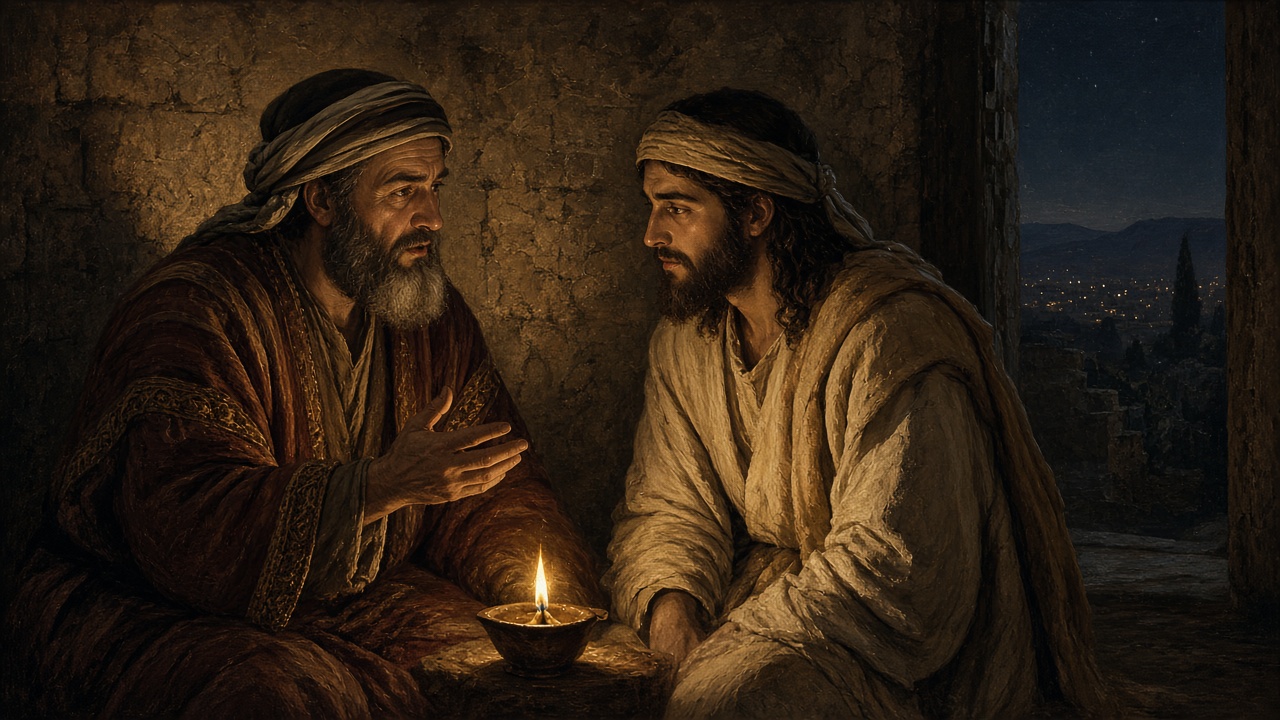
Yeesuu na Nikodeemus
1Ɔnyare̱ ko̱ bo̱‑rɔ ne̱ ba te̱e̱ mò̱ ɛ Nikodeemus. Ɔ gye̱ Yudaa awuye a maŋ abre̱sɛ‑ɔ ɔko̱, ne̱ ɔ be̱e̱ ɔ gye̱ Farisii awuye‑o ɔko̱. 2Kanye ko̱, ne̱ ɔɔ yɔ Yeesuu ase̱ ya tɔwe̱ fe̱yɛ, “Ɔkaapo̱po̱, ane̱ nyi fe̱yɛ fo̱ gye̱ ɔkaapo̱po̱ ne̱ Wuribware̱ a suŋ bo̱ kyo̱ŋwe̱‑ɔ ne̱e̱, a le̱e̱ fe̱yɛ ɔko̱ maa taare̱ a ɔ waa akpe̱ŋe̱ye̱e̱tɔ mɔ ne̱ fo̱ e̱ waa‑ɔ, amɔ Wuribware̱ ye̱re̱ mò̱‑rɔ.”
3Ne̱ Yeesuu a tɔwe̱ fe̱yɛ, “Mo̱ i gyi fo̱ kase̱ŋtiŋ fe̱yɛ ɔko̱ maa taare̱ a o tii Wuribware̱ a kuwure‑o si, amɔ baa be̱e̱ ko̱we̱ mò̱ pwɛɛ.”
4Ne̱ Nikodeemus a bise mò̱ fe̱yɛ, “E̱me̱ne̱ ne̱ ba waa na bo̱ be̱e̱ ko̱we̱ se̱sɛ ne̱ ɔɔ daŋ‑ɔ? Kase̱ŋtiŋ ne̱e̱ fe̱yɛ ɔ maa lɛɛ taare̱ a o kiŋŋi lwee mò̱ nyi kame‑ro a ɔ be̱e̱ ko̱we̱ mò̱ nyɔse̱po̱.”
5Ne̱ Yeesuu a lee kanɔ fe̱yɛ, “Mo̱ i gyi fo̱ kase̱ŋtiŋ fe̱yɛ, ɔko̱ maa taare̱ a o tii Wuribware̱ a kuwure‑o si, amɔ baa ba nkyu bo̱ bɔ mò̱ asuu, ne̱ Wuribware̱ a kufwiiŋe timaa‑o a ko̱we̱ mò̱. 6Mò̱ ne̱ dimaadi a ko̱we̱ mò̱‑ɔ de dimaadi ko̱yo̱wɔre̱gyi, ne̱ mò̱‑ɔ mɔ ne̱ Wuribware̱ a kufwiiŋe timaa‑o a ko̱we̱ mò̱‑ɔ fe̱raa mò̱ kra a nya ŋkpa po̱pwɛɛ. 7Amo̱se̱ se̱‑ɔ fo̱ ma sa a a kpe̱ŋ fo̱ e̱ye̱e̱ fe̱yɛ mo̱ a tɔwe̱ gywii fo̱ fe̱yɛ a tiri fe̱yɛ bo̱ be̱e̱ ko̱we̱ mo̱ne̱ ɔke̱maa. 8To, afwii e̱ da a yɔ mfe̱ŋ ne̱ a kpa‑ɔ ne̱e̱. Fo̱ i nu amo̱ se̱, amaa fo̱ mo̱ŋ nyi mfe̱ŋ ne̱ aa le̱e̱‑ɔ na mfe̱ŋ ne̱ a yɔ‑ɔ. Ane̱ŋ dɛɛ ne̱ ane̱ maa nu kaase̱ ane̱ŋ ne̱ Wuribware̱ a kufwiiŋe timaa‑o e̱ ko̱we̱ ɔko̱‑ɔ.”
9Ne̱ Nikodeemus a lee kanɔ fe̱yɛ, “E̱me̱ne̱ ne̱ amo̱‑ɔ e̱ waa a a waa ane̱ŋ?”
10Ne̱ Yeesuu a be̱ŋŋaa mò̱ fe̱yɛ, “Fo̱ gye̱ Isireelii awuye‑ro ɔkaapo̱po̱ dabe̱‑ɔ, na fo̱ mo̱ŋ nyi amo̱‑ɔ aaa? 11Mo̱ i gyi fo̱ kase̱ŋtiŋ fe̱yɛ ke̱tɔ ke̱maa ne̱ ane̱ nyi‑o ase̱ŋ ne̱ ane̱ e̱ tɔwe̱, ne̱ ke̱tɔ ne̱ ane̱ a ŋu‑o ase̱ŋ ne̱ ane̱ e̱ tɔwe̱. Amaa amo̱ pɛɛɛ gbaa mo̱ne̱ ɔke̱maa maa kɔɔre̱ ane̱ ase̱ŋ o gyi. 12Kaye̱ mɔ‑rɔ atɔ ase̱ŋ ne̱ mo̱ e̱ tɔwe̱ mo̱ i gywii mo̱ne̱, ne̱ mo̱ne̱ maa kɔɔre̱ mo̱ mo̱ne̱ i gyi‑o, saŋbo̱to̱ Wuribware̱ se̱ ase̱ŋ ne̱ mo̱ ya tɔwe̱ gywii mo̱ne̱, ne̱ mo̱ne̱ e̱ kɔɔre̱ mo̱ a mo̱nꞌ gyi aaa? 13Na ɔko̱ mɔ mo̱ŋ tɛɛ yɔ Wuribware̱ se̱ ya ŋu. Amaa mo̱, dimaadi mò̱ gyi‑o, a le̱e̱ Wuribware̱ se̱ ba. Amo̱se̱ ne̱ mo̱ e̱ taare̱ a n tɔwe̱ Wuribware̱ se̱ atɔ ase̱ŋ.
14Mo̱ne̱ a kare̱ abware̱se̱ŋ wo̱re̱‑ɔ‑rɔ ŋu ane̱ŋ ne̱ ane̱ ɔde̱daapo̱ Mosis a taa kayo̱waa bo̱ waa ke̱tɔ ko̱ fe̱yɛ ko̱wɔ‑ɔ, ne̱ ɔɔ ba ke̱mo̱ bo̱ kye̱na kayii so̱so̱, na ɔke̱maa ne̱ ko̱wɔ a duŋ mò̱ kimukee‑ro mfe̱ŋ‑ɔ, mò̱ ya yase̱ kuŋu de̱e̱re̱ ke̱tɔ‑ɔ na ɔ ma wu, amaa na ɔ nya ŋkpa‑ɔ. Ane̱ŋ dɛɛ ne̱e̱, a tiri fe̱yɛ bo̱ yase̱ mo̱, dimaadi mò̱ gyi‑o, so̱so̱, 15na ɔke̱maa ne̱ ɔ kɔɔre̱ mo̱ o gyi‑o maa wu, amaa na ɔ nya ŋkpa na kukyure ne̱ a mo̱ŋ de kɛɛ‑ɔ. 16A kaapo̱ fe̱yɛ Wuribware̱ a kpa kaye̱‑rɔ ase̱sɛ ke̱baŋse̱‑ɔ se̱, ne̱ ɔɔ taa mò̱ gyi ko̱ŋko̱ wo̱re̱ kpeŋ ne̱ o de‑o sa ane̱ fe̱yɛ ɔke̱maa ne̱ ɔ kɔɔre̱ mò̱ o gyi‑o maa wu, amaa ɔ nya ŋkpa na kukyure ne̱ a mo̱ŋ de kɛɛ‑ɔ.
17A mo̱ŋ gye̱ fe̱yɛ Wuribware̱ a suŋ mò̱ gyi bo̱ kyo̱ŋwe̱ ne̱e̱ fe̱yɛ ɔ bo̱ kii kaye̱‑rɔ ase̱sɛ ɔse̱ŋgyipo̱, amaa ɔɔ ba ne̱e̱ fe̱yɛ ɔ ba a ɔ bo̱ kii kaye̱‑rɔ ase̱sɛ ɔmo̱rɔwe̱po̱. 18Ɔke̱maa ne̱ ɔ kɔɔre̱ mò̱ o gyi‑o, Wuribware̱ maa bu mò̱ ke̱pɔ, amaa ɔke̱maa ne̱ ɔ maa kɔɔre̱ mò̱ o gyi‑o, Wuribware̱ a kyɔ bu mò̱ ke̱pɔ, a le̱e̱ fe̱yɛ ɔ mo̱ŋ kɔɔre̱ Wuribware̱ mò̱ gyi ko̱ŋko̱ kpeŋ‑o gyi. 19Mfaanɛɛ ne̱ mo̱ne̱ e̱ ba a mo̱nꞌ bo̱ ŋu bamo̱ ne̱ Wuribware̱ i bu ke̱pɔ‑ɔ, amo̱ e̱ gye̱ fe̱yɛ ke̱laŋŋe̱rɔ a ba kaye̱‑rɔ, amaa kaye̱‑rɔ ase̱sɛ e̱ kpa kibugyii‑o bo̱ kyo̱ŋ ke̱laŋŋe̱rɔ‑ɔ, a le̱e̱ fe̱yɛ ba waa atɔ ne̱ a gye̱ bɔye̱‑ɔ. 20Ɔke̱maa ne̱ ɔ waa e̱bɔye̱‑ɔ se̱re̱ ke̱laŋŋe̱rɔ‑ɔ. Ane̱ŋ se̱‑ɔ, ɔ maa kpa a ɔ ba ke̱laŋŋe̱rɔ‑rɔ, a le̱e̱ fe̱yɛ ɔ maa kpa a mò̱ e̱bɔye̱‑ɔ le̱e̱ kawu. 21Amaa ɔke̱maa ne̱ ɔ waa ke̱tɔ ne̱ ke̱ gye̱ kase̱ŋtiŋ‑o e̱ ba ke̱laŋŋe̱rɔ‑rɔ, na ke̱laŋŋe̱rɔ kaapo̱ fe̱yɛ Wuribware̱ e̱ gye̱ ne̱ ɔ kya mò̱‑rɔ a ɔ waa ke̱tɔ ke̱maa.”
Yeesuu na Yohanee Osuubɔpo̱‑ɔ
22Amo̱‑ɔ kamɛɛ‑rɔ, ne̱ Yeesuu na mò̱ agyase̱po̱‑ɔ a yɔ Yude̱ya swe̱e̱re̱ se̱. Ne̱ mò̱ aa bamo̱ a kye̱na mfe̱ŋ ŋke mfe̱ne̱ ko̱, ne̱ baa bɔ ase̱sɛ asuu. 23Saŋ amo̱‑ɔ Yohanee mɔ bo̱ maŋ ko̱ ne̱ ba te̱e̱ mò̱ ɛ Aye̱nɔŋ ne̱ ɔ maa Salim maŋ‑ɔ se̱, ɔ bɔ asuu, a le̱e̱ fe̱yɛ nkyu bo̱ mfe̱ŋ bwe̱e̱tɔ. Ase̱sɛ naa mò̱ ase̱, ne̱ ɔ bɔ bamo̱ asuu. 24Saŋ amo̱‑ɔ bo̱ mo̱ŋ tɛɛ tii Yohanee.
25Ne̱ Yohanee agyase̱po̱‑ɔ na Yudaanyi ko̱ a le̱e̱ ba gyiiri ikii bo̱ le̱e̱ ane̱ŋ ne̱ ba bɔ asuu‑o si. 26Amo̱se̱ se̱‑ɔ ne̱ baa yɔ Yohanee ase̱, ne̱ baa tɔwe̱ gywii mò̱ fe̱yɛ, “Ɔkaapo̱po̱, fo̱ a nyiŋŋi ɔnyare̱ ne̱ ɔɔ ba fo̱ ase̱ nno̱ŋ a bo̱ŋbe̱‑ɔ se̱ aaa? Ɔko̱ ne̱ fo̱ a tɔwe̱ mò̱ ase̱ŋ‑ɔ, Yeesuu ne̱ ane̱ de. Mbe̱yɔmɔ ɔ maa se̱ ɔ bɔ asuu, amo̱se̱ se̱‑ɔ ɔke̱maa naa mò̱ ase̱ ɔ bɔ asuu! A bware fe̱yɛ ɔ waa ane̱ŋ aaa?”
27Ne̱ Yohanee a be̱ŋŋaa bamo̱ fe̱yɛ, “A bware. Ɔke̱maa na aketɔ ne̱ Wuribware̱ a sa mò̱‑ɔ. 28Mo̱ne̱ fɔŋfɔŋ ye̱re̱ mo̱‑rɔ fe̱yɛ mo̱ a tɔwe̱ fe̱yɛ n gye̱ mo̱ e̱ gye̱ Kristoo‑o, amaa Wuribware̱ a suŋ mo̱ bo̱ gye̱ mò̱ ŋkpɛɛ ne̱e̱. 29Kristoo du fe̱yɛ ɔko̱fɔ kuri‑o, ne̱ ase̱sɛ ne̱ bo̱ naa mò̱ ase̱‑ɔ du fe̱yɛ mò̱ ɔko̱fɔ‑ɔ. M fe̱raa, n du fe̱yɛ ɔko̱fɔ kuri mò̱ nyare̱ ne̱ ɔ de̱e̱re̱ mò̱ kpa‑ɔ. To, mbe̱yɔmɔ mo̱ a ŋu mò̱ a ba, ne̱ mò̱ a nu mò̱ se̱ŋsa‑ɔ, ne̱ mo̱ akatɔ a gyi bwe̱e̱tɔ fe̱yɛ ŋkee ɔɔ nya mò̱ ɔko̱fɔ‑ɔ. 30A bware fe̱yɛ Yeesuu e̱ gye̱ ne̱ ɔ waa ke̱dabe̱, na mo̱, Yohanee, mɔ ŋ kii kagyingyii.”
Mò̱ ne̱ ɔɔ le̱e̱ Wuribware̱ se̱‑ɔ
31Yeesuu a le̱e̱ Wuribware̱ se̱‑ɔ se̱‑ɔ, ɔ kyɔ ɔke̱maa. Ɔko̱ ne̱ baa ko̱we̱ mò̱ kaye̱ mɔ‑rɔ‑ɔ mɔ gye̱ kaye̱ mɔ‑rɔ se̱sɛ, ne̱ ɔ tɔwe̱ kaye̱ mɔ‑rɔ ase̱ŋ, amaa mò̱ ne̱ ɔɔ le̱e̱ Wuribware̱ se̱‑ɔ e̱ gye̱ ne̱ ɔ kyɔ bamo̱ pɛɛɛ. 32Mò̱ e̱ gye̱ ne̱ ɔ tɔwe̱ ke̱tɔ ne̱ oo ŋu‑o na ke̱tɔ ne̱ oo nu‑o, amaa nsɛ e̱ gye̱ ne̱ ɔɔ kɔɔre̱ mò̱ ase̱ŋ gyi? 33Amaa ɔke̱maa ne̱ ɔ kɔɔre̱ mò̱ ase̱ŋ‑ɔ o gyi‑o e̱ ba amo̱ a ɔ bo̱ kaapo̱ fe̱yɛ Wuribware̱ e̱ gye̱ kase̱ŋtiŋ wuye. 34Mò̱ ne̱ Wuribware̱ a suŋ bo̱ kyo̱ŋwe̱‑ɔ e̱ gye̱ ne̱ ɔ tɔwe̱ Wuribware̱ ase̱ŋ, a le̱e̱ fe̱yɛ Wuribware̱ a sa mò̱ mò̱ kufwiiŋe timaa‑o ke̱yaale̱ŋ bwe̱e̱tɔ. 35Mò̱ se̱ Wuribware̱ a kpa mò̱ ase̱ŋ‑ɔ se̱‑ɔ, ne̱ ɔɔ taa ke̱tɔ ke̱maa bo̱ waa mò̱ ke̱sare̱e̱‑rɔ. 36Amo̱se̱ se̱‑ɔ ɔke̱maa ne̱ ɔ kɔɔre̱ Wuribware̱ mò̱ gyi‑o o gyi‑o e̱ nya ŋkpa na kukyure ne̱ a mo̱ŋ de kɛɛ‑ɔ, amaa ɔke̱maa ne̱ ɔ maa kɔɔre̱ mò̱ o gyi‑o maa nya ŋkpa pɛɛɛ, na Wuribware̱ kaduŋfwii sii mò̱ se̱.
Did you know?
New birth and John's witness
- Nicodemus, whose name means "the people is victor," was a Pharisee and a member of the Sanhedrin. He came to Jesus at night to learn more of his teaching, and the Gospel calls him a leader of the Jews; Jesus addresses him as Israel's teacher.Sources: Nicodemus · the Bible text itself
- After this conversation, Jesus and his disciples went into the Judean countryside, under the Romans the southernmost of the three divisions of Palestine. John was also baptizing at Aenon near Salim, because water was plentiful there; Salim, whose name means "peaceful," lay west of the Jordan. Aenon means "springs," and Easton's Bible Dictionary (1897) places it probably near the upper source of the Wady Far'ah, an open valley full of springs running from Mount Ebal to the Jordan.Sources: the Bible text itself · Judea · Aenon · Salim
- In this chapter John tells his disciples that he is not the Christ but was sent ahead of him, and the narrative notes that he had not yet been thrown into prison. Easton's Bible Dictionary (1897) describes him as the forerunner of Jesus, of priestly descent, and says that his mission was the subject of prophecy.Sources: the Bible text itself · John the Baptist
Notes written with AI assistance from open sources (Theographic Bible Metadata, CC BY-SA 4.0; Easton’s Bible Dictionary, public domain) and reviewed before publishing.
Places in this chapter
- Jerusalem · 31.777, 35.234 · verse 22
- Judea · Today: Judea 1 · 31.777, 35.234 · verse 22
- Jordan · Today: Jordan River · 31.761, 35.558 · verse 26
Only places identified with high confidence are shown (90% or more according to the scholarly sources compiled by OpenBible). Period map: DARE (Digital Atlas of the Roman Empire), CC BY 4.0; modern map: © OpenStreetMap contributors; places: OpenBible.info (CC BY 4.0).
Credits and license for this translation
Abware̱se̱ŋ Wo̱re̱-ɔ
New Testament in Chumburung (GH:ncu:Chumburung)
copyright © 2010 Wycliffe Bible Translators, Inc.
Language: Chumburung
Translation by: Wycliffe Bible Translators, Inc.
Copyright Information
© 2010, Wycliffe Bible Translators, Inc. All rights reserved.
This translation text is made available to you under the
terms of the Creative Commons License: Attribution-Noncommercial-No Derivative Works.
( http://creativecommons.org/licenses/by-nc-nd/3.0/ )
In addition, you have permission to port the text to different file formats, as long as you
do not change any of the text or punctuation of the Bible.
You may share, copy, distribute, transmit, and extract portions
or quotations from this work, provided that you include the above copyright
information:
You must give Attribution to the work.
You do not sell this work for a profit.
You do not make any derivative works that change any of the actual words or punctuation of the Scriptures.
Permissions beyond the scope of this license may be
available if you contact
us with your request.
The New Testament
in Chumburung
© 2010, Wycliffe Bible Translators, Inc. All rights reserved.
This translation is made available to you under the terms of the
Creative Commons Attribution-Noncommercial-No Derivatives license 4.0.
You may share and redistribute this Bible translation or extracts from it in any format, provided that:
You include the above copyright and source information.
You do not sell this work for a profit.
You do not change any of the words or punctuation of the Scriptures.
Pictures included with Scriptures and other documents on this site are licensed just for use with those Scriptures and documents.
For other uses, please contact the respective copyright owners.
2025-05-16
Source: http://ebible.org/ncuNT/ · eBible.org