James 2
Abware̱se̱ŋ Wo̱re̱-ɔ · Tap a verse to see its cross-references.
Mo̱ne̱ ma teŋŋi‑ro
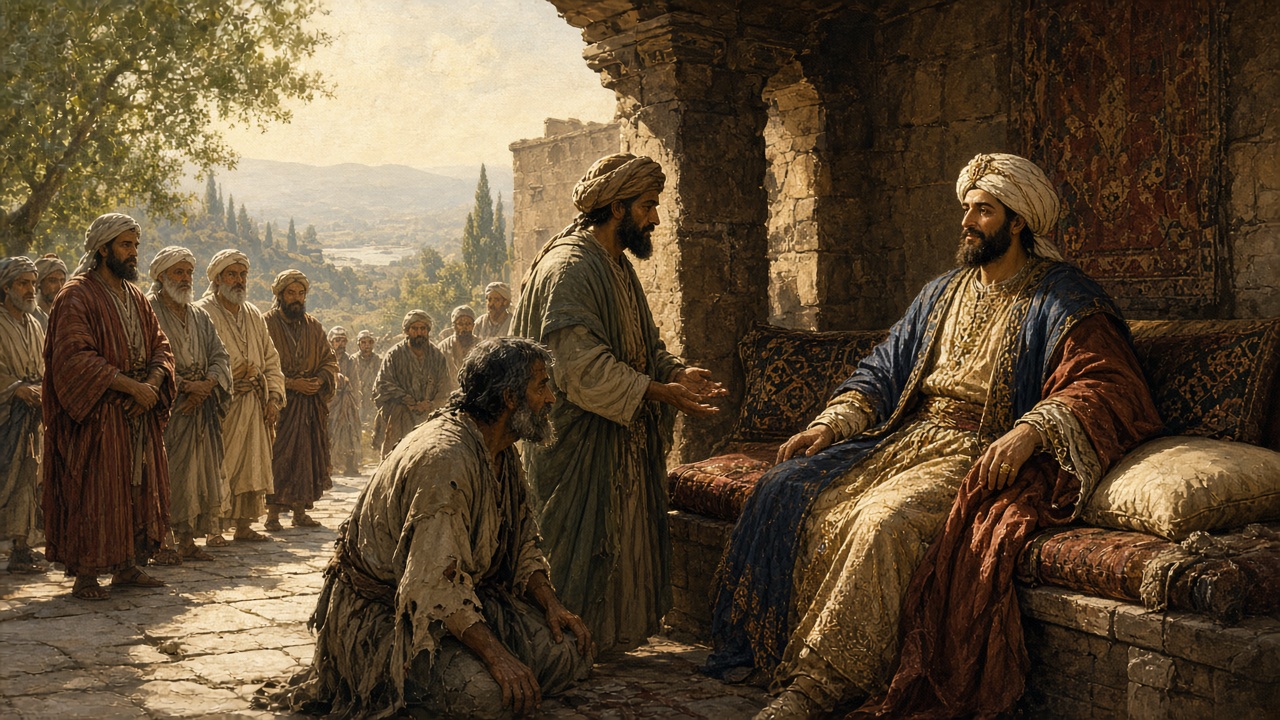
1Mo̱ ko̱so̱bɛɛ‑ana, mo̱ne̱ a kɔɔre̱ Yeesuu Kristoo ne̱ ɔ gye̱ wuraa wuye na ane̱ nyaŋpe̱ dabe̱‑ɔ gyi‑o si‑o, mo̱ne̱ ma kaŋ teŋŋi‑ro pwɛɛ na mo̱nꞌ dɛɛ ŋu ane̱ŋ ne̱ a bware fe̱yɛ mo̱nꞌ kra ɔko̱‑ɔ. 2Mo̱nꞌ sa a ane̱ taa fe̱yɛ atɔ wuye ne̱ o buŋ atɔ timaa, ne̱ atanne̱ kapini te mò̱ ke̱sare̱e̱‑rɔ‑ɔ a ba mo̱ne̱ asɔre̱e̱ ngyaŋŋe̱‑rɔ, ne̱ otiripo̱ mɔ a buŋ mò̱ aprakɛɛ ba mo̱ne̱ ngyaŋŋe̱‑rɔ. 3Mo̱ne̱ ya bu atɔ timaa wuye‑o, ne̱ mo̱ne̱ yɛ, “Kye̱na kye̱nakpa timaa mɔ”, amaa ne̱ mo̱ne̱ ya tɔwe̱ gywii otiripo̱‑ɔ fe̱yɛ, “Ye̱re̱ mfe̱ŋ”, bɛɛɛ “Kye̱na swe̱e̱re̱ mo̱ ase̱ mfe̱e̱”, 4mo̱ne̱ ya waa ane̱ŋ, a kaapo̱ ne̱e̱ fe̱yɛ mo̱ne̱ i teŋŋi‑ro ne̱e̱. Ne̱ mo̱ne̱ be̱e̱ mo̱ne̱ i gyi ase̱ŋ ke̱kpa se̱. 5Mo̱ ko̱so̱bɛɛ timaa‑ana, mo̱nꞌ nu fe̱yɛ bamo̱ ne̱ kaye̱‑rɔ ase̱sɛ i bu bamo̱ atiripo̱‑ɔ, Wuribware̱ fe̱raa i bu bamo̱ atɔ awuye ne̱e̱, a le̱e̱ fe̱yɛ ba kɔɔre̱ Wuribware̱ ba gyi bwe̱e̱tɔ, ne̱ bo̱ tii kuwure ne̱ Wuribware̱ a tɔwe̱ bo̱ be̱ya fe̱yɛ ɔ sa bamo̱ ne̱ ba kpa mò̱‑ɔ se̱. 6Amo̱‑ɔ pɛɛɛ gbaa ooo mo̱ne̱ maa bu atiripo̱, ne̱ mo̱ne̱ be̱e̱ mo̱ne̱ mo̱ŋ de bamo̱ mo̱ne̱ e̱ te̱e̱ sɛye̱. N gye̱ atɔ awuye e̱ gye̱ ne̱ bo̱ naa ba yaa mo̱ne̱ iwurekpa, na ba waa mo̱ne̱ awo̱re̱fɔɔ‑ɔ ɔɔɔ? 7Bamo̱ e̱ gye̱ ne̱ ba tɔwe̱ ase̱ŋ bɔye̱ ba kye Kristoo na mò̱ ke̱nyare̱ timaa ne̱ ase̱sɛ a bo̱ te̱e̱ mo̱ne̱ fe̱yɛ Kristoo awuye‑o.
8Ɔke̱maa ne̱ ɔ gya Wuribware̱ a kuwure a mbraa ne̱ m bo̱ abware̱se̱ŋ wo̱re̱‑ɔ‑rɔ ne̱ ŋ yɛ, “Kpa fo̱ bɛɛko̱ ase̱ŋ fe̱yɛ ane̱ŋ ne̱ fo̱ e̱ kpa fo̱ e̱ye̱e̱‑ɔ,” se̱‑ɔ e̱ waa atɔ timaa ne̱e̱. 9Amaa ɔke̱maa ne̱ o teŋŋi‑ro ɔ de̱e̱re̱ se̱sɛ kayo̱wɔre̱ se̱ pwɛɛ dɛɛ waa ko̱tɔko̱ sa mò̱‑ɔ e̱ waa e̱bɔye̱ ne̱e̱, ne̱ mbraa‑ɔ mɔ i bu mò̱ ke̱pɔ. 10Ɔke̱maa ne̱ o kye Wuribware̱ a mbraa‑ɔ ŋko̱ŋko̱ kpeŋ‑o pini fe̱yɛ oo gyi ke̱pɔ, a le̱e̱ fe̱yɛ mbraa pɛɛɛ a waa ŋko̱ŋko̱. 11Wuribware̱ ne̱ ɔ yɛ, “Fo̱ ma waa kakye̱e̱kpa na kanyare̱kpa”‑ɔ dɛɛ ya tɔwe̱ fe̱yɛ, “Fo̱ ma mɔɔ se̱sɛ.” Ne̱ ɔke̱maa e̱ mo̱ŋ waa kakye̱e̱kpa, ne̱ mò̱ e̱ gye̱ se̱sɛ ne̱ ɔ mɔɔ‑ɔ, ɔ saŋ ɔ gye̱ mbraa‑ɔ ɔfo̱po̱ ne̱e̱. 12Amo̱se̱‑ɔ mo̱nꞌ sa a mo̱ne̱ se̱ŋsa na mo̱ne̱ awaasɛ waa fe̱yɛ ase̱sɛ ne̱ Wuribware̱ e̱ ba mò̱ mbraa ne̱ n sa a mo̱nꞌ nya mo̱ne̱ e̱ye̱e̱ le̱e̱ e̱bɔye̱‑rɔ‑ɔ a ɔ bo̱ gyi mo̱ne̱ ase̱ŋ‑ɔ. Na mò̱ mbraa amo̱ i bu mo̱ne̱ ke̱pɔ. 13A kaapo̱ fe̱yɛ Wuribware̱ ne̱ ɔ gye̱ ɔse̱ŋgyipo̱‑ɔ maa su ɔke̱maa ne̱ ɔ mo̱ŋ su mò̱ ko̱so̱bɛɛ se̱‑ɔ se̱, amaa mò̱ ne̱ o su se̱sɛ se̱‑ɔ mo̱ŋ se̱re̱ se̱ŋgyi‑o kufu. E̱wɛɛ kuŋu kyɔ ke̱pɔ kibu ke̱yaale̱ŋ.
Ko̱kɔɔre̱gyi na ke̱mo̱ kusuŋ
14Mo̱ ko̱so̱bɛɛ‑ana, ɔko̱ e̱ yɛ ɔɔ kɔɔre̱ Wuribware̱ gyi, na mò̱‑ɔ mɔ maa waa ke̱tɔ ne̱ ke̱ e̱ kaapo̱ fe̱yɛ ɔɔ kɔɔre̱ gyi‑o, ntɔ to̱nɔ ne̱ ɔɔ nya? Ane̱ŋ a ko̱kɔɔre̱gyi‑o e̱ mo̱rɔwe̱ mò̱ aaa? 15Mo̱nꞌ sa a ane̱ taa fe̱yɛ ane̱ bɛɛko̱‑ana Kristoo awuye ɔko̱ mo̱ŋ de atɔ buŋsɛ na atɔ gyisɛ. 16Ke̱tɔ timaa mo̱ ne̱ fo̱ a waa fe̱yɛ fo̱ a tɔwe̱ gywii mò̱ fe̱yɛ, “Wuribware̱ yure fo̱, na ɔ sa a fo̱ gyi nɛɛnɛɛ”, na fo̱‑ɔ fo̱ mo̱ŋ sa mò̱ ateese? Ne̱ ke̱tɔ timaa mo̱ ne̱ fo̱ a be̱e̱ waa fe̱yɛ kpaŋkpaŋ‑nɔ afwii ya ba, na fo̱ tɔwe̱ gywii mò̱ fe̱yɛ, “Wuribware̱ sa a afwii ma nya fo̱”, na fo̱‑ɔ fo̱ mo̱ŋ sa mò̱ atɔ buŋsɛ? 17Amo̱se̱‑ɔ fo̱ e̱ mo̱ŋ ba fo̱ ko̱kɔɔre̱gyi bo̱ waa ke̱mo̱ kusuŋ, amɔ kaa wu ne̱e̱. 18Amaa mo̱ne̱ ɔko̱ e̱ tɔwe̱ fe̱yɛ ɔko̱ bo̱‑rɔ ne̱ ɔ kɔɔre̱ Wuribware̱ o gyi, ne̱ ɔko̱ mɔ e̱ waa itimaa. To, se̱sɛ‑ɔ kaapo̱ mo̱ ane̱ŋ ne̱ ɔ taare̱ a ɔ kɔɔre̱ gyi, na ɔ ma waa itimaa‑o, na mo̱‑ɔ mɔ m ba mo̱ itimaa bo̱ kaapo̱ mò̱ fe̱yɛ mo̱ e̱ kɔɔre̱ Wuribware̱ mo̱ i gyi. 19Mo̱ne̱ ɔke̱maa e̱ kɔɔre̱ o gyi fe̱yɛ Wuribware̱ ko̱ŋko̱ e̱ bo̱‑rɔ aaa? Mo̱ne̱ ya kɔɔre̱ waa‑rɔ fe̱raa, a bware. Mo̱nꞌ pini fe̱yɛ ibrisi pɛɛɛ gbaa e̱ kɔɔre̱ ii gyi fe̱yɛ Wuribware̱ bo̱‑rɔ, ne̱ e̱mo̱ ke̱se̱re̱ mò̱‑ɔ se̱‑ɔ, e̱e̱ yo̱ŋ bake̱ bake̱ bake̱. 20Mfɛɛre̱ ke̱‑mo̱ŋ‑de wuye e̱ gye̱ ne̱ ɔ fa fe̱yɛ ɔ taare̱ a ɔ kɔɔre̱ Wuribware̱ gyi, na ɔ ma waa itimaa o tii si. Amaa ane̱ŋ a se̱sɛ‑ɔ pini fe̱yɛ mò̱ ko̱kɔɔre̱gyi‑o gye̱ kwaa ne̱e̱.
21Mo̱nꞌ ke̱e̱ ane̱ nana Abraham ɛ, n gye̱ mò̱ itimaa ya sa ne̱ Wuribware̱ a te̱e̱ mò̱ ɛ se̱sɛ timaa aaa? A le̱e̱ fe̱yɛ Wuribware̱ yɛ Abraham taa mò̱ gyi ko̱ŋko̱ kpeŋ Isak yaa mɔɔ bo̱ lɔŋŋɔ Wuribware̱. Kase̱ŋtiŋ si, ɔ mo̱ŋ kine ke̱gya mò̱ kanɔ se̱. Ne̱ Wuribware̱ dɛɛ ɔ mo̱ŋ kuŋ mò̱ fe̱yɛ ɔ ma waa ne̱e̱, weetee ɔɔ kyɔ mɔɔ mò̱ gyi‑o. 22To, amo̱ fe̱raa ɔke̱maa ŋu fe̱yɛ Abraham a ba mò̱ Wuribware̱ ko̱kɔɔre̱gyi‑o na mò̱ ke̱kpa ne̱ ɔ kpa a ɔ waa ke̱tɔ ke̱maa ne̱ Wuribware̱ a tɔwe̱ gywii mò̱ fe̱yɛ ɔ waa‑ɔ bo̱ waa abɛɛ‑rɔ. Bo̱ le̱e̱ ane̱ŋ se̱‑ɔ, ɔke̱maa a ŋu fe̱yɛ mò̱ ko̱kɔɔre̱gyi‑o gye̱ ko̱kɔɔre̱gyi kase̱ŋtiŋ. 23Ane̱ŋ se̱‑ɔ, abware̱se̱ŋ wo̱re̱‑ɔ‑rɔ ase̱ŋ ne̱ baa tɔwe̱‑ɔ a ba kase̱ŋtiŋ fe̱yɛ,
“Abraham a kɔɔre̱ Wuribware̱ a ase̱ŋ‑ɔ gyi‑o si‑o,
Wuribware̱ a kɔɔre̱ mò̱ waa‑rɔ fe̱yɛ ɔ gye̱ se̱sɛ timaa,”
ne̱ ɔɔ te̱e̱ mò̱ ɛ mò̱ nyare̱.
24Ne̱ ŋkee fe̱raa ɔke̱maa a ŋu fe̱yɛ se̱sɛ asuŋ timaa ne̱ ɔɔ waa‑ɔ se̱ ne̱ Wuribware̱ e̱ kɔɔre̱ mò̱ o gyi, amaa n gye̱ mò̱ ko̱kɔɔre̱gyi‑o si wo̱re̱.
25M be̱e̱ taa opurimakye̱e̱ Rahab ne̱ ɔɔ dɛɛ kye̱na‑ɔ bo̱ kaapo̱ mo̱ne̱ atɔ. Mo̱nꞌ ke̱e̱ fe̱yɛ Wuribware̱ a te̱e̱ mò̱ ɛ se̱sɛ timaa bo̱ le̱e̱ mò̱ ke̱dame̱naŋsɛ se̱, a le̱e̱ fe̱yɛ saŋ‑ɔ Isireelii awuye a suŋ akyɔŋŋɔpo̱ ko̱ na bo̱ ywii lwee mò̱ maŋ Yɛrikoo‑ro ŋu ane̱ŋ ne̱ ba taare̱ a bo̱ kɔɔre̱ maŋ‑ɔ kpuri‑o. Ne̱ Rahab a pini bamo̱ mfɛɛre̱, ne̱ ɔɔ kra bamo̱ nɛɛnɛɛ, ne̱ ɔɔ kya bamo̱‑rɔ, ne̱ baa le̱e̱ ase̱ŋ‑nɔ bo̱rɔ kpa po̱pwɛɛ ko̱ yɔ pe̱. 26Amo̱se̱ se̱‑ɔ ane̱ŋ ne̱ kayo̱wɔre̱ e̱ mo̱ŋ de kra, ne̱ kaa wu‑o, ane̱ŋ dɛɛ ne̱ ko̱kɔɔre̱gyi e̱ mo̱ŋ de asuŋ timaa, ne̱ kaa wu.
Did you know?
Impartiality and Living Faith
- James recalls that Abraham was justified by offering his son Isaac on the altar, his faith working with his actions and perfected by what he did. Isaac, the only son of Abraham by Sarah, was the one God commanded Abraham to offer as a sacrifice on a mountain in the land of Moriah.Sources: the Bible text itself · Isaac
- James also cites Rahab the prostitute, justified by welcoming the spies and sending them off on another route. The two spies, sent by Joshua while the Hebrews were encamped at Shittim opposite Jericho, had gone to her house, faced danger in the city, and were saved by her fidelity.Sources: the Bible text itself · Rahab
Notes written with AI assistance from open sources (Theographic Bible Metadata, CC BY-SA 4.0; Easton’s Bible Dictionary, public domain) and reviewed before publishing.
Credits and license for this translation
Abware̱se̱ŋ Wo̱re̱-ɔ
New Testament in Chumburung (GH:ncu:Chumburung)
copyright © 2010 Wycliffe Bible Translators, Inc.
Language: Chumburung
Translation by: Wycliffe Bible Translators, Inc.
Copyright Information
© 2010, Wycliffe Bible Translators, Inc. All rights reserved.
This translation text is made available to you under the
terms of the Creative Commons License: Attribution-Noncommercial-No Derivative Works.
( http://creativecommons.org/licenses/by-nc-nd/3.0/ )
In addition, you have permission to port the text to different file formats, as long as you
do not change any of the text or punctuation of the Bible.
You may share, copy, distribute, transmit, and extract portions
or quotations from this work, provided that you include the above copyright
information:
You must give Attribution to the work.
You do not sell this work for a profit.
You do not make any derivative works that change any of the actual words or punctuation of the Scriptures.
Permissions beyond the scope of this license may be
available if you contact
us with your request.
The New Testament
in Chumburung
© 2010, Wycliffe Bible Translators, Inc. All rights reserved.
This translation is made available to you under the terms of the
Creative Commons Attribution-Noncommercial-No Derivatives license 4.0.
You may share and redistribute this Bible translation or extracts from it in any format, provided that:
You include the above copyright and source information.
You do not sell this work for a profit.
You do not change any of the words or punctuation of the Scriptures.
Pictures included with Scriptures and other documents on this site are licensed just for use with those Scriptures and documents.
For other uses, please contact the respective copyright owners.
2025-05-16
Source: http://ebible.org/ncuNT/ · eBible.org