Galatians 5
Abware̱se̱ŋ Wo̱re̱-ɔ · Tap a verse to see its cross-references.
Yeesuu Kristoo a mo̱rɔwe̱ mo̱ne̱ ne̱e̱ na mo̱nꞌ nya mo̱ne̱ e̱ye̱e̱
1Kristoo a mo̱rɔwe̱ ane̱ ne̱e̱ a kase̱ŋtiŋ si ane̱ nya ane̱ e̱ye̱e̱. Ane̱ŋ se̱‑ɔ mo̱nꞌ le̱ŋ e̱ye̱e̱, na mo̱ne̱ ma lɛɛ sa a ɔko̱ sa a mo̱nꞌ kii mbraa ne̱ Wuribware̱ a sa Yudaa awuye‑o anya be̱e̱. 2Mo̱nꞌ nu, mo̱ Pɔɔl, mo̱ i gyi mo̱ne̱ kase̱ŋtiŋ fe̱yɛ mo̱ne̱ ya sa bamo̱ kpa fe̱yɛ bo̱ te̱ŋŋe̱ mo̱ne̱ atwe̱e̱tu, a kaapo̱ ne̱e̱ fe̱yɛ ke̱tɔ ne̱ Kristoo a waa‑ɔ maa lɛɛ kya mo̱ne̱‑rɔ. 3M be̱e̱ mo̱ i yii mo̱ne̱ se̱ fe̱yɛ mo̱ne̱ ɔke̱maa ya gya aye̱ba amo̱ se̱, ne̱ ɔɔ sa ne̱ baa te̱ŋ mò̱ ko̱twe̱e̱tu, amo̱ fe̱raa a kaapo̱ ne̱e̱ fe̱yɛ oo kii Yudaanyi ne̱e̱, ne̱ a tiri fe̱yɛ ɔ gya Yudaa awuye a mbraa ne̱ ŋ ya saŋ‑ɔ pɛɛɛ se̱ kyɛɛkyɛɛ. 4Ɔke̱maa ne̱ ɔ tɔwe̱ fe̱yɛ mò̱ ya gya Wuribware̱ a mbraa‑ɔ se̱, Wuribware̱ e̱ te̱e̱ mò̱ ɛ se̱sɛ timaa‑o a te̱ŋ mò̱ e̱ye̱e̱ le̱e̱ Kristoo ase̱, ne̱ oo kine ŋyure ne̱ Wuribware̱ e̱ kpa a o yure mò̱‑ɔ. 5Ane̱ fe̱raa, Wuribware̱ a kufwiiŋe timaa‑o e̱ gye̱ ne̱ ɔ kya ane̱‑rɔ, na ane̱ kɔɔre̱ gyi fe̱yɛ ane̱ de te̱maa ane̱ gywii saŋ ne̱ Wuribware̱ e̱ te̱e̱ ane̱ lamaŋ‑nɔ fe̱yɛ ase̱sɛ timaa‑o. 6A le̱e̱ fe̱yɛ ane̱ a tɛɛ tii Kristoo Yeesuu a ko̱ko̱we̱bɛɛ‑ɔ se̱‑ɔ, hare̱e̱ baa te̱ŋŋe̱ ane̱ atwe̱e̱tu bɛɛɛ bo̱ mo̱ŋ te̱ŋŋe̱ ooo, a mo̱ŋ gye̱ atɔ ne̱ a tiri pɛɛɛ‑ɔ. Ke̱tɔ ne̱ ki tiri‑o e̱ gye̱ fe̱yɛ ane̱ kɔɔre̱ Kristoo gyi, na ane̱ ke̱kpa ne̱ ane̱ e̱ kpa ane̱ ko̱so̱bɛɛ‑ana‑ɔ kaapo̱ fe̱yɛ ane̱ ko̱kɔɔre̱gyi‑o bo̱ le̱ŋ.
7Weetee saŋ ko̱‑rɔ mo̱ne̱ Galatiya awuye dɛɛ mo̱ne̱ e̱ waa atɔ nɛɛnɛɛ. Ne̱ nsɛ ya fo̱re̱ waa mo̱ne̱‑rɔ fe̱yɛ mo̱nꞌ yɔwe̱ kase̱ŋtiŋ‑o ke̱gyase̱? 8Ŋ nyi fe̱yɛ n gye̱ Wuribware̱ ne̱ ɔɔ te̱e̱ mo̱ne̱ fe̱yɛ mo̱nꞌ bo̱ gya mò̱ se̱‑ɔ ya waa ane̱ŋ. 9Abre̱sɛ ya tɔwe̱ fe̱yɛ, “Yiisi kafo̱ŋfwe̱e̱ e̱ gye̱ ne̱ ɔ sa a bodobodoo pɛɛɛ tiŋ.”
10To, ane̱ nyaŋpe̱ e̱ sa ne̱ mo̱ e̱ kɔɔre̱ mo̱ i gyi fe̱yɛ mo̱ne̱ i sure ase̱ŋ ne̱ mo̱ a tɔwe̱‑ɔ se̱, na ke̱tɔ ne̱ ki tii si‑o e̱ gye̱ fe̱yɛ Wuribware̱ i gyiiri ɔko̱ ne̱ ɔ tɔɔraa mo̱ne̱‑ɔ ke̱se̱bɔ.
11Amɔ m maa se̱ mo̱ e̱ tɔwe̱ abware̱se̱ŋ‑ɔ ne̱e̱ fe̱yɛ atwe̱e̱tu ke̱te̱ŋŋe̱ tiri ne̱e̱‑ɔ, weetee ntɔ se̱ ne̱ Yudaa awuye‑o saŋ ba waa mo̱ awo̱re̱fɔɔ‑ɔ ne̱e̱? Ne̱ ane̱ŋ a ke̱kaapo̱‑ɔ e̱ bo̱ daŋ, amo̱ fe̱raa weetee mo̱ ya tɔwe̱ fe̱yɛ Kristoo a wu kiyii kpare̱-abɛɛ‑rɔ‑ɔ se̱ sa ase̱sɛ pɛɛɛ, bamo̱ iduŋ maa fwii mo̱ se̱. 12Mo̱ e̱ kpa fe̱yɛ bamo̱ pɛɛɛ ne̱ ba tɔɔraa mo̱ne̱‑ɔ, bo̱ lee bamo̱ awɛɛ bo̱ tii bamo̱ atwe̱e̱tu ke̱te̱ŋŋe̱‑ɔ se̱. 13Mo̱ ko̱so̱bɛɛ‑ana, mo̱ne̱ fe̱raa, Wuribware̱ a te̱e̱ mo̱ne̱ fe̱yɛ mo̱nꞌ nya mo̱ne̱ e̱ye̱e̱ le̱e̱ ane̱ŋ a mbraa‑ɔ se̱. Amaa mo̱ne̱ ma kaŋ tɔwe̱ fe̱yɛ, “To, ŋkee fe̱raa ne̱ Wuribware̱ a mbraa‑ɔ a mo̱ŋ lɛɛ n de ane̱ se̱ ke̱yaale̱ŋ‑ɔ se̱‑ɔ, ane̱ e̱ taare̱ a ane̱ waa ke̱tɔ ke̱maa ne̱ ane̱ e̱ kpa‑ɔ.” Ke̱tɔ ne̱ mo̱nꞌ waa‑ɔ e̱ gye̱ fe̱yɛ mo̱nꞌ ba mo̱ne̱ e̱ye̱e̱ suŋ abɛɛ, na mo̱nꞌ kpa abɛɛ ase̱ŋ, na mo̱nꞌ kya abɛɛ‑rɔ. 14Wuribware̱ a mbraa‑ɔ pɛɛɛ kuŋu e̱ gye̱ mbraa ne̱ ŋ yɛ, “Kpa fo̱ bɛɛko̱ ase̱ŋ fe̱yɛ ane̱ŋ ne̱ fo̱ e̱ kpa fo̱ e̱ye̱e̱‑ɔ.” 15Amaa mo̱ne̱ daa i du fe̱yɛ mbo̱ kpe̱ŋsɛ ne̱ ba kra bamo̱ ko̱so̱bɛɛ‑ana mbo̱ ne̱ ba duŋwi bamo̱ ŋyo̱wɔre̱ ba kyaye̱‑rɔ‑ɔ lee‑o fe̱raa, mo̱ne̱ i kpuri abɛɛ. Amo̱se̱ se̱‑ɔ mo̱nꞌ sa se̱.
Wuribware̱ a kufwiiŋe timaa‑o na kinyiŋkpasɛgyi‑o
16Amo̱se̱ se̱‑ɔ mo̱ e̱ tɔwe̱ mo̱ i gywii mo̱ne̱ fe̱yɛ mo̱nꞌ sa a Wuribware̱ a kufwiiŋe timaa‑o de̱e̱re̱ mo̱ne̱ se̱, na mo̱ne̱ ma lɛɛ nya waa atɔ bɔye̱ ke̱maa ne̱ mo̱ne̱ fɔŋfɔŋ ŋkpo̱nɔ e̱ kpa‑ɔ. 17Ke̱tɔ ne̱ ane̱ ŋkpo̱nɔ e̱ kpa fe̱yɛ ane̱ waa‑ɔ kwe̱e̱ ke̱tɔ ne̱ mò̱ kufwiiŋe‑o e̱ kpa fe̱yɛ ane̱ waa‑ɔ‑rɔ. Atɔ anyɔ mɔ gye̱ ado̱ŋ ne̱e̱, amo̱se̱ se̱‑ɔ mo̱ne̱ mo̱ŋ de kpa fe̱yɛ mo̱ne̱ e̱ waa ke̱tɔ ke̱maa ne̱ mo̱ne̱ e̱ kpa‑ɔ. 18To, Wuribware̱ a kufwiiŋe‑o e̱ de̱e̱re̱ mo̱ne̱ se̱, n lɛɛ gye̱ mò̱ mbraa‑ɔ e̱ gye̱ ne̱ n de̱e̱re̱ mo̱ne̱ se̱.
19Mbe̱yɔmɔ ke̱tɔ ne̱ ane̱ ŋkpo̱nɔ e̱ sa ne̱ ane̱ e̱ waa‑ɔ, ɔke̱maa e̱ taare̱ a o ŋu fe̱yɛ a mo̱ŋ bo̱ daŋ. Ke̱tɔ ne̱ mo̱ e̱ tɔwe̱ ke̱mo̱ ase̱ŋ‑ɔ e̱ gye̱ kanyare̱kpa na kakye̱e̱kpa na kayu na kipurima na ase̱ŋ bɔye̱ ke̱maa ne̱ a tii si‑o. 20A mo̱ŋ bware fe̱yɛ mo̱nꞌ suŋ ikisi, na mo̱nꞌ ba asibeŋ bo̱ kyɔ ase̱sɛ bɛɛɛ bo̱ waa ke̱tɔ ke̱maa. Ne̱ a be̱e̱ a mo̱ŋ de kpa fe̱yɛ mo̱nꞌ kisi abɛɛ, na mo̱nꞌ kɔ, na mo̱nꞌ ka ko̱kwe̱e̱, na mo̱nꞌ waa kaduŋfwii na gyikɔre̱. A mo̱ŋ de kpa fe̱yɛ mo̱nꞌ kɔ, na mo̱nꞌ te̱ŋŋe̱‑rɔ, na mo̱nꞌ ke abɛɛ‑rɔ ntuŋ si mo̱ne̱ e̱ sa se̱ŋsa mo̱ne̱ i kye abɛɛ. 21A mo̱ŋ de kpa fe̱yɛ mo̱ne̱ de mo̱ne̱ ko̱so̱bɛɛ‑ana kikisi. A mo̱ŋ bware fe̱yɛ mo̱nꞌ bwe̱e̱, na mo̱nꞌ gyi a mo̱nꞌ nuu nta bwe̱e̱tɔ, bɛɛɛ mo̱nꞌ waa ke̱tɔ ke̱maa ne̱ ku du ane̱ŋ‑ɔ. Mo̱ a kyɔ gye̱ ŋkpɛɛ yii mo̱ne̱ se̱, ne̱ m be̱e̱ mo̱ e̱ tɔwe̱ fe̱yɛ bamo̱ ne̱ bo̱ te ane̱ŋ a kakye̱na bɔye̱‑ɔ‑rɔ‑ɔ maa nya kpa a bo̱ tii Wuribware̱ a kuwure‑o si.
22Amaa Wuribware̱ a kufwiiŋe‑o e̱ gye̱ ase̱sɛ ŋkpɛɛ ke̱tɔ ke̱maa‑rɔ, amo̱ fe̱raa ba kpa bamo̱ ko̱so̱bɛɛ‑ana ase̱ŋ, na bamo̱ akatɔ gyi, na bamo̱ iduŋ yuri. Bo̱ de kanyite sa bamo̱ ko̱so̱bɛɛ‑ana, ne̱ ba waa bamo̱ ko̱so̱bɛɛ‑ana itimaa na ke̱dame̱naŋsɛ, ne̱ bo̱ de kase̱ŋtiŋ sa bamo̱ ko̱so̱bɛɛ‑ana. 23Ba baa bamo̱ e̱ye̱e̱ kaase̱, ne̱ ba de̱e̱re̱ bamo̱ e̱ye̱e̱ se̱ nɛɛnɛɛ. Ane̱ŋ a daa‑ɔ bo̱ daŋ. Mbraa ko̱ mo̱ŋ bo̱‑rɔ ne̱ n tɔwe̱ fe̱yɛ ane̱ŋ a atɔ‑ɔ mo̱ŋ bo̱ daŋ. 24Bamo̱ ne̱ bo̱ gya Kristoo Yeesuu si‑o a kine bamo̱ daa bɔye̱‑ɔ na mfɛɛre̱ bɔye̱ ke̱fa ne̱ ŋ nya le̱e̱ bamo̱ ŋkpo̱nɔ‑rɔ‑ɔ. A du ne̱e̱ fe̱yɛ bamo̱ a da bamo̱ e̱ye̱e̱ bo̱ me̱ra kiyii kpare̱-abɛɛ‑rɔ se̱‑ɔ, ne̱ baa taa bamo̱ mfɛɛre̱ bɔye̱ bo̱ wu‑o. 25Wuribware̱ a kufwiiŋe‑o a gye̱ mò̱ ne̱ ɔ sa ane̱ kakye̱na po̱pwɛɛ‑ɔ se̱‑ɔ, ane̱ sa a ɔ de̱e̱re̱ ane̱ se̱. 26Ane̱ ma waa akatɔle̱ŋ. Ane̱ ma fwii ane̱ ko̱so̱bɛɛ‑ana iduŋ, ne̱ ŋkee ane̱ ma waa ke̱tɔ ne̱ ke̱ e̱ mɔɔ ane̱ ko̱so̱bɛɛ‑ana ŋyo̱wɔre̱‑ɔ.
Did you know?
Freedom, the Law, and the Spirit
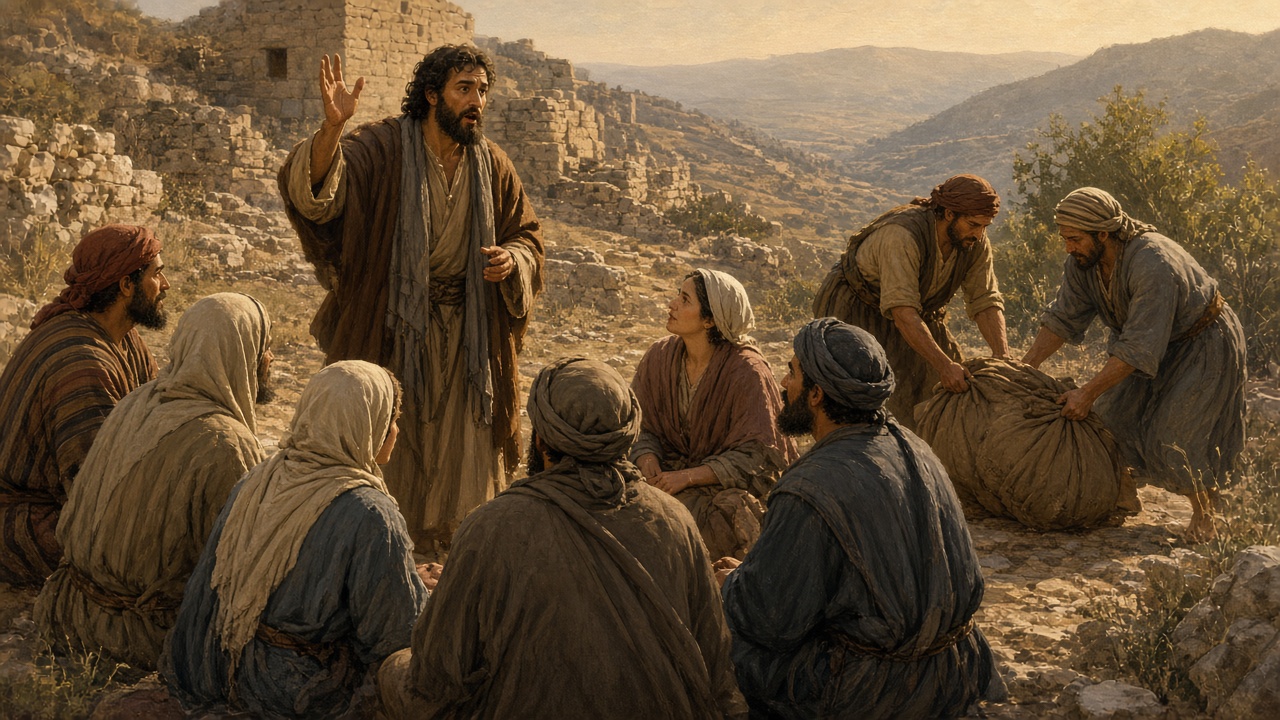
- The speaker identifies himself as Paul and warns that if those he addresses let themselves be circumcised, Christ will be of no value to them, and that every man who gets himself circumcised is obligated to obey the whole law. A biographical account says that Paul's circumcision-name was Saul, and that the name Paul was probably given to him in infancy for use in the Gentile world, while Saul would be his Hebrew home-name.Sources: the Bible text itself · Paul
- Freedom is set against a yoke of slavery: the chapter says Christ has set them free and tells them to stand firm and not be burdened again by that yoke. They were called to freedom, not as an opportunity for the flesh, but to serve one another in love, and the entire law is fulfilled in the single decree to love one's neighbor as oneself.Sources: the Bible text itself
- Walking by the Spirit is contrasted with gratifying the desires of the flesh, which are opposed to each other. If people are led by the Spirit, they are not under the law; the chapter lists the acts of the flesh and the fruit of the Spirit, and says that against such things there is no law.Sources: the Bible text itself
Notes written with AI assistance from open sources (Theographic Bible Metadata, CC BY-SA 4.0; Easton’s Bible Dictionary, public domain) and reviewed before publishing.
Credits and license for this translation
Abware̱se̱ŋ Wo̱re̱-ɔ
New Testament in Chumburung (GH:ncu:Chumburung)
copyright © 2010 Wycliffe Bible Translators, Inc.
Language: Chumburung
Translation by: Wycliffe Bible Translators, Inc.
Copyright Information
© 2010, Wycliffe Bible Translators, Inc. All rights reserved.
This translation text is made available to you under the
terms of the Creative Commons License: Attribution-Noncommercial-No Derivative Works.
( http://creativecommons.org/licenses/by-nc-nd/3.0/ )
In addition, you have permission to port the text to different file formats, as long as you
do not change any of the text or punctuation of the Bible.
You may share, copy, distribute, transmit, and extract portions
or quotations from this work, provided that you include the above copyright
information:
You must give Attribution to the work.
You do not sell this work for a profit.
You do not make any derivative works that change any of the actual words or punctuation of the Scriptures.
Permissions beyond the scope of this license may be
available if you contact
us with your request.
The New Testament
in Chumburung
© 2010, Wycliffe Bible Translators, Inc. All rights reserved.
This translation is made available to you under the terms of the
Creative Commons Attribution-Noncommercial-No Derivatives license 4.0.
You may share and redistribute this Bible translation or extracts from it in any format, provided that:
You include the above copyright and source information.
You do not sell this work for a profit.
You do not change any of the words or punctuation of the Scriptures.
Pictures included with Scriptures and other documents on this site are licensed just for use with those Scriptures and documents.
For other uses, please contact the respective copyright owners.
2025-05-16
Source: http://ebible.org/ncuNT/ · eBible.org