Ephesians 4
Abware̱se̱ŋ Wo̱re̱-ɔ · Tap a verse to see its cross-references.
Asɔre̱e̱ du ne̱e̱ fe̱yɛ Kristoo kayo̱wɔre̱‑ɔ
1Mo̱ ne̱ baa kperi kusuŋ ne̱ mo̱ e̱ waa mo̱ e̱ sa ane̱ nyaŋpe̱ Yeesuu‑o si tii mo̱‑ɔ e̱ ko̱re̱ mo̱ne̱ ne̱e̱ fe̱yɛ, Wuribware̱ a te̱e̱ mo̱ne̱ fe̱yɛ mo̱nꞌ kye̱na kakye̱na timaa‑o si‑o, mo̱nꞌ le̱ŋ e̱ye̱e̱ kye̱na ane̱ŋ. 2Mo̱nꞌ de̱e̱ baa mo̱ne̱ e̱ye̱e̱ kaase̱, na mo̱nꞌ bu atɔ, na mo̱nꞌ nya kanyite. Mo̱ne̱ a kpa abɛɛ ase̱ŋ‑ɔ se̱‑ɔ, mo̱nꞌ de̱e̱ nyite abɛɛ. 3Mo̱nꞌ le̱ŋ e̱ye̱e̱ sa a kaye̱e̱yuri ba mo̱ne̱ kakye̱na‑rɔ, na mo̱nꞌ nya waa kanɔ ko̱ŋko̱ ne̱ Wuribware̱ a kufwiiŋe timaa‑o a sa mo̱ne̱‑ɔ. 4A le̱e̱ fe̱yɛ kayo̱wɔre̱ ko̱ŋko̱ e̱ bo̱‑rɔ. Kamo̱ e̱ gye̱ asɔre̱e̱‑ɔ. Ne̱ Wuribware̱ a kufwiiŋe timaa‑o ko̱ŋko̱ mɔ kpeŋ e̱ bo̱‑rɔ. Ane̱ŋ dɛɛ ne̱ Wuribware̱ se̱ ne̱ ane̱ de te̱maa fe̱yɛ ane̱ e̱ yɔ‑ɔ gye̱ ɔko̱ŋko̱ ne̱e̱ kpeŋ. 5Nyaŋpe̱ ko̱ŋko̱ wo̱re̱ kpeŋ ne̱ ane̱ de. Atɔ ne̱ ane̱ e̱ kɔɔre̱ ane̱ i gyi‑o gye̱ ako̱ŋko̱ ne̱e̱. Asuu ne̱ baa bɔ ane̱‑ɔ gye̱ ako̱ŋko̱ ne̱e̱. 6Wuribware̱ gye̱ ɔko̱ŋko̱ kpeŋ ne̱e̱, ɔke̱maa mɔ mò̱ se̱ ne̱e̱. Ane̱ ne̱ o de ɔ waa mò̱ kusuŋ, ne̱ o te ane̱ ɔke̱maa mɔ kakpo̱nɔ‑rɔ.
7Amaa kanyiase̱ŋ ne̱ Wuribware̱ a bo̱ sa ane̱ ɔke̱maa‑ɔ kwe̱e̱ abɛɛ‑rɔ fe̱yɛ ane̱ŋ ne̱ Kristoo a ke‑ro bo̱ sa ane̱‑ɔ. 8Fe̱yɛ ane̱ŋ ne̱ baa kyo̱rɛɛ waa abware̱se̱ŋ wo̱re̱‑ɔ‑rɔ‑ɔ,
“Mò̱ a yɔ Wuribware̱ se̱ so̱so̱‑ɔ, ɔɔ taa ado̱ŋ ne̱ ɔɔ kra‑ɔ bo̱ yɔ.
Ne̱ ɔɔ sa ɔke̱maa na ke̱tɔ ne̱ o nyi e̱waa nɛɛnɛɛ‑ɔ.”
9Mbe̱yɔmɔ, “ɔɔ yɔ so̱so̱” mɔ kaase̱ e̱ gye̱ e̱me̱ne̱? Kaase̱ e̱ gye̱ fe̱yɛ pwɛɛ ne̱ ɔɔ dɛɛ yɔ so̱so̱‑ɔ, ɔɔ ba swe̱e̱re̱ na swe̱e̱re̱ kaase̱ gbaa. 10Amo̱se̱‑ɔ ɔko̱ ne̱ ɔɔ ba swe̱e̱re̱‑ɔ se̱ dɛɛ ya yɔ so̱so̱ so̱so̱ so̱so̱ awo̱re̱‑rɔ kamɛɛ yɔ Wuribware̱ se̱, na ɔ taare̱ yɔ ke̱bare̱ ke̱maa kaye̱‑rɔ pɛɛɛ. 11Mò̱ ya sa ane̱ ɔke̱maa mɔ na mò̱ kanyiase̱ŋ. Ɔɔ sa ne̱ bo̱ko̱ a kii mò̱ ayaa‑rɔ aye̱re̱po̱, bo̱ko̱ mɔ mò̱ akyaamɛɛ, bo̱ko̱ mɔ mò̱ ase̱ŋ timaa‑o atɔwe̱po̱, na bo̱ko̱ mɔ mò̱ asɔfo̱wɔ na akaapo̱po̱ ne̱ ba de̱e̱re̱ asɔre̱e̱ awuye si, na ba kaapo̱ bamo̱ atɔ‑ɔ. 12Ɔɔ waa amo̱‑ɔ ne̱e̱ bo̱ waa Wuribware̱ ase̱sɛ pɛɛɛ siraa, na bo̱ waa Kristoo awuye kusuŋ, na asɔre̱e̱ ne̱ a gye̱ Kristoo kayo̱wɔre̱‑ɔ nya daŋ ŋkpa na alaŋfiya‑ro. 13Mfaanɛɛ ne̱ ane̱ pɛɛɛ e̱ nya a ane̱ waa kanɔ ko̱ŋko̱ Wuribware̱ mò̱ gyi‑o ko̱kɔɔre̱gyi‑o‑ro. Na ane̱ be̱e̱ waa kanɔ ko̱ŋko̱ gyii mò̱. Na ane̱ kii ase̱sɛ ne̱ baa nya Kristoo ke̱yaale̱ŋ‑ɔ.
14Na ane̱ ma lɛɛ kii ŋyaagyi ne̱ ase̱sɛ de kaye̱ba ba pe̱nna bamo̱ kanyiase̱ŋ‑nɔ, ne̱ ba sa ne̱ bamo̱ mfɛɛre̱ e̱ yɔ mfe̱e̱, na m ba mfe̱e̱ fe̱yɛ ane̱ŋ ne̱ afwii e̱ da yɔ mfe̱e̱ na a ba mfe̱e̱, ne̱ a sa ne̱ alaŋkpare̱ e̱ da a yɔ ke̱bare̱ ke̱maa se̱. 15Amaa a tiri fe̱yɛ bo̱ ba ke̱kpa bo̱ kaapo̱ abɛɛ kase̱ŋtiŋ ase̱ŋ, na ane̱ nya daŋ, na ane̱ waa fe̱yɛ Kristoo ke̱tɔ ke̱maa‑rɔ. A le̱e̱ fe̱yɛ Kristoo du ne̱e̱ fe̱yɛ se̱sɛ kuŋu ne̱ ke̱ gye̱ mò̱ kayo̱wɔre̱ pɛɛɛ ke̱yaale̱ŋ‑ɔ. Se̱sɛ kayo̱wɔre̱ e̱kyakpa‑ɔ e̱ gye̱ ne̱ a de se̱sɛ kayo̱wɔre̱ to̱ŋ ke̱maa‑rɔ bo̱ kya abɛɛ se̱, ne̱ a sa se̱sɛ ke̱yaale̱ŋ. Kayo̱wɔre̱ to̱ŋ ke̱maa i de alaŋfiya, ne̱ se̱sɛ e̱ daŋ. Amo̱se̱‑ɔ Kristoo awuye ya kpa abɛɛ ase̱ŋ ba ke̱kpa bo̱ waa bamo̱ ɔke̱maa kusuŋ, ba daŋ, na bo̱ waa fe̱yɛ Kristoo‑o dɛɛ.
Mo̱nꞌ le̱e̱ mo̱ne̱ e̱kpa de̱daa‑rɔ, na mo̱nꞌ kii ase̱sɛ po̱pwɛɛ
17Amo̱se̱‑ɔ, n de ane̱ nyaŋpe̱ Yeesuu ke̱nyare̱‑ɔ mo̱ e̱ ko̱re̱ mo̱ne̱ fe̱yɛ mo̱ne̱ ma lɛɛ sa a mo̱ne̱ kakye̱na‑rɔ waa fe̱yɛ ane̱ŋ ne̱ bamo̱ ne̱ bo̱ maa suŋ Wuribware̱ a kamo̱‑ɔ du‑o. Mfaanɛɛ a ase̱sɛ‑ɔ mo̱ŋ de mfɛɛre̱. 18Ne̱ bo̱ be̱e̱ bo̱ maa nu Wuribware̱ a ase̱sɛ a kakye̱na‑ɔ‑rɔ kaase̱. Amo̱se̱‑ɔ bamo̱ kakye̱na‑rɔ mo̱ŋ du fe̱yɛ Wuribware̱ a ase̱sɛ‑ɔ lee‑o. Ke̱tɔ se̱ ne̱ bo̱ maa nu kaase̱‑ɔ e̱ gye̱ fe̱yɛ bamo̱ aŋu‑ro bo̱ le̱ŋ. Ne̱ bo̱ mo̱ŋ lɛɛ bo̱ de ipeere. Ne̱ bo̱ de daa bɔye̱ fe̱yɛ kakye̱e̱kpa na kanyare̱kpa na kipurima na kayu‑ana‑ɔ, na bo̱ maa taare̱ a bo̱ yɔwe̱.
20Amaa ŋ nyi fe̱yɛ mo̱ne̱ fe̱raa mo̱ne̱ mo̱ŋ suye amo̱‑ɔ ko̱ko̱ le̱e̱ Kristoo ase̱, saŋ ne̱ mo̱ne̱ a nu mò̱ ase̱ŋ, ne̱ mo̱ne̱ a le̱e̱ ke̱gya mò̱ se̱‑ɔ, ne̱ baa kaapo̱ mo̱ne̱ mò̱ kase̱ŋtiŋ ase̱ŋ‑ɔ. 22Ke̱tɔ ne̱ mo̱ne̱ a nu‑o e̱ gye̱ fe̱yɛ mo̱nꞌ yɔwe̱ mo̱ne̱ kakye̱na de̱daa‑ɔ na ke̱nare̱gyi bɔye̱‑ɔ, a le̱e̱ fe̱yɛ kayo̱rɔwe̱ bɔye̱ maa lɔŋŋɔ mo̱ne̱ ŋkpo̱nɔ‑rɔ. 23Na mo̱nꞌ sa a Wuribware̱ sa mo̱ne̱ mfɛɛre̱ po̱pwɛɛ, na mo̱nꞌ kii ase̱sɛ po̱pwɛɛ ne̱ bamo̱ ŋkpo̱nɔ‑rɔ a fwiiri, ne̱ ba waa itimaa kase̱ŋtiŋ si fe̱yɛ Wuribware̱‑ɔ.
25Amo̱se̱‑ɔ ɔke̱maa yɔwe̱ mò̱ bɛɛko̱ ke̱pe̱nna, na mo̱nꞌ de̱e̱ gyi abɛɛ kase̱ŋtiŋ, a le̱e̱ fe̱yɛ ane̱ pɛɛɛ gye̱ asɔre̱e̱ ko̱ŋko̱ ase̱sɛ ne̱e̱. 26Mo̱ne̱ iduŋ ya fwii gbaa ooo, mo̱ne̱ ma waa bɔye̱. Amaa mo̱nꞌ sa a mo̱ne̱ iduŋ yuri pwɛɛ na kyɔwe̱ dɛɛ twɛɛ. 27N gye̱ ane̱ŋ, mo̱ne̱ e̱ sa Ɔbɔnsam kpa na o lwee mo̱ne̱ ŋkpo̱nɔ‑rɔ. 28Ɔko̱ ne̱ mò̱ e̱ gye̱ oyu, ɔ yɔwe̱ mò̱ kayu‑o, na ɔ le̱e̱ ba mò̱ asare̱e̱ bo̱ waa kusuŋ timaa ne̱ ki de kase̱ŋtiŋ‑o. Na mò̱ atanne̱ ne̱ ɔ nya‑ɔ‑rɔ, ɔ nya taare̱ lee amo̱‑rɔ ako̱ bo̱ sa atiripo̱.
29Mo̱ne̱ ma lɛɛ sa a ase̱ŋkpare̱gyi bɔye̱ le̱e̱ mo̱ne̱ nnɔ‑rɔ. Amaa ke̱tɔ ne̱ mo̱nꞌ waa‑ɔ e̱ gye̱ fe̱yɛ mo̱nꞌ tɔwe̱ ase̱ŋ kpe̱yaa ne̱ a kya mo̱ne̱ bɛɛko̱‑ana‑rɔ, ne̱ a bware bo̱ sa ke̱tɔ ne̱ mo̱ne̱ e̱ tɔwe̱ ke̱mo̱ ase̱ŋ saŋ amo̱‑ɔ. Na ke̱tɔ‑ɔ nya waa ŋyure bo̱ sa ɔke̱maa ne̱ o nu‑o. 30Mo̱ne̱ ma sa a Wuribware̱ a kufwiiŋe timaa‑o kame‑ro nye̱ra, a le̱e̱ fe̱yɛ kufwiiŋe ne̱ Wuribware̱ a bo̱ dɔŋŋɔ mo̱ne̱ se̱ bo̱ kaapo̱ fe̱yɛ mo̱ne̱ gye̱ mò̱ ase̱sɛ. A du ne̱e̱ fe̱yɛ se̱sɛ a sɔɔ atɔ, ne̱ ɔ nywɛɛ amo̱, na ɔke̱maa nya ŋu fe̱yɛ mò̱ e̱ bo̱‑ɔ, na ɔ yɔwe̱ bo̱ be̱ya bo̱ fo̱ saŋ ne̱ ɔ be̱e̱ ba a ɔ bo̱ kɔɔre̱ amo̱‑ɔ. 31Mo̱ne̱ ma lɛɛ waa nyaŋnyaŋ na kaduŋfwii, na mo̱ne̱ ma lɛɛ da atɔ me̱naŋ me̱naŋ, na mo̱ne̱ ma lɛɛ kpa e̱kɔ, na mo̱ne̱ ma lɛɛ kyii ase̱sɛ, ŋkee mo̱ne̱ ma lɛɛ kisi ase̱sɛ. 32Ke̱tɔ ne̱ mo̱nꞌ waa‑ɔ e̱ gye̱ fe̱yɛ mo̱nꞌ de̱e̱ su abɛɛ se̱, na mo̱nꞌ taa e̱bɔye̱ bo̱ ke abɛɛ fe̱yɛ ane̱ŋ ne̱ Wuribware̱ a ba Kristoo lowi bo̱ taa mo̱ne̱ e̱bɔye̱ bo̱ ke mo̱ne̱‑ɔ.
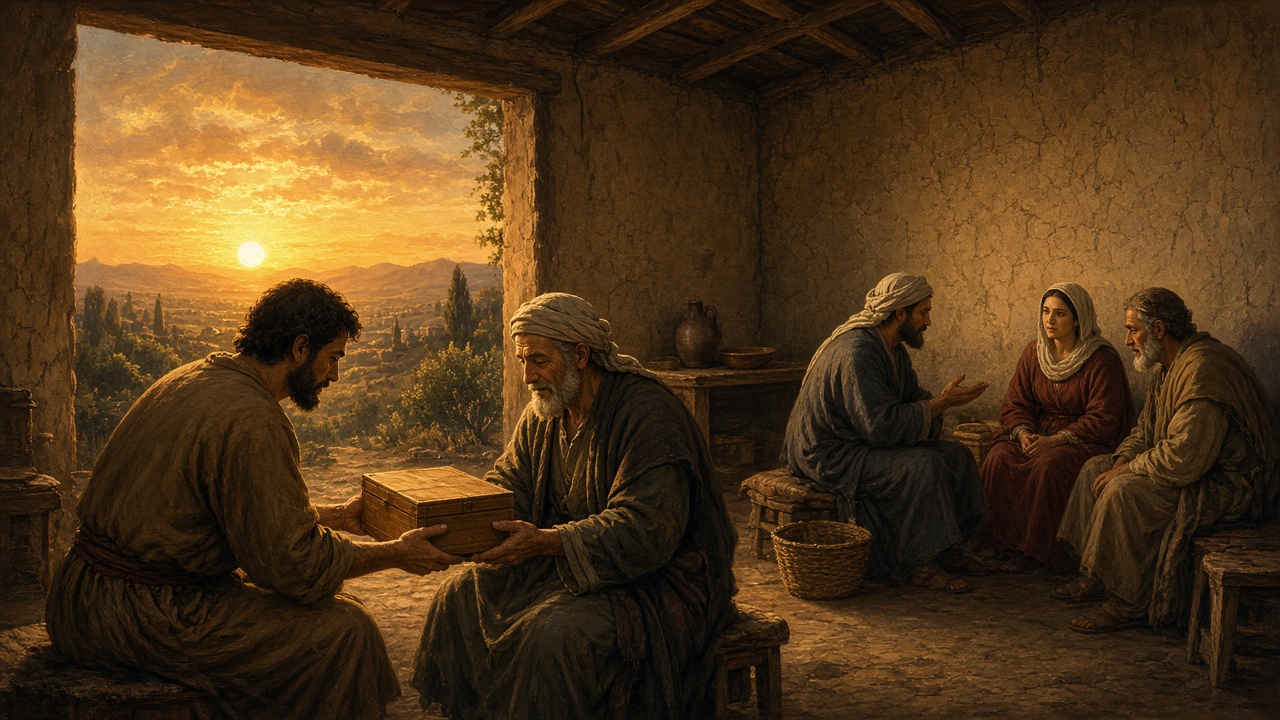
Did you know?
One Body and a Worthy Life
- The chapter opens with the writer calling himself a prisoner in the Lord and urging the readers to walk in a manner worthy of the calling they have received, with humility, gentleness, patience, and diligence to preserve the unity of the Spirit through the bond of peace.Sources: the Bible text itself
- That appeal rests on shared realities named in the chapter: one body, one Spirit, one hope, one Lord, one faith, one baptism, and one God and Father of all, who is over all and through all and in all. The same passage says that the one who ascended gave some to be apostles, some prophets, some evangelists, and some pastors and teachers, to equip the saints and build up the body.Sources: the Bible text itself
- The chapter then pictures a changed life as putting off the former way of life, the old self, and putting on the new self. It tells the readers to put away falsehood and speak truthfully, since they are members of one another; to be angry without sinning and not to let the sun set on their anger; and not to grieve the Holy Spirit of God, in whom they were sealed for the day of redemption.Sources: the Bible text itself
Notes written with AI assistance from open sources (Theographic Bible Metadata, CC BY-SA 4.0; Easton’s Bible Dictionary, public domain) and reviewed before publishing.
Credits and license for this translation
Abware̱se̱ŋ Wo̱re̱-ɔ
New Testament in Chumburung (GH:ncu:Chumburung)
copyright © 2010 Wycliffe Bible Translators, Inc.
Language: Chumburung
Translation by: Wycliffe Bible Translators, Inc.
Copyright Information
© 2010, Wycliffe Bible Translators, Inc. All rights reserved.
This translation text is made available to you under the
terms of the Creative Commons License: Attribution-Noncommercial-No Derivative Works.
( http://creativecommons.org/licenses/by-nc-nd/3.0/ )
In addition, you have permission to port the text to different file formats, as long as you
do not change any of the text or punctuation of the Bible.
You may share, copy, distribute, transmit, and extract portions
or quotations from this work, provided that you include the above copyright
information:
You must give Attribution to the work.
You do not sell this work for a profit.
You do not make any derivative works that change any of the actual words or punctuation of the Scriptures.
Permissions beyond the scope of this license may be
available if you contact
us with your request.
The New Testament
in Chumburung
© 2010, Wycliffe Bible Translators, Inc. All rights reserved.
This translation is made available to you under the terms of the
Creative Commons Attribution-Noncommercial-No Derivatives license 4.0.
You may share and redistribute this Bible translation or extracts from it in any format, provided that:
You include the above copyright and source information.
You do not sell this work for a profit.
You do not change any of the words or punctuation of the Scriptures.
Pictures included with Scriptures and other documents on this site are licensed just for use with those Scriptures and documents.
For other uses, please contact the respective copyright owners.
2025-05-16
Source: http://ebible.org/ncuNT/ · eBible.org