Acts 7
Abware̱se̱ŋ Wo̱re̱-ɔ · Tap a verse to see its cross-references.
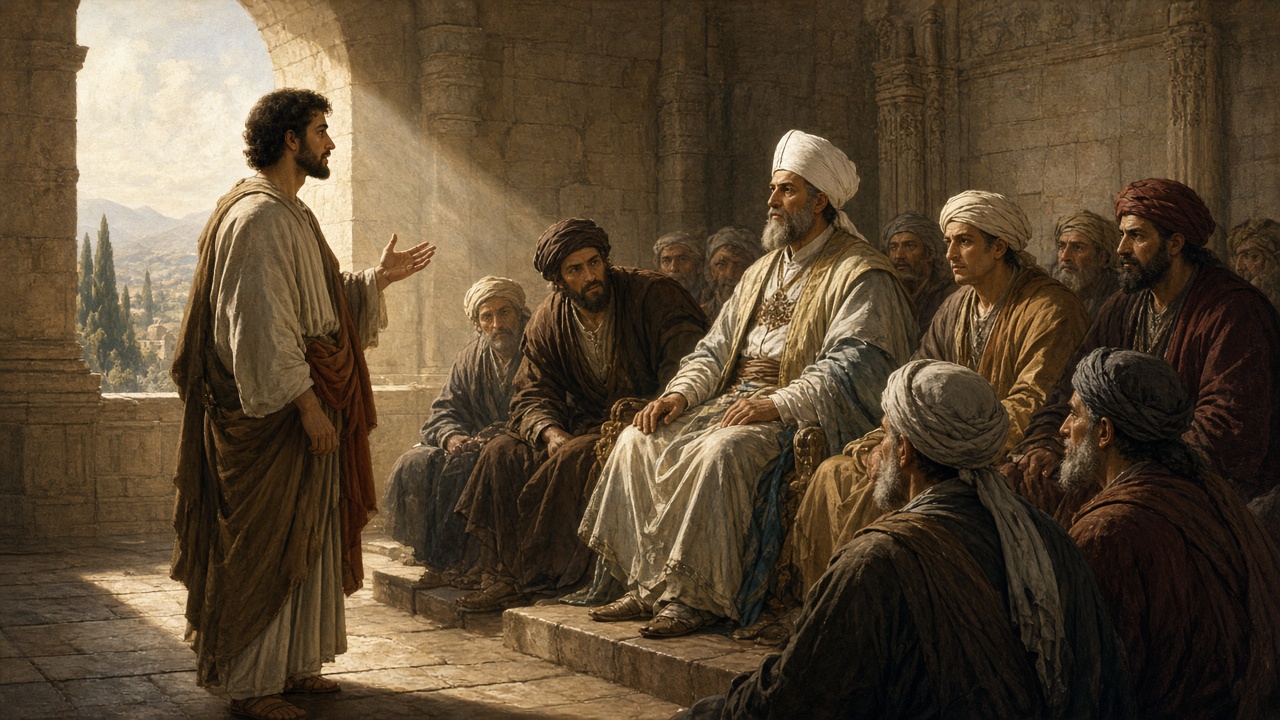
Se̱ŋsa ne̱ Stifaŋ a sa se̱ŋgyikpa‑ɔ
1Ne̱ Wuribware̱ ɔlɔŋŋɔpo̱ bre̱sɛ‑ɔ a bise Stifaŋ ɛ, “Ke̱tɔ ne̱ ba po̱rɔ fo̱ ke̱mo̱ se̱‑ɔ gye̱ kase̱ŋtiŋ aaa?” 2Ne̱ ɔɔ be̱ŋŋaa fe̱yɛ, “N se̱‑ana na n daa‑ana na n tire‑ana, mo̱nꞌ nu mo̱ ase̱! Pwɛɛ ne̱ ane̱ nana Abraham a dɛɛ tu ya kye̱na Haraŋ maŋ‑nɔ‑ɔ, Wuribware̱, owure dabe̱‑ɔ, a lee mò̱ e̱ye̱e̱ bo̱ kaapo̱ mò̱ Mesopotamiya swe̱e̱re̱ se̱ mfe̱ŋ ne̱ Kalade̱ya awuye te‑o. 3Ne̱ ɔɔ tɔwe̱ gywii mò̱ fe̱yɛ,
‘Le̱e̱ swe̱e̱re̱ mɔ se̱ na fo̱ yɔwe̱ fo̱ ako̱we̱bɛɛ
na fo̱ yɔ swe̱e̱re̱ ne̱ mo̱ e̱ kaapo̱ fo̱‑ɔ se̱.’
4Amo̱se̱‑ɔ, ne̱ ɔɔ le̱e̱ mò̱ swe̱e̱re̱‑ɔ se̱ ya kye̱na Haraŋ. Abraham mò̱ se̱ lowi kamɛɛ, ne̱ Wuribware̱ a sa ne̱ Abraham a be̱e̱ tu bo̱ kye̱na swe̱e̱re̱ mɔ mfe̱e̱ ne̱ mo̱ne̱ te mò̱ se̱‑ɔ. 5Saŋ‑ɔ, Wuribware̱ mo̱ŋ tɛɛ taa hare̱e̱ swe̱e̱re̱‑ɔ kabe̱gyɛɛ gbaa sa Abraham, amaa ɔɔ tɔwe̱ bo̱ be̱ya fe̱yɛ ɔ saŋ ɔ taa a ɔ bo̱ sa mò̱ aa mò̱ ananagyi. Saŋ ne̱ Wuribware̱ a tɔwe̱ ase̱ŋ mɔ‑ɔ, na Abraham mo̱ŋ de agyi. 6Ke̱tɔ ne̱ Wuribware̱ a tɔwe̱ gywii mò̱‑ɔ e̱ gye̱ fe̱yɛ,
‘Fo̱ ananagyi e̱ ba a bo̱ bo̱ kii afɔ swe̱e̱re̱ baŋbaŋ ko̱ se̱,
na bo̱ waa mfe̱ŋ awuye‑o anya kusuŋ,
na bo̱ waa bamo̱ bo̱rɔkraa nsu alafa ana.
7Amaa mo̱ i gyiiri bamo̱ anyaŋpe̱‑ɔ ke̱se̱bɔ,
na ke̱mo̱ kamɛɛ‑rɔ na n lee bamo̱ le̱e̱ swe̱e̱re̱ amo̱ se̱,
na bo̱ bo̱ suŋ mo̱ mfe̱e̱.’
8Amo̱ kamɛɛ‑rɔ ne̱ Wuribware̱ a tɔwe̱ gywii Abraham fe̱yɛ saŋ ke̱maa ne̱ mò̱ aa mò̱ ananagyi ya ko̱we̱ gyi nyaŋsɛ, ne̱ mò̱ ya gyi ŋke mburuwa‑o, bo̱ te̱ŋ mò̱ ko̱twe̱e̱tu. Ɔ yɛ ɔ waa ane̱ŋ na a kaapo̱ fe̱yɛ Wuribware̱ a waa e̱taŋ sa mò̱ aa mò̱ ananagyi. Amo̱se̱‑ɔ, Abraham a ko̱we̱ mò̱ gyi Isak, ne̱ oo gyi ŋke mburuwa‑o, ne̱ ɔɔ te̱ŋ mò̱ ko̱twe̱e̱tu, ne̱ Isak mɔ a te̱ŋ mò̱ gyi Yakubu lee, ne̱ Yakubu mɔ a te̱ŋ mò̱ agyi kudu anyɔ ne̱ bo̱ gye̱ ane̱ nana‑ana‑ɔ lee.
9Yakubu mò̱ gyi‑ana a bo̱ waa ayaafɔre̱‑ɔ, ne̱ baa kisi bamo̱ tire Yo̱sɛf, ne̱ baa fe mò̱ sa akpakyo̱ŋpo̱ ko̱, ne̱ bamo̱‑ɔ a fe mò̱ sa Igyipiti awuye ko̱, ne̱ bamo̱‑ɔ baa ba mò̱ bo̱ kii ke̱nya. Amaa Wuribware̱ a gya mò̱ kamɛɛ. 10Ne̱ oo lee mò̱ le̱e̱ ase̱ŋ‑nɔ. Saŋ ne̱ baa te̱e̱ mò̱ Igyipiti owure akatɔ‑rɔ‑ɔ, Wuribware̱ a sa ne̱ owure‑o akatɔ a gyi mò̱ se̱, ne̱ ɔɔ sa ne̱ owure‑o a pini Yo̱sɛf kanyiase̱ŋ, ne̱ ɔɔ waa Yo̱sɛf mò̱ lɔŋ‑nɔ ayaafɔre̱‑ɔ pɛɛɛ bre̱sɛ na Igyipiti swe̱e̱re̱ pɛɛɛ odikuroo.
11Ne̱ ako̱ŋ a ba Igyipiti na Kanaŋ e̱swe̱e̱re̱ se̱, ne̱ baa ŋu ase̱ŋ bwe̱e̱tɔ. Ne̱ ane̱ ade̱daapo̱‑ɔ a kpa ateese kpo̱ne̱. 12Saŋ ne̱ bamo̱ se̱ Yakubu a nu fe̱yɛ abwaye bo̱ Igyipiti‑o, ne̱ oo suŋ mò̱ gyi‑ana, ane̱ ade̱daapo̱‑ɔ, ne̱ baa yɔ mfe̱ŋ ke̱gye̱ŋkpɛɛsɛ, ne̱ baa ya nya abwaye. 13Bamo̱ a yɔ mfe̱ŋ nyɔse̱po̱‑ɔ, ne̱ bamo̱ tire Yo̱sɛf a lee mò̱ e̱ye̱e̱ bo̱ kaapo̱ bamo̱ fe̱yɛ bamo̱ tire e̱ gye̱ mò̱, ne̱ Igyipiti owure mɔ a pini saŋ amo̱ fe̱yɛ Yo̱sɛf ako̱we̱bɛɛ ne̱e̱. 14Amo̱se̱‑ɔ ne̱ Yo̱sɛf a kra bo̱ kyo̱ŋwe̱ mò̱ se̱ Yakubu fe̱yɛ ɔ taa mò̱ ko̱we̱bɛɛ‑ana pɛɛɛ, na bo̱ ba Igyipiti mò̱ ase̱ mfe̱ŋ. Bamo̱ pɛɛɛ bo̱ ase̱sɛ adusunoo na anuu. 15Ne̱ Yakubu‑ana a ya kye̱na Igyipiti mfe̱ŋ ane̱ŋ‑aaa, ne̱ bamo̱ pɛɛɛ a bo̱ wu. 16Amo̱‑ɔ kamɛɛ‑rɔ, ne̱ baa taa bamo̱ abowii yaa Yakubu aye̱ Sikim mfe̱ŋ ne̱ ɔ dɛɛ o te‑o, ne̱ baa taa yaa bo̱ pure purekpa ne̱ Abraham a sɔɔ le̱e̱ Hamɔɔ mò̱ gyi‑ana ase̱‑ɔ. 17Ane̱ ade̱daapo̱ a kye̱na Igyipiti swe̱e̱re̱ se̱ mfe̱ŋ ane̱ŋ‑aaa, ne̱ baa waa ko̱kyɔ bwe̱e̱tɔ. Ne̱ ŋkee saŋ a fo̱ fe̱yɛ Wuribware̱ lee mò̱ ase̱sɛ le̱e̱ swe̱e̱re̱ amo̱ se̱, fe̱yɛ ane̱ŋ ne̱ ɔɔ kyɔ tɔwe̱ gywii Abraham bo̱ be̱ya‑ɔ. 18Amo̱ lalalo̱we̱‑ɔ, ne̱ mò̱ ne̱ ɔ mo̱ŋ nyi Yo̱sɛf ase̱ŋ‑ɔ a bo̱ gyi kuwure. 19Ne̱ ɔɔ sa ne̱ baa kii mò̱ anya. Ne̱ ɔɔ pe̱nna bamo̱, ne̱ ɔɔ waa bamo̱ bo̱rɔkraa, ne̱ ɔɔ le̱ŋ bamo̱ fe̱yɛ bamo̱ ɔke̱maa ne̱ mò̱ ya ko̱we̱ gyi nyaŋsɛ‑ɔ, ɔ taa mò̱ yaa bo̱ twe̱e̱ na o wu, na bamo̱ ase̱sɛ ma lɛɛ nya waa ko̱kyɔ.
20Saŋ mɔ‑rɔ, ne̱ baa ko̱we̱ Mosis, kayaagyi po̱pwɛɛ dame̱naŋsɛ. Aferi asa ne̱ baa be̱ra mò̱ lɔŋ‑nɔ. 21Bamo̱ a lee mò̱ le̱e̱ lɔŋ‑nɔ taa yaa bo̱ kwe̱e̱rɔ owure‑o si‑o, ne̱ owure kagyikye̱e̱sɛɛ a ya ŋu mò̱ taa mò̱ yaa be̱ra fe̱yɛ mò̱ fɔŋfɔŋ mò̱ gyi‑o. 22Ne̱ baa kaapo̱ mò̱ bamo̱ Igyipiti awuye kanyiase̱ŋ, ne̱ oo kii se̱sɛ dabe̱ mò̱ se̱ŋsa na asuŋ waasɛ‑rɔ.
23Saŋ ne̱ Mosis a gyi nsu aduna‑ɔ, ne̱ ɔɔ waa mò̱ mfɛɛre̱ fe̱yɛ ɔ ya ke̱e̱ ane̱ŋ ne̱ ba waa mò̱ aye̱ awuye, Isireelii awuye‑o. 24Ne̱ ɔɔ ya to̱ fe̱yɛ Igyipitinyi ko̱ e̱ waa Isireeliinyi ko̱ bo̱rɔkraa. Mò̱ a yɔ mfe̱ŋ a ɔ ya kya mò̱ aye̱po̱‑rɔ‑ɔ, ne̱ ɔɔ mɔɔ Igyipitinyi‑o bo̱ gyiiri mò̱ ke̱se̱bɔ. 25Ɔɔ fa ne̱e̱ fe̱yɛ mò̱ aye̱ awuye‑o i nu kaase̱ fe̱yɛ Wuribware̱ e̱ ba mò̱ ne̱e̱ a ɔ bo̱ kɔɔre̱ bamo̱ na bo̱ nya bamo̱ e̱ye̱e̱, amaa bo̱ mo̱ŋ nu kaase̱ ane̱ŋ. 26Ke̱mo̱ kaye̱ ŋke‑o, ne̱ ɔɔ be̱e̱ ya ŋu fe̱yɛ Isireelii awuye anyɔ wo̱re̱ wo̱re̱ e̱ kɔ, ne̱ ɔɔ ya to̱rɔwe̱ bamo̱ a ɔ lɔŋŋɔ bamo̱ mbo̱ŋtɔ‑rɔ. Mfe̱ŋ ne̱ ɔ yɛ, ‘E̱me̱ne̱ ne̱e̱ ne̱ fo̱ aa fo̱ ko̱we̱bɛɛ Heebriinyi e̱ kɔ?’ 27Amaa mò̱ ne̱ ɔ waa mò̱ bɛɛko̱ bo̱rɔkraa‑ɔ a neŋ Mosis ne̱e̱ le̱e̱ keri si, ne̱ ɔ yɛ, ‘Nsɛ ya ba fo̱ bo̱ waa ane̱ ɔde̱e̱re̱se̱po̱ na ɔse̱ŋgyipo̱? 28Fo̱ e̱ kpa fe̱yɛ fo̱ mɔɔ mo̱ fe̱yɛ ndee ane̱ŋ ne̱ fo̱ a mɔɔ Igyipitinyi‑o ne̱e̱ e̱e̱e̱?’ 29Mosis a de̱ŋ nu ane̱ŋ‑ɔ, ne̱ ɔɔ se̱re̱ le̱e̱ Igyipiti swe̱e̱re̱ se̱ ya kye̱na Midiyaŋ swe̱e̱re̱ se̱. Mfe̱ŋ ne̱ ɔɔ ko̱we̱ agyi anyɔ.
30Nsu aduna kamɛɛ‑rɔ, ne̱ Wuribware̱ kabɔɔ ko̱ a lee mò̱ e̱ye̱e̱ kiyii ko̱ ne̱ ke̱ e̱ kywɛɛ kimukee‑ro‑o‑ro, me̱raa Sinaa ke̱be̱e̱‑ɔ bo̱ kaapo̱ Mosis. 31Mosis a ŋu ane̱ŋ‑ɔ, ne̱ mò̱ e̱ye̱e̱ a kpe̱ŋ mò̱, ne̱ ɔɔ sɔŋ tɔ kiyii‑o‑ro, na ɔ nya ŋu ane̱ŋ ne̱ ke̱ e̱ kywɛɛ‑ɔ nɛɛnɛɛ. Ne̱ oo nu Wuribware̱ bo̱re̱ a tɔwe̱ fe̱yɛ, 32‘Mo̱ e̱ gye̱ Wuribware̱, nyaŋpe̱ ne̱ fo̱ nana‑ana Abraham na Isak na Yakubu i suŋ‑o.’ Ne̱ kufu a nya Mosis, ne̱ ɔɔ yo̱ŋ, ŋkee ɔ maa lɛɛ taare̱ a ɔ de̱e̱re̱ kiyii ne̱ ke̱ e̱ kywɛɛ‑ɔ. 33Ne̱ Wuribware̱ a tɔwe̱ gywii mò̱ fe̱yɛ, ‘Ye̱re̱ mfe̱ŋ. Lee fo̱ ase̱be̱ta‑ɔ. Mfe̱ŋ ne̱ fo̱ ye̱re̱‑ɔ gye̱ swe̱e̱re̱ kpe̱yaa ne̱e̱. 34Kase̱ŋtiŋ, mo̱ a ŋu awo̱re̱fɔɔ ne̱ mo̱ ase̱sɛ‑ɔ i gyi Igyipiti swe̱e̱re̱ se̱‑ɔ. Mo̱ a nu bamo̱ kusu bo̱ le̱e̱ ane̱ŋ ne̱ bamo̱ anya ade̱e̱re̱se̱po̱‑ɔ e̱ waa bamo̱‑ɔ se̱. Amo̱se̱‑ɔ mo̱ a ba a m bo̱ kɔɔre̱ bamo̱ le̱e̱ Igyipiti awuye ke̱sare̱e̱‑rɔ, Amo̱se̱‑ɔ waa me̱naŋ, nare̱, mo̱ i suŋ fo̱ a m be̱e̱ bo̱ kyo̱ŋwe̱ Igyipiti swe̱e̱re̱ se̱.’
35Amo̱se̱‑ɔ Mosis mɔ ne̱ Isireelii awuye‑o a kine, ne̱ baa tɔwe̱ gywii mò̱ fe̱yɛ, ‘Nsɛ ya waa fo̱ ane̱ ɔgye̱ŋkpɛɛpo̱ na ɔse̱ŋgyipo̱?’ ne̱ Wuribware̱ a lee fe̱yɛ mò̱ e̱ gye̱ bamo̱ ɔgye̱ŋkpɛɛpo̱ na ɔmo̱rɔwe̱po̱‑ɔ. Ne̱ Wuribware̱ a suŋ mò̱ mbɔɔ‑ɔ ɔko̱ ne̱ ɔɔ le̱e̱ mò̱ se̱ kiyii ne̱ ke̱ e̱ kywɛɛ‑ɔ se̱. 36Mosis mɔ dɛɛ ya waa afutɔ na akpe̱ŋe̱ye̱e̱tɔ Igyipiti swe̱e̱re̱ se̱, ne̱ oo lee Isireelii awuye‑o le̱e̱ mfe̱ŋ yaa kimukee‑ro. Ne̱ ɔɔ be̱e̱ waa afutɔ na akpe̱ŋe̱ye̱e̱tɔ Ɔpo̱o̱ Pipee‑o‑ro na kimukee‑ro mfe̱ŋ nsu aduna. 37Mosis mɔ dɛɛ ya tɔwe̱ gywii Isireelii awuye fe̱yɛ, ‘Wuribware̱ i lee se̱sɛ ko̱ a ɔ le̱e̱ mo̱ne̱ ako̱we̱bɛɛ‑rɔ, se̱sɛ ne̱ o du fe̱yɛ mo̱ Mosis‑o, fe̱yɛ ɔ waa mò̱ kyaamɛɛ sa mo̱ne̱.’ 38Mosis dɛɛ na Isireelii awuye ya kpɔwe̱ gyaŋŋe̱ kimukee‑o‑ro. Mosis wo̱re̱ ne̱ ane̱ ade̱daapo̱ a taare̱ bo̱rɔ se̱ sa se̱ŋsa gywii Wuribware̱ kabɔɔ ne̱ ɔɔ le̱e̱ mò̱ se̱ Sinaa ke̱be̱e̱‑ɔ se̱‑ɔ. Mosis mɔ dɛɛ ne̱ Wuribware̱ a be̱e̱ bo̱rɔ se̱ tɔwe̱ ase̱ŋ ne̱ a sa ŋkpa‑ɔ gywii ane̱ ade̱daapo̱ na ane̱.
39Amaa ane̱ ade̱daapo̱‑ɔ a kine, bo̱ mo̱ŋ bu mò̱, ne̱ baa lee mò̱ keri si, ne̱ baa yo̱rɔwe̱ fe̱yɛ bo̱ kiŋŋi yɔ Igyipiti. 40Saŋ ne̱ Mosis a be̱e̱ yɔ ke̱be̱e̱‑ɔ so̱so̱‑ɔ, ne̱ baa tɔwe̱ gywii Mosis mò̱ daa Aarɔŋ fe̱yɛ, ‘Ko̱so̱, waa kisi sa ane̱ na ke̱ gye̱ ane̱ ŋkpɛɛ. Ɔnyare̱ Mosis mɔ ne̱ ɔɔ taa ane̱ bo̱ le̱e̱ Igyipiti swe̱e̱re̱ se̱‑ɔ fe̱raa, ane̱ mo̱ŋ nyi ke̱tɔ ne̱ ke̱ ya waa mò̱‑ɔ.’ 41Saŋ amo̱ ne̱ baa pwɛɛ bamo̱ kisi ko̱ fe̱yɛ kakpe̱ŋnyare̱e̱‑ɔ, ne̱ baa mɔɔ mbo̱ we̱e̱ se̱, ne̱ baa gyi ateese nuu nta, ne̱ baa kyaa bo̱ gyi akatɔ sa bamo̱ kisi amo̱ ne̱ baa waa‑ɔ. 42Amo̱‑ɔ se̱‑ɔ ne̱ Wuribware̱ a yɔwe̱ bamo̱ ase̱ŋ sa bamo̱. Ne̱ baa suŋ akye̱e̱‑e̱‑kpa‑agyi na kiferi na kyɔwe̱ kyo̱ŋ Wuribware̱. Fe̱yɛ ane̱ŋ ne̱ Wuribware̱ akyaamɛɛ‑ɔ ɔko̱ a kyo̱rɛɛ‑ɔ,
‘Isireelii awuye, saŋ ne̱ mo̱ne̱ a kaa kimukee‑o‑ro nsu aduna‑ɔ,
n gye̱ mo̱, Wuribware̱, ne̱ mo̱ne̱ a mɔɔ mbo̱ bo̱ lɔŋŋɔ.
43Kisi Mɔlɔk suŋkpa ne̱ mo̱ne̱ a so̱rɔ,
na kisi Rifaŋ ne̱ ku du fe̱yɛ ke̱kye̱e̱‑e̱‑kpa‑agyi
ne̱ mo̱ne̱ fɔŋfɔŋ a ba mo̱ne̱ asare̱e̱ bo̱ waa‑ɔ,
ne̱ mo̱ne̱ a suŋ.
Amo̱se̱‑ɔ mo̱ e̱ gya mo̱ne̱ a ŋ yaa anya kusuŋ‑no
swe̱e̱re̱ ne̱ ɔ bo̱ Babilɔŋ maŋ kamɛɛ ke̱fɔ ke̱fɔ‑ɔ se̱.’
44Wuribware̱ ya kaapo̱ Mosis ane̱ŋ ne̱ ɔ waa Wuribware̱ kye̱nakpa, mfe̱ŋ ne̱ e̱taŋ a ke̱dakaa‑ɔ ye̱re̱‑rɔ‑ɔ. Ɔ yɛ ɔ waa mò̱ fe̱yɛ taŋte̱e̱ ke̱kyaŋ na bo̱ taare̱ so̱rɔ mò̱ to̱ŋ ke̱maa na ɔ gye̱ bamo̱ ke̱gye̱ŋkpɛɛ kimukee‑o‑ro‑o. 45Saŋ ne̱ Mosis a wu‑o, ɔgye̱ŋkpɛɛpo̱ ne̱ ɔ gya se̱ ɔnyɔse̱po̱‑ɔ, mò̱ e̱ gye̱ Yosuwa. Yosuwa mɔ a gye̱ bamo̱ ke̱gye̱ŋkpɛɛ yaa bamo̱ swe̱e̱re̱ po̱pwɛɛ se̱, ne̱ Wuribware̱ a kɔ gyi ase̱sɛ ne̱ bo̱ kyɔ bo̱ te mfe̱ŋ‑ɔ se̱, mɔɔ bamo̱ kpuri. Saŋ ke̱maa mɔ ne̱ ane̱ ade̱daapo̱ naa‑ɔ, bo̱ so̱ taŋte̱e̱ ke̱kyaŋ amo̱. Ne̱ kaa sii swe̱e̱re̱ amo̱ se̱ ane̱ŋ‑aaa bo̱ fo̱ Owure Deefid a mbe̱e̱‑ɔ se̱. 46Wuribware̱ a kpa Deefid ase̱ŋ, ne̱ oo yure mò̱. Ne̱ Deefid a ko̱re̱ mò̱ fe̱yɛ ɔ sa a ɔ pwɛɛ kye̱nakpa ne̱ ba ba a bo̱ bo̱ te̱e̱ mò̱ ɛ ‘Suŋkpa ne̱ Yakubu nyaŋpe̱ Wuribware̱ te mò̱‑rɔ‑ɔ.’ 47Amaa Wuribware̱ mo̱ŋ sure si ane̱ŋ. Amɔ Solomɔŋ, Deefid mò̱ gyi‑o, ya bo̱ pwɛɛ suŋkpa sa Wuribware̱.
48Amaa Nyiŋkpe̱ŋ-kyo̱ŋ-atɔ‑pɛɛɛ-Bware̱ mo̱ŋ te lɔŋ ne̱ se̱sɛ a pwɛɛ‑ɔ‑rɔ. Fe̱yɛ ane̱ŋ ne̱ Wuribware̱ a akyaamɛɛ‑ɔ ɔko̱ a tɔwe̱‑ɔ,
49‘Wuribware̱ yɛ, So̱so̱ e̱ gye̱ mo̱ kuwuregya,
ne̱ swe̱e̱re̱ se̱ gye̱ mo̱ ayaa ye̱re̱se̱kpa.
Ne̱ nte̱tɔ lɔŋ ne̱ mo̱ne̱ e̱ pwɛɛ a mo̱nꞌ sa mo̱‑ɔ ne̱e̱?
Mfe̱ne̱ e̱ gye̱ mo̱ kyurekpa?
50N gye̱ mo̱ fɔŋfɔŋ ya twe̱e̱ atɔ mɔ pɛɛɛ aaa?’ ”
51Ne̱ Stifaŋ a tɔwe̱ bo̱ gye̱ kɛɛ fe̱yɛ, “Ke̱se̱bɔrɔle̱ŋ awuye, mo̱ne̱ gye̱ Yudaa awuye akatɔ se̱ ne̱e̱. Mo̱ne̱ ŋkpo̱nɔ‑rɔ fe̱raa, mo̱ne̱ mo̱ŋ gye̱ Yudaa awuye. Mo̱ne̱ de̱ŋ mo̱ne̱ du ne̱e̱ fe̱yɛ mo̱ne̱ ade̱daapo̱‑ɔ dɛɛ. Fe̱yɛ bamo̱‑ɔ, mo̱ne̱ a kine Wuribware̱ a kufwiiŋe timaa‑o kanɔ. 52Wuribware̱ kyaamɛɛ ko̱ bo̱‑rɔ, ne̱ ɔɔ ba, ne̱ mo̱ne̱ mo̱ŋ waa mò̱ awo̱re̱fɔɔ aaa? Bo̱ mo̱ŋ yɔwe̱ ke̱mɔɔ bamo̱ ne̱ baa tɔwe̱ fe̱yɛ Wuribware̱ i suŋ mò̱ ke̱yaafɔre̱ timaa Kristoo‑o gbaa. Ne̱ mbe̱yɔmɔ mo̱ne̱ a gyi mò̱ ne̱ oo suŋ mò̱‑ɔ kidiburo, ne̱ mo̱ne̱ a mɔɔ mò̱. 53Mo̱ne̱ mɔ a nya Wuribware̱ a mbraa‑ɔ le̱e̱ ane̱ ade̱daapo̱ asare̱e̱‑rɔ, mbraa mɔ ne̱ Wuribware̱ a bo̱rɔ mò̱ mbɔɔ‑ɔ se̱ taa bo̱ sa bamo̱‑ɔ. Hare̱e̱ a gye̱ Wuribware̱ a mbraa‑ɔ gbaa ooo, mo̱ne̱ mɔ mo̱ne̱ a kine ke̱gya mmo̱ se̱.”
Ane̱ŋ ne̱ baa da Stifaŋ abu‑o
54Amɔ bamo̱ ne̱ baa gyaŋŋe̱ mfe̱ŋ‑ɔ a nu ke̱tɔ ne̱ ɔɔ tɔwe̱‑ɔ lo̱we̱‑ɔ, ne̱ bamo̱ iduŋ a fwii, ne̱ baa duŋwi bamo̱ nnɔ. 55Amaa Stifaŋ de Wuribware̱ a kufwiiŋe timaa‑o bwe̱e̱tɔ. Amo̱se̱‑ɔ mò̱ a de̱e̱re̱ so̱so̱‑ɔ, ne̱ oo ŋu Wuribware̱ se̱ a buŋŋi‑ro, ne̱ oo ŋu Wuribware̱ a ke̱dabe̱ na wuraa‑o, ne̱ oo ŋu fe̱yɛ Yeesuu a ye̱re̱ Wuribware̱ kigyise si. 56Ne̱ ɔ yɛ, “Mo̱nꞌ de̱e̱re̱! Ŋ ke̱e̱ so̱so̱ a buŋŋi‑ro, ne̱ ŋ ke̱e̱ dimaadi mò̱ gyi‑o na ɔ ye̱re̱ Wuribware̱ kigyise si!”
57Ne̱ bamo̱ ne̱ baa gyaŋŋe̱ mfe̱ŋ‑ɔ ɔke̱maa a ba mò̱ asare̱e̱gyi bo̱ tii mò̱ e̱se̱bɔ, ne̱ baa faa‑rɔ keŋkeŋ, ne̱ bamo̱ pɛɛɛ a se̱re̱ ya buŋ Stifaŋ si. 58Ne̱ baa lee mò̱ le̱e̱ maŋ‑ɔ‑rɔ yaa mò̱ nlaŋbɛɛ, ne̱ baa twe̱e̱ mò̱ abu. Ne̱ bamo̱ ne̱ baa twe̱e̱ Stifaŋ abu‑o a taa bamo̱ awaagya sa ke̱yaafɔre̱ ko̱ ne̱ ba te̱e̱ mò̱ ɛ Sɔɔl‑ɔ a ɔ kra. 59Ne̱ baa saŋ me̱raa se̱ ba twe̱e̱ Stifaŋ abu na ɔ ko̱re̱ ke̱bware̱ko̱re̱ ɔ te̱e̱ ane̱ nyaŋpe̱ fe̱yɛ, “Mo̱ nyaŋpe̱ Yeesuu, kɔɔre̱ mo̱ kra!” 60Ne̱ oo kpuni aŋurii, ne̱ ɔɔ faa‑rɔ keŋkeŋ fe̱yɛ, “Mo̱ nyaŋpe̱, fo̱ ma sa a ase̱sɛ mɔ a bɔye̱ mɔ sii bamo̱ se̱!” Mò̱ a tɔwe̱ amo̱‑ɔ lo̱we̱‑ɔ, ne̱ oo wu mfe̱ŋ.
Did you know?
Stephen retells Israel's story
- Stephen opens his speech with Abraham still in Mesopotamia, before he settled in Haran, when he was told to leave his country and his kindred. Mesopotamia—Hebrew Aram-naharaim, “Syria of the two rivers”—was the name Greeks and Romans gave the region between the Euphrates and the Tigris; the Old Testament also calls it Padan-aram, “the plain of Aram,” and the north of that plateau was the early home of the Hebrews’ ancestors. Easton's Bible Dictionary (1897) notes that this first call is not mentioned in the Old Testament, though Genesis 12 implies it, and that Abraham left Ur in Chaldea and traveled about 300 miles north to Haran.Sources: the Bible text itself · Mesopotamia · Abraham
- Stephen says the bones of Jacob and the fathers were carried back to Shechem and placed in the tomb Abraham had bought from the sons of Hamor. Easton's Bible Dictionary (1897) identifies Hamor as a Hivite whose name means “he-ass,” notes that Acts 7:16 calls him Emmor, and says Jacob bought from him the plot at Shechem in which Joseph was later buried. The entry adds that Hamor’s son Shechem founded the city that took his name.Sources: the Bible text itself · Hamor
- Stephen places the burning bush in the desert near Mount Sinai and says Moses received living words there from the angel who spoke to him on the mountain. Easton's Bible Dictionary (1897) treats Sinai—a name linked with Sin, a moon god—as the same mountain district also called Horeb. The entry says the Hebrews reached that region in the third month after the Exodus, after a journey of about 150 miles from the Red Sea, including all the windings of the route, and remained encamped for about a year.Sources: the Bible text itself · Mount Sinai
Notes written with AI assistance from open sources (Theographic Bible Metadata, CC BY-SA 4.0; Easton’s Bible Dictionary, public domain) and reviewed before publishing.
Places in this chapter
- Haran · Today: Harran · 36.864, 39.033 · verses 2, 4
- Mesopotamia · Today: Aram-naharaim · 36.864, 39.033 · verse 2
- Chaldea · 30.962, 46.104 · verse 4
- Egypt · 30.129, 31.308 · verses 9, 10, 11, 12, 14, 15, 17, 18, 34, 36, 39, 40
- Canaan · 32.767, 35.333 · verse 11
- Shechem · Today: Tell Balatah · 32.214, 35.282 · verse 16
- Nile · Today: Nile River · 31.465, 30.367 · verse 19
- Midian · 28.495, 35.012 · verse 29
- Babylon · 32.543, 44.422 · verse 43
Only places identified with high confidence are shown (90% or more according to the scholarly sources compiled by OpenBible). Period map: DARE (Digital Atlas of the Roman Empire), CC BY 4.0; modern map: © OpenStreetMap contributors; places: OpenBible.info (CC BY 4.0).
Credits and license for this translation
Abware̱se̱ŋ Wo̱re̱-ɔ
New Testament in Chumburung (GH:ncu:Chumburung)
copyright © 2010 Wycliffe Bible Translators, Inc.
Language: Chumburung
Translation by: Wycliffe Bible Translators, Inc.
Copyright Information
© 2010, Wycliffe Bible Translators, Inc. All rights reserved.
This translation text is made available to you under the
terms of the Creative Commons License: Attribution-Noncommercial-No Derivative Works.
( http://creativecommons.org/licenses/by-nc-nd/3.0/ )
In addition, you have permission to port the text to different file formats, as long as you
do not change any of the text or punctuation of the Bible.
You may share, copy, distribute, transmit, and extract portions
or quotations from this work, provided that you include the above copyright
information:
You must give Attribution to the work.
You do not sell this work for a profit.
You do not make any derivative works that change any of the actual words or punctuation of the Scriptures.
Permissions beyond the scope of this license may be
available if you contact
us with your request.
The New Testament
in Chumburung
© 2010, Wycliffe Bible Translators, Inc. All rights reserved.
This translation is made available to you under the terms of the
Creative Commons Attribution-Noncommercial-No Derivatives license 4.0.
You may share and redistribute this Bible translation or extracts from it in any format, provided that:
You include the above copyright and source information.
You do not sell this work for a profit.
You do not change any of the words or punctuation of the Scriptures.
Pictures included with Scriptures and other documents on this site are licensed just for use with those Scriptures and documents.
For other uses, please contact the respective copyright owners.
2025-05-16
Source: http://ebible.org/ncuNT/ · eBible.org