Acts 2
Abware̱se̱ŋ Wo̱re̱-ɔ · Tap a verse to see its cross-references.
Ane̱ŋ ne̱ Wuribware̱ a kufwiiŋe timaa‑o a ba‑ɔ
1Saŋ ko̱, ne̱ kasu kanɔ kake ne̱ ba te̱e̱ ɛ Pentikos‑o† a fo̱‑ɔ, ne̱ bamo̱ ne̱ baa kɔɔre̱ Yeesuu gyi‑o a gyaŋŋe̱ to̱ŋ ko̱ŋko̱. 2Mfe̱ŋ ne̱ baa nu e̱lawo̱ ko̱ a le̱e̱ so̱so̱ na i su fe̱yɛ afwii dabe̱‑ɔ, ne̱ e̱ ya bo̱rɔ lɔŋ ne̱ baa gyaŋŋe̱ bo̱ te mò̱‑rɔ‑ɔ‑rɔ. 3Ne̱ baa ŋu atɔ ko̱ fe̱yɛ de̱e̱kpa‑ɔ a le̱e̱ so̱so̱, ne̱ oo ke‑ro waa agyabreŋ bwe̱e̱tɔ bo̱ ywe̱e̱ ɔke̱maa ne̱ o te ke̱kyaŋ amo̱‑rɔ‑ɔ kuŋu si. Wuribware̱ kufwiiŋe timaa‑o a ywe̱e̱ ɔke̱maa kuŋu si|src="CN01890b.tif" size="span" ref="Ayaa‑rɔ aye̱re̱po̱‑ɔ asuŋ 2.3" 4Ne̱ Wuribware̱ a kufwiiŋe timaa‑o a ywe̱e̱ ɔke̱maa se̱. Ne̱ ɔɔ sa ne̱ baa le̱e̱ ba sa e̱se̱ŋsa baŋbaŋ ne̱ e̱ mo̱ŋ gye̱ bamo̱ aye̱‑rɔ se̱ŋsa‑ɔ.
5Saŋ‑ɔ mɔ, Yudaa awuye bwe̱e̱tɔ ko̱ mɔ ne̱ baa tu yɔ bo̱ te kaye̱‑rɔ swe̱e̱re̱ pɛɛɛ se̱‑ɔ a be̱e̱ ba bo̱ gyaŋŋe̱ Yɛro̱salɛm maŋ‑nɔ. 6Bamo̱ a nu e̱lawo̱ amo̱ a le̱e̱ Yeesuu a akɔɔre̱gyipo̱ a lɔŋ‑ɔ‑rɔ‑ɔ, ne̱ bamo̱‑rɔ bwe̱e̱tɔ a bo̱ gyaŋŋe̱ na bo̱ ŋu ke̱tɔ ne̱ ki de bamo̱‑ɔ. Ne̱ aa kpe̱ŋ bamo̱ e̱ye̱e̱, a le̱e̱ fe̱yɛ bamo̱ a nu bamo̱ ne̱ Wuribware̱ a kufwiiŋe timaa‑o a ywe̱e̱ bamo̱ se̱‑ɔ, ɔke̱maa e̱ sa bamo̱ aye̱‑rɔ se̱ŋsa. 7Bo̱ mo̱ŋ nu ke̱tɔ ne̱ kaa ba‑ɔ kaase̱, ne̱ bo̱ yɛ, “Ne̱e̱ ase̱sɛ mɔ ne̱ ba sa se̱ŋsa mfaanɛɛ‑ɔ pɛɛɛ gye̱ Galile̱ya swe̱e̱re̱ se̱ awuye ne̱e̱ ɛ? 8Ne̱ nte̱tɔ ya waa se̱ ne̱ ane̱ ɔke̱maa ne̱ ɔ bo̱ mfe̱e̱‑ɔ i nu bamo̱ a sa ane̱ ɔke̱maa swe̱e̱re̱ se̱ a se̱ŋsa‑ɔ? 9Ane̱ bo̱ko̱ a le̱e̱ Paatiya swe̱e̱re̱ se̱, bo̱ko̱ mɔ a le̱e̱ Mɛde̱ya, bo̱ko̱ mɔ Ilam. Ne̱ bo̱ko̱ mɔ a le̱e̱ Mesopotamiya, na Yude̱ya, na Kapadokiya, na Pontus, na Asiya e̱swe̱e̱re̱ se̱. 10Ne̱ bo̱ko̱ a le̱e̱ Firigiya, bo̱ko̱ mɔ Pamfiliya, bo̱ko̱ mɔ Igyipiti, bo̱ko̱ a le̱e̱ Libiya swe̱e̱re̱ ne̱ ɔ maa Kireenee maŋ‑nɔ‑ɔ, na Roma maŋ‑nɔ. 11Ane̱ pɛɛɛ gye̱ Yudaa awuye bɛɛɛ ase̱sɛ laŋgyaŋ ne̱ ane̱ gya Yudaa awuye ke̱bware̱suŋ a e̱kpa‑ɔ se̱. Ne̱ bo̱ko̱ mɔ a le̱e̱ Kriita kwii si na Arabiya e̱swe̱e̱re̱ se̱. Amaa ane̱ mɔ i nu bamo̱ a de ane̱ ɔke̱maa swe̱e̱re̱ se̱ a se̱ŋsa‑ɔ ba tɔwe̱ atɔ dabe̱ ne̱ Wuribware̱ a waa‑ɔ!”
12Ne̱ e̱ye̱e̱ a kpe̱ŋ bamo̱, ne̱ bamo̱ mfɛɛre̱ a waa ko̱kyɔ, ne̱ baa bise abɛɛ fe̱yɛ, “Amo̱‑ɔ kaase̱ e̱ gye̱ e̱me̱ne̱?”
13Amaa bo̱ko̱ fe̱raa e̱ mɔse̱ bamo̱ ne̱ Wuribware̱ a kufwiiŋe timaa‑o te bamo̱ se̱‑ɔ ne̱e̱, na ba tɔwe̱ fe̱yɛ, “Ase̱sɛ mɔ pɛɛɛ a bwe̱e̱ ne̱e̱!”
Peetroo abware̱se̱ŋ ko̱tɔwe̱
14Ne̱ ayaa‑rɔ aye̱re̱po̱ kudu anyɔ‑ɔ a ko̱so̱ ye̱re̱. Ne̱ Peetroo a le̱e̱ bamo̱ ya bo̱ ye̱re̱ akatɔ‑rɔ, ne̱ ɔɔ sa se̱ŋsa gywii ase̱sɛ ne̱ baa gyaŋŋe̱ mfe̱ŋ‑ɔ. Ne̱ ɔɔ yase̱ mò̱ bo̱re̱‑ɔ tɔwe̱ gywii bamo̱ fe̱yɛ, “M bɛɛko̱‑ana Yudaa awuye na ɔke̱maa ne̱ o te Yɛro̱salɛm mfe̱e̱‑ɔ, mo̱nꞌ lɔŋ e̱se̱bɔ na mo̱nꞌ nu ke̱tɔ ne̱ amo̱‑ɔ ne̱ aa ba‑ɔ e̱ kaapo̱‑ɔ. 15Ase̱sɛ mɔ, n gye̱ sa ne̱ baa bwe̱e̱ fe̱yɛ ane̱ŋ ne̱ mo̱ne̱ e̱ fa‑ɔ. Mbe̱yɔmɔ saŋ a gye̱ gye̱gyaye̱ ne̱e̱, kyɔwe̱ mo̱ŋ tɛɛ daŋ. 16Na amo̱‑ɔ ne̱ Wuribware̱ kyaamɛɛ Yo̱wɛl a tɔwe̱ amo̱ ase̱ŋ abware̱se̱ŋ wo̱re̱‑ɔ‑rɔ ne̱e̱. 17Ɔ yɛ,
‘Wuribware̱ yɛ,
Mfaanɛɛ ne̱ mo̱ e̱ waa ŋke lalalo̱we̱‑ɔ‑rɔ.
Mo̱ e̱ sa a mo̱ kufwiiŋe‑o bo̱ ywe̱e̱ ɔke̱maa se̱.
Mo̱ne̱ gyi‑ana, akye̱e̱ na anyare̱ pɛɛɛ, e̱ tɔwe̱
ke̱tɔ ne̱ mo̱ i lee a m bo̱ kaapo̱ bamo̱‑ɔ,
na mo̱ne̱ ayaafɔre̱ ŋu mo̱ atɔ idee‑ro,
na mo̱ne̱ anyaŋbre̱sɛ ku mo̱ ase̱ŋ‑ɔ idee.
18Ŋ yɛ, ŋke lalalo̱we̱ amo̱‑rɔ ne̱ mo̱ e̱ sa
a mo̱ kufwiiŋe‑o bo̱ ywe̱e̱ anya gbaa se̱,
akye̱e̱ na anyare̱ pɛɛɛ, na bo̱ tɔwe̱ ke̱tɔ ke̱maa
ne̱ mo̱ i lee a m bo̱ kaapo̱ bamo̱‑ɔ.
19Mo̱ e̱ kaapo̱ mo̱ ke̱yaale̱ŋ awo̱re̱‑rɔ na swe̱e̱re̱ se̱.
Mo̱ne̱ i ŋu mbo̱gya na de̱e̱kpa na e̱bɔɔre̱e̱ bwe̱e̱tɔ.
20Kibugyii e̱ da mpase̱, na kiferi pee fe̱yɛ mbo̱gya‑ɔ,
pwɛɛ na kake dabe̱ dabe̱ ne̱ mo̱ e̱ ba‑ɔ dɛɛ fo̱.
21Na saŋ amo̱, m mo̱rɔwe̱ ɔke̱maa
ne̱ o su a ɔ te̱e̱ mo̱‑ɔ.’ ”
22Ne̱ Peetroo a kya se̱ tɔwe̱ fe̱yɛ, “Isireelii awuye, mo̱ne̱ pɛɛɛ a nu Yeesuu Nasarɛte̱nyi ase̱ŋ, bɛɛɛ? Mò̱ e̱ gye̱ ɔko̱ ne̱ Wuribware̱ a bo̱rɔ mò̱ se̱ waa akpe̱ŋe̱ye̱e̱tɔ na atɔ dabe̱ dabe̱ bwe̱e̱tɔ mo̱ne̱ ase̱ mfe̱e̱. Mo̱ne̱ pɛɛɛ nyi amo̱‑ɔ, a le̱e̱ fe̱yɛ mo̱ne̱ akatɔ‑rɔ ne̱ ɔɔ waa amo̱‑ɔ pɛɛɛ. Ne̱ ane̱ŋ a atɔ amo̱ e̱ kaapo̱ fe̱yɛ Wuribware̱ a lee mò̱ suŋ bo̱ kyo̱ŋwe̱ mo̱ne̱. 23Ne̱ Wuribware̱ a kyɔ kra bo̱ ye̱re̱ kyee fe̱yɛ ba taa Yeesuu a bo̱ sa mo̱ne̱, ne̱ mo̱ne̱ a sa ne̱ abo̱ro̱kɔɔne̱po̱ a da mò̱ bo̱ me̱ra kiyii kpare̱-abɛɛ‑rɔ se̱ mɔɔ. 24Amaa Wuribware̱ a kyiŋŋi mò̱ le̱e̱ lowi‑ro, ne̱ ɔɔ kɔɔre̱ mò̱ e̱ye̱e̱ le̱e̱ lowi a e̱le̱ŋ‑ɔ‑rɔ, a le̱e̱ fe̱yɛ Wuribware̱ mo̱ŋ sa lowi kpa fe̱yɛ ɔ nya mò̱ se̱ ke̱yaale̱ŋ. 25Bo̱ le̱e̱ fe̱yɛ ane̱ ɔde̱daapo̱ Deefid a kyo̱rɛɛ mò̱ ase̱ŋ waa abware̱se̱ŋ wo̱re̱‑ɔ‑rɔ fe̱yɛ,
‘Mo̱ nyaŋpe̱, mo̱ a ŋu fe̱yɛ fo̱ bo̱ mo̱ ase̱ saŋ ke̱maa.
Ane̱ŋ ne̱ fo̱ bo̱ mo̱ kigyise si‑o si, sɛye̱ maa tɔɔraa mo̱.
26Amo̱se̱ ne̱ mo̱ e̱ye̱e̱ a yuri mo̱,
ne̱ mo̱ akatɔ a gyi mo̱ e̱ tɔwe̱ fo̱ kuŋu si ase̱ŋ.
ne̱ n de te̱maa, a le̱e̱ fe̱yɛ ŋ nyi fe̱yɛ,
27mo̱ a gye̱ fo̱ ke̱yaafɔre̱ timaa‑o si‑o,
fo̱ maa yɔwe̱ mo̱ kra a o sii alowipo̱‑rɔ,
fo̱ maa sa a mo̱ kayo̱wɔre̱ gyo ke̱gye̱raŋta‑rɔ.
28Fo̱ a kaapo̱ mo̱ kpa ne̱ ɔ yaa mo̱ ŋkpa‑rɔ‑ɔ,
na, mo̱ ya yɔ fo̱ ase̱, mo̱ akatɔ gyi bwe̱e̱tɔ.’
29Mo̱ ko̱so̱bɛɛ‑ana, mo̱nꞌ nu nɛɛnɛɛ fe̱yɛ Owure Deefid, ane̱ ɔde̱daapo̱ dabe̱, mɔ dɛɛ a wu, ne̱ baa pure mò̱‑ɔ, mò̱ ke̱gye̱raŋta saŋ ke̱ bo̱ mfe̱e̱ bo̱ fo̱ ndɔɔ. Amo̱se̱‑ɔ n gye̱ mò̱ e̱ye̱e̱ ase̱ŋ ne̱ ɔ dɛɛ ɔ tɔwe̱‑ɔ. 30Deefid amo̱ dɛɛ ɔ gye̱ Wuribware̱ a akyaamɛɛ‑ɔ ɔko̱ ne̱e̱, ne̱ o nyi dame̱naŋsɛ fe̱yɛ Wuribware̱ a waa e̱taŋ fe̱yɛ ɔ sa a mò̱ ananagyi‑o ɔko̱ gyi kuwure fe̱yɛ ane̱ŋ ne̱ mò̱ fɔŋfɔŋ a gyi‑o dɛɛ. 31Ke̱tɔ ne̱ ɔɔ kyɔ ŋu fe̱yɛ Wuribware̱ e̱ ba a ɔ bo̱ waa, ne̱ ɔɔ kyo̱rɛɛ amo̱ ase̱ŋ‑ɔ e̱ gye̱ fe̱yɛ Wuribware̱ i kyiŋŋi Kristoo ne̱ ɔɔ tɔwe̱ bo̱ be̱ya fe̱yɛ o suŋ a ɔ bo̱ kyo̱ŋwe̱‑ɔ le̱e̱ lowi‑ro. Kristoo amo̱ ne̱ Wuribware̱ mo̱ŋ sa a mò̱ kra sii alowipo̱‑rɔ. Ne̱ ɔ mo̱ŋ sa a mò̱ kayo̱wɔre̱ gyo ke̱gye̱raŋta‑rɔ‑ɔ. 32Ane̱ pɛɛɛ a ŋu Yeesuu amo̱ ne̱ mo̱ e̱ tɔwe̱ mò̱ ase̱ŋ‑ɔ mò̱ kikyiŋŋi le̱e̱ lowi‑ro kamɛɛ‑rɔ. 33Mò̱ a kyiŋŋi le̱e̱ lowi‑ro‑o, ne̱ ɔɔ yɔ so̱so̱ ya kye̱na Wuribware̱ kigyise si, na mò̱ aa mò̱ gyi kuwure. Ne̱ Wuribware̱ ne̱ ɔ gye̱ mò̱ se̱‑ɔ a sa mò̱ mò̱ kufwiiŋe timaa‑o ne̱ Yeesuu yɛ ɔ sa mò̱ agyase̱po̱‑ɔ. Amo̱se̱‑ɔ ke̱tɔ ne̱ mo̱ne̱ a ŋu, ne̱ mo̱ne̱ a nu ndɔɔ‑ɔ e̱ gye̱ Wuribware̱ a kufwiiŋe timaa‑o ne̱ Yeesuu amo̱ a sa ne̱ ɔɔ bo̱ ywe̱e̱ ane̱ se̱‑ɔ.
34Mò̱ ne̱ mbe̱yɔmɔ o yii so̱so̱, n gye̱ Deefid ya yɔ so̱so̱. Amaa Deefid e̱ gye̱ ne̱ ɔɔ kyo̱rɛɛ mò̱ ne̱ mbe̱yɔmɔ o yii so̱so̱‑ɔ kuŋu si ase̱ŋ waa abware̱se̱ŋ wo̱re̱‑ɔ‑rɔ to̱ŋ ko̱ fe̱yɛ,
‘Wuribware̱ a tɔwe̱ gywii mo̱ nyaŋpe̱ ne̱e̱ ɛ,
Kye̱na mo̱ kigyise si mfe̱e̱
na n sa a fo̱ ado̱ŋ pɛɛɛ mɔ ba fo̱ kaase̱.’ ”
36Ne̱ Peetroo a tɔwe̱ bo̱ gye̱ kɛɛ fe̱yɛ, “Amo̱se̱ se̱‑ɔ, mo̱ne̱ Isireelii awuye nu fe̱yɛ Yeesuu mɔ ne̱ baa da mò̱ bo̱ me̱ra kiyii kpare̱-abɛɛ‑rɔ se̱‑ɔ e̱ gye̱ mò̱ ne̱ Wuribware̱ a lee fe̱yɛ mò̱ e̱ gye̱ Kristoo, ne̱ o kii ɔke̱maa mò̱ nyaŋpe̱‑ɔ.”
37Saŋ ne̱ ase̱sɛ pɛɛɛ ne̱ bo̱ bo̱ mfe̱ŋ‑ɔ a nu ase̱ŋ mɔ ne̱ Peetroo a tɔwe̱‑ɔ lo̱we̱‑ɔ, ne̱ aa tɔɔraa bamo̱ ŋkpo̱nɔ‑rɔ. Amo̱se̱ ne̱ baa tɔwe̱ gywii Peetroo na ayaa‑rɔ aye̱re̱po̱ ne̱ bo̱ tii si‑o fe̱yɛ, “Ane̱ ko̱so̱bɛɛ‑ana, ne̱ e̱me̱ne̱ ne̱ ane̱ e̱ waa?”
38Ne̱ Peetroo a tɔwe̱ gywii bamo̱ fe̱yɛ, “Mo̱ne̱ ɔke̱maa nu mò̱ e̱ye̱e̱ na o kiŋŋi le̱e̱ mò̱ e̱bɔye̱‑rɔ, na ɔ bɔ asuu Yeesuu Kristoo ke̱nyare̱‑rɔ, na Wuribware̱ taa mo̱ne̱ e̱bɔye̱ bo̱ ke mo̱ne̱, na o ke mo̱ne̱ mò̱ kufwiiŋe timaa‑o. 39A le̱e̱ fe̱yɛ mo̱ne̱ Isireelii awuye na mo̱ne̱ gyi‑ana na bamo̱ ne̱ bo̱ te ke̱fɔ‑ɔ bo̱ tii si, ne̱ Wuribware̱ yɛ ɔ sa mo̱ne̱ mò̱ kufwiiŋe timaa‑o. Kase̱ŋtiŋ fe̱raa, ɔke̱maa ne̱ ane̱ nyaŋpe̱ Wuribware̱ e̱ te̱e̱ a ɔ baa mò̱ ase̱‑ɔ ne̱ Wuribware̱ e̱ sa mò̱ mò̱ kufwiiŋe timaa‑o.”
40Ne̱ Peetroo a tɔwe̱ abware̱se̱ŋ gywii bamo̱ ane̱ŋ‑aaa. Ne̱ ŋkee ɔ yɛ, “Mo̱nꞌ lee mo̱ne̱ e̱ye̱e̱ bo̱ le̱e̱ ke̱se̱bɔgyiiri ne̱ ke̱ e̱ ba ndɔɔ a kaye̱ mɔ‑rɔ a abo̱ro̱kɔɔne̱po̱‑ɔ se̱‑ɔ‑rɔ.”
41Ne̱ bamo̱ bwe̱e̱tɔ a kɔɔre̱ Peetroo ase̱ŋ‑ɔ gyi, ne̱ baa bɔ asuu mfe̱ŋ. Ŋke nsi amo̱, waa ase̱sɛ ŋkpe̱ŋ nsa ya tii bamo̱ ne̱ baa kɔɔre̱ Yeesuu ba gyi‑o si.
Kristoo akɔɔre̱gyipo̱ kakye̱na‑rɔ
42Le̱e̱ ŋke nsi amo̱, ne̱ baa le̱e̱ ba suye abware̱se̱ŋ le̱e̱ ayaa‑rɔ aye̱re̱po̱‑ɔ ase̱. Ne̱ bamo̱ pɛɛɛ a waa kanɔ ko̱ŋko̱ tii abɛɛ se̱. Ne̱ ŋkee ba gyaŋŋe̱ ba gyi ateese, na ba ko̱re̱ ke̱bware̱ko̱re̱ saŋ ke̱maa. 43Ne̱ Wuribware̱ a sa Yeesuu ayaa‑rɔ aye̱re̱po̱‑ɔ ke̱yaale̱ŋ ne̱ baa bo̱ waa akpe̱ŋe̱ye̱e̱tɔ bwe̱e̱tɔ‑ɔ. Ane̱ŋ se̱‑ɔ, ne̱ kufu a nya ɔke̱maa, ne̱ bamo̱ ɔke̱maa a kyo̱rɔ Wuribware̱ a ke̱dabe̱‑ɔ. 44Ne̱ akɔɔre̱gyipo̱ amo̱ pɛɛɛ a kya se̱ tii abɛɛ se̱, ne̱ ŋkee bamo̱ ɔko̱ ne̱ mò̱ i de ko̱tɔko̱, mò̱ bɛɛko̱ e̱ taare̱ kra‑rɔ. 45Saŋ ko̱ na bo̱ fe bamo̱ mpo̱tɛɛ pɛɛɛ, na bo̱ taa atanne̱‑ɔ bo̱ tii abɛɛ se̱. Na bo̱ sa ɔke̱maa ke̱tɔ ne̱ ki tiri mò̱ ne̱ ɔ kpa‑ɔ. 46Na ba gyaŋŋe̱ Wuribware̱ suŋkpa‑ɔ kabuno kake ke̱maa, na ba gyaŋŋe̱ ba gyi abɛɛ aye̱ kakatɔgyi‑ro na kakpo̱nɔyuri‑ro. 47Na ba kyo̱rɔ Wuribware̱. Ne̱ maŋ‑ɔ‑rɔ ase̱sɛ pɛɛɛ mɔ akatɔ a gyi bamo̱ se̱. Na Wuribware̱ e̱ sa ne̱ kake ke̱maa ba nya ase̱sɛ ne̱ Wuribware̱ e̱ mo̱rɔwe̱‑ɔ ba tii bamo̱ e̱ye̱e̱ se̱.
Did you know?
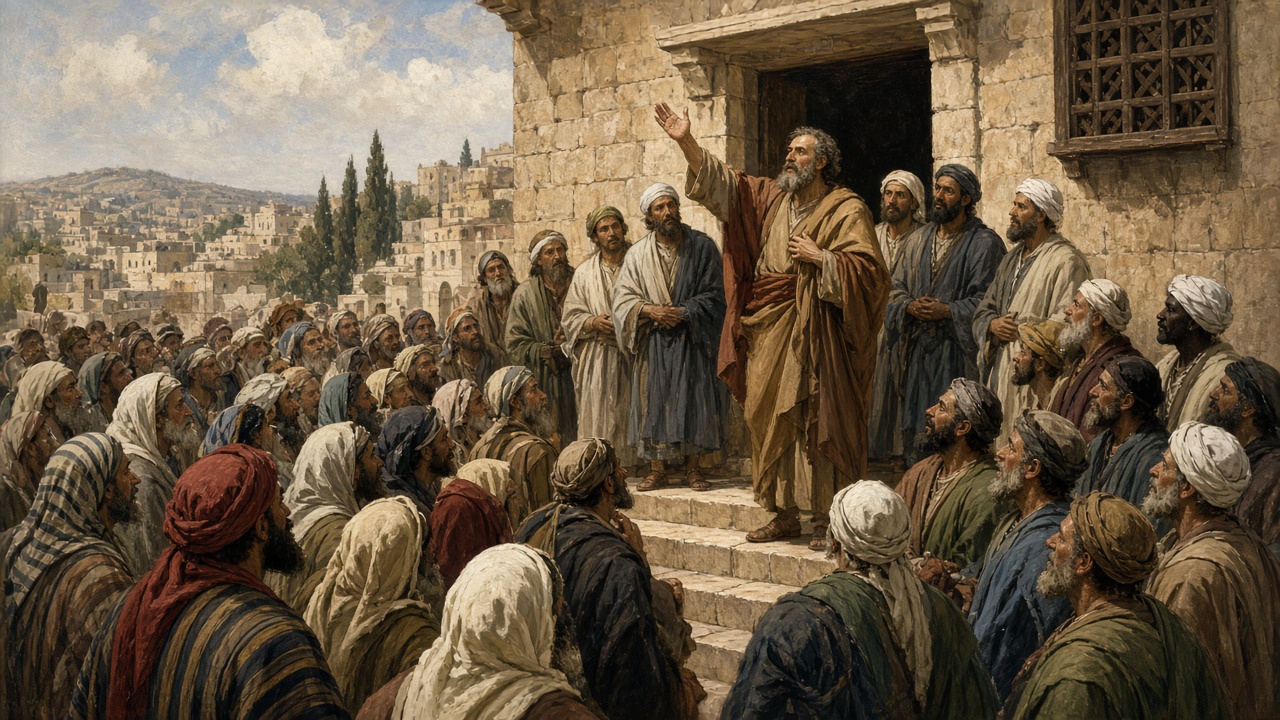
The Spirit Comes at Pentecost
- God-fearing Jews from every nation under heaven were already living in Jerusalem when a sound like a mighty rushing wind came from heaven and filled the house, and the speakers began to declare God’s wonders in other languages. In this chapter, “Asia” is the Roman province of Proconsular Asia, in the western part of Asia Minor, whose capital was Ephesus—not the continent of that name. Pontus, along the southern coast of the Euxine Sea, was a Roman province in the apostles’ time and a resort of many Jews of the Dispersion; Cappadocia was the easternmost and largest province of Asia Minor.Sources: the Bible text itself · Asia · Pontus · Cappadocia
- The crowd was amazed that the speakers were Galileans. The one who stood with the Eleven and addressed them was Simon Peter, originally called Simon—that is, Simeon, meaning “hearing”—a fisherman from Bethsaida, on the western coast of the Sea of Galilee, whom his younger brother Andrew first brought to Jesus.Sources: the Bible text itself · Simon Peter
- Peter said this was what the prophet Joel had spoken. Joel, the second of the twelve minor prophets, was the son of Pethuel, and his personal history is known only from his book. Peter also quoted David, the eighth and youngest son of Jesse of Bethlehem, and told the crowd that this patriarch had died and been buried, and that his tomb was still with them in Jerusalem.Sources: the Bible text itself · Joel · David
Notes written with AI assistance from open sources (Theographic Bible Metadata, CC BY-SA 4.0; Easton’s Bible Dictionary, public domain) and reviewed before publishing.
Places in this chapter
- Jerusalem · 31.777, 35.234 · verses 5, 14
- Galilee · 32.760, 35.527 · verse 7
- Asia · 38.400, 28.300 · verse 9
- Cappadocia · 38.671, 34.839 · verse 9
- Judea · Today: Judea 1 · 31.777, 35.234 · verses 9, 14
- Mesopotamia · Today: Aram-naharaim · 36.864, 39.033 · verse 9
- Pontus · 40.680, 37.830 · verse 9
- Cyrene · 32.821, 21.851 · verse 10
- Egypt · 30.129, 31.308 · verse 10
- Libya · 32.821, 21.851 · verse 10
- Pamphylia · 37.000, 31.000 · verse 10
- Phrygia · 39.000, 31.000 · verse 10
- Rome · 41.892, 12.485 · verse 10
- Nazareth · 32.702, 35.298 · verse 22
Only places identified with high confidence are shown (90% or more according to the scholarly sources compiled by OpenBible). Period map: DARE (Digital Atlas of the Roman Empire), CC BY 4.0; modern map: © OpenStreetMap contributors; places: OpenBible.info (CC BY 4.0).
Credits and license for this translation
Abware̱se̱ŋ Wo̱re̱-ɔ
New Testament in Chumburung (GH:ncu:Chumburung)
copyright © 2010 Wycliffe Bible Translators, Inc.
Language: Chumburung
Translation by: Wycliffe Bible Translators, Inc.
Copyright Information
© 2010, Wycliffe Bible Translators, Inc. All rights reserved.
This translation text is made available to you under the
terms of the Creative Commons License: Attribution-Noncommercial-No Derivative Works.
( http://creativecommons.org/licenses/by-nc-nd/3.0/ )
In addition, you have permission to port the text to different file formats, as long as you
do not change any of the text or punctuation of the Bible.
You may share, copy, distribute, transmit, and extract portions
or quotations from this work, provided that you include the above copyright
information:
You must give Attribution to the work.
You do not sell this work for a profit.
You do not make any derivative works that change any of the actual words or punctuation of the Scriptures.
Permissions beyond the scope of this license may be
available if you contact
us with your request.
The New Testament
in Chumburung
© 2010, Wycliffe Bible Translators, Inc. All rights reserved.
This translation is made available to you under the terms of the
Creative Commons Attribution-Noncommercial-No Derivatives license 4.0.
You may share and redistribute this Bible translation or extracts from it in any format, provided that:
You include the above copyright and source information.
You do not sell this work for a profit.
You do not change any of the words or punctuation of the Scriptures.
Pictures included with Scriptures and other documents on this site are licensed just for use with those Scriptures and documents.
For other uses, please contact the respective copyright owners.
2025-05-16
Source: http://ebible.org/ncuNT/ · eBible.org