2 Corinthians 4
Abware̱se̱ŋ Wo̱re̱-ɔ · Tap a verse to see its cross-references.
Mo̱ne̱ a sa ne̱ ane̱ i gyi awo̱re̱fɔɔ kanyite‑ro
1Ane̱ fe̱raa, hare̱e̱ ane̱ a mo̱ŋ fo̱ fe̱yɛ ane̱ waa asɔfo̱wɔ kusuŋ mɔ gbaa ooo, Wuribware̱ a taa bo̱ waa ane̱ ke̱sare̱e̱‑rɔ. Amo̱se̱‑ɔ, ane̱ maa yɔwe̱ e̱ye̱e̱‑rɔ. 2Ase̱sɛ ko̱ bo̱ mo̱ne̱‑rɔ ne̱ bamo̱ ya po̱rɔ ane̱ fe̱yɛ ane̱ bɔ e̱kpa bɔye̱ se̱ ane̱ de bo̱ waa ane̱ asɔfo̱wɔ kusuŋ, mo̱ i lee bamo̱ kanɔ fe̱yɛ ane̱ a kine e̱kpa bɔye̱ ke̱bo̱rɔ se̱ bo̱ waa ane̱ kusuŋ. Ane̱ maa pe̱nna ase̱sɛ, ne̱ ane̱ be̱e̱ ane̱ maa kyurowi Wuribware̱ ase̱ŋ‑ɔ. Kpa ne̱ ane̱ bɔ se̱, ne̱ ane̱ e̱ kpa fe̱yɛ ɔke̱maa sure si mò̱ mfɛɛre̱‑rɔ fe̱yɛ ane̱ e̱ waa nɛɛnɛɛ‑ɔ e̱ gye̱ fe̱yɛ ane̱ e̱ tɔwe̱ kase̱ŋtiŋ‑o lamaŋ‑nɔ, ne̱ ane̱ nyi fe̱yɛ Wuribware̱ ke̱e̱ ke̱tɔ ne̱ ane̱ e̱ waa‑ɔ, ne̱ o nu ase̱ŋ ne̱ ane̱ e̱ tɔwe̱‑ɔ. 3Mo̱ne̱‑rɔ bo̱ko̱ ya tɔwe̱ fe̱yɛ abware̱se̱ŋ ne̱ ane̱ e̱ tɔwe̱‑ɔ e̱ kwe̱e̱rɔ, mo̱ i lee kanɔ fe̱yɛ aa kwe̱e̱rɔ bamo̱ ne̱ bo̱ maa nya ŋkpa na kukyure ne̱ a mo̱ŋ de kɛɛ‑ɔ se̱ dooo ne̱e̱. 4Bo̱ maa nya ŋkpa amo̱, a le̱e̱ fe̱yɛ bo̱ maa kɔɔre̱ Kristoo ba gyi. Bo̱ maa kɔɔre̱ mò̱ ba gyi, a le̱e̱ fe̱yɛ a du fe̱yɛ Ɔbɔnsam, ne̱ o de kaye̱ mɔ‑rɔ ase̱sɛ mfɛɛre̱ se̱ ke̱yaale̱ŋ‑ɔ, a sa ne̱ baa kii ate̱napo̱, na bo̱ ma taare̱ a bo̱ nu abware̱se̱ŋ‑ɔ kaase̱‑ɔ. Bamo̱ ya nu kaase̱, ba ŋu fe̱yɛ ase̱ŋ timaa ne̱ ane̱ e̱ tɔwe̱‑ɔ e̱ kaapo̱ ane̱ŋ ne̱ Kristoo de ke̱dabe̱ na wuraa‑o. Bo̱ le̱e̱ fe̱yɛ bamo̱ ya de̱e̱re̱ Kristoo, ba ŋu fe̱yɛ ɔ gye̱ ɔko̱ ne̱ ɔɔ le̱e̱ Wuribware̱ kpa ke̱maa se̱. 5Ane̱ maa tɔwe̱ ane̱ fɔŋfɔŋ e̱ye̱e̱ ase̱ŋ ne̱e̱, amaa ane̱ e̱ tɔwe̱ Yeesuu Kristoo ase̱ŋ ne̱e̱, fe̱yɛ ɔ gye̱ mo̱ne̱ ɔke̱maa na ane̱ ɔke̱maa nyaŋpe̱, n gye̱ ane̱ e̱ gye̱ mo̱ne̱ anyaŋpe̱. Amo̱ e̱ gye̱ fe̱yɛ ane̱ a kperi Yeesuu si baa ane̱ e̱ye̱e̱ kaase̱ waa fe̱yɛ ane̱ a gye̱ mo̱ne̱ ayaafɔre̱‑ɔ. 6Fe̱yɛ ane̱ŋ ne̱ Wuribware̱ a twe̱e̱ ke̱tɔ ke̱maa‑ɔ, ne̱ ɔɔ tɔwe̱ fe̱yɛ, “Ke̱laŋŋe̱rɔ laŋŋe̱ kibugyii‑ro,” ane̱ŋ dɛɛ ne̱ oo buŋŋi ane̱ akatɔ, ne̱ ane̱ a ŋu fe̱yɛ mò̱ akatɔ‑rɔ e̱ to̱re̱ se̱, ne̱ ane̱ a bo̱ gyii fe̱yɛ o de Wuribware̱ a ke̱dabe̱‑ɔ.
7To, a du ne̱e̱ fe̱yɛ Wuribware̱ a ba mò̱ kapo̱tɛɛ‑ɔ bo̱ waa nlɔ‑rɔ‑ɔ. Ke̱tɔ ne̱ mo̱ e̱ kaapo̱‑ɔ e̱ gye̱ fe̱yɛ ane̱ ŋyo̱wɔre̱ du ne̱e̱ fe̱yɛ nlɔ ne̱ m mo̱ŋ bo̱ le̱ŋ‑ɔ, amaa Wuribware̱ ke̱yaale̱ŋ bo̱ mmo̱‑rɔ, na ɔke̱maa nya ŋu fe̱yɛ ane̱ ke̱yaale̱ŋ de̱maŋte̱‑ɔ mo̱ŋ le̱e̱ ane̱ fɔŋfɔŋ ase̱ ne̱e̱, kaa le̱e̱ Wuribware̱ ase̱ ne̱e̱. 8Amo̱se̱‑ɔ ase̱sɛ ko̱ ya waa ane̱ bo̱rɔkraa bo̱ le̱e̱ ane̱ŋ ne̱ ane̱ e̱ tɔwe̱ abware̱se̱ŋ‑ɔ se̱, bo̱ maa taare̱ a bo̱ sa a ane̱ yɔwe̱ ane̱ kusuŋ. Ba tɔɔraa ane̱, amaa ane̱ maa yɔwe̱ e̱ye̱e̱‑rɔ. 9Ane̱ i gyi awo̱re̱fɔɔ, amaa Wuribware̱ maa se̱re̱ a ɔ yɔwe̱ ane̱. Ba daye̱ ane̱ ba da swe̱e̱re̱, amaa bo̱ maa taare̱ a bo̱ mɔɔ ane̱. 10Ane̱ a naa e̱maŋ se̱ e̱maŋ se̱‑ɔ, ane̱ i ŋu ase̱ŋ ne̱ Kristoo a ŋu pwɛɛ ne̱ baa dɛɛ mɔɔ mò̱‑ɔ dɛɛ. Ase̱ŋ mɔ pɛɛɛ a waa ane̱ ne̱e̱ na ase̱sɛ nya ŋu fe̱yɛ saŋ ne̱ ane̱ e̱ kpa a ane̱ kperi Yeesuu si wu‑o, mò̱ ŋkpa na ke̱yaale̱ŋ saŋ a bo̱ ane̱ ŋyo̱wɔre̱‑rɔ. 11Ane̱ i kperi Yeesuu si ane̱ e̱ gyaŋŋaa lowi kake ke̱maa, na ɔ taare̱ kaapo̱ fe̱yɛ o te, ne̱ mò̱ e̱ de̱ŋ ɔ sa ane̱ ke̱yaale̱ŋ. 12Amɔ katiŋ e̱ gye̱ fe̱yɛ ane̱ lowi ke̱gyaŋŋaa kake ke̱maa‑ɔ a sa ne̱ mo̱ne̱ a nya ŋkpa na kukyure ne̱ a mo̱ŋ de kɛɛ‑ɔ.
13Amo̱‑ɔ pɛɛɛ gbaa, ane̱ mo̱ŋ yɔwe̱ ane̱ Kristoo ko̱kɔɔre̱gyi, ne̱ ane̱ŋ se̱‑ɔ ane̱ maa se̱ ane̱ e̱ tɔwe̱ Wuribware̱ ase̱ŋ, fe̱yɛ ane̱ŋ ne̱ Deefid a kyo̱rɛɛ waa abware̱se̱ŋ wo̱re̱‑ɔ‑rɔ, “Saŋ ne̱ mo̱ a tɔwe̱ bo̱re̱‑rɔ fe̱yɛ e̱ye̱e̱‑rɔ bo̱ mo̱ gya ke̱baŋse̱‑ɔ gbaa, mo̱ a kɔɔre̱ Wuribware̱ gyi.” 14Ke̱tɔ ne̱ ane̱ nyi, ne̱ ane̱ e̱ tɔwe̱ ke̱mo̱ ase̱ŋ‑ɔ e̱ gye̱ fe̱yɛ Wuribware̱ a kyiŋŋi ane̱ nyaŋpe̱ Yeesuu baa ŋkpa‑rɔ, ne̱ ane̱ŋ se̱‑ɔ kaye̱ ya gye̱ kɛɛ, o kyiŋŋi ane̱ aa mo̱ne̱ a ɔ yaa so̱so̱ fe̱yɛ Yeesuu‑o, na ɔ baa ane̱ aa mo̱ne̱ mò̱ akatɔ‑rɔ. 15Mo̱ne̱ se̱ ne̱ ke̱tɔ ke̱maa e̱ waa ane̱, na, Wuribware̱ a maa se̱ ɔ mo̱rɔwe̱ ase̱sɛ bwe̱e̱tɔ bwe̱e̱tɔ‑ɔ, na bo̱ sa Wuribware̱ aŋsɛ, na bo̱ kyo̱rɔ mò̱ ke̱dabe̱ ne̱ o de‑o.
Kaye̱ mɔ‑rɔ mo̱ŋ gye̱ ane̱ aye̱ ne̱e̱
16Amo̱se̱‑ɔ, hare̱e̱ ane̱ ŋyo̱wɔre̱ a mo̱ŋ bo̱ le̱ŋ, ne̱ ane̱ e̱ kpa a ane̱ wu gbaa ooo, ane̱ abaa‑rɔ mo̱ŋ yɔre̱. Ke̱tɔ ne̱ ko̱ kyɔ‑ɔ e̱ gye̱ fe̱yɛ Wuribware̱ e̱ gye̱ ne̱ ɔ sa ane̱ wɔre̱ na ke̱yaale̱ŋ po̱pwɛɛ kake ke̱maa. 17Ase̱ŋ ne̱ a to̱ ane̱‑ɔ mo̱ŋ kyɔ, ne̱ a maa kyee, amaa a sa a ane̱ nya wuraa na ke̱dabe̱ ne̱ a mo̱ŋ de kɛɛ‑ɔ pɛɛɛ Wuribware̱ ase̱, na a kyɔ ase̱ŋ ne̱ ane̱ i ŋu mbe̱yɔmɔ‑ɔ bwe̱e̱tɔ. 18Amo̱se̱ se̱‑ɔ, ane̱ akatɔ dɔŋ atɔ ne̱ a bo̱ akatɔ‑rɔ‑ɔ se̱ ne̱e̱. N gye̱ atɔ ne̱ bo̱ ke̱e̱‑ɔ se̱ ne̱ ane̱ akatɔ dɔŋ, amɔ atɔ ne̱ bo̱ mo̱ŋ ke̱e̱, ne̱ a bo̱ Wuribware̱ se̱‑ɔ se̱ ne̱ ane̱ akatɔ dɔŋ. A le̱e̱ fe̱yɛ atɔ ne̱ bo̱ ke̱e̱ amo̱‑ɔ maa kyee. Amaa amo̱ ne̱ bo̱ mo̱ŋ ke̱e̱‑ɔ e̱ gye̱ ne̱ a taare̱ a a gyi nsu pɛɛɛ.
Did you know?
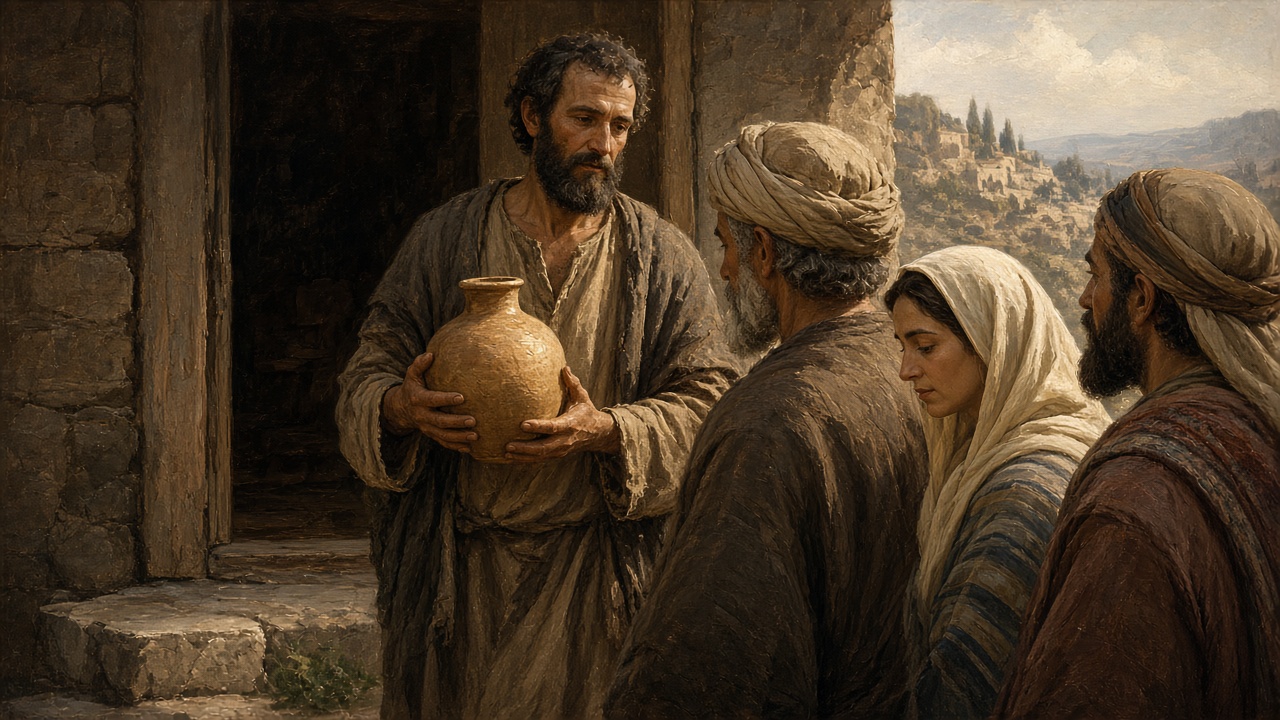
Treasure in Jars of Clay
- In this chapter the speakers say that, because God in his mercy has given them this ministry, they do not lose heart. They have renounced secret and shameful ways: they do not practice deceit or distort the word of God, but by the open proclamation of the truth they commend themselves to every person's conscience in the sight of God.Sources: the Bible text itself
- Their message is pictured as a treasure held in jars of clay, so that this surpassingly great power is shown to be from God and not from them. The same contrast runs through their hardships: hard pressed on all sides but not crushed, perplexed but not in despair, persecuted but not forsaken, struck down but not destroyed.Sources: the Bible text itself
- Light is the chapter's other central image. God, who said, "Let light shine out of darkness," is said to have shone his light in their hearts to give the light of the knowledge of the glory of God in the face of Jesus Christ. They proclaim not themselves but Jesus Christ as Lord, and themselves as servants of those they address, for Jesus' sake; if the gospel is veiled, the text says it is veiled to those who are perishing, whose minds "the god of this age" has blinded.Sources: the Bible text itself
Notes written with AI assistance from open sources (Theographic Bible Metadata, CC BY-SA 4.0; Easton’s Bible Dictionary, public domain) and reviewed before publishing.
Credits and license for this translation
Abware̱se̱ŋ Wo̱re̱-ɔ
New Testament in Chumburung (GH:ncu:Chumburung)
copyright © 2010 Wycliffe Bible Translators, Inc.
Language: Chumburung
Translation by: Wycliffe Bible Translators, Inc.
Copyright Information
© 2010, Wycliffe Bible Translators, Inc. All rights reserved.
This translation text is made available to you under the
terms of the Creative Commons License: Attribution-Noncommercial-No Derivative Works.
( http://creativecommons.org/licenses/by-nc-nd/3.0/ )
In addition, you have permission to port the text to different file formats, as long as you
do not change any of the text or punctuation of the Bible.
You may share, copy, distribute, transmit, and extract portions
or quotations from this work, provided that you include the above copyright
information:
You must give Attribution to the work.
You do not sell this work for a profit.
You do not make any derivative works that change any of the actual words or punctuation of the Scriptures.
Permissions beyond the scope of this license may be
available if you contact
us with your request.
The New Testament
in Chumburung
© 2010, Wycliffe Bible Translators, Inc. All rights reserved.
This translation is made available to you under the terms of the
Creative Commons Attribution-Noncommercial-No Derivatives license 4.0.
You may share and redistribute this Bible translation or extracts from it in any format, provided that:
You include the above copyright and source information.
You do not sell this work for a profit.
You do not change any of the words or punctuation of the Scriptures.
Pictures included with Scriptures and other documents on this site are licensed just for use with those Scriptures and documents.
For other uses, please contact the respective copyright owners.
2025-05-16
Source: http://ebible.org/ncuNT/ · eBible.org