1 Thessalonians 5
Abware̱se̱ŋ Wo̱re̱-ɔ · Tap a verse to see its cross-references.
Mo̱nꞌ waa siraa gywii saŋ ne̱ Yeesuu i kiŋŋi a ɔ ba‑ɔ
1Ane̱ ko̱so̱bɛɛ‑ana, mbe̱yɔmɔ, a mo̱ŋ lɛɛ a tiri fe̱yɛ ane̱ a be̱e̱ kyo̱rɛɛ tɔwe̱ gywii mo̱ne̱ saŋ ne̱ amo̱‑ɔ ne̱ ane̱ a tɔwe̱ amo̱ ase̱ŋ‑ɔ pɛɛɛ e̱ waa‑ɔ. 2A le̱e̱ fe̱yɛ mo̱ne̱ fɔŋfɔŋ nyi dame̱naŋsɛ fe̱yɛ ane̱ nyaŋpe̱ a kake amo̱ ne̱ o de ɔ ba amo̱‑ɔ i fu ane̱‑rɔ ne̱e̱ fe̱yɛ ane̱ŋ ne̱ oyu e̱ kwe̱e̱rɔ ɔ ba o ywii kanye‑o ne̱e̱. 3Saŋ ne̱ ase̱sɛ pɛɛɛ mɔ e̱ fa fe̱yɛ kaye̱e̱yuri a ba kaye̱‑rɔ, ne̱ kufu mo̱ŋ lɛɛ ke̱ bo̱‑rɔ‑ɔ, ne̱ ase̱ŋ dabe̱ dabe̱ e̱ ba ɔke̱maa se̱. Ase̱ŋ amo̱ i puruwe bamo̱ fe̱yɛ kako̱we̱ a kra daŋpo̱kye̱e̱ puri‑ro, ne̱ o ŋu gya‑ɔ. Amo̱se̱‑ɔ bamo̱ ɔke̱maa maa nya mò̱ e̱ye̱e̱ pɛɛɛ, ɔko̱ maa le̱e̱. 4Amaa ane̱ ko̱so̱bɛɛ‑ana, mo̱ne̱ mo̱ŋ te kibugyii‑ro. Ane̱ŋ se̱‑ɔ kake ne̱ ane̱ nyaŋpe̱ de ɔ ba‑ɔ maa puruwe mo̱ne̱ fe̱yɛ oyu‑o. 5Mo̱ne̱ pɛɛɛ mɔ gye̱ ase̱sɛ ne̱ bo̱ bo̱ ke̱laŋŋe̱rɔ‑rɔ‑ɔ ne̱e̱. Ane̱ Kristoo agyase̱po̱‑ɔ fe̱raa, ane̱ mo̱ŋ bo̱ kibugyii‑ro. 6Amo̱se̱‑ɔ, ane̱ ma di idi fe̱yɛ bo̱ko̱‑ɔ. Ane̱ ma di idi, na ane̱ be̱e̱ ane̱ ma bwe̱e̱ bwe̱e̱tɔ. 7A le̱e̱ fe̱yɛ kanye ne̱ bamo̱ ne̱ ba kpa idi‑o i di idi, ne̱ bamo̱ ne̱ ba bwe̱e̱‑ɔ mɔ mɔ e̱ bwe̱e̱. 8Amo̱se̱‑ɔ ane̱ fe̱raa ane̱ a bo̱ ke̱laŋŋe̱rɔ‑rɔ‑ɔ se̱‑ɔ, ane̱ ma bwe̱e̱. Ane̱ sa a ke̱kpa na ko̱kɔɔre̱gyi ne̱ ane̱ de‑o kɔɔre̱ ane̱ ŋkpo̱nɔ, na te̱maa ne̱ ane̱ de fe̱yɛ Wuribware̱ e̱ mo̱rɔwe̱ ane̱‑ɔ kɔɔre̱ ane̱ mfɛɛre̱, na a kuŋ ane̱ fe̱yɛ ane̱ŋ ne̱ soogyaa i buŋ mò̱ ke̱kyaŋse̱ kaare̱‑ɔ o kuŋ mò̱ ke̱kaŋ na ke̱kyaŋse̱ ke̱pa mɔ o kuŋ mò̱ kuŋu‑o. 9Bo̱ le̱e̱ fe̱yɛ Wuribware̱ mo̱ŋ lee ane̱ ne̱e̱ a o bu ane̱ ke̱pɔ, na o gyiiri ane̱ ke̱se̱bɔ. Amaa oo lee ane̱ ne̱e̱ a ɔ nya suŋ ane̱ nyaŋpe̱ Yeesuu Kristoo na ɔ bo̱ mo̱rɔwe̱ ane̱. 10Yeesuu a wu sa ane̱. Ane̱ŋ se̱‑ɔ, saŋ ne̱ ɔ be̱e̱ o kiŋŋi a ɔ ba‑ɔ, ne̱ ane̱ ya wu bɛɛɛ ane̱ ke̱e̱ gbaa ooo, ane̱ e̱ yɔ a ane̱ ya kye̱na mò̱ ase̱. 11Amo̱se̱‑ɔ, mo̱nꞌ de̱e̱ ba amo̱‑ɔ bo̱ waa abɛɛ wɔre̱, na mo̱nꞌ kya abɛɛ‑rɔ, fe̱yɛ ane̱ŋ ne̱ mo̱ne̱ maa se̱ mo̱ne̱ e̱ waa mbe̱yɔmɔ‑ɔ.
Ase̱ŋ‑ɔ lalalo̱we̱ na kanɔka
12Ane̱ ko̱so̱bɛɛ‑ana, ase̱ŋ ne̱ a tii si‑o e̱ gye̱ fe̱yɛ ane̱ e̱ ko̱re̱ mo̱ne̱ ne̱e̱ fe̱yɛ mo̱nꞌ bu asɔre̱e̱ agye̱ŋkpɛɛpo̱ ne̱ bo̱ bo̱ mo̱ne̱‑rɔ ba de̱e̱re̱ mo̱ne̱ se̱, na ba kaapo̱ mo̱ne̱ ane̱ŋ ne̱ mo̱nꞌ kye̱na kakye̱na timaa‑o‑ro. 13Na bo̱ le̱e̱ kusuŋ ne̱ ba waa ba sa mo̱ne̱‑ɔ se̱‑ɔ, mo̱nꞌ bu bamo̱ nɛɛnɛɛ fe̱yɛ bo̱ gye̱ mo̱ne̱ abre̱sɛ, na mo̱nꞌ kpa bamo̱ ase̱ŋ bwe̱e̱tɔ. Na mo̱ne̱ wo̱re̱ wo̱re̱‑ɔ, mo̱nꞌ sa a kaye̱e̱yuri ba mo̱ne̱ kakye̱na‑rɔ.
14Ŋkee ane̱ e̱ kpa fe̱yɛ mo̱nꞌ de̱e̱ neŋ bamo̱ ne̱ wo̱rɔgya de bamo̱ Wuribware̱ kusuŋ‑no‑o e̱te̱bɔ. Na mo̱nꞌ de̱e̱ waa bamo̱ ne̱ bamo̱ mfɛɛre̱ mo̱ŋ da, ne̱ iduŋ e̱ te̱ŋŋe̱ bamo̱‑ɔ wɔre̱, na mo̱nꞌ kya bamo̱ ne̱ bo̱ mo̱ŋ bo̱ le̱ŋ‑ɔ‑rɔ, na mo̱nꞌ waa kanyite sa ɔke̱maa. 15Ɔko̱ ya waa mò̱ bɛɛko̱ bɔye̱, mo̱ne̱ ma sa a mò̱ bɛɛko̱‑ɔ mɔ waa bɔye̱ bo̱ teere. Amaa mo̱nꞌ le̱ŋ e̱ye̱e̱ waa abɛɛ na ase̱sɛ pɛɛɛ ke̱dame̱naŋsɛ saŋ ke̱maa.
16Mo̱nꞌ sa a mo̱ne̱ akatɔ gyi saŋ ke̱maa. 17Mo̱nꞌ de̱e̱ ko̱re̱ ke̱bware̱ko̱re̱ kake ke̱maa. 18Na ase̱ŋ ke̱maa mɔ ya to̱ mo̱ne̱ ne̱ amo̱ e̱ gye̱ abɔye̱ bɛɛɛ akpe̱yaa ooo, mo̱nꞌ sa Wuribware̱ aŋsɛ fe̱yɛ amo̱ a ba ane̱ŋ, a le̱e̱ fe̱yɛ ane̱ŋ ne̱ Wuribware̱ a bo̱rɔ Yeesuu si bo̱ kaapo̱ ane̱‑ɔ, ne̱ ɔ kpa fe̱yɛ ane̱ waa.
19Mo̱ne̱ ma tii kpa ne̱ Wuribware̱ a kufwiiŋe timaa‑o e̱ bo̱rɔ mo̱ne̱ se̱ a ɔ ba mo̱ne̱ bo̱ waa asuŋ‑o. 20Ɔke̱maa ne̱ mò̱ ya bo̱ tɔwe̱ ase̱ŋ ko̱ gywii mo̱ne̱, ne̱ ɔ yɛ aa le̱e̱ Wuribware̱ ase̱ ne̱e̱, mo̱ne̱ ma kine, na mo̱nꞌ gya mò̱ ase̱ŋ‑ɔ bo̱ twe̱e̱. Amaa mo̱nꞌ de̱e̱re̱ ase̱ŋ‑ɔ‑rɔ nɛɛnɛɛ, na mo̱nꞌ ke̱e̱ fe̱yɛ kase̱ŋtiŋ ne̱e̱ ne̱ aa le̱e̱ Wuribware̱ ase̱ bɛɛɛ. Na mo̱nꞌ taa atimaa‑o, amaa mo̱nꞌ kine e̱bɔye̱ ke̱maa.
23Ane̱ e̱ ko̱re̱ kaye̱e̱yuri sapo̱‑ɔ Wuribware̱ ane̱ e̱ sa mo̱ne̱ fe̱yɛ ɔ kpɛɛ mo̱ne̱ pɛɛɛ iyisi. Na ɔ sa a mo̱ne̱ ŋkpo̱nɔ fwiiri lee mo̱ne̱ e̱kra na ŋyo̱wɔre̱ le̱e̱ bɔye̱ ke̱maa‑rɔ bo̱ fo̱ kake nsi ne̱ ane̱ nyaŋpe̱ Yeesuu be̱e̱ o kiŋŋi a ɔ ba‑ɔ. 24Wuribware̱ e̱ waa ane̱ŋ, a le̱e̱ fe̱yɛ mò̱ fɔŋfɔŋ ya te̱e̱ mo̱ne̱, o de kase̱ŋtiŋ, ɔ maa laŋŋe̱ mò̱ kanɔ daa.
25Ane̱ ko̱so̱bɛɛ‑ana, mo̱ne̱ gbaa mo̱nꞌ de̱e̱ ko̱re̱ ke̱bware̱ko̱re̱ sa ane̱. 26Mo̱nꞌ ka asɔre̱e̱‑rɔ awuye‑o pɛɛɛ kanɔ dame̱naŋsɛ. 27Ane̱ nyaŋpe̱ ke̱nyare̱‑rɔ se̱‑ɔ, mo̱ e̱ ko̱re̱ ne̱e̱ fe̱yɛ mo̱nꞌ kare̱ wo̱re̱ mɔ gywii asɔre̱e̱ awuye‑o pɛɛɛ. 28Mo̱ e̱ ko̱re̱ ke̱bware̱ko̱re̱ fe̱yɛ ane̱ nyaŋpe̱ Yeesuu Kristoo yure mo̱ne̱.
Did you know?
Awake for the Day of the Lord
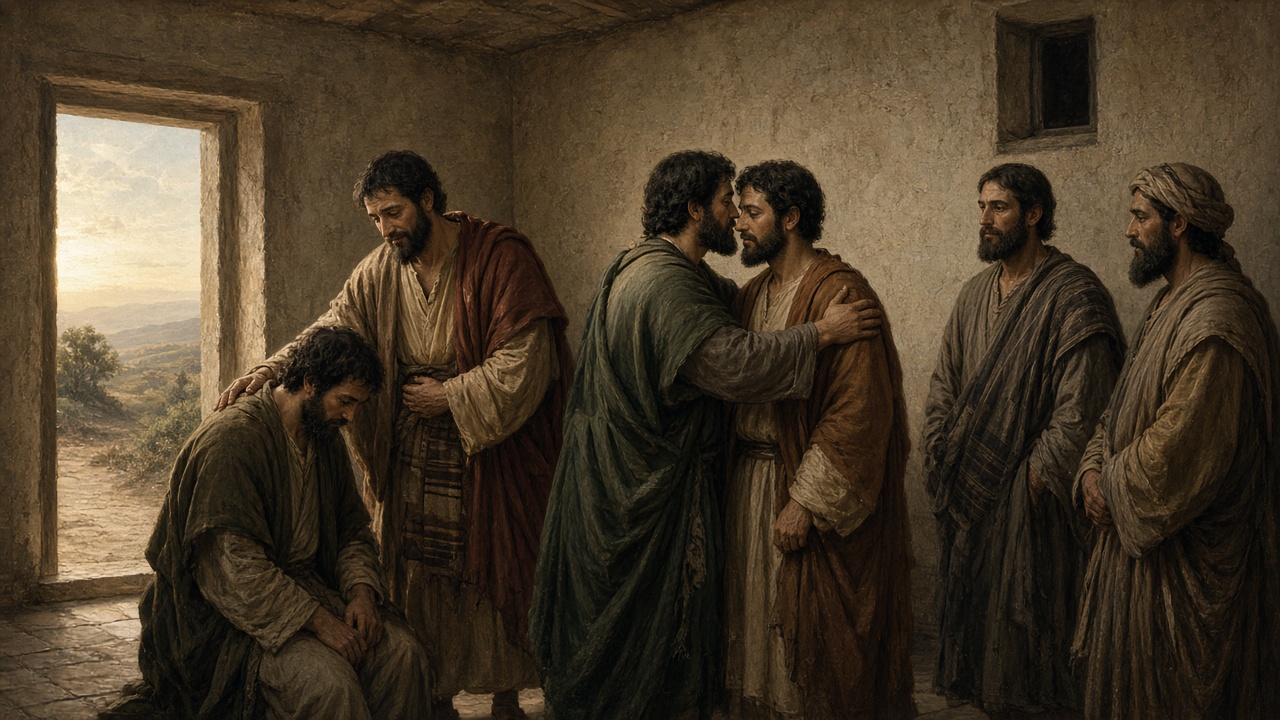
- This chapter says the Day of the Lord will come like a thief in the night, and that destruction will arrive suddenly, like labor pains, while people are saying “Peace and security.” It calls the brothers sons of the light and sons of the day, and urges them not to sleep as others do, but to stay awake and sober.Sources: the Bible text itself
- Those who belong to the day are told to be sober, putting on the breastplate of faith and love and the helmet of the hope of salvation. The chapter says God has not appointed them to wrath, but to obtain salvation through the Lord Jesus Christ, who died so that, whether awake or asleep, they may live together with him.Sources: the Bible text itself
- The closing words ask the brothers to acknowledge those who work diligently among them, preside over them, and instruct them, holding them in highest regard because of their work. They are urged to admonish the unruly, encourage the fainthearted, help the weak, be patient with everyone, and not repay evil for evil. They are also told not to extinguish the Spirit or treat prophecies with contempt, but to test all things, to greet all the brothers with a holy kiss, and to have this letter read to all the brothers.Sources: the Bible text itself
Notes written with AI assistance from open sources (Theographic Bible Metadata, CC BY-SA 4.0; Easton’s Bible Dictionary, public domain) and reviewed before publishing.
Credits and license for this translation
Abware̱se̱ŋ Wo̱re̱-ɔ
New Testament in Chumburung (GH:ncu:Chumburung)
copyright © 2010 Wycliffe Bible Translators, Inc.
Language: Chumburung
Translation by: Wycliffe Bible Translators, Inc.
Copyright Information
© 2010, Wycliffe Bible Translators, Inc. All rights reserved.
This translation text is made available to you under the
terms of the Creative Commons License: Attribution-Noncommercial-No Derivative Works.
( http://creativecommons.org/licenses/by-nc-nd/3.0/ )
In addition, you have permission to port the text to different file formats, as long as you
do not change any of the text or punctuation of the Bible.
You may share, copy, distribute, transmit, and extract portions
or quotations from this work, provided that you include the above copyright
information:
You must give Attribution to the work.
You do not sell this work for a profit.
You do not make any derivative works that change any of the actual words or punctuation of the Scriptures.
Permissions beyond the scope of this license may be
available if you contact
us with your request.
The New Testament
in Chumburung
© 2010, Wycliffe Bible Translators, Inc. All rights reserved.
This translation is made available to you under the terms of the
Creative Commons Attribution-Noncommercial-No Derivatives license 4.0.
You may share and redistribute this Bible translation or extracts from it in any format, provided that:
You include the above copyright and source information.
You do not sell this work for a profit.
You do not change any of the words or punctuation of the Scriptures.
Pictures included with Scriptures and other documents on this site are licensed just for use with those Scriptures and documents.
For other uses, please contact the respective copyright owners.
2025-05-16
Source: http://ebible.org/ncuNT/ · eBible.org