1 Corinthians 12
Abware̱se̱ŋ Wo̱re̱-ɔ · Tap a verse to see its cross-references.
Aketɔ ne̱ Wuribware̱ a kufwiiŋe timaa‑o i ke‑o ase̱ŋ
1Mbe̱yɔmɔ, mo̱ ko̱so̱bɛɛ‑ana, n de ase̱ŋ ko̱ a n tɔwe̱ gywii mo̱ne̱ bo̱ le̱e̱ aketɔ ne̱ Wuribware̱ a kufwiiŋe timaa‑o i ke‑o kuŋu si. 2Mo̱ e̱ kpa a mo̱nꞌ ŋu fe̱yɛ pwɛɛ ne̱ mo̱ne̱ a bo̱ kii Kristoo awuye‑o, atɔ ko̱ e̱ yaa mo̱ne̱ ikisi ase̱ saŋ ke̱maa, ne̱ mo̱ne̱ i suŋ e̱mo̱. Amaa mo̱ne̱ mo̱ŋ nu ase̱ŋ ke̱maa le̱e̱ e̱mo̱ ase̱. 3M be̱e̱ mo̱ e̱ kpa a ŋ kaapo̱ mo̱ne̱ ane̱ŋ ne̱, ɔko̱ ya tɔwe̱ Kristoo kuŋu si ase̱ŋ, mo̱ne̱ e̱ taare̱ a mo̱nꞌ ŋu mfe̱ŋ ne̱ mò̱ ase̱ŋ‑ɔ e̱ le̱e̱‑ɔ. Se̱sɛ ya da Yeesuu yii, n gye̱ Wuribware̱ a kufwiiŋe timaa‑o ya sa ne̱ ɔɔ sa se̱ŋsa. Amaa se̱sɛ‑ɔ ya tɔwe̱ ɛ, “Yeesuu gye̱ mo̱ nyaŋpe̱ ne̱e̱” fe̱raa, a kaapo̱ ne̱e̱ fe̱yɛ Wuribware̱ a kufwiiŋe timaa‑o ya sa ne̱ ɔɔ sa mfaanɛɛ a se̱ŋsa‑ɔ.
4Mbe̱yɔmɔ aketɔ ne̱ Wuribware̱ a kufwiiŋe timaa‑o i ke‑o bo̱‑rɔ e̱wo̱re̱se̱ e̱wo̱re̱se̱, amaa amo̱ pɛɛɛ mɔ a le̱e̱ Wuribware̱ a kufwiiŋe‑o dɛɛ ase̱ ne̱e̱. 5Asuŋ e̱wo̱re̱se̱ e̱wo̱re̱se̱ bo̱ asɔre̱e̱‑rɔ ne̱ Kristoo awuye e̱ waa, amaa nyaŋpe̱ ko̱ŋko̱ ne̱ ba suŋ ba sa. Mò̱ e̱ gye̱ Kristoo. 6Ɔke̱maa naa kpa e̱wo̱re̱se̱ e̱wo̱re̱se̱ se̱ o de aketɔ ne̱ Wuribware̱ a kufwiiŋe timaa‑o a ke mò̱‑ɔ o de o suŋ ɔ sa Wuribware̱. Amaa Wuribware̱ ko̱ŋko̱‑ɔ dɛɛ ya sa bamo̱ ɔke̱maa na atɔ ne̱ o nyi e̱waa‑ɔ. 7Mbe̱yɔmɔ ke̱tɔ ne̱ Wuribware̱ a kufwiiŋe‑o a sa mmo̱‑ɔ bɛɛɛ mmo̱‑ɔ, a bware bo̱ sa ane̱ pɛɛɛ. 8Wuribware̱ a kufwiiŋe‑o e̱ sa se̱sɛ ko̱ ke̱yaale̱ŋ ne̱ ɔ taare̱ a o nu atɔ ne̱ Wuribware̱ a bo̱ kwe̱e̱rɔ bo̱ko̱ se̱‑ɔ kaase̱, na ɔ kaapo̱ amo̱‑rɔ. Ɔko̱ mɔ, ɔ sa mò̱ ke̱yaale̱ŋ fe̱yɛ o ŋu kase̱ŋtiŋ‑o, na ɔ kaapo̱ kamo̱‑rɔ. 9Wuribware̱ a kufwiiŋe‑o dɛɛ e̱ gye̱ ne̱ ɔ sa ne̱ bo̱ko̱ e̱ kɔɔre̱ ba gyi ke̱baŋse̱, ne̱ bo̱ko̱ mɔ, ɔ sa ke̱yaale̱ŋ fe̱yɛ bo̱ bo̱ kya alɔpo̱. 10Bo̱ko̱ mɔ, Wuribware̱ a kufwiiŋe‑o e̱ sa bamo̱ ke̱yaale̱ŋ ne̱ bo̱ de ba waa akpe̱ŋe̱ye̱e̱tɔ. Bo̱ko̱ mɔ, ɔ sa ke̱yaale̱ŋ ne̱ bo̱ de ba tɔwe̱ ke̱tɔ ne̱ Wuribware̱ a lee bo̱ kaapo̱ bamo̱‑ɔ. Bo̱ko̱ mɔ, Wuribware̱ e̱ sa bamo̱ mò̱ kufwiiŋe fe̱yɛ bo̱ bo̱ pini fe̱yɛ Wuribware̱ a kufwiiŋe‑o bɛɛɛ kagyaa e̱ gye̱ ne̱ ka te ɔko̱ se̱. Bo̱ko̱ mɔ, ɔ sa bamo̱ ke̱yaale̱ŋ fe̱yɛ bo̱ sa se̱ŋsa ko̱ ne̱ bamo̱ fɔŋfɔŋ maa nu mò̱‑rɔ‑ɔ. Bo̱ko̱ mɔ, ɔ sa bamo̱ ke̱yaale̱ŋ fe̱yɛ bo̱ bo̱ kaapo̱ ane̱ŋ a se̱ŋsa‑ɔ kaase̱. 11Wuribware̱ a kufwiiŋe‑o dɛɛ e̱ gye̱ ne̱ o de bamo̱ o suŋ asuŋ, ne̱ o ke ɔke̱maa mò̱ aketɔ ne̱ ɔ bo̱ waa asuŋ sa Wuribware̱‑ɔ.
Kayo̱wɔre̱ a ke‑ro ke‑ro bwe̱e̱tɔ
12N taa fe̱yɛ nyiŋkpasɛ kayo̱wɔre̱ a ke‑ro ke‑ro bwe̱e̱tɔ, amaa kamo̱ pɛɛɛ mɔ gye̱ kayo̱wɔre̱ ko̱ŋko̱‑ɔ dɛɛ ne̱e̱. Ane̱ŋ dɛɛ ne̱ Kristoo asɔre̱e̱‑ɔ a ke‑ro ke‑ro bwe̱e̱tɔ, amaa amo̱ pɛɛɛ mɔ gye̱ ako̱ŋko̱ ne̱e̱. 13Ane̱ Kristoo awuye dɛɛ ne̱ saŋ ne̱ baa bɔ ane̱ asuu‑o, baa bɔ ane̱ bo̱ waa kayo̱wɔre̱ ko̱ŋko̱‑rɔ. A mo̱ŋ tiri fe̱yɛ ane̱ gye̱ Yudaa awuye bɛɛɛ ane̱ mo̱ŋ gye̱ Yudaa awuye, anya bɛɛɛ agyi, ane̱ a kɔɔre̱ Wuribware̱ a kufwiiŋe ko̱ŋko̱‑ɔ dɛɛ ne̱e̱ waa ane̱ ŋkpo̱nɔ‑rɔ.
14Nyiŋkpasɛ kayo̱wɔre̱ mo̱ŋ gye̱ ko̱ko̱ŋko̱, kaa ke‑ro ke‑ro ne̱e̱. 15Fe̱yɛ ke̱yaapapaa ya tɔwe̱ fe̱yɛ, “Mo̱ a mo̱ŋ gye̱ ke̱sare̱e̱‑ɔ se̱‑ɔ, mo̱ŋ tii kayo̱wɔre̱‑ɔ se̱,” e̱me̱ne̱ ne̱ mò̱ ko̱tɔwe̱ ane̱ŋ‑ɔ e̱ sa a a waa kase̱ŋtiŋ? 16Bɛɛɛ ke̱se̱bɔ ya tɔwe̱ fe̱yɛ, “Mo̱ a mo̱ŋ gye̱ ke̱katɔ‑ɔ se̱‑ɔ, mo̱ŋ tii kayo̱wɔre̱‑ɔ se̱,” e̱me̱ne̱ ne̱ mò̱ ko̱tɔwe̱ ane̱ŋ‑ɔ e̱ sa a a waa kase̱ŋtiŋ? 17Fe̱yɛ kayo̱wɔre̱‑ɔ pɛɛɛ gye̱ ke̱katɔ ne̱e̱‑ɔ, weetee e̱me̱ne̱ ne̱ ka waa a ka nu ke̱tɔ ke̱maa? Ne̱ kayo̱wɔre̱‑ɔ pɛɛɛ gye̱ ke̱se̱bɔ ne̱e̱, weetee e̱me̱ne̱ ne̱ ka waa a ka nu sɔ? 18Amaa kase̱ŋtiŋ si Wuribware̱ ya ba kayo̱wɔre̱‑ɔ ke̱be̱gya ke̱maa bo̱ kye̱na kamo̱ kye̱nakpa mò̱ ke̱pre̱ se̱. 19Kayo̱wɔre̱ ne̱ ka de ke̱be̱gya ko̱ŋko̱ wo̱re̱‑ɔ mo̱ŋ gye̱ kayo̱wɔre̱ ne̱e̱, amaa abe̱gya abe̱gya e̱ gye̱ ne̱ a tii abɛɛ se̱, ne̱ a waa kayo̱wɔre̱ mumwii. 21Amo̱se̱ se̱‑ɔ, ke̱katɔ maa taare̱ a ke̱ tɔwe̱ gywii ke̱sare̱e̱ fe̱yɛ, “Fo̱ ase̱ŋ mo̱ŋ tiri mo̱.” Ne̱ kuŋu maa taare̱ a ke̱ tɔwe̱ gywii ayaapapaa fe̱yɛ, “Mo̱ne̱ ase̱ŋ mo̱ŋ tiri mo̱.”
22Amo̱se̱‑ɔ fo̱ ya de̱e̱re̱, fo̱ i ŋu fe̱yɛ ane̱ maa taare̱ a ane̱ kye̱na, na ane̱ kayo̱wɔre̱ abe̱gya abe̱gya ne̱ a mo̱ŋ bo̱ le̱ŋ‑ɔ mo̱ŋ te ane̱ se̱. 23Kase̱ŋtiŋ si kayo̱wɔre̱ abe̱gya abe̱gya amo̱ ne̱ ane̱ de̱e̱re̱ se̱ nɛɛnɛɛ. Ane̱ kayo̱wɔre̱ mfe̱ŋ ne̱ ipeere si a mo̱ŋ da kawu‑o ne̱ ane̱ i bu bwe̱e̱tɔ. 24Amaa ane̱ kayo̱wɔre̱ mfe̱ŋ ne̱ a bo̱ daŋ ke̱de̱e̱re̱‑ɔ ase̱ŋ mo̱ŋ tiri ane̱ bwe̱e̱tɔ. Wuribware̱ a ba kayo̱wɔre̱ abe̱gya abe̱gya bo̱ kya abɛɛ se̱ kpa ko̱ se̱ ne̱e̱ fe̱yɛ ane̱ bu kayo̱wɔre̱ abe̱gya ko̱ ne̱ a mo̱ŋ bo̱ le̱ŋ‑ɔ bwe̱e̱tɔ. 25Ɔɔ waa amo̱‑ɔ ne̱e̱ a kayo̱wɔre̱ nya waa kanɔ ko̱ŋko̱, na kayo̱wɔre̱ ke̱be̱gya ke̱maa nya de̱e̱re̱ kamo̱ bɛɛko̱ se̱. 26Kayo̱wɔre̱ ke̱be̱gya ko̱ i ŋu ase̱ŋ, amɔ abe̱gya ne̱ a saŋ‑ɔ pɛɛɛ i ŋu ase̱ŋ ne̱e̱. Fe̱yɛ bamo̱ ya kyo̱rɔ kayo̱wɔre̱‑ɔ ke̱be̱gya ko̱, amɔ abe̱gya ne̱ aa saŋ‑ɔ pɛɛɛ akatɔ a gyi.
27Ane̱ŋ dɛɛ ne̱ mo̱ne̱ du‑o ne̱e̱. Mo̱ne̱ pɛɛɛ a tii abɛɛ se̱ mo̱ne̱ gye̱ Kristoo kayo̱wɔre̱ ne̱e̱, ne̱ ɔke̱maa gye̱ kamo̱ ke̱be̱gya ko̱. Ane̱ŋ a kayo̱wɔre̱‑ɔ e̱ gye̱ asɔre̱e̱‑ɔ. 28Asɔre̱e̱‑rɔ Wuribware̱ a lee ase̱sɛ bo̱ gya abɛɛ se̱ nɛɛnɛɛ ne̱e̱. Bamo̱ ne̱ bo̱ gye̱ ŋkpɛɛ‑ɔ e̱ gye̱ mò̱ ayaa‑rɔ aye̱re̱po̱, bamo̱ ne̱ bo̱ gya se̱ nyɔse̱po̱‑ɔ e̱ gye̱ akyaamɛɛ, asase̱po̱‑ɔ e̱ gye̱ akaapo̱po̱, bo̱ko̱ mɔ e̱ gye̱ bamo̱ ne̱ ba waa akpe̱ŋe̱ye̱e̱tɔ‑ɔ, bo̱ko̱ mɔ e̱ gye̱ bamo̱ ne̱ ba kya alɔpo̱‑ɔ, bo̱ko̱ mɔ e̱ gye̱ bamo̱ ne̱ ba kya bo̱ko̱‑rɔ‑ɔ, bo̱ko̱ mɔ e̱ gye̱ bamo̱ ne̱ ba de̱e̱re̱ ase̱ŋ ne̱ a bo̱ asɔre̱e̱‑rɔ se̱ kake ke̱maa‑ɔ, bo̱ko̱ mɔ e̱ gye̱ bamo̱ ne̱ bo̱ de ke̱yaale̱ŋ a bo̱ sa se̱ŋsa ko̱ ne̱ bamo̱ fɔŋfɔŋ maa nu mò̱‑rɔ‑ɔ. 29N gye̱ ɔke̱maa e̱ gye̱ mò̱ ayaa‑rɔ aye̱re̱po̱ bɛɛɛ mò̱ kyaamɛɛ bɛɛɛ mò̱ ɔkaapo̱po̱. N gye̱ ɔke̱maa e̱ gye̱ ne̱ ɔ taare̱ a ɔ waa akpe̱ŋe̱ye̱e̱tɔ, bɛɛɛ ɔ kya alɔpo̱, bɛɛɛ ɔ sa se̱ŋsa ko̱ ne̱ mò̱ fɔŋfɔŋ maa nu mò̱‑rɔ‑ɔ. N gye̱ ɔke̱maa e̱ gye̱ ne̱ ɔ taare̱ a ɔ kaapo̱ ane̱ŋ a se̱ŋsa‑ɔ kaase̱. 31Amo̱ e̱ gye̱ ane̱ŋ gbaa ooo, a bware fe̱yɛ ɔke̱maa ko̱re̱ Wuribware̱ a kufwiiŋe‑o fe̱yɛ ɔ sa mò̱ aketɔ mɔ‑rɔ ke̱mo̱ ne̱ ki tiri bwe̱e̱tɔ‑ɔ.
Mbe̱yɔmɔ mo̱ e̱ kpa a ŋ kaapo̱ mo̱ne̱ ke̱tɔ ne̱ ke̱ bo̱ daŋ ko̱ kyɔ amo̱ pɛɛɛ‑ɔ.
Did you know?
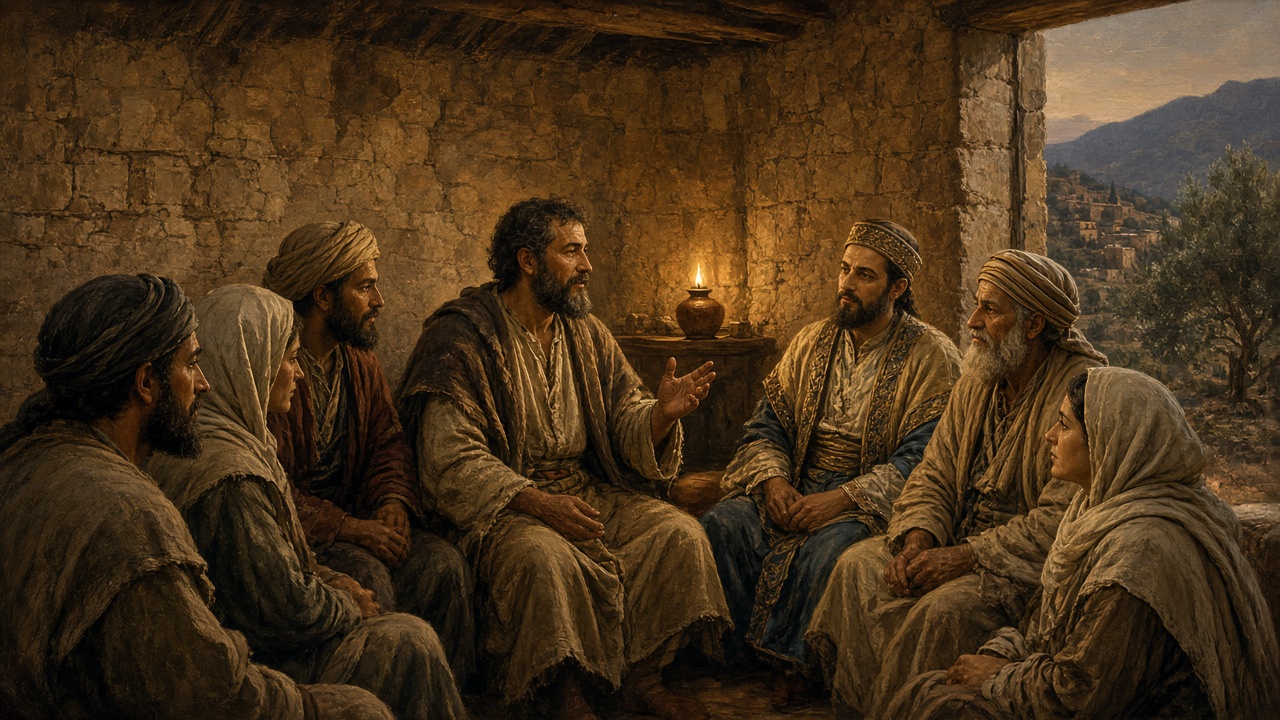
Spiritual gifts and one body
- The chapter begins by reminding the readers that, when they were pagans, they were led astray to mute idols. It then sets a test for speech about Jesus: no one speaking by the Spirit of God curses Jesus, and no one can confess that Jesus is Lord except by the Holy Spirit.Sources: the Bible text itself
- Gifts, ministries, and ways of working differ, yet they come from the same Spirit, the same Lord, and the same God, who works all things in all people. Each manifestation of the Spirit is given for the common good, and the one Spirit assigns them—including wisdom, knowledge, faith, healing, miracles, prophecy, distinguishing spirits, various tongues, and interpretation—as he determines. The closing questions make the same point: not all are apostles, prophets, or teachers, and not all speak in tongues or interpret.Sources: the Bible text itself
- The many members are compared to one body, and the same is said of Christ. In one Spirit all were baptized into that one body, whether Jews or Greeks, slave or free, and all were given one Spirit to drink. Parts that seem weaker are called indispensable, and those considered less honorable are given greater honor, so that there is no division and the members suffer and rejoice together.Sources: the Bible text itself
Notes written with AI assistance from open sources (Theographic Bible Metadata, CC BY-SA 4.0; Easton’s Bible Dictionary, public domain) and reviewed before publishing.
Credits and license for this translation
Abware̱se̱ŋ Wo̱re̱-ɔ
New Testament in Chumburung (GH:ncu:Chumburung)
copyright © 2010 Wycliffe Bible Translators, Inc.
Language: Chumburung
Translation by: Wycliffe Bible Translators, Inc.
Copyright Information
© 2010, Wycliffe Bible Translators, Inc. All rights reserved.
This translation text is made available to you under the
terms of the Creative Commons License: Attribution-Noncommercial-No Derivative Works.
( http://creativecommons.org/licenses/by-nc-nd/3.0/ )
In addition, you have permission to port the text to different file formats, as long as you
do not change any of the text or punctuation of the Bible.
You may share, copy, distribute, transmit, and extract portions
or quotations from this work, provided that you include the above copyright
information:
You must give Attribution to the work.
You do not sell this work for a profit.
You do not make any derivative works that change any of the actual words or punctuation of the Scriptures.
Permissions beyond the scope of this license may be
available if you contact
us with your request.
The New Testament
in Chumburung
© 2010, Wycliffe Bible Translators, Inc. All rights reserved.
This translation is made available to you under the terms of the
Creative Commons Attribution-Noncommercial-No Derivatives license 4.0.
You may share and redistribute this Bible translation or extracts from it in any format, provided that:
You include the above copyright and source information.
You do not sell this work for a profit.
You do not change any of the words or punctuation of the Scriptures.
Pictures included with Scriptures and other documents on this site are licensed just for use with those Scriptures and documents.
For other uses, please contact the respective copyright owners.
2025-05-16
Source: http://ebible.org/ncuNT/ · eBible.org