Revelation 6
Iyo New Testament · Tap a verse to see its cross-references.
Sipsip Simómbo te sitúmi sokome towaró ŋu kumi se rotaró
1Asa no toŋeteweqo, Sipsip Simómbo te sitúmi kande saŋiyoro irisa ŋundo sokome towaró ŋu korete qu re rotaró. Re rotoníqo, o yoto-yotoye moré mu nimí kini qu kato maŋgó parámi kusiro qembe ŋande yaró, “Mahe,” yiní iŋanowó. 2Yiní toŋeteweqo, hosi ka sara qu tunoqaró, ko uni ŋuro saŋano kunditaró ŋuko yiti ka re towoní Anutuko uni taka yerete koro takapu re inaró. Uni ŋuko kuma takawero uni qu, ko kuma soso taka yerewero quro toŋeró.
3Asa Sipsip Simómbo te sitúmi irisayó qu re rotaró. Re rotoníqo, o yoto-yotoye moré ŋuro irisayó ŋundo ŋande yaró, “Mahe,” yiní iŋanowó. 4Yiníqo, hosi kaŋuya, mandumi mu, mahe tunoqaró. Tunoqiní Anutuko uni ŋuro saŋano kunditaró ŋu wimbu inoní noko koro uniparetoro newonde ime ŋu re rotoní epe saŋga-saŋga tero yuri khumomukowaŋgo. Kho ŋu tewero quro suke parámi ka inoní towaró.
5Asa Sipsip Simómbo te sitúmi kapusayó qu re rotaró. Re rotoníqo, o yoto-yotoye moré ŋuro kapusayó ŋundo ŋande yaró, “Mahe,” yiní iŋanowó. Yiníqo, hosi ka iriyó mu tunoqaró, ko uni ŋuro saŋano kunditaró ŋundo o rondaŋe qenewero qu ka kandímo towaró. 6Ko no ŋande iŋanowó, o yoto-yotoye moré mu nimí kini ŋu keweroyemo oka uni maŋgó ŋunde qembe ŋundo ŋande yaró, “Uniparetoro o qoyemboro roworemoka wit sombé tomó ta naŋge kimoyó parámi rewaŋgo, ko bali sombé tomó ta-ta kapusa ŋu kimoyó parámi ŋundiro. Quko te oliv ŋuya wain utó ŋuya ma rambaruruwowero.”
7Asa Sipsip Simómbo te sitúmi nimí kini qu re rotaró. Re rotoníqo, o yoto-yotoye moré mu ŋuro nimí kini ŋundo ŋande yaró, “Mahe,” yiní iŋanowó. 8Yiníqo, hosi ka kandawó mu tunoqaró, ko uni ŋuro sano kunditaró ŋuro owí muko “Kindo Khumowero Qu.” Ko uni khumowí ŋuro yendéye ŋundo Kindo Khumowero Qu ŋu howero maheró. Mahiri Anutuko owéyari yunoní unipare soso ronda yiri huru-huru nimí kini ti huru-huru kanata ŋunde qu yori suke parámimbo yuroyi khumowaŋgo, ko korare tero khumowaŋgo, ko se khumo tero khumowaŋgo, ko siku qare parámimbo mahero yonemukowaŋgo.
9Asa Sipsip Simómbo te sitúmi kandeka qu re rotaró. Re rotoníqo, no toŋetero unipare khumowí ŋuro kapo-kapoye wondo yakutí quroko kunditeyuri yiyanowó. Ŋu unipare ŋundo Anutu koro mandí kondé toworo mande ŋu yesoworo yeyuri uni saŋgirímbo yuroyi khumaŋgurí. 10Asa kapo-kapoye ŋundo kondé kiwero ŋande yaŋgurí, “Uni soso koro Simburínani, keko meté horé, ko keko hamó naŋge. Do karo waka ta noko unipare mande khono yorotoro noreŋo sitúnanimboro topé kama te yunoweya?” 11Ŋunde yi kowe punu-punu sara-sara piru-piru qu se kapo-kapoye ŋu enemo-enemo yunaró. Yunoro ŋande yimiraró, “Uni saŋgirímbo yeno taŋgurí ŋunde qembe yeŋo kho koporo ŋuya topo-topoye yuri khumowaŋgo. Anutuko uni datiro ŋunde khumowaŋgo, yero rokó yereró. Asa ye soŋga ta imaqikata rokó ŋu kini tiníqo, enendo uni saŋgirí ŋu topé te yunoweya.”
12Asa Sipsip Simómbo te sitúmi kande saŋiyoro kanata qu re rotaró. Re rotoní toŋeteweqo, kunduru parámi raŋaró. Raŋoní kosako newonde surumímboro tuwi iriyó meme huímbo towaŋgurí ŋunde qembe taró. Ko komboko mandumi sitú qembe taró. 13Ko samboko tutu yoteŋgo ŋuko matúmbo te fik huwoní eŋgé mandumi kini qu tondaŋeteŋgo ŋunde qembe nokono umbuŋgurí. 14Sambo ŋuko usoworo sokome piru wakaŋgurí qembe taró. Ko mira purí-purí koya noko mosowí ŋuya mepéye rotomukaŋgurí. 15Ŋunde tiní noko koro wiri yerete uni ŋuya, uni owéye moré qu ŋuya, kuma unindoro uni kembé ŋuya, wondo uni ŋuya, uni kondé qu ŋuya, uni kho simó yoteŋgo qu ŋuya, uni kina yoteŋgo qu ŋuya, asa ŋu soso sore uyaro wondo yayómo mira purí-purí quroko sóqemukaŋgurí. 16Sóqero uni ŋundo mira purí-purí koya wondo ŋuya ŋande osese yereŋgurí, “Wehe nereya uni wiri yerete unindoro yakutímo kunditeyote ŋuro umu-kembé wisumuŋoya Sipsip Simómboro saŋgirí ŋuro nore kawaware niri qembe! 17Dokoro, yariŋo newonde saŋgirímboro naruyó ŋu itaka tunoqete ŋa. Ko dandoko ŋu takaweya?”
Did you know?
The Opening of the Six Seals
- The first four seals reveal four riders on white, bright red, black, and pale green horses, summoned one by one by the four living creatures. Each horseman brings a distinct affliction across the earth, ranging from conquest and the loss of peace to widespread famine, plague, and death.Sources: the Bible text itself
- The third horseman holds a pair of scales, accompanied by a proclamation setting the price of a quart of wheat or three quarts of barley at a denarius, reflecting severe inflation and food rationing while oil and wine are preserved.Sources: the Bible text itself
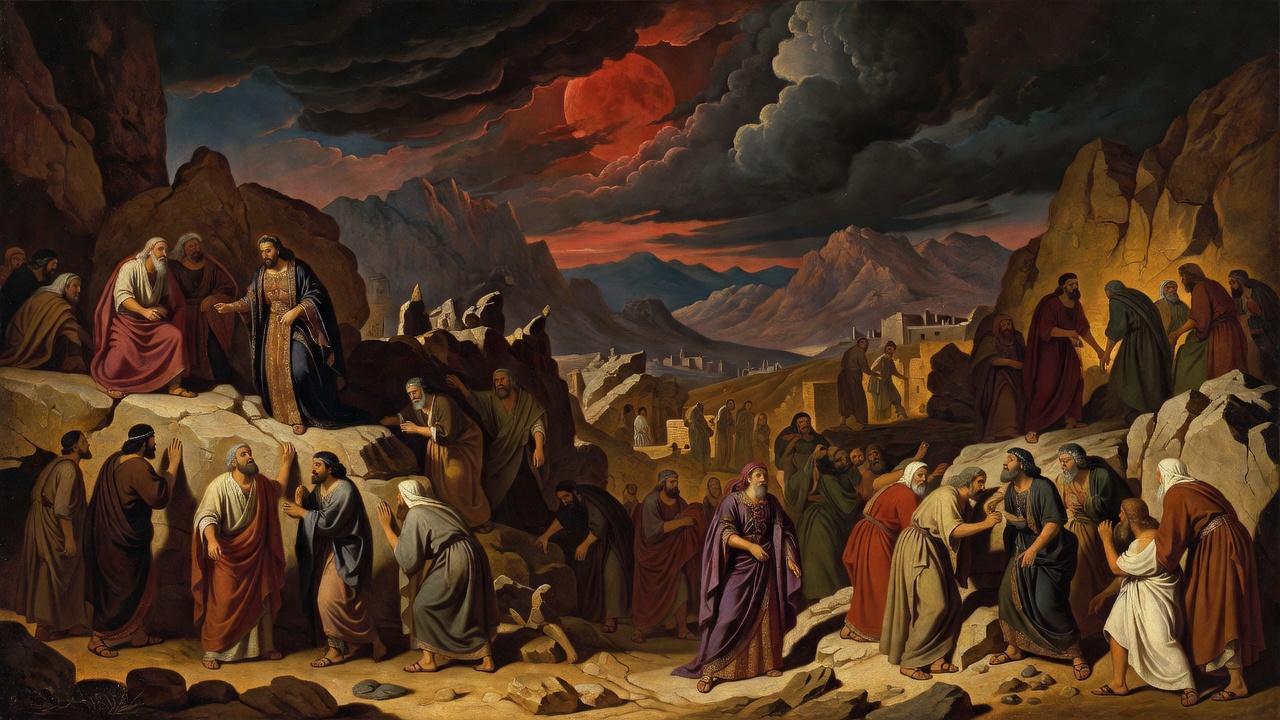
- When the fifth and sixth seals are opened, the focus shifts to the souls of slain believers waiting under the altar, followed by immense cosmic and earthly upheavals that lead people of every social station to hide in mountain caves.Sources: the Bible text itself
Notes written with AI assistance from open sources (Theographic Bible Metadata, CC BY-SA 4.0; Easton’s Bible Dictionary, public domain) and reviewed before publishing.
Credits and license for this translation
Iyo New Testament
The New Testament in the Iyo Language of Papua New Guinea
Nupela Testamen long tokples Iyo long Niugini
copyright © 2009 Wycliffe Bible Translators, Inc.
Language: Iyo
Translation by: Wycliffe Bible Translators
This translation is made available to you under the terms of the
Creative Commons Attribution-Noncommercial-No Derivatives license 4.0.
You may share and redistribute this Bible translation or extracts from it in any format, provided that:
You include the above copyright and source information.
You do not sell this work for a profit.
You do not change any of the words or punctuation of the Scriptures.
Pictures included with Scriptures and other documents on this site are licensed just for use with those Scriptures and documents.
For other uses, please contact the respective copyright owners.
2025-05-15
Source: http://png.bible/nca/ · eBible.org