Mark 12
Iyo New Testament · Tap a verse to see its cross-references.
Kho unindo wain koro kho ka sopoyaŋgurí ŋuro tapara mande qu
1Asa Yesuko tapara mande ka ŋande yimiraró, “Naru kano uni kato wain kho ka tero hoŋgo rero wuririyoro ŋu quroko ŋuno wain eŋgémboro sonoyó rewero quro meré parámi ka sero rotoro ya piru kho qene sopoyowero qu ka towaró. Ŋu soso toworo kho ŋu rero kho sopo-sopo uni kumi kandeyemo rotoro mira kapiyamo ŋuno toŋeró. 2Yate-yate kho simburí ŋundo eŋgé kumi siyowero quro sunará simó ka ŋuno asáŋoní uyareró. 3Ŋuno uyariní sopo-sopo uni ŋundo haususuwo howi kina toŋeró. 4Imemoŋgo simburímbo sunará simó kaŋuya asáŋoní uyariní utoro kembé usoworo o piyimi horé te inaŋgurí. 5Ŋunde tero meyowo ŋuya asáŋoní uyariní kho sopo-sopo ŋundo simó ŋu haususuwoyi khumaró. Qambu asá yiriní uyariqota kumi uraŋgurí, kumi woŋga yuroyi khumaŋgurí.
6“Asa simburímboro naŋuní surumí iŋoyara qu yora. Iwímbo ŋande yaró, ‘Kho sopo-sopo ŋundo naŋone ŋu ará te inowaŋgo.’ Ŋunde yero naru weŋa quno naŋuní asáŋoní ŋuno uyareró.
7“Quko kho sopo-sopo ŋundo simó ŋu qenero keweroyemo ŋande yaŋgurí, ‘Simó ŋundo iwímboro o soso ŋako imemoŋgo siyoweya. Uratoka khumoníka o ŋa soso norendo siyowato.’ 8Ŋunde yero simó ŋu rero uroyi khumoní re hoŋgo sumeyoro raŋaŋgurí.”
9Yesuko ŋande osese yereró, “Iŋi, kho simburí ŋundo do ka teweya? Ŋandiro naŋge, ene uyaro sopo-sopo uni ŋu rambaruru yerero wain koro kho ŋu uni meyowo yunoweya. 10Yendo mande sokomeko ŋuno nakayáŋaró ŋu qeneŋgurímbe ma kini? Mande ŋuko ŋandiro:
“‘Ya re-re unindo wondo ka rero piyimi, yero iŋoro re rotaŋgurí,
quko itakako wondo ŋundo ya soso riní kondérewero wondo ka tunoqete.
11Uni Parámi eneŋombo o ŋu riní ŋunde tunoqiní
qenero niŋgu-niŋgu parámi teteto.’”
12Yesuko ŋunde yiníqo, uni pará-parámbo iŋoro, enendo nore yesará nereyote, yero iŋomukaŋgurí. Ŋunde ŋuroko saŋgirí tero urowero khe ka seqaŋgurí. Quko unipare qambu ŋuro sasaro taŋgurí. Asa ko ene roto toŋeŋgurí.
Juda unipareto Sisa takis inowero ŋuro yaró
13Asa uni pará-parámbo, Yesu mande piyimi yiní towowato, ye iŋoro Farisi kumimboya Herot koro topé kumimboya asá yiri maheŋgurí. 14Mahero ŋande oseseyaŋgurí, “Rondaqe-rondaqe uni, nore ŋande iŋoyoteto, ko keto uni karo owé morémbe ma kini ŋuro kama iŋoyote. Kini, Anutu koro kheyó hamó moŋgo naŋge rondaqe yunoyote. Ŋunde ŋuroko yeka iŋowato. Norendo Sisa takis re inowato ŋuko hutuŋo mande wendaqeyotepe ma kini?”
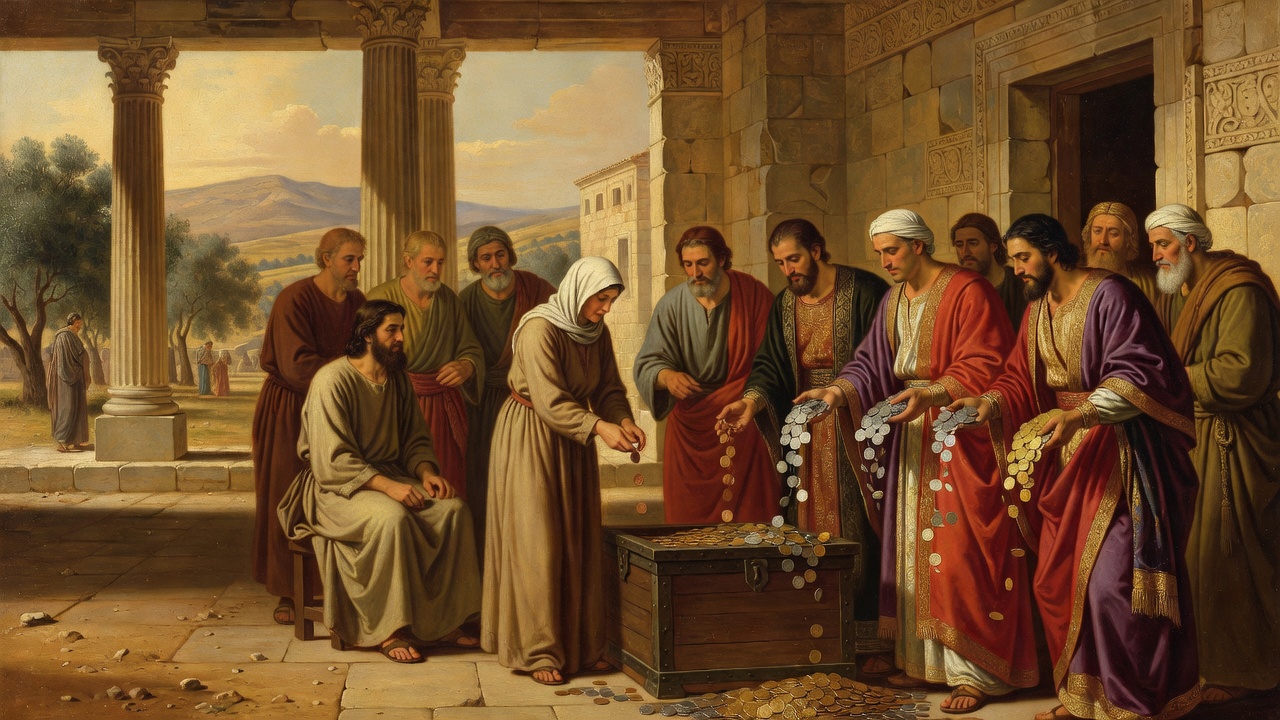
15Ŋunde yiqo, Yesuko eneŋo maŋgoye irisawore yewero murí ŋu qene iŋoro mande topé ŋande yaró, “Ye date towo nereteŋgo? Denarius ka re mahika qenewe.” 16Ŋunde yiníqo, ŋu re mahi ŋande osese yereró, “Wondo musiyó ŋano kapo-kapo ŋaya owí ŋako daniro qu?” |alt="Various coins" src="ABS-031" size="col" copy="Illustrations by John Lear (c) American Bible Society 1960" ref="MRK 12:15"
Yiníqo, “Sisa koro qu,” yaŋgurí.
17Ko Yesuko ŋande yimiraró, “O kumi Sisa koro qu, ŋu Sisa se inoyi qembe. Ko o kumi Anutu koro qu, ŋu Anutu se inoyi qembe.”
Ŋunde yiníqo, iŋoro ene newondeye yukuwaró.
Sadyusi unindo Yesu towoŋowero osese taŋgurí
18Asa Sadyusi uni kumi maheŋgurí. Uni ŋundo ŋande yeyaŋgurí, ko unipare khumaŋgurí qundo pitu ko kama otoqowaŋgo. Asa mahero Yesu ŋande oseseyaŋgurí, 19“Rondaqe-rondaqe uni, komo Mosesko noreŋo mande ŋande nakayáŋaró, ‘Uni kato pare rero simó moré kini yate khumoníqo, eneŋo koneyómbo pare ŋu riní simó pisiyoníqota payómboro sowe qu tunoqiní.’ 20Asa iŋo. Naru kano uni kato naŋo-simó kande saŋiyoro irisa pisi yereró. Simó korete ŋundo pare rero, yate-yate simóyari moré kini tero khumaró. 21Khumoní simó irisayó ŋundo payómboro parí qu raró. Quko ene ŋuya simó moré kini khumaró. Khumoní simó kapusayó ŋuya ŋunde naŋge taró. 22Ŋundiro naŋge simó kande saŋiyoro irisa ŋu soso pare ŋu rero simóye moré kini tero khumoyiqo, imemoŋgo pare ŋuya khumaró. 23Asa yeka iŋowato, unipare khumaŋgurí qundo pitu ko otoqowaŋgo quro naruyómo ŋuno, pare ŋu, danimboro yoweya? Dokoro uni kande saŋiyoro irisa qundo pare kanata ŋu raŋgurí.”
24Ŋunde yiqo, Yesuko ŋande yimiraró, “Yendo mande sokomeko ŋuno nakayáŋaŋgurí ŋuya Anutu koro wimbí ŋuya kama iŋoyi tondaŋete. Ŋunde ŋuroko ye mande koroqe yeteŋgo. 25Unipare khumaŋgurí qundo uni tapu koŋgo pitu ko otoqowaŋgo quno ŋuno epe re-re kama tewaŋgo. Kini, eneko sambo simó ŋunde qembe yowaŋgo. 26Quko unipare khumaŋgurí qundo pitu ko otoqowaŋgo quro yeweka iŋoyi. Moses koro sokomeko ŋuno ŋande yaró, ko enepa naŋge te kunzi qayara quno ŋuno kaŋiní Anutuko te suru qayara ŋu noŋgo ŋande miraró, ‘Nondo Abraham koro Anutuyó, Aisak koro Anutuyó, Yakop koro Anutuyó.’ 27Asa qeni, Anutu ŋuko uni kindo khumaŋgurí ŋuro Anutuye kini. Uni yoto-yotoye moré ŋuro Anutuye.” Yendo mande koroqe qu yeteŋgo.
Hutuŋo mande parámi karo yaró
28Asa Yesu koya Sadyusi unindoya epe mito-mito teyoyiqo, hutuŋo mande ŋuro iŋo-iŋo uni kato iŋaró. Iŋoro Yesu koro mande topé ŋuro niŋgu-niŋgu tero ŋande oseseyaró, “Mande kondé enesó-enesó ŋuro osese kereteno. Mande kondé kato mande kondé enesó-enesó ŋu taka yereyotepe ma kini?”
29Yiní Yesuko mande topé ŋande yaró, “Iyo, ŋako. ‘Ye Israel iŋi, Uni Parámi, Anutunani ŋuko kanata na, enesó kama yote. 30Keto Uni Parámi ŋu, Anutuke, newondekepo, yuqakepo, iŋo-iŋokepo, wimbukepo hamó surumí iŋo inoyoto qembe.’ 31Asa mande kondé irisayó ŋuko ŋandiro: ‘Keŋomboro iŋoyote ŋunde naŋge topokeporo ŋunde na iŋoyoto.’ Mande kondé irisa ŋundo mande kondé enesó-enesó taka yerete.”
32Yiní ŋande yaró, “Rondaqe-rondaqe uni, hamó yete. Anutu ŋuko kanata na, enesó kama yote. 33Kowe uni kato newondí, iŋo-iŋoyó, wimbí soso Anutu inoyote tiníqo, ŋu meté horé. Kowe eneŋomboro iŋoyote ŋunde naŋge topémboro iŋoyote ŋu meté horé. Hutuŋo mande irisa ŋundo o meté horé mu, ŋuko o qa-qa qamukaŋgurí quya oka te inaŋgurí ŋuya soso taka yerete.”
34Ŋunde yiní Yesuko uni ŋuro iŋoní tondaŋiní mande topé meté mu yiní ŋande miraró, “Keto Anutuko unipareyó wiri yereyote naruyómo waka ta owero tete.” Ŋunde yiníqo, uni meyowo wimbuye umbuní osese ka kama taŋgurí.
Kristo ŋuko Dewit koro naŋunímbe ma kini?
35Asa Yesuko Ya Surumímboro hoŋgo quroyómo ŋuno mande rondaqe unipare yunoro ŋande yaró, “Do murí karo hutuŋo mande ŋuro iŋo-iŋo uni ŋundo ŋande yeyoteŋgo, ‘Kristo ŋuko Dewit koro naŋuní,’ ŋunde yeyoteŋgo? 36Dewit eneŋombo Yuqa Surumíwore ŋande yete,
“‘Uni Parámi ŋundo uni parámine ŋu ŋande miraró,
“Kandene kondésina kunditeka
nondo saŋgiríŋge soso yorewe
keŋo kusuŋokemo yowaŋgo.”’
37Dewitko uni ŋuro ‘Uni parámine,’ ŋunde yaró. Asa date tero uni ŋuko Dewit koro naŋuní?”
Yesu ŋunde yiníqo, unipare qambu kutaqe yaŋgurí qundo iŋoro niŋgu-niŋgu taŋgurí.
38Asa Yesuko mande rondaqe yunoro ŋande yaró, “Hutuŋo mande ŋuro iŋo-iŋo unindoro murí piyimiye ma howewero. Uni ŋundo owéye hokowero iŋoyoteŋgo. Asa ko tuwiye sara-sara piru saŋga qu punuworo maketino uyare mahe teyoteŋgo, ko enendo unipareto eneya naru meté yewaŋgo ŋuro hamó iŋoyoteŋgo. 39Ko huru-huru yano kundite-kundite korete quno ŋuno kunditeyoteŋgo. Ko o ne-ne tero yakutí metémo kunditeyoteŋgo. 40Ko wapu koro ya qu siyoteŋgo. Ko owé rewero quro hariri piru saŋga teyoteŋgo. Imemoŋgo o soso ŋuro topé piyimi rewaŋgo.”
Wapu kato wondo Anutu te inaró
41Asa Anutu koro Ya Surumímo ŋuno sosoko toŋomboroŋowí ka yaró. Unipare qambu qundo Anutu te inowero quro mone se mahero ŋuno raŋgurí. Asa Yesuko kutaqe ŋuno kunditero unipare qambu ŋundo mone ŋu raŋoyi uní yiyoyaró. Yiyoní onoŋo uni qambu wondo parámi reyaŋgo. 42Ko wapu onoŋoyó moré kini qu kato mahero wondo musiyó tomó ta irisa ŋuno se raró.
43Yesuko ŋu qenero iŋo-iŋo rewero uniyó neko yerero ŋande yimiraró, “No hamó horé yimiroteno, oka wapu onoŋoyó moré kini ŋundo te inote ŋundo uni meyowo ŋu taka yerete. 44Dokoro meyowo ŋundo oye parámi moŋgo mone raŋoteŋgo. Quko wapu ŋuko oyó parámi kini qundo oyó soso ŋuno raŋote.”
Did you know?
Debates in the Temple
- The Sadducees, who say there is no resurrection, question Jesus about seven brothers and one widow, appealing to what Moses wrote. He points them to the burning bush in the Book of Moses, where God says, “I am the God of Abraham, the God of Isaac, and the God of Jacob.” Abraham, “father of a multitude,” was Terah’s son; Isaac was Abraham’s only son by Sarah; and Jacob was the second-born of the twin sons of Isaac and Rebekah.Sources: the Bible text itself · Abraham · Isaac · Jacob (Israel)
- Asked which commandment is the most important, Jesus begins, “Hear, O Israel, the Lord our God, the Lord is One,” and adds, “Love your neighbor as yourself.” Israel is another name for Jacob, the second-born twin son of Isaac and Rebekah; Jacob’s name is explained as one who follows on another’s heels, or supplanter.Sources: the Bible text itself · Jacob (Israel)
- Teaching in the temple courts, Jesus asks how the scribes can say that the Christ is the Son of David if David himself calls him “Lord.” David, whose name means “Beloved,” was the eighth and youngest son of Jesse, a citizen of Bethlehem, and his early occupation was tending his father’s sheep on the uplands of Judah.Sources: the Bible text itself · David
Notes written with AI assistance from open sources (Theographic Bible Metadata, CC BY-SA 4.0; Easton’s Bible Dictionary, public domain) and reviewed before publishing.
Credits and license for this translation
Iyo New Testament
The New Testament in the Iyo Language of Papua New Guinea
Nupela Testamen long tokples Iyo long Niugini
copyright © 2009 Wycliffe Bible Translators, Inc.
Language: Iyo
Translation by: Wycliffe Bible Translators
This translation is made available to you under the terms of the
Creative Commons Attribution-Noncommercial-No Derivatives license 4.0.
You may share and redistribute this Bible translation or extracts from it in any format, provided that:
You include the above copyright and source information.
You do not sell this work for a profit.
You do not change any of the words or punctuation of the Scriptures.
Pictures included with Scriptures and other documents on this site are licensed just for use with those Scriptures and documents.
For other uses, please contact the respective copyright owners.
2025-05-15
Source: http://png.bible/nca/ · eBible.org