Luke 9
Iyo New Testament · Tap a verse to see its cross-references.
Yesuko iŋo-iŋo rewero uni 12 kho yunoro asá yereró
1Asa Yesuko iŋo-iŋo rewero uni 12 ŋu neko yiriní maheŋgurí. Mahi wimbu koya owé parámimboya yunaró ŋuko enendo yuqa piyimi soso yohowewero unipare se khumo taŋgurí ŋu yoriní meté tewaŋgo. 2Ŋunde yunoro, Anutuko unipareyó wiri yereyote naruyó ŋuro yesoworo se khumo uni ŋu yori meté tewaŋgo, yero asá yereró. 3Asá yerero ŋande yimiraró, “Ye kheko uyarewaŋgo quno ŋuno oye ŋuya se kama uyarewaŋgo. Asa usú, puŋge, o newero qu, wondo musiyó, kowe punu-punu irisa, o ŋunde qu ma siyowero. 4Ye ya kano oroqo ŋuno naŋge eteyate yendé meyowomo uyarewero toŋewaŋgo. 5Yendé unipare kato yorero yayemo kama owaŋgo tiníqo, ye toŋewaŋgo quno noko murutómi kheyemo ŋu siyoyi umbuweya. Ŋunde tiqo, o koroqe teyoteŋgo ŋuro muríye ŋu qene iŋowaŋgo.” 6Ŋunde yero yimironí kini tiníqo, uro yendé tomó, parámimo ŋuno toŋero miti mande yesoworo yimitoro se khumo uni yori meté taŋgurí.
Herotko Yesu koro piŋa mande iŋaró
7Asa Herot, uni kembé ŋundo, o soso tunoqaró ŋuro piŋa mande iŋaró. Ŋunde iŋoro iŋondata parámi taró, dokoro uni kumimbo yeyaŋgo, Jon ŋuko uni tapu koŋgo pitu ko otoqaró, 8ko kumimboko, Elaijako peka tunoqaró, yeyaŋgo, ko kumimboko, ye-ye uni ka komo khumaró ŋundo otoqaró, yeyaŋgo. 9Quko Herotko ŋande yaró, “No komo Jon puŋí toŋowe kini taró. Ko o ŋunde qu teyote ŋuro kusumbo re iŋoyoteno, ŋuko dani?” Ŋunde yero Yesu qenewero khe ka seqaró.
Yesuko uni 5,000 o qoyemboro yunaró
10Tukú asá yerewí uni ŋundo pitu ko mahero o soso taŋgurí ŋuro Yesu miraŋgurí. Miroyi yorero enemata yendé parámi ka, owí Betisaita, ŋuno toŋeŋgurí. 11Quko unipare qambu qundo, Yesu uro toŋete, yi iŋoro enepa howe toŋeŋgurí. Ŋunde yero howiqo, yuŋguna yerero Anutuko unipareyó wiri yereyote naruyó ŋuro yimitoro se khumoye moré qu yoriní meté taŋgurí.
12Yate suwo tiníqo, iŋo-iŋo rewero uni 12 ŋu eneno mahero ŋande miraŋgurí, “Ke waka unipare qambu ŋa yoreka ene yendéne-yendéne toŋero o qoyemboro siyoya yendé etewero quro meté seqayi. Dokoro nore mira uni kinimo yoroteto.”
13Quko Yesuko ŋande yimiraró, “Yendo o qoyemboro yunoyi.”
Yiní yaŋgurí, “Nore o qambu kini, bret kandeka ko sono qare irisa naŋge yote. Norendope toŋero unipare ŋaro o qoyemboro kimowatope?” 14Yero ŋunde yaŋgurí, do karo uni 5,000 ŋunde ŋuno yoraŋgurí.
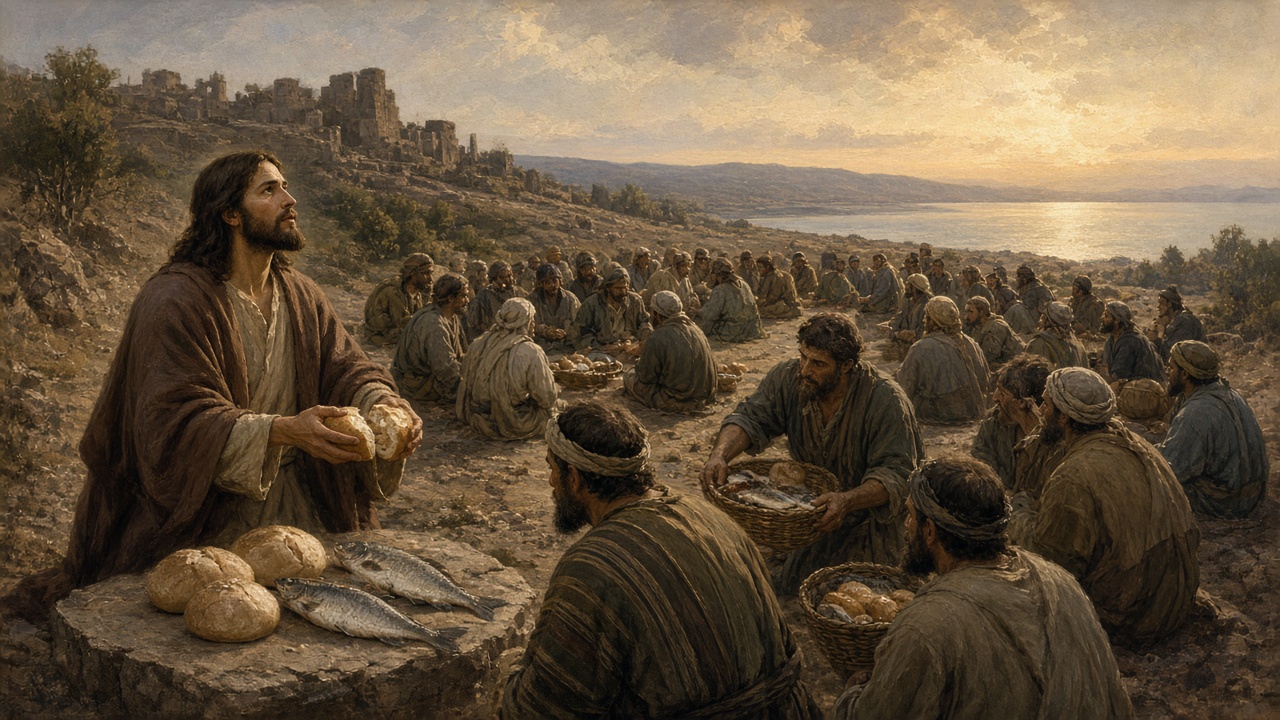
Asa Yesuko iŋo-iŋo rewero uniyó ŋande yimiraró, “Ye yimiroyika unipare 50, 50 ŋunde kopoya kunditi.” 15Ŋunde yiqo, unipare soso kunditaŋgurí. 16Asa Yesuko bret kandeka ko sono qare irisa ŋu siyoro samboko toŋetero puriŋo yero bret koya sono qare ŋu romboŋero iŋo-iŋo rewero uniyó se yunoní unipare se yunaŋgurí. 17Se yunoyi o ni qahuye tinditiní o kumi yoní toŋgo kome puŋge 12 ŋunde siriyoyi maŋgoraró.
Pitako Yesu koro murí yesowaró
18Naru kano Yesu enemata hariri teyoníqo, iŋo-iŋo rewero uniyó ŋu ŋuya ŋuno yaŋgurí. Kowe enendo ŋande osese yereró, “Unipare qambu ŋundo, no dani, yero yeyoteŋgo?”
19Yiní mande topé ŋande yaŋgurí, “Kumimboko keko sono re-re uni ŋu, Jon, yeyoteŋgo. Quko kumimboko, Elaija, yeyoteŋgo, ko kumimboko, ye-ye uni komo qu ka otoqaró qu, yero yeyoteŋgo.”
20Kowe enendo ŋande osese yereró, “Yendoko nenemboro dani yeyoteŋgo?”
Yiní Pitako mande topé ŋande yaró, “Keko Anutu koro Kristo ŋu,” yaró.
Yesuko eneŋo khumo otoqoweya ŋuro yaró
21Asa Yesuko soré yerero, no dani ka ye ma yimirowero, yaró. 22Ŋande yaró, “Unindoro Naŋuní ŋu kowe surumí parámi korowoní, uni kembé-kembémboya o qa-qa unindoro tapá unindoya hutuŋo mande ŋuro iŋo-iŋo unindoya ene huwóŋoro uri khumoweya. Ko naru kapusayómo ŋuno pitu ko otoqoweya.”
23Ŋunde yero unipare soso ŋande yimiraró, “Uni ka no nohoweweroqo, ene eneŋo re umburoqota, tipiririyó re koroworo no nohoweyoweya. 24Dokoro, dani kato eneŋo yoto-yotoyó kondé towowero ye iŋote qu, yoto-yotoyó ŋu piyo teweya. Quko dani kato no iŋo nunoro yoto-yotoyó rotoweya tiníqo, ene yoto-yotoyó ŋu reweya.
25“Qeni, ko uni ka noko koro o soso ŋu reweya, quko ene piyo tero kini teweya, asa o soso ŋundo date samakaŋoweya? 26Hamó, uni kato nenemborope ma mandenemboro kowi piyo teweya quko, asa tukú Unindoro Naŋuní ŋundo eneŋo sine parámimo mahero uni ŋuro kowi piyo teweya. Ko sine parámi ŋuko iwímboro, sambo simó surumí ŋuro sine parámiye ŋuya. 27No hamó yimiroteno, uni kumi ŋano kaŋeteŋgo qundo kama khumoyuri Anutuko unipareyó wiri yereyote naruyó ŋu mahiní qenewaŋgo.”
Yesu koro umu-kembé ŋu rohoréŋoro enesó taró
28Asa Yesuko mande ŋu yeroqo naru kande saŋiyoro kapusa ŋunde rotoro Pita, Jon, Jems yorero hariri tewero mira purímo oŋgurí. 29Oro hariri teyoní umu-kembé ŋu rohoréŋo enesó taró, ko eneŋo tuwiyó muko sara horé tero sine parámi taró. 30Ko uni irisa, Moses koya Elaija koya tunoqero eneya yaŋgurí. 31Uni irisa ŋundo sine parámimo ŋuno tunoqero Yesu Yerusalem ŋuno khumoweya ŋuro yero epe mito-mito teyaŋgurí. 32Pita koya topé irisa ŋuya kupo taŋgurí ŋu rotoro otoqoro Yesu koro sine parámi ŋuya uni irisa ŋuya yiyaŋgurí.
33Asa uni irisa ŋu Yesu roto toŋewero tiriqo, Pitako Yesu ŋande miraró, “Awa, nore keya yoteto quko ŋu meté. Nore yamaru kapusa towowato, kanata keŋo, kanata Moses koro, kanata Elaija koro.” (Ŋunde yaró, quko eneŋo mandí ŋuro murí kama iŋoní tondaŋaró.)
34Ŋunde yeyoní naŋge koporé ka mahe weyo yiriní sasaro taŋgurí. 35Koporé quroko ŋuno neka ŋande yaró, “Ŋuko neneŋo naŋone. Nondo ene rokóŋanowó. Maŋgó howeyuri qembe.” 36Ŋunde yiní kini tiní toŋetiqo, Yesu enesó ŋuno kaŋeyaró. Imemoŋgo iŋo-iŋo rewero uni ŋu o qeneŋgurí ŋuro uni kama yimiraŋgurí.
Yesuko yuqa piyimi simó quroko yora ŋu howiní toŋeró
37Asa tukú mira purí rotoro uyiqo, unipare qambu mahero Yesu koya kheko kopaŋgurí. 38Koporo uni ka keweroye moŋgo nekero yaró, “Rondaqe-rondaqe uni, no kondé kira kerewe teteno, ke meté naŋone qeneweya. Dokoro ŋuko naŋone kanata naŋge. 39Naru qambu yuqa piyimi kato towoní waka-waka kiweyote. Ŋunde towoní kowí piyimi yukuwoyote ko harasasa maŋgómo areyote. Naru parámi ŋunde towoní kowí rambaruruwowero teyote. 40Nondo komo iŋo-iŋo rewero unike kondé kira yerero, yuqa ŋu howi toŋeweya, yanowó. Quko enendo mepémo kini.”
41Asa Yesuko mande topé ŋande ye yimiraró, “Ye unipare itaka nokono yoteŋgo qundo iŋondutu kama reyoteŋgo! Naru date yeya yowano? Naru date quhuríye korowoyowano? Simó ŋu nono re mahe,” yaró. 42Yiní simó ŋu rero mahiní yuqa pusú ŋundo re raŋoní kowí soso yukuwaró. Quko Yesuko yuqa ŋu qene yero simó ŋu riní meté tiní re iwí inaró. 43Unipare soso Anutu koro wimbí parámi ŋu qenero kondé yukuwaŋgurí.
Asa o soso taró ŋu qene iŋondata teyuriqo, Yesuko iŋo-iŋo rewero uniyó yimitoro ŋande yaró, 44“Ye kusumbo re mande ŋa iŋoyi. Ko kumimbo Unindoro Naŋuní re saŋgirí uni kandeyemo rotowe teteŋgo.” 45Ŋunde yaró, quko murí ŋuro kama iŋoyi tondaŋaró. Mande ŋuro murí ŋuko sóqeyoní kama iŋaŋgurí. Ko murí ŋuro oseseyowero quro soraŋgurí.
Iŋo-iŋo rewero unindo epe taka-taka taŋgurí
46Asa iŋo-iŋo rewero unindo dani keweroyemo kato imemoŋgo topé-topé taka yereweya ŋuro mandeto epe uto-uto taŋgurí. 47Yesuko iŋo-iŋoye ŋu soso qene iŋomukoro simó ta ka rero taŋgímo rotoní kaŋiní 48iŋo-iŋo rewero uni ŋu ŋande yimiraró, “Uni kato neneŋo iŋoro simó ta ka ŋande quya topo teweya ŋuko noya topo teweya. Uni noya topo teweya ŋuko Awanembo asá nereró ŋuya topo teweya. Qeni, ye kato topé soso kusuŋoyemo yote ŋundo ene soso taka yerete.”
49Ŋunde yiní Jonko mande topé yaró, “Awa, uni kato keŋo owéŋgepo yuqa piyimi yohowiní toŋeŋgurí ŋu qenetowó. Uni ŋu noreŋo sowe-sowe qu kini. Ŋuroko yuqa piyimi, ma yohowewero, yero soréŋatowó.”
50Quko Yesuko ŋande miraró, “Ma soréŋowero. Dokoro uni yeya saŋgirí kama te yunoteŋgo ŋuko yeŋo topoye.”
Samaria unindo Yesu koya topo kama taŋgurí
51Asa yate-yate Anutuko Yesu re samboko owero naru tukuni tiníqo, Yesuko, Yerusalem owano, yero kondé iŋoro oró. 52Oroyate uni kumi asá yiriní koretero o roŋgaruwowero toŋeŋgurí. Toŋero Samaria mira koro yendé kano oŋgurí. 53Quko unipare ŋuno qundo qenero, Yesu Yerusalem ote, ye iŋoro eneya topo kama taŋgurí. 54Ŋunde tiqo, iŋo-iŋo rewero uni irisa Jems koya Jon, irisa ŋundo muríye ŋu qenero Yesu ŋande oseseyariyó, “Uni Parámi, ke metémbe iŋi nore irisa ŋando yaro kewá sambo koŋgo umburo unipare ŋu rambaruru yereweyape?” ŋunde yariyó.
55Quko Yesuko rohoréŋoro irisa ŋu yiyo yero 56yendé ŋu takaro meyowomo ŋuno toŋeŋgurí.
Yesu howewero khe ŋu
57Oyate uni kato Yesu ŋande miraró, “Ke dana uyareweya qunoko no ŋuya kohowe ŋuno uyarewano.”
58Yiní mande topé ŋande yaró, “Á sawa ŋuko meréye noko quroko yote, nú ŋuya yaye moré. Quko Unindoro Naŋuní ŋuko etewero mirayó moré kini.”
59Ŋunde yero uni meyowo ka ŋande miraró, “Ke maheya no nohowe.”
Quko enendo ŋande yaró, “Uni Parámi, norotoka no toŋeya awane re tapuŋowekata.”
60Yiní ŋande miraró, “Enina, uni khumowí ŋundoko topoye khumoteŋgo ŋu se tapu yiri. Quko keko uyareya Anutuko unipareyó wiri yereyote naruyó ŋuro yesowo qembe.”
61Uni meyowo kato Yesu ŋande miraró, “Uni Parámi, noko ke kohowewero iŋoteno, quko koretero norotoka no uyareya suwisawine, ime yuri, ye yimirowekata.”
62Quko eneko ŋande miraró, “Ke kho roŋgaruwowero iŋote, quko o soso komo quro huwóŋgemo toŋetete tiníqo, ke Anutuko unipareyó wiri yereyote naruyómo ke kho tewero mepémo kini.”
Did you know?
Mission, identity, and the road to Jerusalem
- Herod the tetrarch, perplexed by reports about Jesus, is Herod Antipas, Herod's son by Malthace. He said he had beheaded John, while some claimed that John had risen from the dead, others that Elijah the Tishbite, the "Elias" of the New Testament, had appeared, and still others that a prophet of old had arisen. One chronology of these events dates John's beheading to AD 29.Sources: Herod Antipas · Elijah · John Beheaded · the Bible text itself
- After the apostles returned, Jesus withdrew with them to a town called Bethsaida, where he welcomed the crowds, spoke about the kingdom of God, and fed about five thousand men with five loaves and two fish. Easton's Bible Dictionary (1897) places this Bethsaida on the east side of the lake, two miles up the Jordan, in the region of Gaulonitis; Philip the tetrarch enlarged it and called it Julias, after the emperor's daughter. Some have supposed there was only one Bethsaida, built on both sides of the lake near where the Jordan enters it; the entry identifies the ruins as et-Tel.Sources: Bethsaida · the Bible text itself
- Peter, originally called Simon, answered that Jesus is "the Christ of God." About eight days later Jesus took Peter, James, and John up a mountain to pray; Moses and Elijah appeared in glory and spoke about the departure Jesus was about to accomplish at Jerusalem. James, elder brother of John and a fisherman in partnership with Peter, was with them; he and John were called Boanerges, "sons of thunder," probably because of their boldness and energy, and later they asked whether they should call down fire from heaven on a village of the Samaritans that would not welcome Jesus because he was heading for Jerusalem.Sources: Simon Peter · James (Son of Zebedee) · the Bible text itself
Notes written with AI assistance from open sources (Theographic Bible Metadata, CC BY-SA 4.0; Easton’s Bible Dictionary, public domain) and reviewed before publishing.
Places in this chapter
Only places identified with high confidence are shown (90% or more according to the scholarly sources compiled by OpenBible). Period map: DARE (Digital Atlas of the Roman Empire), CC BY 4.0; modern map: © OpenStreetMap contributors; places: OpenBible.info (CC BY 4.0).
Credits and license for this translation
Iyo New Testament
The New Testament in the Iyo Language of Papua New Guinea
Nupela Testamen long tokples Iyo long Niugini
copyright © 2009 Wycliffe Bible Translators, Inc.
Language: Iyo
Translation by: Wycliffe Bible Translators
This translation is made available to you under the terms of the
Creative Commons Attribution-Noncommercial-No Derivatives license 4.0.
You may share and redistribute this Bible translation or extracts from it in any format, provided that:
You include the above copyright and source information.
You do not sell this work for a profit.
You do not change any of the words or punctuation of the Scriptures.
Pictures included with Scriptures and other documents on this site are licensed just for use with those Scriptures and documents.
For other uses, please contact the respective copyright owners.
2025-05-15
Source: http://png.bible/nca/ · eBible.org