Luke 5
Iyo New Testament · Tap a verse to see its cross-references.
Yesuko iŋo-iŋo rewero uniyó korete qu neko yereró
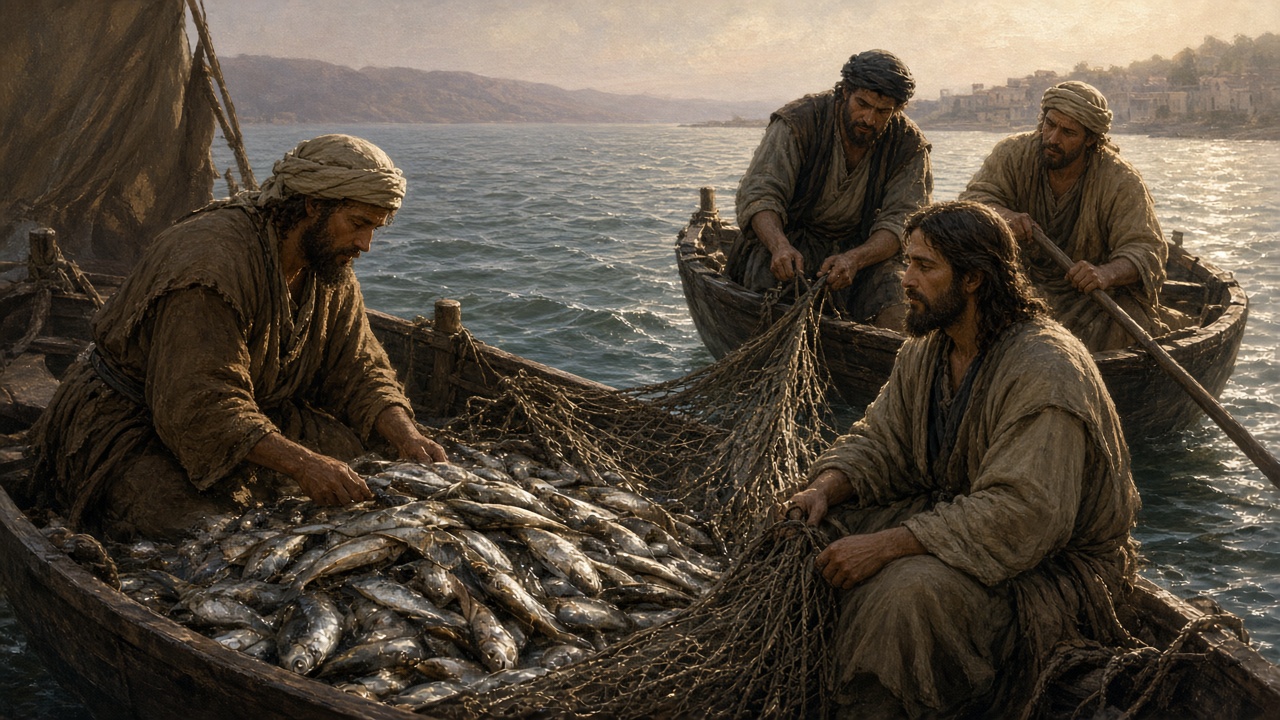
1Naru kano Yesu Genesaret Sono Towo tapémo kaŋeyoní unipare qambu mahero Anutu koro mande iŋowero wuririyoro epe pito-pito taŋgurí. 2Ŋunde ti waŋgo tomó ta irisa sono towo tapémo ŋuno yorori yiyaró. Uni sono qare siyoyaŋgo kumimbo waŋgo ŋu rotoro tirí-tiríye ŋu se sonowoyaŋgurí. 3Asa Yesuko Saimon koro waŋgoko ŋuno oro Saimon yiní waŋgo wosoní sono saŋano soŋga ta na uyaró. Uyariní Yesu waŋgo saŋano ŋuno kunditero unipare qambu ŋu mande rondaqe yunaró.
4Mande yimironí kini tiníqo, Yesuko Saimon miraró, “Ye waŋgo ŋa reya tirí-tiríye sono towo meré piyimimo rotoyika ŋuno uweya,” yaró.
5Yiní mande topé yaró, “Awa, suwono kho parámi teyato saraŋote, quko nore sono qare ka kama siyato. Quko no keŋo maŋgoke howero tirí-tirí rotowe uweya,” yaró.
6Yero ene ŋunde tero sono qare parámi siyoyi tirí-tirí ŋu wamba wuriró. 7Ko kho kopo topé waŋgo meyowomo ŋuno yoroyi neko yiri mahe samaka yereŋgurí. Ŋundiro tiqo, waŋgo irisa ŋu sono qareko maŋgoriní irisa ŋu sono quroko wamba uriyó. Waŋgo ŋu sono qareko maŋgoriní sono quroko wamba uró.|alt="Disciples catch a haul of fish" src="UBSb-11b" size="col" copy="UBS New Reader Series (c) United Bible Societies" ref="LUK 5:6"
8Saimon-Pitako ŋu qenero Yesu khí rorowo kaŋero potoruku te inoro yaró, “Uni Parámi, no norotoya toŋe, dokoro no uni quhurí uni.” 9Ŋunde yaró, dokoro eneya topé-topémboya sono qare parámi siyo qenero newondeye yukuwaró. 10Saimon koro kho kopo topé irisa ŋu, Jems koya Jon, Sepeti koro naŋo-simó, ŋu ŋuya sono qare ŋu qenero iŋondataqariyó.
Quko Yesuko Saimon ŋande miraró, “Ma sasaro tewero. Ŋa naruko ŋano unipare yowosoní Anutusina uyarewaŋgo,” yaró. 11Ko waŋgo irisa ŋu sono towo tapémo yowosoro oye soso rotoro Yesu howaŋgurí.
Yesuko kowí piyimi khumo uni ka riní meté taró
12Naru kano Yesu yendé kano yoníqo, uni ka ŋuno yora, kowí piyimi khumo ŋuko eneŋo kowí soso pokamaró. Asa Yesu qenero, potoruku rero umu-kembé nokono rero Yesu kirayaró, “Uni Parámi, keto ŋu iŋi mepémo tiníqo, no nori sara tewano.”
13Yesuko kandí saŋanímo rero miraró, “No ŋuro iŋoteno. Ke sara teweya.” Yiní waka ta se khumo ŋuno qu roto toŋeró.
14Rotoní Yesuko kondé ŋande miraró, “O ŋa keno tunoqete ŋaro uni ka ma yimirowero. Hutuŋo mande Mosesko yimiraró ŋu howeya o qa-qa uni koweke re witú yereya keto sara tunoqete quro oka Anutu te ino qembe. Ŋunde tiqo, se khumoke kini tete, ye iŋowaŋgo.”
15Quko Yesuko o taró ŋuro piŋa mandeyó ŋu mira soso uro toŋeró. Ŋunde ŋuro unipare qambu qundo, nore mandí iŋato se khumonani riní meté teweya, ye iŋoro eneno uyareŋgurí. 16Quko enendo toŋero sikuno uyaro hariri teyara.
Yesuko uni ka khí piyimi mu riní meté taró
17Naru kano Yesuko mande rondaqero unipare yunoyaró. Yunoní Farisi unindoya hutuŋo mande ŋuro rondaqe-rondaqe unindoya kopo mahe kunditeyaŋgurí. Uni ŋundo Galili koro yendé soso ŋu noŋgo, ko Judia koro yendé soso ŋu noŋgo ko Yerusalem noŋgo ŋuya maheŋgurí. Asa Uni Parámimboro wimbí Yesu koya yoní ŋundo se khumo uni ŋu yoriní meté taŋgurí. 18Kowe uni kumimbo uni ka re koroworo maheŋgurí. Uni ŋu khí irisa-irisa ukumi riní yakutímo ŋuno eteyaró. Eteyoní re koroworo ya ka Yesu yaró quno ŋuno owero iŋaŋgurí. 19Quko unipare qambu horé ŋundo ya maŋgorero mako ŋuya wisumuŋaŋgurí. Ŋunde ŋuro ya umómo oro witú rero yakutí ŋu utómbo kusiyo ri ŋuwore ŋundo unipare keweroyemo umburo Yesu toŋímo yaró.
20Yesuko uni ŋuro iŋondutuye hamó qenero iŋoro ŋande yaró, “Topo, keŋo quhuríŋge se rotoní.”
21Hutuŋo mande ŋuro iŋo-iŋo unindoya Farisi unindoya newondeyemo ŋande yero iŋaŋgurí, “Ŋu danimbo Anutu yesaráŋoyote? Anutuko naŋge quhurí se rotowero wimbí tete.”
22Asa Yesuko iŋo-iŋoyemo osese-osese taŋgurí ŋu qene iŋoro mande topé yaró, “Dokoro ye newondeyemo osese ŋunde qu ye iŋoteŋgo? 23Ye date iŋoteŋgo? Nondo, ‘Quhuríŋge se rotoní,’ ye mirowano tiníqo, ŋuko wuruwara mande peka, ye eŋgé qenewero mepémo kini. Quko, ‘Ke otoqoya khete-khete uyare,’ ye mirowano tiníqo, ŋuko mande quhurí horé, ŋuro eŋgé qene iŋomukowaŋgo, hamómbe? 24Quko ŋande iŋi, Unindoro Naŋuní ŋundo nokono ŋano unindoro quhuríye se rotowero quro wimbí tete.” Ŋunde yero uni khí piyimi ŋu ŋande miraró, “Nondo kimirowe, ke otoqoya yakutíŋge re korowoya yakemo u,” yaró.
25Waka ta uni ŋu otoqoro unipare toŋeyemo yakutíŋo re koroworo Anutu seré te inoro uyaro paseyómo oró. 26Oní unipare soso qenero iŋondutuye enesó-enesó taró. Qenero sasaro tero Anutu seré te inoro ŋande yaŋgurí, “Itaka o amana horé qeneteto.”
Yesuko Liwai nekaró
27Imemoŋgo Yesuko uyaro takis re-re uni ka, owí muko Liwai, ŋu qeneró quko takis rewero paseno ŋuno kunditeyaró. Kunditeyoní ŋande miraró, “Ke mahe no nohowe.” 28Yiní otoqoro oyó soso ŋuno rotoro uyaro Yesu howaró.
29Ko Liwaiko Yesu koro o ne-ne parámi ka eneŋo yano ŋuno taró. Uni takis re-re uni qambu quya uni meyowo ŋuya o newero quro ŋuno eneya etaŋgurí. 30Farisi unindoya hutuŋo mande ŋuro iŋo-iŋo unindoya eneŋo iŋo-iŋo rewero uniyómboya kisikasa mande ŋande yaŋgurí, “Dokoro enendo takis re-re unindoya quhurí unindoya o kopo neyoteŋgo?”
31Ŋunde yi Yesuko mande topé ŋande yaró, “Uni se khumoye moré kini muko dotako kama uwaŋgo. Kini. Se khumo uni ŋundo naŋge dotako uyoteŋgo. 32Ŋunde naŋge no uni roneneŋowí neko yerewero kama umbunowó. Kini. Nondo quhurí uni ŋu neko yereweka newonde rohoré ti yero umbunowó.”
Kundiŋi tewero ŋuro Yesu oseseyaŋgurí
33Asa uni kumimbo Yesu koya ŋande yaŋgurí, “Naru kumimo Jon koro iŋo-iŋo rewero uniyómbo o newero ŋuro kundiŋi tero hariri teyoteŋgo. Farisi koro iŋo-iŋo rewero uni ŋuya ŋunde teyoteŋgo. Quko keŋo unike muko kinaŋge o qoyemboro neyoteŋgo.”
34Kowe Yesuko ŋande yimiraró, “Ko uni kato epe re-re tewero o ne-ne naruko ŋuno topé-topémbo kundiŋi tewero mepémo kini, hamómbe? 35Quko imemoŋgo ta uni ŋu ri toŋeweya. Ŋu naruko ŋuno naŋge topé-topémbo kundiŋi tewaŋgo.”
36Asa Yesuko tapara mande ka ŋande yimiraró, “Ko uni kato tuwi keta qu romboŋero tuwi sumi ŋu rero tuwi komo quro wituyómo ŋuno kama tiŋiyoweya. Kini, ŋunde teweya quko tuwi keta ŋu rambaruruwoweya, ko tuwi komo ŋu kiraró enesó, tuwi sumi keta ŋuko enesó. 37Ko uni kato wain keta qu re meme kowí puŋge komo quno ŋuno kama puŋgeyoweya. Kini, wain keta ŋuro yuqayómbo puŋge komo ŋu umboroŋoní wain ŋu hausuworo nokono umbuní puŋge ŋuya piyo teweya. 38Asa ko wain keta qu puŋge keta quno naŋge puŋgeyoyi qembe. 39Ko uni kato wain komo qu ka neroqo keta quro kama iŋoyote, dokoro, ‘Komo ŋuko meté,’ ye iŋoyote.”
Did you know?
Calls, Healings, and New Wine
- Jesus taught the people from Simon’s boat on the Lake of Gennesaret while the crowd pressed in along the shore. The name comes from a town of Naphtali on the western shore, earlier called Chinnereth; the plain beside the lake, noted for its fertility and beauty, was called “the Paradise of Galilee.”Sources: Gennesaret · the Bible text itself
- Simon, also called Peter, grew up in Bethsaida, on the western coast of the Sea of Galilee, and was trained as a fisherman. James and John, his partners in the other boat, were sons of Zebedee, a Galilean fisherman; Easton's Bible Dictionary (1897) infers that Zebedee had some position in Capernaum, because he had two boats and hired servants.Sources: Simon Peter · James (Son of Zebedee) · Zebedee · the Bible text itself
- The man Jesus called from the tax booth is named Levi in this chapter; in other accounts he is Matthew, son of Alphaeus, a tax collector at Capernaum. Easton's Bible Dictionary (1897) suggests that he may have taken the name Matthew in grateful memory of his call, and describes the great banquet he gave that same day as a farewell feast.Sources: Matthew · the Bible text itself
Notes written with AI assistance from open sources (Theographic Bible Metadata, CC BY-SA 4.0; Easton’s Bible Dictionary, public domain) and reviewed before publishing.
Places in this chapter
- Gennesaret · Today: El Ghuweir · 32.861, 35.507 · verse 1
- Galilee · 32.760, 35.527 · verse 17
- Jerusalem · 31.777, 35.234 · verse 17
- Judea · Today: Judea 1 · 31.777, 35.234 · verse 17
Only places identified with high confidence are shown (90% or more according to the scholarly sources compiled by OpenBible). Period map: DARE (Digital Atlas of the Roman Empire), CC BY 4.0; modern map: © OpenStreetMap contributors; places: OpenBible.info (CC BY 4.0).
Credits and license for this translation
Iyo New Testament
The New Testament in the Iyo Language of Papua New Guinea
Nupela Testamen long tokples Iyo long Niugini
copyright © 2009 Wycliffe Bible Translators, Inc.
Language: Iyo
Translation by: Wycliffe Bible Translators
This translation is made available to you under the terms of the
Creative Commons Attribution-Noncommercial-No Derivatives license 4.0.
You may share and redistribute this Bible translation or extracts from it in any format, provided that:
You include the above copyright and source information.
You do not sell this work for a profit.
You do not change any of the words or punctuation of the Scriptures.
Pictures included with Scriptures and other documents on this site are licensed just for use with those Scriptures and documents.
For other uses, please contact the respective copyright owners.
2025-05-15
Source: http://png.bible/nca/ · eBible.org