Luke 23
Iyo New Testament · Tap a verse to see its cross-references.
Yesu re uyaro Pailat toŋímo mande kho inaŋgurí
1Asa uni soso otoqoro Yesu re Pailatko ŋuno uyareŋgurí. 2Uyaro ŋuno mande piyimi ŋande yaŋgurí, “Uni ŋa noreŋo wininanimboro iŋo-iŋoye roworemoyote. Ŋundo uni ka Sisa takis inowero soré yereyote. Ko, ‘Kristo ŋuko no, wiri yerete uni ka,’ yeyote.”
3Ŋunde yi Pailatko oseseyaró, “Kepe Juda uniparetoro wiri yerete uni ŋumbe, ma kini?”
Yiní mande topé ŋande yaró, “Keŋombo ŋunde naŋge yete.”
4Asa Pailatko o qa-qa unindoro tapá uni ŋuya unipare qambu ŋande yimiraró, “No uni ŋaro potó ka kama qeneteno,” yaró.
5Quko mande kondé ŋande yaŋgurí, “Ŋundo mande rondaqe unipare soso Judia mirako yoteŋgo qu yunoní newondeye otoqoyote ŋu. Galili noŋgo hurí tero, yate-yate ŋano mahete.”
Yesu re uyaro Herot toŋímo mande kho inaŋgurí
6Asa Pailat mande ŋu iŋoro osese yereró, “Ŋuko Galili noŋgo qu, hamómbe?” 7Herotko Yesu ŋuro mirayó soparó. Asa ko Pailatko asáŋoní Herotko ŋuno uyaró. Ŋu naruko ŋuno Herot Yerusalem ŋuno yora.
8Asa Herotko Yesu qenero niŋgu-niŋgu parámi taró. Dokoro ene ŋuro piŋa mande iŋoro, naru parámi qenewero ye iŋaró. O wimbí moré ka towoníka qenewe, ye iŋaró. 9Asa mande parámi yero oseseyaró, quko Yesuko mande topé ka kama taró. 10O qa-qa unindoro tapá unindoya hutuŋo mande ŋuro iŋo-iŋo unindoya mahe kutaqe kaŋero mande piyimi kondé ye inaŋgurí. 11Asa Herot koya kuma uniyómboya huwó mande ye inoro kundo tero tuwi meté horé piru ka re mahero kusiyo inoro, pitu ko asáŋoní Pailatko ŋuno uyaró. 12Komoko Herot koya Pailat koya saŋgirí teyariyó. Quko ŋu naruko ŋunoko topo tariyó.
Pailatko Yesu tipiririko urowaŋgo ŋuro yaró
13Asa Pailatko o qa-qa unindoro tapá unindoya uniparetoro uni pará-parámboya unipare qambu ŋu neko yiriní mahiqo, 14ŋande yimiraró, “Yendo uni ŋu re mahero ŋande yeteŋgo, ko ene unipare soso yowosoní Sisa koro mandí wendaqeyoteŋgo. Iŋoyi, nondo toŋeyemo oseseyoteno, potóŋo moré kini qeneteno. 15Herot ŋuya ŋundiro naŋge, dokoro riní pitu ko noreno mahete ŋa. Iŋoyi, uni ŋu oka kama ta qu re urato khumoweya. 16Ŋunde ŋuroko nondo kina haususuworo rotowe toŋeweya.” 17(-)
18Ŋunde yiní unipare soso neko kiwero ŋande yaŋgurí, “Uni ŋu rika Barapas rotoyika noreno mahiní,” yaŋgurí. 19Komo Barapas ŋuko yendé parámimo ŋuno Sisa koro mandí wendaqero kuma riní otoqaró. Uni yuroní khumoyi rero kusi-kusi yano rotaŋgurí.
20Asa Pailatko Yesu rotowero ye iŋoro pitu ko ŋande yimiraró, “Rotoweka toŋiní,” yaró. 21Quko ki parámi tero yeyaŋgurí, “Re tipiririko uroyi! Re tipiririko uroyi!”
22Yeyuri, naru kapusayómo ŋande yimiraró, “Do karo? Do o piyimi ka ta quro? No o piyimi ka kama ta qu qenero ŋuro date urato khumoweya. Ŋunde ŋuroko nondo kina haususuworo rotowe toŋeweya.”
23Ŋunde yaró, quko enendo wimbí tero, ki parámi tero, tipiririko uroyika khumoní, yaŋgurí. Neko kiweyaŋgo ŋundo Pailat koro mande qu ri umburó. 24Ŋunde ŋuroko Pailatko mandeye ŋu howaró. 25Uni ŋundo, kuma tero uni yuroní khumaŋgurí mu kusi-kusi yano yora, komo unipareto ŋu rewero kiwaŋgurí, ŋu Pailatko rotoní toŋeró. Ko Yesu rero uniparetoro iŋo-iŋoye howero kuma uni kandeyemo rotaró.
Yesu tipiririko uraŋgurí
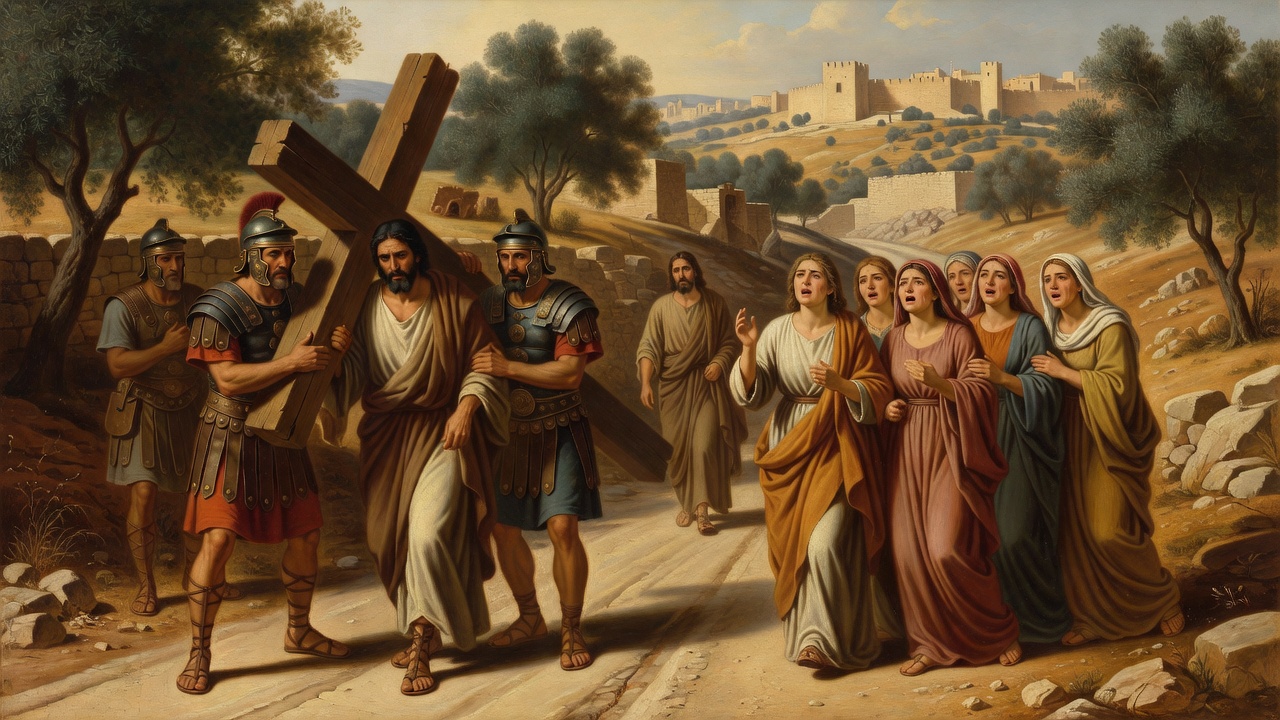
26Asa kuma unindo Yesu re uyaroqo, uni ka ŋuya towaŋgurí. Uni ŋu Sairin yendé moŋgo, owí muko Saimon. Enendo siku noŋgo mahero yendémo owero taró. Asa uni ŋu toworo tipiriri re inoyi koroworo tukú Yesu howaró. 27Unipare parámi howero pare qambu tendo mukuru taŋgurí. 28Ŋunde tiqo, Yesu rohoréŋoro yimiraró, “Ye Yerusalem pare, ye neneŋo ma tendowero. Yeŋomboro ko simóyemboro tendi. 29Iŋoyi, imemo naru piyimi ka tunoqeweya. Ŋu naruko ŋuno ye ŋande yewaŋgo, ‘Pare kusimi ŋu, pare simó kama pisiyaŋgo qu, pare simó susu kama yunoyaŋgo qu, ye meté horé yoteŋgo.’ 30Ŋu naruko ŋuno
“‘unindo mira purí ŋande kirayowaŋgo,
“Ye nore saŋano umbu raŋoyi!”
ko mira purí tomó ta-ta ŋuya kirayowaŋgo,
“Ye nore weyo yiri!”’
31“Dokoro itaka, te ŋuko sitúŋo moré tete qunoko ŋandiro teteŋgo. Imemoŋgo, te ŋuko sitúŋo moré kini, hari teweya qunoko date tewaŋgo?”
32Asa uni irisa komo o piyimi teyari ŋuya yorero, Yesu koya yuratoka khumori, yero maheŋgurí. 33Mahero mira ka owí muko Kembémboro Wimbí ŋuno mahero Yesu re tipiririko porowaŋgurí. Utoro uni piyimi irisa ŋuya tipiriri irisa ŋuno poro yereŋgurí, ka kandí kondésina, ka kandí tesina porowaŋgurí. 34Ko Yesuko ŋande yaró, “Awa, quhuríye se roto. Dokoro oka teteŋgo ŋaro murí kama iŋoyi tondaŋete.” Kuma unindo kowe punu-punuyó ŋu rondaŋe siyowero quro kundo ka taŋgurí.
35Unipare kaŋero toŋetiqo, uni pará-parámbo huwó mande Yesu koya ŋande yeyaŋgo, “Ŋundo uni kumi rambaruru koŋgo yoraró. Asa ene hamó Anutu koro Kristo ŋu, uni Anutuko rokóŋaró ŋu tiníkaqo, asa rambaruru ŋa takaní.”
36Kuma unindo ŋuya Yesu koro huwó mande ye inaŋgurí. Ene kutaqemo ŋuno mahero, wain oŋgomi re inoro 37ŋande yaŋgurí, “Asa ke Juda koro wiri yerete uni tiníkaqo, asa keŋo rambaruru ŋa taka.”
38Ko mande ka nakayáŋoro tipiriri suwómo raŋgurí. Mande ŋuko ŋandiro, “Uni ŋako Juda Uniparetoro Wiri yerete Uni ŋu.”
39Asa uni irisa se poro yereŋgurí qu kato Yesu ŋande yesaráŋaró, “Kepe hamó Kristo ŋumbe? Asa keŋombo keŋo koweke samakaŋoyaqo, nore ŋuya samaka nere.”
40Quko meyowo ŋundo qene yero ŋande miraró, “Ke ŋuya topé piyimi ŋunde qu rete. Asa dokoro Anutu koro kama sorete? 41Noreko quhurí uni koro kimoyó meté retero. Quko uni ŋako quhurí ka kama taró.”
42Yero ŋande yaró, “Yesu, ke unipareke wiri yereyote narukemo oweya qunoko, ke neneŋo iŋo qembe.”
43Yiní Yesuko ŋande miraró, “No hamó ke kimiroteno, itakako ke noya paradais ŋuno yowaro.”
Yesu khumaró
44Asa kosa keweroko mira soso huriri teyate suwoya 3 kilok ŋunde taró. 45Ko tuwi parámi Ya Surumí quroko qu porowoyaró, ŋu kosaŋero tuwi irisa tunoqaró. 46Ko Yesu kondé kiwero ŋande yaró, “Awa, no yuqane kandekemo reteno.” Ŋunde yeroqo yuqayó rotoro khumaró.
47Asa kuma unindoro sopo-sopo uni ŋundo ŋu qenero Anutu owí hokoro ŋande yaró, “Hamó horé, uni ŋuko roneneŋowí mu naŋge,” yaró. 48Ko unipare qambu qenewero maheŋgurí ŋundo o ŋu qenero newondeye surumí tiní nomoye utoro roto toŋeŋgurí. 49Quko Yesu koro topé-topé ŋuya pare Galili noŋgo ŋu howe maheŋgurí ŋuyako kapiyamo kaŋero o ŋu soso qenemukaŋgurí.
Josepko Yesu re tapuŋaró
50Uni pará-parámboro huru-huru koro uni ka owí Josep ŋu yora. Ŋuko uni meté, uni roneneŋowí qu ka. 51Enendo Juda uni kembé-kembémboro iŋo-iŋoye ŋuro kama metéŋaró. Eneko Arimatea noŋgo qu, asa Juda koro yendé qu ka, ko Anutuko unipareyó wiri yereyote naruyó ŋuro sopoyaró. 52Asa uni ŋu uyaro Yesu ukúŋo rewero Pailat kirayoní Pailatko meté yaró. 53Ŋunde yiní Yesu ukúŋo re umburo tuwi kekere sara-sara qundo pokamoro re uni tapu kano ŋuno raró. Komo uni tapu ŋu wondo wekokoro towaró, ko uni ka re ŋuno kama tapuŋoyaŋgo. 54Naru ŋuko Roŋgaruwowero Naru, ko naru tapuŋaró quno ŋuno Sapat naru ŋu tunoqewero taró ŋu.
55Asa pare komo Galili rotoro Yesu koya maheŋgurí ŋundo Josep howero uyaro uni tapu ŋu qeneŋgurí. Ko ukúŋo re dano rotaró ŋu ŋuya qeneŋgurí. 56Qenero yayemo toŋero kiruwó meté-meté nuŋgurí mu se roŋgaruwaŋgurí. Roŋgaruworo, yate Sapat naruko koro mande kondé ŋu howero imaqaŋgurí.
Did you know?
Trial, Cross, and Burial
- Pontius Pilate, identified by Easton's Bible Dictionary (1897) as the sixth Roman procurator of Judea (A.D. 26–36), kept his headquarters at Caesarea but often went up to Jerusalem. The council’s accusations in this chapter are political: that Jesus was subverting the nation, forbidding the payment of taxes to Caesar, and proclaiming himself Christ, a king.Sources: Pontius Pilate · the Bible text itself
- When Pilate learned that Jesus was a Galilean and under Herod’s jurisdiction, he sent him to Herod Antipas, a son of Herod by Malthace, who was then in Jerusalem. Herod had long wanted to see Jesus and hoped for a miracle, but Jesus did not answer his questions. After Herod and his soldiers mocked Jesus and dressed him in a fine robe, they sent him back, and that day Herod and Pilate, who had been enemies, became friends.Sources: Herod Antipas · the Bible text itself
- The place of crucifixion is called The Skull; a Latin form, Calvaria, translated the Greek Kranion, which rendered the Hebrew Gulgoleth. It probably took this name from its shape, a low, rounded, bare rise somewhat like a human skull, and Scripture nowhere calls it a hill. The crucifixion took place outside the city walls and near a public road.Sources: Skull · the Bible text itself
Notes written with AI assistance from open sources (Theographic Bible Metadata, CC BY-SA 4.0; Easton’s Bible Dictionary, public domain) and reviewed before publishing.
Places in this chapter
- Galilee · 32.760, 35.527 · verses 5, 6, 7, 49, 55
- Jerusalem · 31.777, 35.234 · verses 5, 7, 19, 28
- Judea · Today: Judea 1 · 31.777, 35.234 · verses 5, 51
- Cyrene · 32.821, 21.851 · verse 26
Only places identified with high confidence are shown (90% or more according to the scholarly sources compiled by OpenBible). Period map: DARE (Digital Atlas of the Roman Empire), CC BY 4.0; modern map: © OpenStreetMap contributors; places: OpenBible.info (CC BY 4.0).
Credits and license for this translation
Iyo New Testament
The New Testament in the Iyo Language of Papua New Guinea
Nupela Testamen long tokples Iyo long Niugini
copyright © 2009 Wycliffe Bible Translators, Inc.
Language: Iyo
Translation by: Wycliffe Bible Translators
This translation is made available to you under the terms of the
Creative Commons Attribution-Noncommercial-No Derivatives license 4.0.
You may share and redistribute this Bible translation or extracts from it in any format, provided that:
You include the above copyright and source information.
You do not sell this work for a profit.
You do not change any of the words or punctuation of the Scriptures.
Pictures included with Scriptures and other documents on this site are licensed just for use with those Scriptures and documents.
For other uses, please contact the respective copyright owners.
2025-05-15
Source: http://png.bible/nca/ · eBible.org