John 3
Iyo New Testament · Tap a verse to see its cross-references.
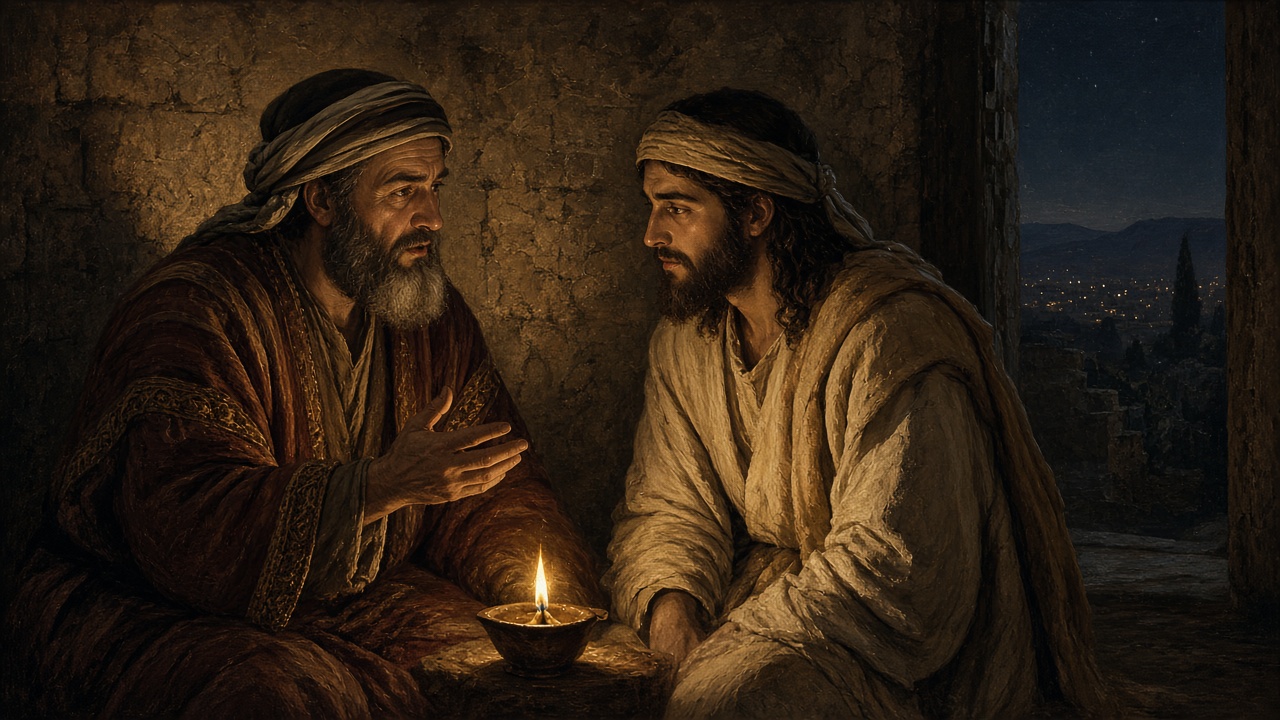
Yesu koya Nikodemus koya mande tariyó
1Asa uni ka yaró mu, owí muko Nikodemus. Ŋuko Farisi uni ka, Juda koro uni kembé ka. 2Uni ŋu suwono Yesuko mahero ŋande yaró, “Rapi, nore ŋande iŋomukoteto, keko rondaqe-rondaqe uni Anutu koŋgo mahete qu. Dokoro Anutuko uni kaya kama yote tiníqo, rokó-rokó keto teyote ŋunde qu tewero mepémo kini.”
3Yesuko mandí topé ŋande yaró, “Hamó horé ŋande kimiroteno, uni ka pitu ko kama pisiyoweya quko, enendo Anutuko unipareyó wiri yereyote naruyó ŋu kama qeneweya.”
4Yiní ŋande oseseyaró, “Date tero uni koŋgomu kato pitu ko nimímbo pisiyoweya? Ŋumbeka nimí qahí quroko pitu ko uweya?”
5Yesuko mande topé ŋande yaró, “Hamó horé, ŋande kimiroteno, uni ka sonowore, Yuqawore kama pisiyoweya quko, enendo Anutuko unipareyó wiri yereyote naruyómo ŋuno kama oweya. 6Kowe saŋanímbo pisiyote ŋuko kowe saŋaní naŋge, ko Yuqako pisiyote ŋuko yuqa naŋge. 7Nondo kimiroteno, ‘Ye pisiyoweya qu pitu ko tunoqi,’ yeteno, quko ŋuro iŋondata parámi ma tewero. 8Qeno, matú ŋuko eneŋo iŋo-iŋoyó howero mira kawore-kawore ŋana uyote. Ke niriyó ŋu iŋoyote, quko dawore mahete ko dawore ute ŋu kama iŋoyote. Asa Yuqako date unipare pisi yerete ŋuro murí ŋuya kama iŋoyoteto.”
9Nikodemusko ŋande oseseyaró, “Ŋu date tunoqeweya?”
10Yiní mande topé ŋande yaró, “Date koro? Ke Israel uniparetoro rondaqe-rondaqe uni tete, quko o ŋuro kama iŋote ŋu? 11Hamó horé kimiroteno, noreko o iŋoyoteto ŋuro yeyoteto. Ko o komo qeneto ŋuro yesowo yeyoteto. Quko ye mande norendo yesowo yeyoteto ŋuro huwóŋoyoteŋgo. 12Nondo o nokono quro yimiranowó, quko ye kama iŋondutuwoyaŋgurí. Ŋunde ŋuroko no o samboko quro ye yimirowano tiníqo, ye date iŋondutuwowaŋgo? 13Ko uni kato samboko kama oró. Kini. Unindoro Naŋuní ŋundo naŋge sambo ŋu roto umburó. 14Komo Mosesko mira wimbímo sire ka hokaró, ŋunde naŋge uni kumimbo Unindoro Naŋuní hokowaŋgo. 15Ŋunde tero uni soso iŋondutu tewaŋgo ŋuko ene quroyómo ŋuno yoto-yoto suki-suki rewaŋgo,” yaró.
16Dokoro Anutuko hamó newonde meté unipare soso yunoyote. Ŋunde tero Naŋuní Kanata Naŋge ŋu roto yunaró. Roto yunoní unipare soso Naŋuní ŋu iŋondutuwoyoteŋgo ŋuko kama piyo tewaŋgo. Kini, yoto-yoto suki-suki rewaŋgo. 17Dokoro Anutuko Naŋunímbo oteteyemboro topé piyimi unipare yunowero quro kama asáŋoní nokono umburó. Kini, Naŋuníwore unipare rambaruru koŋgo yorewero quro asáŋoní umburó. 18Uni kato iŋondutuwoyote ŋuko topé piyimi kama reweya. Quko uni kato kama iŋondutuwoyote ŋuko, Anutuko komo ŋande yaró, topé piyimi reweya. Dokoro, enendo Anutu koro Naŋuní Kanata Naŋge koro owí ŋu kama iŋondutuwoyaró. 19Ko topé piyimi reweya ŋuro murí muko ŋandiro: hiyó nokono tunoqaró. Quko unipareto otete piyimi teyaŋgo. Ŋuroko huriri koro watí metéŋoro hiyó huwóŋoyaŋgo. 20Unipare soso o piyimi teyoteŋgo ŋuko, hiyó koro saŋgiríŋo tero hiyómo ŋuno kama maheyoteŋgo. Dokoro ŋunde mahiqo, oteteye tunomo tunoqeweya. 21Quko uni ka otete hamó mu teyote ŋuko hiyómo maheyote. Ŋunde tero unipare soso ŋundo ene Anutu howero o taró ŋu qene iŋowaŋgo.
Jon, sono re yunoyara uni ŋundo Yesu ŋuro tunomo yesowaró
22Imemoŋgo Yesu koya iŋo-iŋo rewero uniyómboya Judia mirako ŋuno uyareŋgurí. Uyaro ŋuno yotoro unipare sono re yunoyara. 23Ŋu naruko ŋuno Jonko Salim yendé sumeyoro Ainon yendé ŋuno sono re yunoyara. Dokoro sono qambu ŋuno yora. Unipare ŋuno mahiqo, sono re yunoyara. 24(Ŋu naruko ŋuno Jon kusi-kusi yano kama re rotaŋgurí.)
25Asa Jon koro iŋo-iŋo rewero uniyómboya Juda uni kanata kaya kiro puso tero ŋande yaŋgurí, “Nore date sonoworo Anutu toŋímo sara tewato,” yaŋgurí. 26Ŋunde tero iŋo-iŋo rewero uniyó Jonko uyaro ŋande miraŋgurí, “Rapi, uni komo keya Jotan Sono karóŋo andusina yotoro keto ŋuro yesowoyaró ŋuno qu, itaka enendo unipare sono re yunoní soso ŋuno uyaremukoteŋgo.”
27Ŋunde yi Jonko mande topé ŋande yaró, “Asa Anutu samboko yote ŋundo oka re uni ka kama inoníqo, o ŋu kama reweya. 28Yeŋombo komo nondo mande yanowó ŋu iŋaŋgurí, ‘Kristo ŋuko no kini. Kini, koretero Anutuko asá niriní maheweqota tukú maheweya.’ 29Uni kaya pare kaya epe re-re tewari quno ŋuno uni ŋundo naŋge pare ŋu reweya. Eneŋo topémbo soporo kusumbo rero maŋgó iŋoro niŋgu-niŋgu parámi tete. Ŋunde ŋuroko itaka naŋge niŋgu-niŋgu teteno, ko niŋgu-niŋgu ŋu parámi tete. 30Eneŋo owí muko hamó oní neneŋo owéne muko umbuweya.
31“Uni kore koŋgo umburó ŋuko o soso taka yereyote. Uni noko noŋgo maheró ŋuko noko koro qu naŋge, ko ene noko ŋaro o quro yeyote qu. Uni sambo koŋgo umburó ŋuko o soso taka yereyote. 32Eneko o komo qenero iŋaró ŋuro yesowo yeyote. Quko unindo mande yesowoyote ŋu kama reyoteŋgo. 33Uni ka eneŋo mandí reyote ŋuko, ‘Anutuko mande hamó yeyote,’ ŋundiro witú nereyote. 34Hamó, Anutuko uni asáŋoní maheró ŋuko Anutu koro mandí yeyote, dokoro, Anutuko Yuqa Surumí ŋu parámi inaró. 35Iwímbo newonde meté Naŋuní hamó inoro komo o soso se kandímo rotaró. 36Uni ka Naŋuní ŋu iŋondutuwoyote ŋuko yoto-yoto suki-suki moré. Quko uni ka Naŋuní ŋu huwóŋoyote ŋuko yoto-yoto kama reweya. Kini. Anutu koro newonde saŋgirí watí eneno yote.”
Did you know?
New birth and John's witness
- Nicodemus, whose name means "the people is victor," was a Pharisee and a member of the Sanhedrin. He came to Jesus at night to learn more of his teaching, and the Gospel calls him a leader of the Jews; Jesus addresses him as Israel's teacher.Sources: Nicodemus · the Bible text itself
- After this conversation, Jesus and his disciples went into the Judean countryside, under the Romans the southernmost of the three divisions of Palestine. John was also baptizing at Aenon near Salim, because water was plentiful there; Salim, whose name means "peaceful," lay west of the Jordan. Aenon means "springs," and Easton's Bible Dictionary (1897) places it probably near the upper source of the Wady Far'ah, an open valley full of springs running from Mount Ebal to the Jordan.Sources: the Bible text itself · Judea · Aenon · Salim
- In this chapter John tells his disciples that he is not the Christ but was sent ahead of him, and the narrative notes that he had not yet been thrown into prison. Easton's Bible Dictionary (1897) describes him as the forerunner of Jesus, of priestly descent, and says that his mission was the subject of prophecy.Sources: the Bible text itself · John the Baptist
Notes written with AI assistance from open sources (Theographic Bible Metadata, CC BY-SA 4.0; Easton’s Bible Dictionary, public domain) and reviewed before publishing.
Places in this chapter
- Jerusalem · 31.777, 35.234 · verse 22
- Judea · Today: Judea 1 · 31.777, 35.234 · verse 22
- Jordan · Today: Jordan River · 31.761, 35.558 · verse 26
Only places identified with high confidence are shown (90% or more according to the scholarly sources compiled by OpenBible). Period map: DARE (Digital Atlas of the Roman Empire), CC BY 4.0; modern map: © OpenStreetMap contributors; places: OpenBible.info (CC BY 4.0).
Credits and license for this translation
Iyo New Testament
The New Testament in the Iyo Language of Papua New Guinea
Nupela Testamen long tokples Iyo long Niugini
copyright © 2009 Wycliffe Bible Translators, Inc.
Language: Iyo
Translation by: Wycliffe Bible Translators
This translation is made available to you under the terms of the
Creative Commons Attribution-Noncommercial-No Derivatives license 4.0.
You may share and redistribute this Bible translation or extracts from it in any format, provided that:
You include the above copyright and source information.
You do not sell this work for a profit.
You do not change any of the words or punctuation of the Scriptures.
Pictures included with Scriptures and other documents on this site are licensed just for use with those Scriptures and documents.
For other uses, please contact the respective copyright owners.
2025-05-15
Source: http://png.bible/nca/ · eBible.org