Acts 27
Iyo New Testament · Tap a verse to see its cross-references.
Polko waŋgowore Rom uyarewero uyaró
1Asa wiri yerete uni ŋundo ŋande yaró, ko nore Itali mirako uyarewato, yaró. Ŋunde ŋuro enendo Pol koya kusi-kusi uni kumimboya yore kuma unindoro sopo-sopo uni karo kandímo yorotaŋgurí. Sopo-sopo ŋuro owí muko Julias, ko ŋuko Okastus koro kuma unindoro kopo-kopo qu ka. 2Noreko waŋgo ka Atiramitium yendé moŋgo quno otowó. Waŋgo ŋuko Esia mira parámimo yendéne-yendéne windi tapéwore uyarewero taró. Asa, nore oro roto toŋetowó. Arisitakus, uni Masedonia mira noŋgo qu ka, Tesalonaika yendé noŋgo ŋu noreya uyaretowó. Polko waŋgowore Rome uyareró.|alt="Paul - to Rome" src="" size="col" ref="ACT 27:1"
3Saraŋoní Saiton yendémo ŋuno oro waŋgo kusiyatowó. Juliasko newonde metémboro tero Pol rotoní yendémo oní topé-topémbo wutuwaŋgurí. 4Asa Saiton rotatoqo, matúmbo waŋgo kikiŋoyaró. Ŋunde ŋuro Saipras noko mosowí huwówore uyaretowó. 5Ŋu noŋgo windi karóŋoro Silisia mira koya Pambilia mira ŋuno windi tapéwore uyareyate Lisia mirako Maira yendémo ŋuno oro kusiyatowó. 6Ŋuno kuma unindoro sopo-sopo uni ŋu waŋgo ka Aleksandria noŋgo maheró qu Itali mirako uyareweya ŋu seqayate qenero ŋuno otowó. 7Ŋu noŋgo uyareto matúmbo waŋgo kikiŋoní koweyumu teyuri, yate-yate naru kumi kini tiní Nitusi yendé taŋgímo mahetowó. Matúmbo kikiŋoní anduwore uyarewero mepémo kini. Ŋunde ŋuro Kiriti noko mosowí huwówore Salamone yendé taŋgímo uyaretowó. 8Noko mosowí huwówore koweyumu teyuri, yate-yate yendé kano mahetowó, ŋu ŋande ye nekoyaŋgo, “Yendé Sóqewí Meté Qu,” yeyaŋgo. Ŋuko Lasia yendé taŋgímo.
9Asa windi saŋano uyaretowó quno ŋundiro naru qambu ŋunde kini taró, ko naru Juda unindo kundiŋi koro naruye parámi ŋu komo kini taró. Ko windi toqe mahero ŋu piyimi horé taró, ŋunde ŋuro Polko ŋande yimiraró, 10“Ye uni, no ŋande iŋoteno, ko nore watí uyarewato tiníqo, o piyimi horé tunoqeweya. Situwi, waŋgo, noreŋo yoto-yotonani ŋuya soso piyo teweya.” 11Ŋunde yaró, quko waŋgo simburímbo mande enesó yiníqo, kuma unindoro sopo-sopo uni ŋundo waŋgo simburímboro mandí iŋaró. 12Yendé sóqewí ŋuko, matú parámi naruko ŋuno waŋgo yendémo ŋuno meté yowero mepémo kini. Ŋunde ŋuro nore qambu qundo Finiks yendémo oro matú parámi naruko ŋuno yendémo ŋuno yowero iŋaŋgurí. Finiks ŋuko Kiriti noko mosowímboro yendé sóqewí qu ka. Ŋuko matú naruko ŋuno meté sóqewero.
Matú parámi kato waŋgo kikiŋaró
13Asa yate matú ka wimbí parámi kini tunoqiníqo, yendé sóqewí ŋuno uyarewato, yero iŋoro waŋgo orosoyero Kiriti noko mosowímo ŋuno windi tapéwore uyaretowó. 14Naru tukuni ta yate matú parámi horé ka “Yurakulon” yeyaŋgo qu, ŋu Kiriti noŋgo umburó. 15Matúmbo waŋgo kikiŋoníqo, simburímbo eneŋo iŋo-iŋoyó howe uyarewero mepémo kini tero rotoní matúmbo waŋgo riní wimbo-wimbo uyaró. 16Ŋunde uyareyate Kauta noko mosowí huwówore uyaro nore koweyumu tero waŋgo tomó ta ŋu wosato 17waŋgo parámi quroko areró. Ariní utó kumi siyoro waŋgo parámi ŋu wiwiyatoka kondériní, yero taŋgurí. Yate matúmbo kikiŋoní waŋgo Sirtis ŋuno windi tapémo tokoŋowero yero iŋoro tuwi parámi ka utómbo kusiyoro sono quroko rotaŋgurí. Rotoyiqo, matúmbo kina kikiŋoní wimbo-wimbo uyaró. 18Matú koya windi koya nore kondé pito niriní uya mahe teyatowó, ko saraŋoníqo, situwi se raŋi windi quroko uró. 19Ko naru kapusayómo ŋuno kandeyembo waŋgo koro kho tewero qu se raŋi umukaró. 20Naru piru kosa tutu kama qeneyato matú parámi ŋundo naŋge maheyoní, nore rambaruru tewe teteto, peka, ye iŋatowó.
21Asa naru parámi uni ŋundo o kama neyuriqo, Polko keweroyemo kaŋero yaró, “Ye uni, komo Kiriti ma rotowero yimiranowó, quko kama iŋaŋgurí. Mandene iŋaŋgurí tiníqo, kama piyo tewaŋgo. 22Quko itaka ŋande yimiroteno, kondé kaŋi, ma sorewero. Noreko ka kama piyo tewato. Waŋgoko naŋge piyo teweya. 23Noko Anutu koro uni qu, no eneŋo khoyó teyoteno. Suwo ŋano Anutu koro sambo simómbo no taŋgenemo kaŋero 24ŋande nimira, ‘Pol, ma sorewero. Keto Sisa koro mande khono ŋuno kaŋeweya. Ko iŋo, uni soso keya waŋgo quroko yoteŋgo ŋuko, Anutuko keŋo iŋoní uni ŋuya kama piyo tewaŋgo.’ 25Ŋunde ŋuro ye kondé kaŋi. No Anutu iŋondutuwowe o tewero no nimira ŋunde naŋge teweya. 26Quko nore kheŋgeŋoro noko mosowí kano tokoŋowato.”
Waŋgo ŋu piyo taró Waŋgo ŋu piyo taró.|alt="Shipwreck" src="LB00219B" size="col" copy="Illustrations by Louise Bass (c) The British & Foreign Bible Society 1994" ref="ACT 27:27"
27Asa naru 14 ŋunde rotoro matúmbo waŋgo kikiŋoní Atiria koro windiwore uyatowó. Uyareto naru 14 quro suwo keweroko ŋuno waŋgo koro kho uniyó, windi tapémo maheteto, yero iŋaŋgurí. 28Ene wondo ka utómbo kusiyoro sono quroko raŋoro sono meréŋo rokóŋaŋgurí, ko meréŋo muko mita 40 ŋundiro taró. Ko waŋgo ŋu soŋga ta uyariníqo, wondo pitu ko raŋaŋgurí muko mita 30 ŋundiro taró. 29Ŋunde tiní sasaro tero wondo parámimo tokoŋowato, yero iŋoro áka nimí kini waŋgo kundósina raŋoro kosa waka raŋowero ŋuro hariri taŋgurí. 30Kho uni ŋundo mondó ta waŋgo rotowero ye iŋaŋgurí. Asa ko enendo nore kaná nerero ŋande yaŋgurí, “Nore áka waŋgo kembésina waŋgo tomówore raŋowe teteto,” yero waŋgo tomó ŋu utómbo kusiyoro raŋi windi saŋano uró. 31Quko Polko sopo-sopo unindoya kuma unindoya yimiraró, “Uni ŋu waŋgo parámimo ŋano kama yuriqo, asa yendo rambaruru takawero mepémo kini.” 32Ŋunde ŋuro kuma unindo waŋgo tomó ta ŋu re utóŋo toŋoyi kina uró.
33Kosa raŋowero tiníqo, Polko meté uni soso o newaŋgo ye yimiraró. Ŋande yaró, “Naru 14 ŋunde kini tiní yendo sasaro tero o newero quro rukusuworo o kama neyaŋgo. 34Quko itaka kondé yimiroteno, o ni. Ŋuko samaka yereweya. Yeko rambaruru ka kama rewaŋgo.” 35Ŋunde yeroqo, toŋeyemo bret rero Anutu yuŋgunaŋoro romboŋero naró. 36Niníqo, uni soso qeni newondeye rukisoyoní ene ŋuya o kumi siyoro naŋgurí. 37Nore waŋgo quroko yatowó ŋuko uni 276 ŋundiro yatowó. 38Kowe o mepémo ne rotoro wit rotaŋgurí ŋu se sonono raŋgurí, ŋunde tatoka waŋgo ŋu taŋo tiní, yero iŋaŋgurí.
39Kosa raŋoníqo, noko qeneŋgurí, quko mira ŋu kama iŋaŋgurí. Ene yendé sóqewí ka quroko oro sotama ka meté quno owero qeneŋgurí. Ko waŋgo ŋuwore oweya, yero iŋaŋgurí. 40Ŋunde ŋuro áka koro utó qu soso toŋomukoro windi quroko ŋuno rotaŋgurí. Rotoro tesaŋga ŋuko waŋgo dawore kheŋgeŋowero sopoyote ŋuro utó ŋu orosoyaŋgurí. Orosoyero tuwi parámi matúmbo huwoyote ŋu hokoyi waŋgo kheŋgeŋoro windi tapémo uyarewero taró. 41Quko kutaqemo naŋge uyaro sotama saŋano oro kembésina sorowoní windi toqe mahero kundósina uroní piyo taró.
42Ko kuma unindo kusi-kusi uni yurowero taŋgurí, windi saŋawore uyarero kina sorewaŋgo koro. 43Quko kuma unindoro sopo-sopo uniyembo Pol kama khumoweya, yero iŋoro soré yiriní kama yuraŋgurí. Ko sopo-sopo ŋundo uni windi saŋawore meté uyarewaŋgo qu yimiraró, “Ye soreya uyaya nokono yurika.” 44Ko kumi muko te puŋo se toworo ŋuwore uyarika ko kumi waŋgo piyo ta ŋuro sombé siyoya ŋuwore uyarero tapémo uyareŋgurí. Ŋundiro tero uni soso meté windi tapémo maheŋgurí.
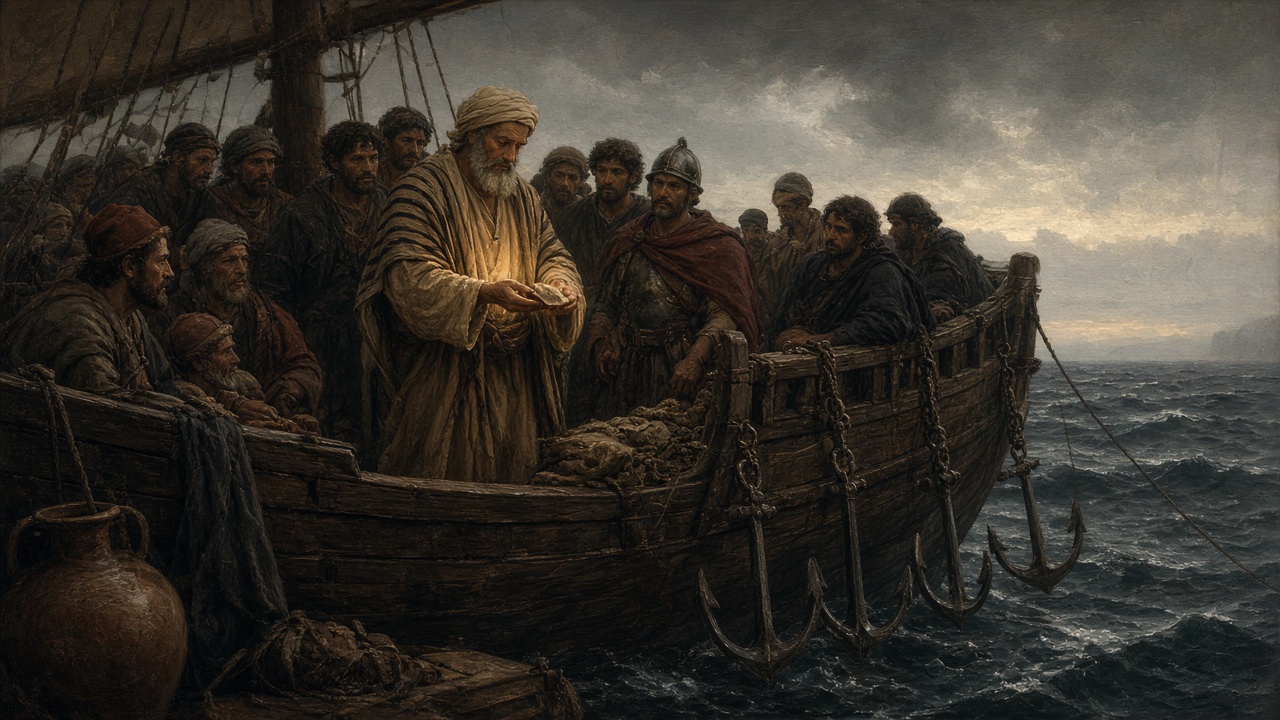
Did you know?
Storm and Shipwreck on the Way to Rome
- Paul and the other prisoners did not sail straight to Italy. At Caesarea they boarded a ship of Adramyttium, a city on the coast of Mysia in Asia Minor, bound for ports along the coast of Asia, a name Easton's Bible Dictionary takes in this verse as probably Asia Minor, and that ship carried them only as far as Myra in Lycia. There the centurion put them aboard an Alexandrian ship sailing for Italy; the dictionary notes that it was rare for a ship to sail from any port of Palestine direct to Italy.Sources: Adramyttium · Asia · the Bible text itself
- The prisoners were handed over to Julius, a centurion of the Imperial Regiment. Easton's Bible Dictionary identifies him as centurion of the Augustan cohort, or the emperor's body-guard, and describes his courteous regard for Paul. At Sidon, about twenty-five miles north of Tyre, he let Paul visit friends and receive care; later he blocked the soldiers' plan to kill the prisoners so that Paul's life would be spared.Sources: Julius · Sidon · the Bible text itself
- After Cnidus the ship worked along Crete, one of the largest islands in the Mediterranean, about 140 miles long and 35 broad, which Paul visited on this voyage to Rome. The account says the voyage had already become dangerous because it was after the Fast, and Fair Havens was unsuitable for wintering. One chronology dates the start of the journey to Rome to AD 56 and the shipwreck in the storm to AD 57.Sources: Crete · Journey to Rome begins · Paul is shipwrecked by a storm · the Bible text itself
Notes written with AI assistance from open sources (Theographic Bible Metadata, CC BY-SA 4.0; Easton’s Bible Dictionary, public domain) and reviewed before publishing.
Places in this chapter
- Italy · 41.892, 12.485 · verses 1, 6
- Adramyttium · Today: Oren · 39.501, 26.933 · verse 2
- Asia · 38.400, 28.300 · verse 2
- Thessalonica · Today: Thessaloniki · 40.638, 22.946 · verse 2
- Sidon · Today: Sandikli archaeological site in Sidon · 33.561, 35.372 · verse 3
- Cyprus · 35.000, 33.000 · verse 4
- Cilicia · 36.913, 34.892 · verse 5
- Lycia · 36.733, 29.900 · verse 5
- Myra · 36.259, 29.985 · verse 5
- Pamphylia · 37.000, 31.000 · verse 5
- Alexandria · 31.183, 29.896 · verse 6
- Cnidus · 36.686, 27.375 · verse 7
- Crete · 35.310, 24.893 · verses 7, 8, 12, 13, 14, 21
- Salmone · Today: Cape Sideros · 35.316, 26.312 · verse 7
- Fair Havens · Today: Kaloi Limenes · 34.930, 24.800 · verses 8, 12
- Lasea · Today: Lasaea · 34.941, 24.811 · verse 8
- Cauda · Today: Gavdos · 34.833, 24.083 · verse 16
- Syrtis · Today: Sidra · 31.500, 18.000 · verse 17
- Adriatic Sea · Today: Adriatic and Ionian Seas · 38.000, 19.000 · verse 27
Only places identified with high confidence are shown (90% or more according to the scholarly sources compiled by OpenBible). Period map: DARE (Digital Atlas of the Roman Empire), CC BY 4.0; modern map: © OpenStreetMap contributors; places: OpenBible.info (CC BY 4.0).
Credits and license for this translation
Iyo New Testament
The New Testament in the Iyo Language of Papua New Guinea
Nupela Testamen long tokples Iyo long Niugini
copyright © 2009 Wycliffe Bible Translators, Inc.
Language: Iyo
Translation by: Wycliffe Bible Translators
This translation is made available to you under the terms of the
Creative Commons Attribution-Noncommercial-No Derivatives license 4.0.
You may share and redistribute this Bible translation or extracts from it in any format, provided that:
You include the above copyright and source information.
You do not sell this work for a profit.
You do not change any of the words or punctuation of the Scriptures.
Pictures included with Scriptures and other documents on this site are licensed just for use with those Scriptures and documents.
For other uses, please contact the respective copyright owners.
2025-05-15
Source: http://png.bible/nca/ · eBible.org