Acts 2
Iyo New Testament · Tap a verse to see its cross-references.
Yuqa Surumí saŋayemo umburó
1Asa Pentikos o ne-ne naruko ŋuno unipare soso ŋundo ya kano huruwaŋgurí. 2Waka ta niri ka matú parámi ŋunde qembe tero sambo koŋgo mahero ya kunditeyaŋgo ŋu maŋgoraró. 3Maŋgoriní te suru qembe ka usoworo mipi ŋunde tero enemo-enemo saŋayemo kunditaŋgurí. 4Ŋunde ti Yuqa Surumí ŋundo unipare soso quroyemo uro wimbu yunoní kimani tero mipiyembo mande enesó-enesó yaŋgurí.
5Ŋu naruko ŋuno Juda unipare mira enesó-enesó ŋu noŋgo mahero Yerusalem ŋuno yaŋgo. Juda unipare ŋu Anutu hamó potoruku te inoyaŋgo. 6Asa niri ŋu tunoqiní iŋoro mahe koporo mande enesó-enesówore yeyaŋgurí qu ŋu iŋaŋgurí. Yi iŋoro yukuwaŋgurí, dokoro eneŋo mandeye enesó-enesówore naŋge iŋaŋgurí. 7Iŋoro parámi newondeye uroní ŋande yaŋgurí, “Unipare ŋuko Galili noŋgo qu naŋge, hamómbe? 8Date koro nore mandenani enesó-enesówore ŋande ye iŋoteto? 9Nore mira enesó-enesó rotoro ŋano mahetowó. Nore kumi Partia mira koŋgo qu, Mitia mira koŋgo qu, ko Elam mira koŋgo qu, ko kumi Mesopotemia mirako yoteŋgo qu; kumi Judia mira koŋgo qu ko Kapatosia mira koŋgo qu; kumi Pontus mira koŋgo qu ko Esia mira koŋgo qu; 10kumi Pirikia mira koŋgo qu ko Pambilia mira koŋgo qu; kumi Isip mira koŋgo qu ko Lipia mirako Sairin yendé kutaqemo ŋu noŋgo qu; kumi Rom yendé ŋu noŋgo 11ŋuko Juda uniparetoya unipare meyowombo Juda koro muríye howeyoteŋgo qu; kumi Kiriti noko mosowí moŋgo qu ko Arepia mira koŋgo qu. Asa nore soso uni ŋu Anutuko kho wimbí ŋuro mandenaniwore yi iŋoteto.” 12Ŋunde yero soso yukuwaŋgurí, ko newondeye uroní epe mito-mito taŋgurí, “O itaka tunoqete ŋuko, do murí ka?”
13Quko kumimbo huwó mande ŋande yaŋgurí, “Uni ŋu wain parámi nero kape-kape teteŋgo.”
Pitako mande yesowaró
14Asa Pita otoqoro asá yerewí uni 11 ŋuya kaŋero kondé nekoro unipare ŋande yimiraró, “Ye Juda uni, ko ye soso Yerusalem yoteŋgo qu, o tunoqiní qeneteŋgo ŋuro murí rondaqe yunowe teteno. Kusumbo re mandene iŋi. 15Yembe uni ŋambe wain koro kape-kape teteŋgo yero, hamómbe? Ŋu kini. Itaka ita saraŋoní 9 kilok naŋge. 16Kini, o itaka tunoqete ŋaro, komo ye-ye uni ŋu Joel ŋundo ŋuro ŋande yaró,
17“‘Anutuko ŋande yete, “Naru weŋa qunoko
neneŋo Yuqane windoroŋowe
unipare soso saŋayemo uweya.
Ŋunde tewe yeŋo nambo-simóyembo Anutu koro mandí yesowowaŋgo,
yeŋo simó keta-keta ŋundoko o enesó-enesó qenewaŋgo,
yeŋo uni pará-pará ŋundoko o quko qenewaŋgo.
18Ŋu naruko ŋunoko no Yuqane windoroŋowe
sunará simónemo, sunará parenemo ŋuro saŋayemo uweya.
Ŋunde tewe Anutu koro mandí yesowowaŋgo.
19Nondo o amana-mana siyowe koporéko tunoqewaŋgo.
Nokono amu noŋgo rokó kate-kate siyowe tunoqewaŋgo.
Sitú koya te qayote quya pukatutu parámi horé ŋuya tunoqewaŋgo.
20Uni Parámimboro naru parámi horé mu tukuni tiníqo
kosako huriri qembe tunoqeweya,
ko komboko mandumi sitú qembe tunoqeweya.
21Ko Uni Parámimbo unipare soso owí nekoteŋgo ŋu rambaruru koŋgo yoreweya.”’
22“Ye Israel uni, mande ŋa iŋoyi. No Yesu, Nasaret noŋgo uni ŋuro yimiroteno. Ye ŋande iŋoteŋgo, ko Anutuko uni ŋuwore o wimbí moré enesó-enesó ye keweroyemo tero uni ŋuro owí hokaró. 23Komo suki Anutuko iŋoro mande kusiyaró, ko itaka uni ŋu re yeŋo kandeyemo rotoní uni hutuŋo mandenani kama howeyoteŋgo quro kandeyembo tipiririko uri khumaró. 24Ŋunde quko Anutuko khumo koro wimbí ŋu re rotoro okokowoní pitu ko otoqaró. Dokoro uni tapu ŋundo ŋu towowero mepémo kini. 25Hamó, Dewitko ŋuya ŋuro ŋande yaró,
“‘Nondo Uni Parámi qenewe taŋgenemo suki yote.
Asa ko kandene kondésina yoníqo
oka kato yuku nerewero mepémo kini.
26Ŋu murí ŋuro newondenembo meté yoweya,
maŋgonembo niŋgu-niŋgu mande yeweya.
Hamó, neneŋombo o meté horé ŋuro sopowano.
27Dokoro keto noroti uni khumowí ŋuro yendéyemo ŋuno kama yowano,
keŋo uni meté horé ŋu roti uni tapuko ŋuno kama puqeweya.
28Yoto-yoto koro khe qu witú nereró,
nori toŋeŋgemo niŋgu-niŋgu parámi tewano.’
29“Uni topo, no hamó iŋoro meté yimirowe teteno, ko usinani Dewit ŋundo mande ŋu nakayáŋaró, quko komo khumoní re tapuŋaŋgurí. Ko eneŋo tapuyó nore keweronanimo itaka yote. 30Dewit ŋuko ye-ye uni ka tunoqaró. Ŋunde ŋuroko komo Anutuko mande hamó ka ŋande miraró, ko imemoŋgo Dewit koro sowe qu kato eneŋo yakutímo kunditero unipare wiri yereweya. Asa mande ŋu iŋoro 31Kristo ŋundo pitu ko otoqoweya ŋuro ŋande yaró, ko Anutuko rotoní uni khumowí ŋuro yendéyemo ŋuno kama yoweya, kowí ŋu kama puqeweya. 32Yesu ŋuko, Anutuko okokowoní otoqaró ŋu. Nore ŋano qundo soso qenero ŋuro yesowoyoteto. 33Komo Anutuko Yuqa Surumí nore nunoweya ŋuro mande kusiyaró. Asa pitu ko otoqoníqo, Anutuko riní koreko horé oro Anutu koro kandí kondésina kunditero Awa kandí moŋgo Yuqa ŋu rero windoroŋoní ye o enesó ŋa qenero iŋoyoteŋgo. 34Qeni, Dewit eneŋombo samboko kama oró. Quko ŋande yaró,
“‘Uni Parámimbo uni parámine ŋande miraró,
“Kandene kondésina ŋano kunditekata,
35yate-yate saŋgiríŋge yorewe
kheŋge kusuŋoyómo yowaŋgo.”’
36“Ŋunde ŋuro ye Israel koro sowe qu, ye meté iŋoyi. Yendo Yesu rero tipiririko uraŋgurí ŋuko, Anutuko riní Uni Parámi yote; ko Kristo ŋunde yote.”
Uni qambu qundo newondeye rohoréŋaŋgurí
37Pitako ŋunde yiní mande ŋundo uniparetoro newondeye hamó saŋgawoní unipareto Pita koya uni asá yerewí unindoya ŋande osese yereŋgurí, “Uni topo, nore do ka tewato?”
38Pitako ŋande yimiraró, “Ye kanata-kanata quhuríyemboro newonde surumí teya quhurí ŋu se rotoya Yesu Kristo owímo sono ri. Ŋunde tiqota Anutuko quhuríye se rotoro Yuqa Surumí rero yunoweya. 39Mande kusiyaró ŋu, Anutuko yeya, simóyemboya, unipare soso sewemo yotoro Uni Parámi ŋu, Anutunani nekoyoteŋgo ŋuya mande ŋu kusiyaró.”
40Ŋunde yero Pitako oresaka mande kate-kate yero newondeye rukisoyoro ŋande yaró, “Anutuko unipare itaka nokono ŋano yotoro o pi-piyimi teyoteŋgo qu, ŋu rambaruru yereweya. Ye rambaruru ŋu takayi!” 41Asa ko danimbo eneŋo mandí ŋu hamó raŋgurí qu, sono re yunaŋgurí. Ko ŋu naruko ŋuno Anutuko iŋondutu uni sowe tiní unipare 3,000 kaŋuya iŋondutuwoyaŋgurí. 42Naru rokóŋoro uni soso ŋundo asá yerewí uni mandeye iŋoyaŋgo, ko epe samaka-samaka teyaŋgo, bret romboŋero o kopo neyaŋgo ko hariri teyaŋgo.
Iŋondutu unipareto newonde kanata taŋgurí
43Asa Anutuko asá yerewí uni kandeyemo o wimbí moré qambu tiní unipare soso ŋundo qenero ará parámi te inaŋgurí. 44Iŋondutu unipare soso ŋundo newonde kanata tero oye soso se kopoyaŋgurí. 45Onoŋoye soso soweyoro wondo ŋu uni o karo tukuni taŋgurí ŋu yunaŋgurí. 46Naru rokóŋoro newonde kanata tero Ya Surumímo ŋuno huruwoyaŋgo, ko ya kano-kano bret romboŋero newondeye meté tero niŋgu-niŋgu tero o kopo neyaŋgo. 47Naru rokóŋoro Anutu owí hokoyi unipare soso meyowo ŋundo eneŋo metéŋoyaŋgurí. Kowe naru rokóŋoro Anutuko unipare kumi yoriní iŋondutu tero ŋuno kopoyaŋgurí.
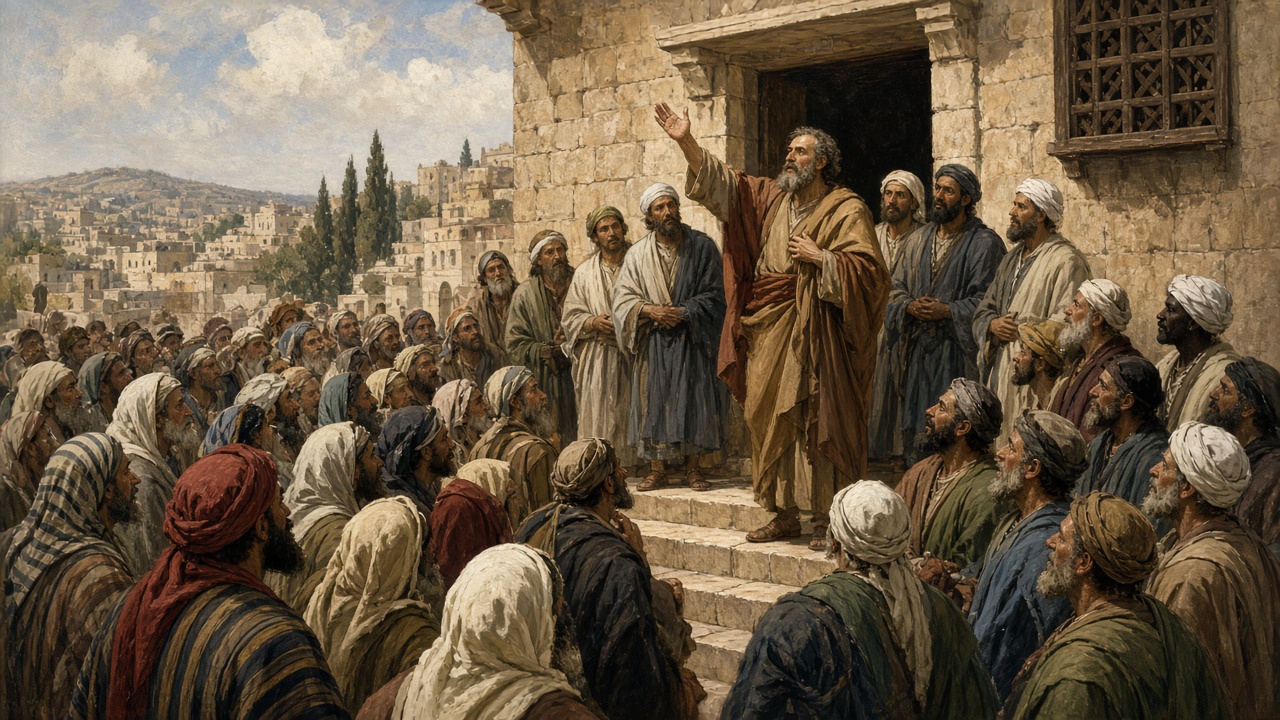
Did you know?
The Spirit Comes at Pentecost
- God-fearing Jews from every nation under heaven were already living in Jerusalem when a sound like a mighty rushing wind came from heaven and filled the house, and the speakers began to declare God’s wonders in other languages. In this chapter, “Asia” is the Roman province of Proconsular Asia, in the western part of Asia Minor, whose capital was Ephesus—not the continent of that name. Pontus, along the southern coast of the Euxine Sea, was a Roman province in the apostles’ time and a resort of many Jews of the Dispersion; Cappadocia was the easternmost and largest province of Asia Minor.Sources: the Bible text itself · Asia · Pontus · Cappadocia
- The crowd was amazed that the speakers were Galileans. The one who stood with the Eleven and addressed them was Simon Peter, originally called Simon—that is, Simeon, meaning “hearing”—a fisherman from Bethsaida, on the western coast of the Sea of Galilee, whom his younger brother Andrew first brought to Jesus.Sources: the Bible text itself · Simon Peter
- Peter said this was what the prophet Joel had spoken. Joel, the second of the twelve minor prophets, was the son of Pethuel, and his personal history is known only from his book. Peter also quoted David, the eighth and youngest son of Jesse of Bethlehem, and told the crowd that this patriarch had died and been buried, and that his tomb was still with them in Jerusalem.Sources: the Bible text itself · Joel · David
Notes written with AI assistance from open sources (Theographic Bible Metadata, CC BY-SA 4.0; Easton’s Bible Dictionary, public domain) and reviewed before publishing.
Places in this chapter
- Jerusalem · 31.777, 35.234 · verses 5, 14
- Galilee · 32.760, 35.527 · verse 7
- Asia · 38.400, 28.300 · verse 9
- Cappadocia · 38.671, 34.839 · verse 9
- Judea · Today: Judea 1 · 31.777, 35.234 · verses 9, 14
- Mesopotamia · Today: Aram-naharaim · 36.864, 39.033 · verse 9
- Pontus · 40.680, 37.830 · verse 9
- Cyrene · 32.821, 21.851 · verse 10
- Egypt · 30.129, 31.308 · verse 10
- Libya · 32.821, 21.851 · verse 10
- Pamphylia · 37.000, 31.000 · verse 10
- Phrygia · 39.000, 31.000 · verse 10
- Rome · 41.892, 12.485 · verse 10
- Nazareth · 32.702, 35.298 · verse 22
Only places identified with high confidence are shown (90% or more according to the scholarly sources compiled by OpenBible). Period map: DARE (Digital Atlas of the Roman Empire), CC BY 4.0; modern map: © OpenStreetMap contributors; places: OpenBible.info (CC BY 4.0).
Credits and license for this translation
Iyo New Testament
The New Testament in the Iyo Language of Papua New Guinea
Nupela Testamen long tokples Iyo long Niugini
copyright © 2009 Wycliffe Bible Translators, Inc.
Language: Iyo
Translation by: Wycliffe Bible Translators
This translation is made available to you under the terms of the
Creative Commons Attribution-Noncommercial-No Derivatives license 4.0.
You may share and redistribute this Bible translation or extracts from it in any format, provided that:
You include the above copyright and source information.
You do not sell this work for a profit.
You do not change any of the words or punctuation of the Scriptures.
Pictures included with Scriptures and other documents on this site are licensed just for use with those Scriptures and documents.
For other uses, please contact the respective copyright owners.
2025-05-15
Source: http://png.bible/nca/ · eBible.org