2 Corinthians 3
Iyo New Testament · Tap a verse to see its cross-references.
1Asa ye date iŋoteŋgo, noreŋo owénani hokoyoteto, peka? Kini. Ŋande iŋatowó, peka, ko sokome ka ye yunatoqota noreŋo murínani ŋuro seré tewaŋgo, peka, ma yendo noreŋomboro sokome ŋunde qu nakayáŋoro nunowaŋgo, peka? Ŋunde kini. 2Yendoko sokome ŋunde qu qembe, newondenanimo nakayáŋaró mu, ko uni soso ŋu qenero weyoyoteŋgo. 3Yeko Kristo koro sokome qu, khonanimoko riní tunoqaró. Sokome ŋu sono iriyómbo kama nakayáŋaró. Kini, Anutu yoto-yotoyó moré ŋuro Yuqayómbo nakayáŋaró. Ko enendo wondo sarara ŋuno kama nakayáŋaró. Kini, unindoro newondenanimo nakayáŋaró.
4Norendo Anutu toŋímo Kristowore iŋo-iŋo kondé ŋunde qu teyoteto. 5Hamó, noreŋombo naŋge iŋo-iŋo ŋunde qu tewero mepémo kini. Kini, Anutuko wimbu nunoní ŋunde teyoteto. 6Eneŋombo naŋge wimbu nunoní mande kondé keta ŋuro kho uniyó yoteto. Mande kondé keta ŋuro murí muko hutuŋo mande nakayáŋaró qu kini. Kini, murí muko Yuqa koro qu naŋge. Dokoro mande nakayáŋaŋgurí ŋundo yoriní khumoteto, quko Yuqako yoto-yoto yunoyote.
Mande kondé keta ŋuko meté horé
7Iŋoyi. Hutuŋo mande koro khoyómbo nore noriní khumoteto. Quko komo Anutuko sine parámi tero mande ŋu wondo sararako nakayáŋoní Moses koro umu-kembé ŋuya sine parámi taró. Ŋunde tiní Israel unipareto umu-kembémo toŋetewero mepémo kini. Quko sine parámi ŋu winzumowero teyara. 8Asa ko ye date iŋoteŋgo, Yuqa koro khoyómbo sine parámi horé tero kho meyowo ŋu takate, hamómbe? 9Qeni, kho kato topé piyimi nore nunoyote ŋuko sine parámi taró. Quko kho kato nore noriní roneneŋowí yoteto tiníqo, kho ŋuko sine parámi horé tero kho meyowo ŋu takate, hamómbe? 10Dokoro, hutuŋo mande ŋuko sine taró. Quko itakako oka sine parámi horé teyote ŋu tunoqiníqo, hutuŋo mande ŋuro sine ŋuko tomó ta naŋge. 11Hutuŋo mande yate-yate kini teweya ŋuko sine taró. Asa ko oka suki-suki yote ŋuro sineyó parámi muko sine meyowo ŋu takate, hamómbe?
12Ŋunde ŋuroko o meté soporo kondé kaŋero o karo kama soreyowato. 13Quko Mosesko o taró ŋu kama teyoteto. Enendo tuwi sumi ka rero umu-kembé wisumuŋoní Israel unipareto sine parámi winzumowero teyara ŋu qenewero mepémo kini. 14Quko Israel koro iŋo-iŋoye komo kusiyowí teyara. Qeni, ŋu naruko ŋu noŋgo yate-yate itaka ŋuya mande kondé komo qu weyoyoteŋgo quno tuwi sumi ŋundo iŋo-iŋoye watí wisumuŋoyote. Tuwi sumi ŋu watí yorote, dokoro Anutuko Kristowore naŋge re rotoyote. 15Iyo, itakako Moses koro hutuŋo mande ŋu weyoyuri tuwi sumi ŋundo iŋo-iŋoye watí wisumuŋoyote. 16Quko uni kato rohoréŋoro Uni Parámimo uyareweya quno ŋuno Anutuko tuwi sumi ŋu re rotoweya. 17Asa Uni Parámi ŋuko Yuqa Surumí naŋge. Ko Uni Parámimboro Yuqayómbo uni kaya yoweya tiníqo, uni ŋuko kina yote, oka kato kama kusiyote. 18Nore soso tuwi sumi ŋundo umu-kembanani kama wisumuŋoyote, ko Uni Parámimboro sine parámiyómbo nore noŋgo uyareyote. Noreko yate-yate eneŋo kiraró tunoqeyoteto, ko Uni Parámi moŋgo, asa Yuqa noŋgo sine parámi rato, yate-yate noreno parámi yoweya.
Did you know?
A More Glorious Covenant
- The chapter asks whether letters of recommendation to or from the believers are needed, as some people require. It answers that the believers themselves are a letter from Christ, the result of this ministry, inscribed on the ministers' hearts and known and read by everyone.Sources: the Bible text itself
- The chapter contrasts ink and tablets of stone with the Spirit of the living God writing on human hearts. It calls the ministry engraved in letters on stone a ministry of death and condemnation, and describes a new covenant of the Spirit, for the letter kills but the Spirit gives life.Sources: the Bible text itself
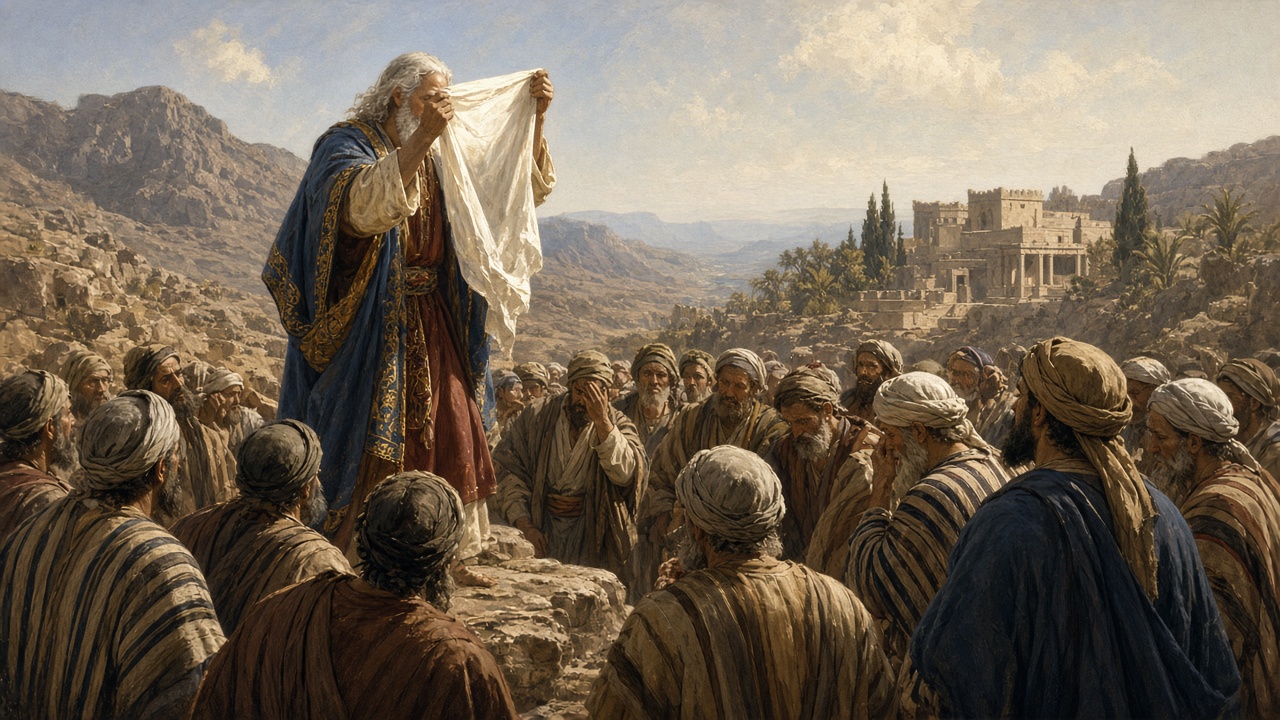
- The Israelites could not gaze at Moses's face because of a glory that was fading, and Moses put a veil over his face so they would not look at the end of what was passing away. The chapter says that a veil still covers their hearts when Moses is read, and that it is taken away whenever anyone turns to the Lord.Sources: the Bible text itself
Notes written with AI assistance from open sources (Theographic Bible Metadata, CC BY-SA 4.0; Easton’s Bible Dictionary, public domain) and reviewed before publishing.
Credits and license for this translation
Iyo New Testament
The New Testament in the Iyo Language of Papua New Guinea
Nupela Testamen long tokples Iyo long Niugini
copyright © 2009 Wycliffe Bible Translators, Inc.
Language: Iyo
Translation by: Wycliffe Bible Translators
This translation is made available to you under the terms of the
Creative Commons Attribution-Noncommercial-No Derivatives license 4.0.
You may share and redistribute this Bible translation or extracts from it in any format, provided that:
You include the above copyright and source information.
You do not sell this work for a profit.
You do not change any of the words or punctuation of the Scriptures.
Pictures included with Scriptures and other documents on this site are licensed just for use with those Scriptures and documents.
For other uses, please contact the respective copyright owners.
2025-05-15
Source: http://png.bible/nca/ · eBible.org