1 Timothy 6
Iyo New Testament · Tap a verse to see its cross-references.
Kho simómbo kho meté naŋge tewaŋgo
1Anutu koro unipare soso unindoro kho simó yoteŋgo qu, eneŋo uni parámiye ŋuro ará te yunoyuri qembe. Unipareto oteteye qenero Anutu koro owí ŋuya miti mande ŋuya yesaráŋowaŋgo koro. 2Asa iŋondutu unindo kho simó ka sopoyote tiníqo, kho simó ŋuko parámiyó ŋuro ma iŋowero, “Ŋuko topone, enina, no meté mandí wendaqewano.” Kini, kho meté horé naŋge te inowaŋgo. Dokoro parámiyó Anutu iŋondutuwoní Anutuko ene surumí iŋo yunoyote. Asa naru rokóŋo unipare iŋo-iŋo ŋa yunoya newondeye ri kondéreweya.
Wondo situwi ŋuro kondé iŋowero murí
3Uni kato mande koroqe rondaqe yunoro Uni Paráminani Yesu Kristo koro mandímboya Anutu koro murí ŋuro iŋo-iŋo ŋuya huwóŋoyote tiníqo, 4uni ŋuko eneŋo owí hokoyote naŋge, oka kama iŋoní tondaŋete. Kini. Epe taka-taka tewero iŋo-iŋo piyimi ŋuro iŋoyote ko o tomó ta ka ŋuro kiro kuma teyote. Oteteyómbo unipare yoriní newonde tutu tero, kiro kuma tero, unipare meyowo yesará yerero, topoyemboro newonde piyimi teyoteŋgo. 5Ko naru rokóŋo uni piyimi ŋundo epe kiro-kiro yeyoteŋgo. Otete piyimi soso ŋundo uni ŋuro iŋo-iŋoye rambaruruwoní mande hamó mu qene iŋowero mepémo kini. Ŋunde tero ŋande iŋoyoteŋgo, “Nore Anutu koro murí howeroqota nokono wondo situwi parámi rewato.”
6Quko nore Anutu koro murí howeroqota date yoteto ŋuro metéŋowato quno ŋuno o meté horé rewato. 7Dokoro ná-námanimbo pisi nereŋgurí quno onani moré kini tunoqatowó. Ko khumowato quno ŋuya oka kama se toŋewato. 8Nore o newero qu, tuwi teyoteto, ŋuko mepémo ŋu.
9Unipare wondo koro iŋoyiqo, situwiyembo towo yiriní situwi parámi rewero nuŋgurí ŋuko powerako uyi kondé yondowoyote. O parámi ŋuro iŋoyoteŋgo quno ŋuno newondeye ariní otete piyimi kate-kate howero piyo temukoteŋgo. 10Mone rewero iŋo-iŋo ŋuko otete piyimi kate-kate ŋuro murí. Uni kumi mone koro iŋoyoteŋgo, ŋu otete ŋundo yowosoní iŋondutuye rotoyi o piyimi kate-kate newondeye saŋgawoní piyo tewaŋgo.
Polko Timoti roŋgaruwaró
11Quko ke Anutu koro uni, otete piyimi ŋu soso qene sorero huwóŋo qembe. Ŋunde tero murí ŋaro howe qembe: otete roneneŋowí, Anutu koro murí, iŋondutu rewero murí, unipare newonde yunowero murí, quhurí kondé korowowero murí, unipare newonde ime yunowero murí. 12Iŋondutu teyote ŋu meté howero kho kondé te qembe. Komo Anutuko yoto-yoto suki-suki rewero quro rokó kiriní iŋondutu tero unipare qambu toŋeyemo ŋuro yesowaró. Asa yoto-yoto suki-suki ŋu kondé towo qembe. 13Anutuko o soso quro yoto-yotoye yunoyote, ko komo Kristo Yesu kaŋero Pontius Pailat toŋímo mande meté tunomo yesowaró. Asa no Anutu koya Kristo Yesu toŋeyarimo no mande kondé ŋande kimiroteno. 14Mande kondé kimiroteno ŋu meté howero o koroqe ma tewero. Hamó, otete meté mu naŋge howeyuriyate Uni Paráminani Yesu Kristo tunoqe maheweya. 15Enendo naru Anutuko rokóŋaró ŋuno maheweya. Asa Anutu ŋuko meté horé, ene kanata ŋundo naŋge o soso sopoyote. Enendo wiri yerete uni wiri yereyote, ko ene uni pará-pará soso koro uni parámiye. 16Enendo naŋge kama khumoweya. Hiyó parámimo yorote, ko nore taŋgímo uyarewero mepémo kini. Uni kato ene kama qeneró, ko qenewero mepémo kini. Naru suki-suki owí hokato wimbí kondé yoroweya. Ŋu hamó.
17Ke noko koro onoŋo uni ŋande yimirika iŋowaŋgo, owéye ma hokowero. Wondo situwi ŋu kuyepo kini teweya, peka. Ŋunde ŋuroko ye situwi ŋu ma iŋondutuwowero. Kini. Anutu naŋge iŋondutuwoyi, dokoro Anutu eneŋombo nore o parámi nunoní niŋgu-niŋgu teyoteto. 18Ke ŋande yimirika iŋowaŋgo, otete meté mu naŋge parámi ti qembe. Ko unipareto kira yereyoteŋgo quno ŋuno parámi yunoya samaka yiri qembe. 19Ŋunde tero o meté horé ŋu koporo naru imemoŋgo tunoqeweya quno meté yowaŋgo, ko yoto-yoto hamó horé ŋu kondé towoyi.
20Timoti, Anutuko kho kunaró ŋuro kondé sopo qembe. Mande enesó-enesó qundo Anutu koro iŋo-iŋo qu kama howete ŋu huwóŋo qembe. Naru kano unindo iŋo-iŋo enesó-enesó ŋuro epe mito-mito tero, yate-yate ŋande iŋoyoteŋgo, “Nore ŋundiro iŋomukowato.” Quko ŋunde kini, iŋo-iŋoye kota naŋge. Ŋu ŋuya huwóŋo qembe. 21Uni kumi iŋo-iŋo ŋunde qu howero iŋondutuye rotaŋgurí.
Anutu koro samaka-samaka tuwó yeya yoní.
Did you know?
Godliness, Contentment, and Timothy's Charge
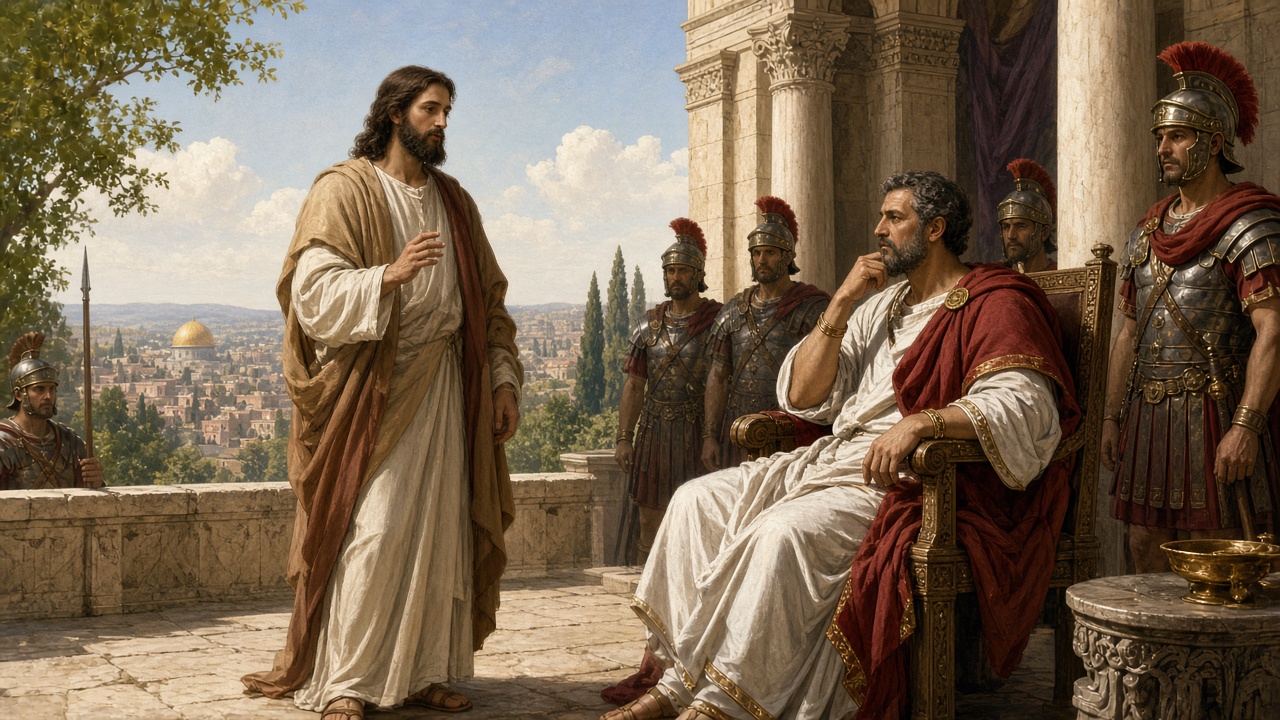
- This chapter's solemn charge recalls that Christ Jesus made the good confession in his testimony before Pontius Pilate. Pilate was the sixth Roman procurator of Judea, from A.D. 26 to 36, with headquarters at Caesarea, though he often went up to Jerusalem; his time in office covered the ministries of John the Baptist and of Jesus, and his name is remembered especially in connection with Jesus' trial.Sources: the Bible text itself · Pontius Pilate
- The chapter addresses Timothy as a man of God and tells him to guard what has been entrusted to him. The name Timotheus means honoring God. He was a young disciple and Paul's companion on many journeys; his mother Eunice and his grandmother Lois are mentioned as eminent for their piety, and his father was a Greek.Sources: the Bible text itself · Timotheus
Notes written with AI assistance from open sources (Theographic Bible Metadata, CC BY-SA 4.0; Easton’s Bible Dictionary, public domain) and reviewed before publishing.
Credits and license for this translation
Iyo New Testament
The New Testament in the Iyo Language of Papua New Guinea
Nupela Testamen long tokples Iyo long Niugini
copyright © 2009 Wycliffe Bible Translators, Inc.
Language: Iyo
Translation by: Wycliffe Bible Translators
This translation is made available to you under the terms of the
Creative Commons Attribution-Noncommercial-No Derivatives license 4.0.
You may share and redistribute this Bible translation or extracts from it in any format, provided that:
You include the above copyright and source information.
You do not sell this work for a profit.
You do not change any of the words or punctuation of the Scriptures.
Pictures included with Scriptures and other documents on this site are licensed just for use with those Scriptures and documents.
For other uses, please contact the respective copyright owners.
2025-05-15
Source: http://png.bible/nca/ · eBible.org